
About Nautix
Nautix antifouling for racing yachts, keels and everyday boats, epoxy and single-component primers, antifouling and topcoat thinners, and the Fungrip self-adhesive non-slip sheet. Nautix is a French marine paint company, created in 1980, which says it develops, formulates and makes its paints in France and supplies complete paint systems. Order online from Scuba Evolution in Johannesburg, delivered anywhere in South Africa.
Nautix in South Africa
Nautix was created in 1980 and says it develops, formulates and makes its marine paints in France, with its core job being to match a paint system to each skipper's boat and sailing. We carry its antifoulings, the primers that go under them and the thinners that go with both. The brand also makes topcoats, varnishes and fillers. A full antifouling job is a system: primer, two coats of antifouling, and the right thinner for each.
Choosing an antifouling
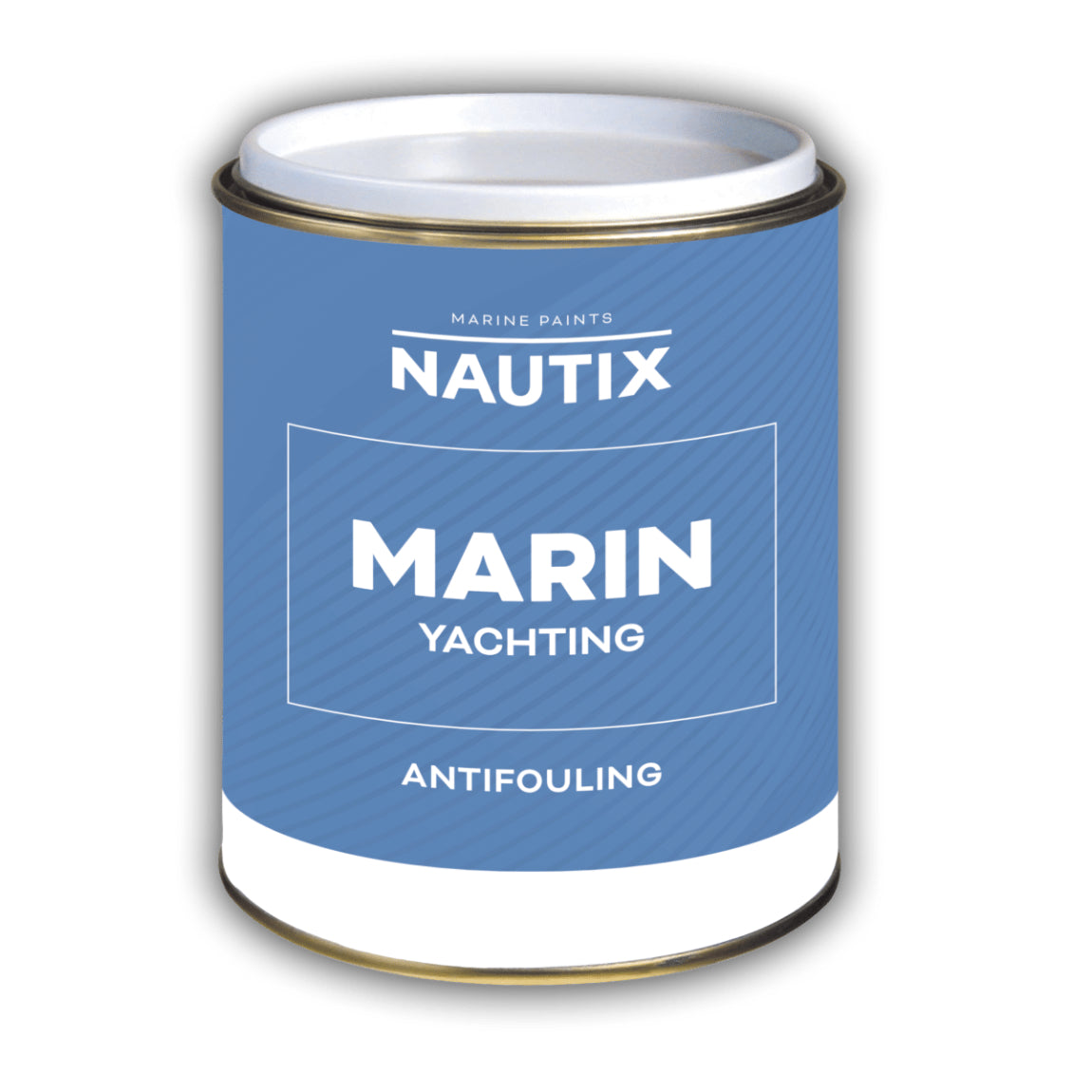
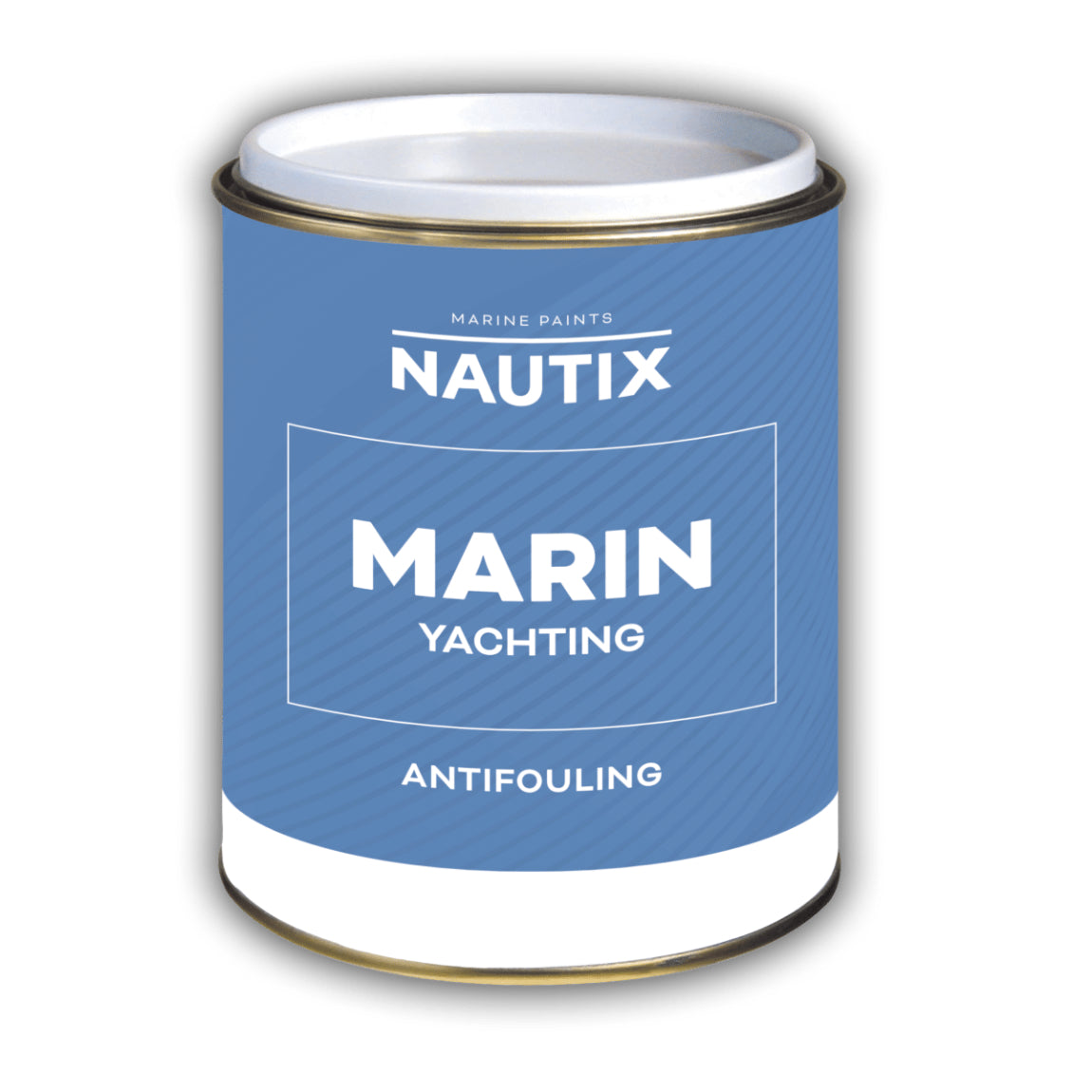
For a boat on a mooring in water where fouling is light, Marin Yachting Multi-Purpose Antifouling in black is the sensible all-rounder. Nautix calls it a versatile mixed-matrix antifouling for sailboats, fishing boats and motorboats, and it goes over GRP, wood or steel. It also comes in grey.
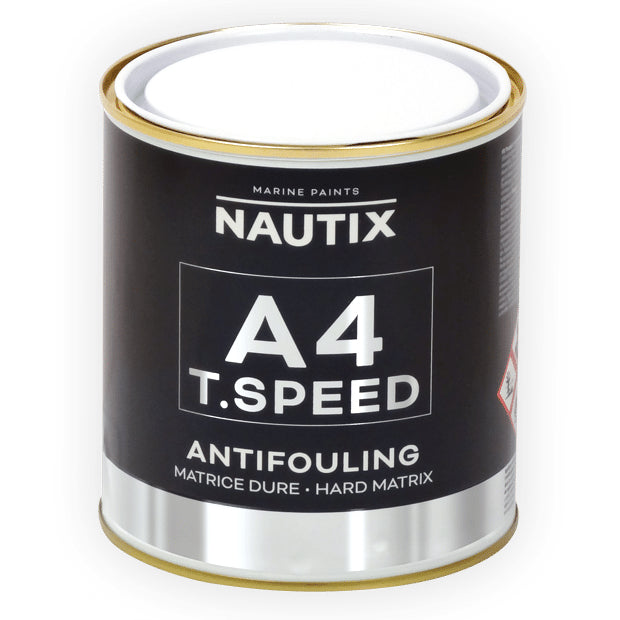
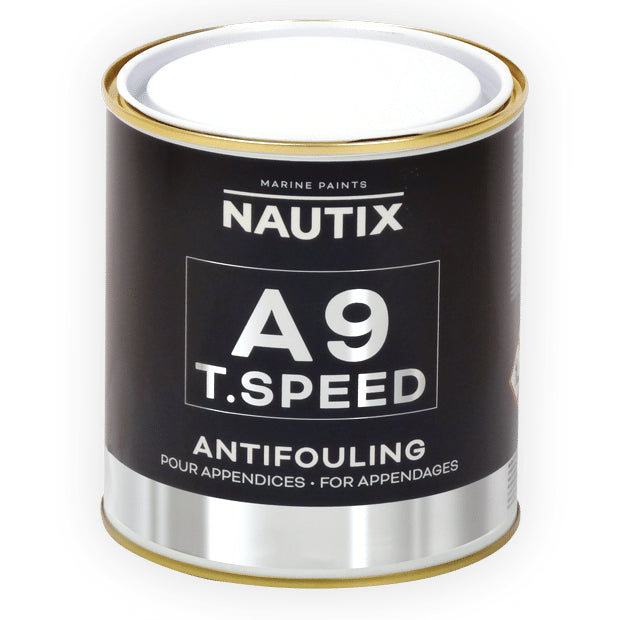
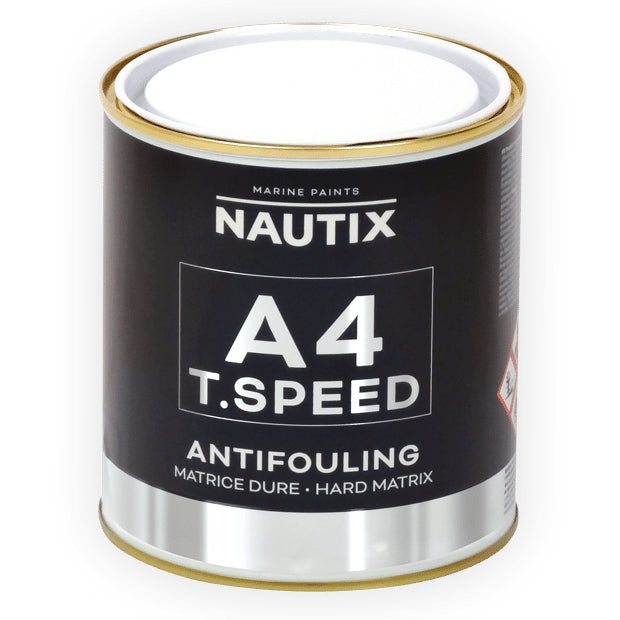
For speed, the A4 T.Speed is Nautix's hard matrix racing antifouling. It dries to a very smooth, low-friction finish that Nautix says helps a boat glide and burn less fuel, and it's recommended for racing yachts and fast powerboats over GRP, epoxy or carbon. Choose A4 T.Speed in white or A4 T.Speed in black. For the keel and appendages of a racing yacht, A9 T.Speed Keel Antifouling is a fluorescent orange hard matrix finish in a 0.75 L tin. Being highly visible, it marks the hull if a boat capsizes and makes it easier to spot a plastic bag or rope caught on a fin.
All of these are applied in two coats at about 10 square metres per litre. They contain biocides, so read the label and follow the precautions.
Primers
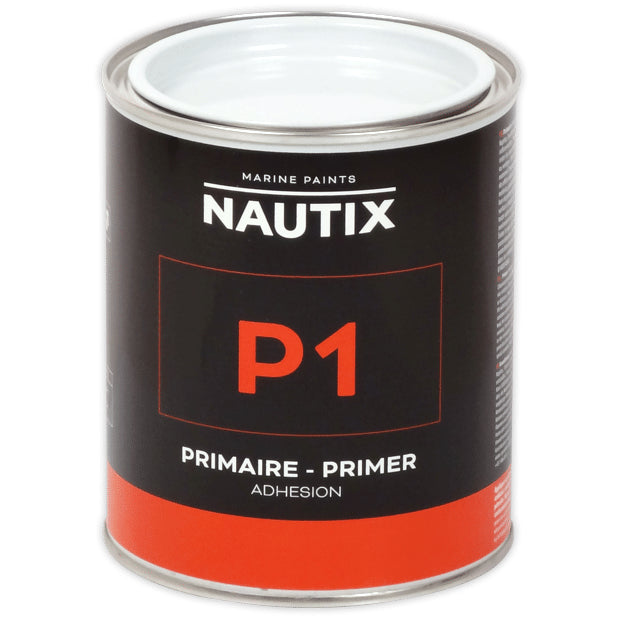
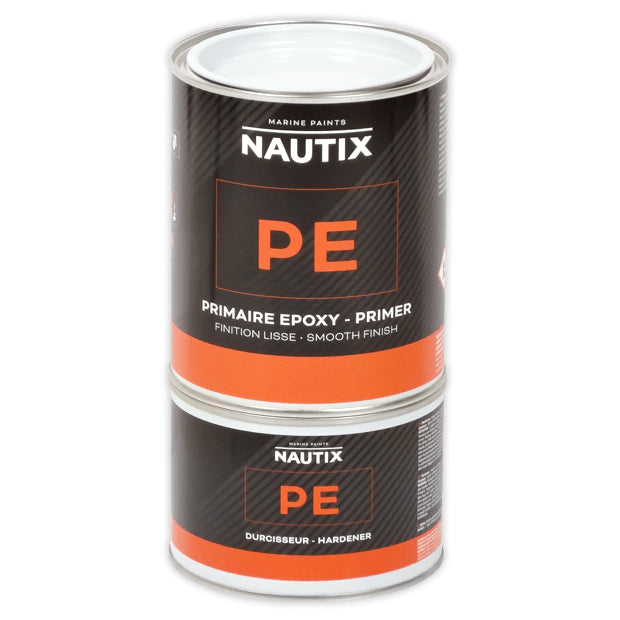
Antifouling holds only as well as the surface under it. P1 Fast-Drying Single-Component Primer is the simple choice for a cruising boat: one coat on polyester, GRP, wood or steel, and it can act as an interface coat when you're unsure whether new antifouling suits the old one. PE Two-Component Epoxy Primer is the hard, thin film used to prepare regatta hulls for A4 T.Speed. One coat gives adhesion and up to five build a protective barrier, and the pack holds a base and a hardener.
Thinners
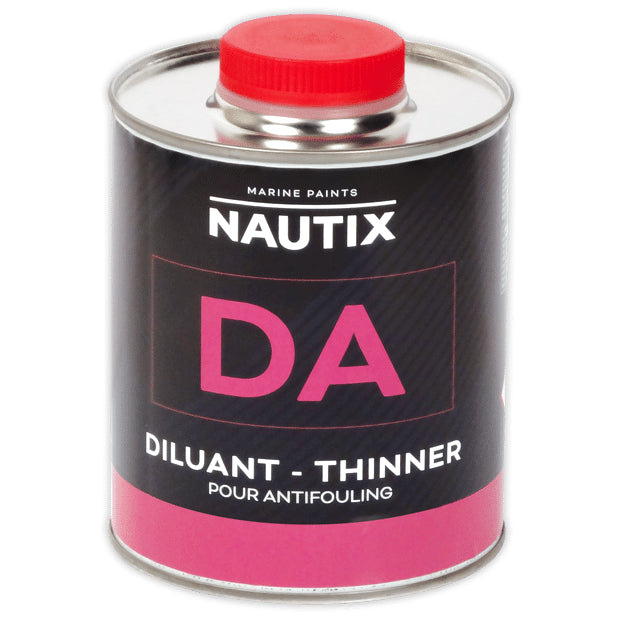
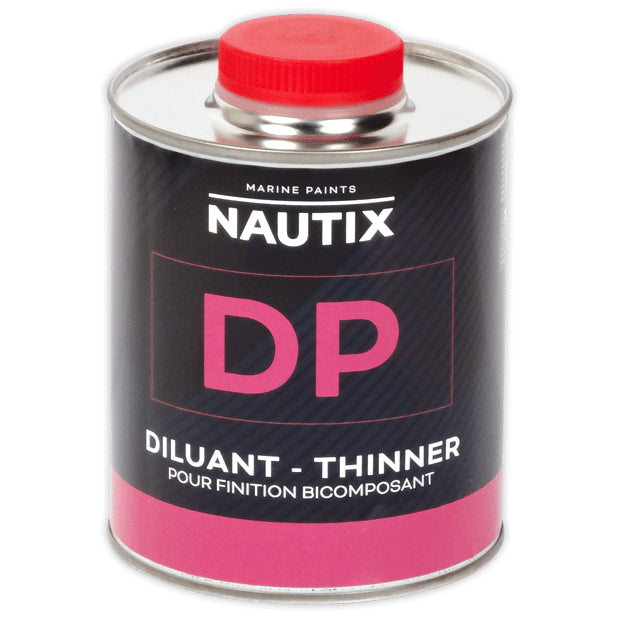
Match the thinner to the product. DA Antifouling Thinner is for all Nautix antifoulings and cleans brushes and rollers afterwards. DP Two-Component Topcoat Thinner is for the two-component topcoats and white T.Speed, and it's the recommended thinner for the P1 primer.
Non-slip on deck
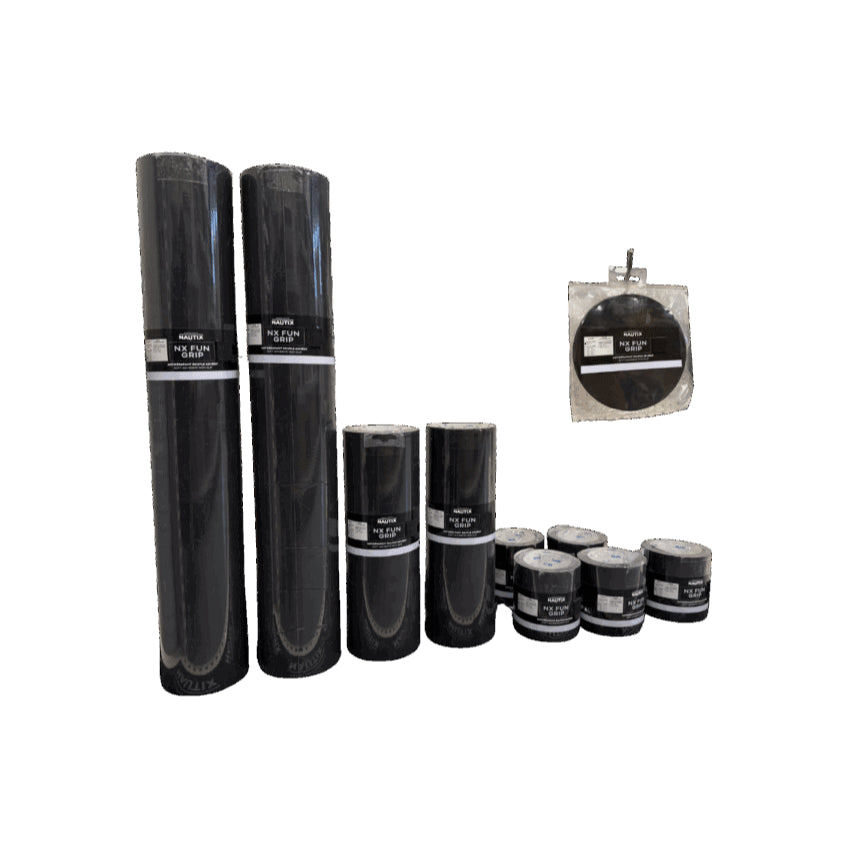
The NX Fungrip Non-Slip Sheet is 2 mm self-adhesive foam, 10 x 180 cm, cut to shape and stuck to decks, steps, dinghies or boards. Nautix makes it for polyester, gelcoat and anodised aluminium. Browse more in boat care and cleaning and boat hardware and deck.
Questions we get asked
How do I order Nautix in Johannesburg?
Order Nautix paints and primers online from Scuba Evolution in Johannesburg, delivered anywhere in South Africa.
Which Nautix antifouling suits a cruising or fishing boat?
Marin Yachting, a mixed-matrix antifouling that Nautix recommends for sailboats, fishing boats and motorboats in areas where fouling is light. A4 T.Speed is the racing option for fast boats.
How much Nautix antifouling do I need?
Nautix gives about 10 square metres per litre per coat and recommends two coats, so a hull with 20 square metres below the waterline needs about 4 litres for two coats.
Which thinner goes with which Nautix product?
DA thinner is for all Nautix antifoulings. DP thinner is for the two-component topcoats and the P1 primer.
Do I need a primer before Nautix antifouling?
A primer gives the bond. P1 is a one-coat single-component primer for most hulls, and PE is the two-component epoxy primer used under A4 T.Speed on racing hulls.
Where is Nautix made?
Nautix says it develops, formulates and makes its marine paints in France, and it has done so since it was created in 1980.