


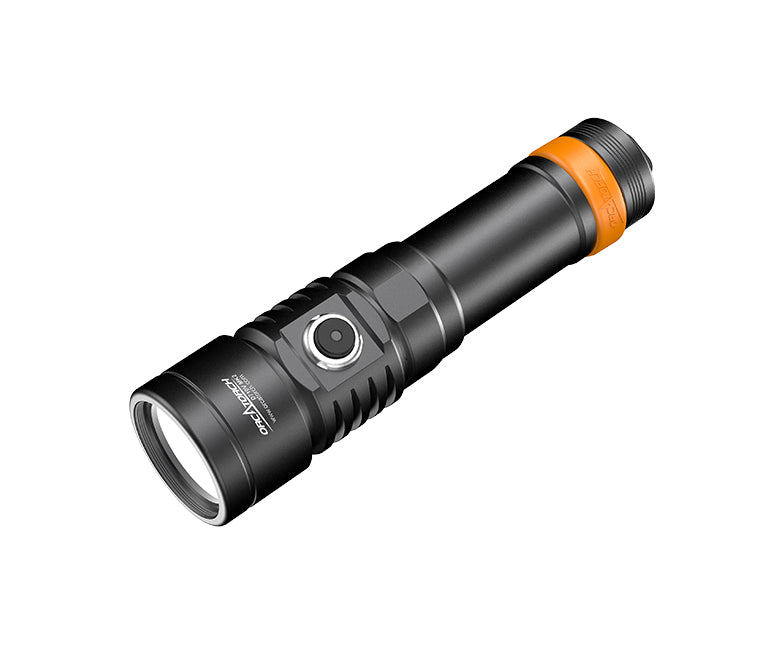
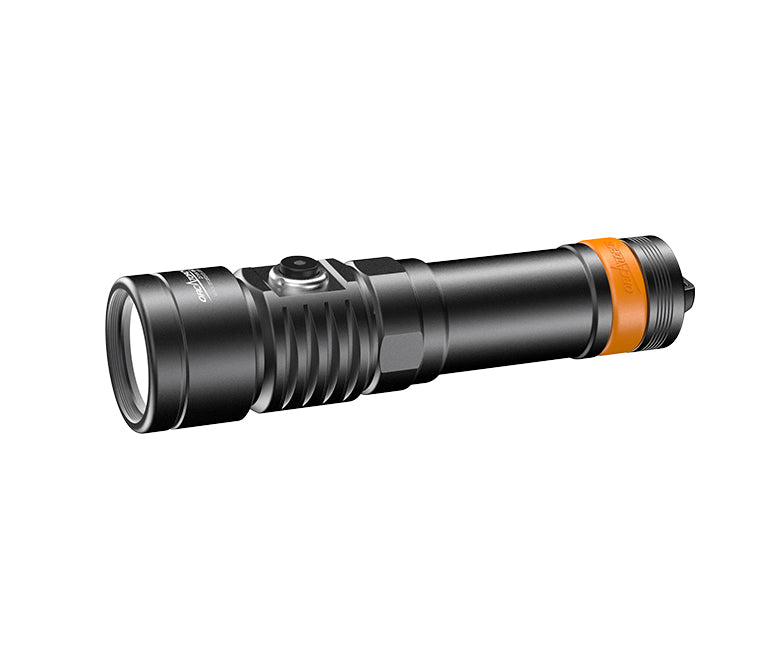
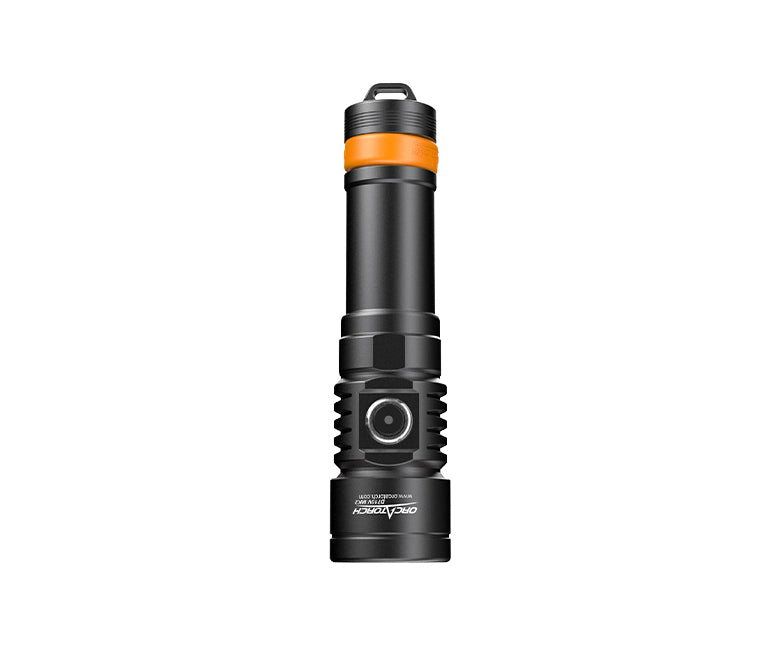
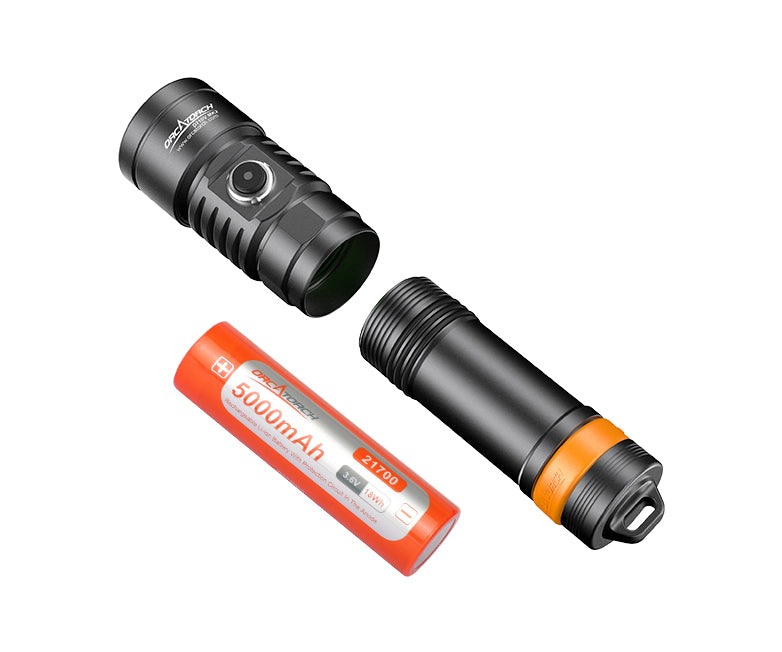


VL4600P 4600 Lumen Video Light


VTL4200P Dual Beam Light Wide and Narrow


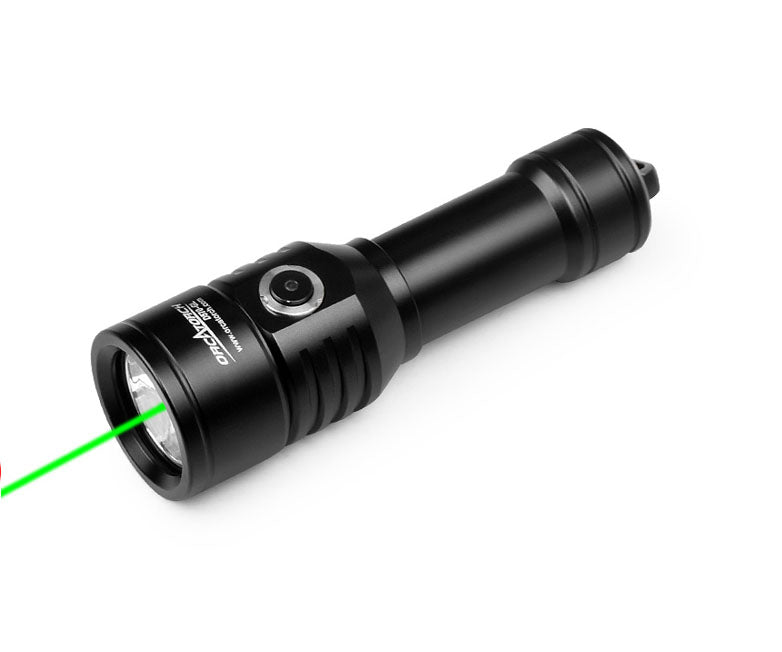
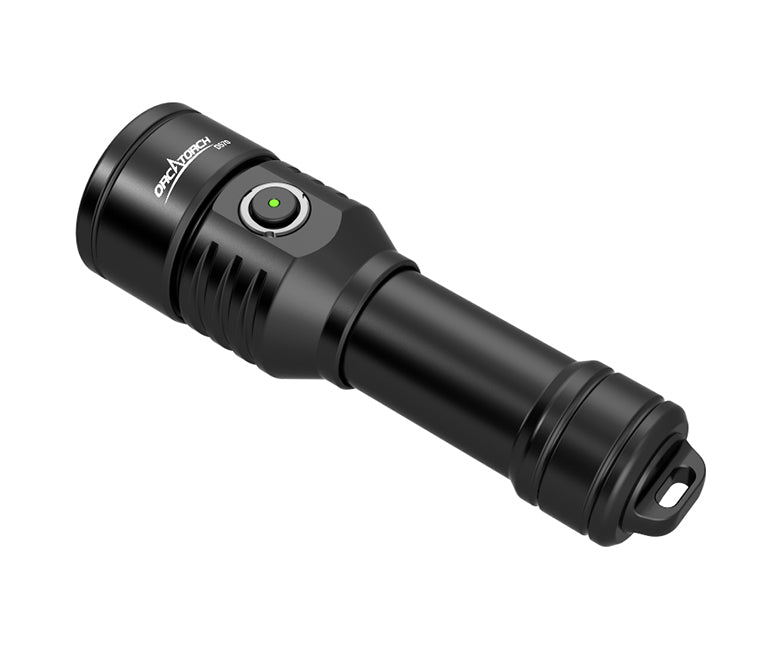
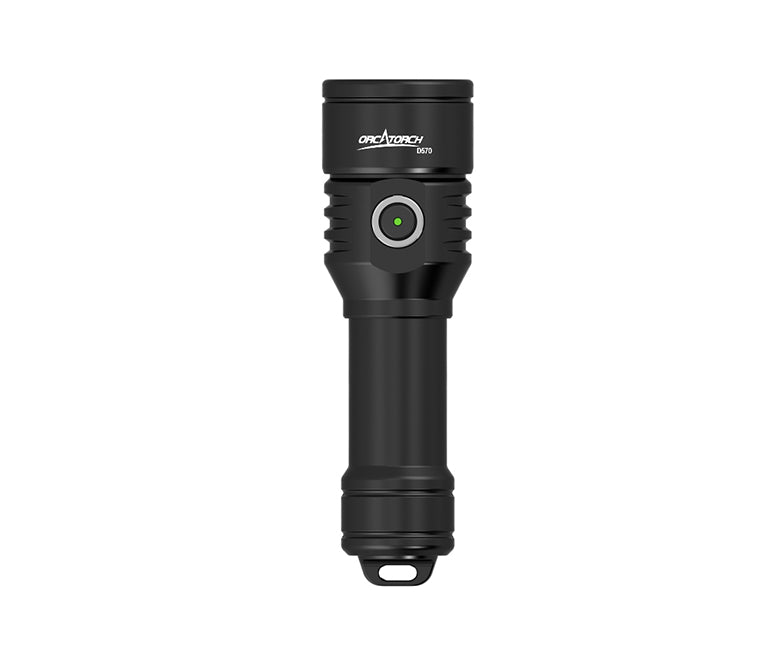
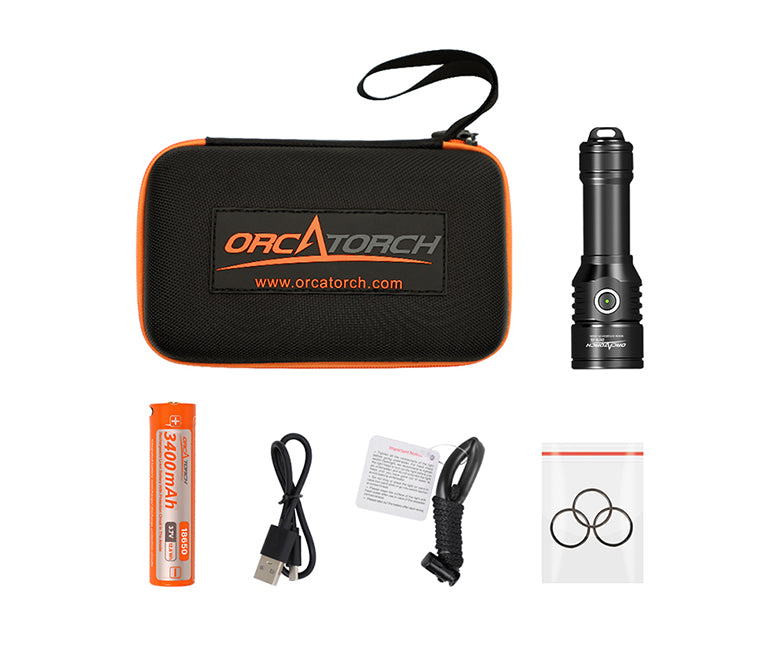


G8V15 1500 Lumen Video Light Set


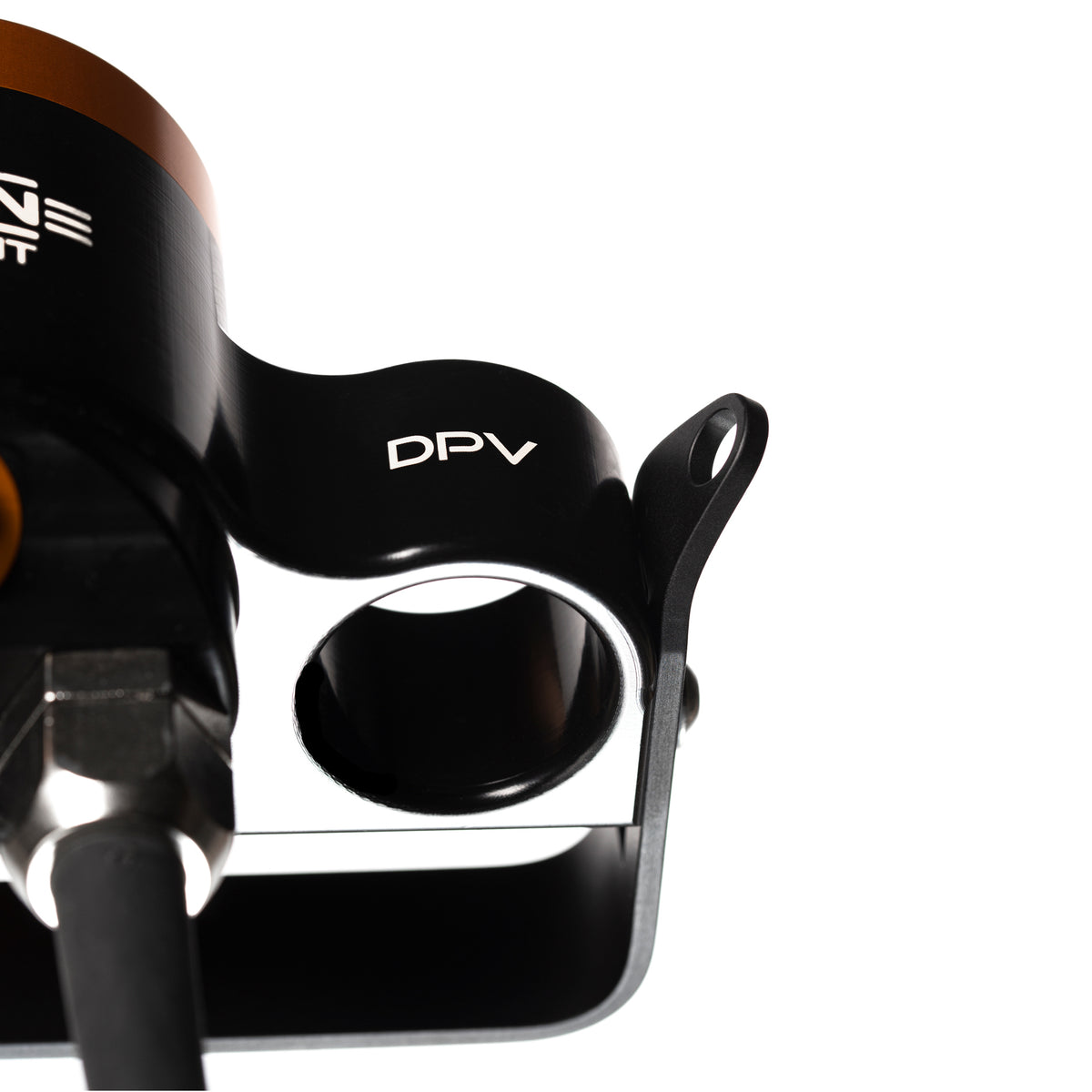
Teclight Standard Canister Light


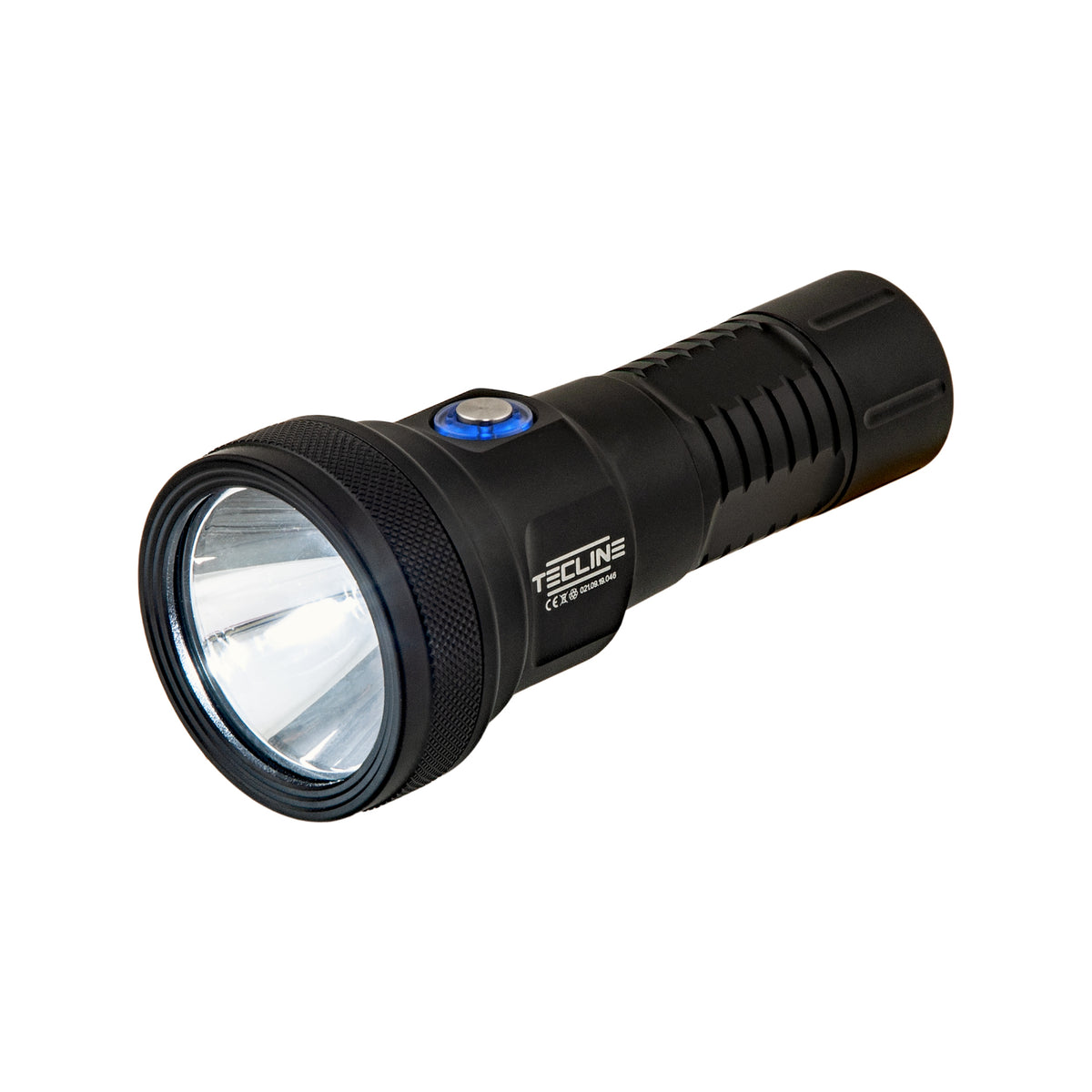
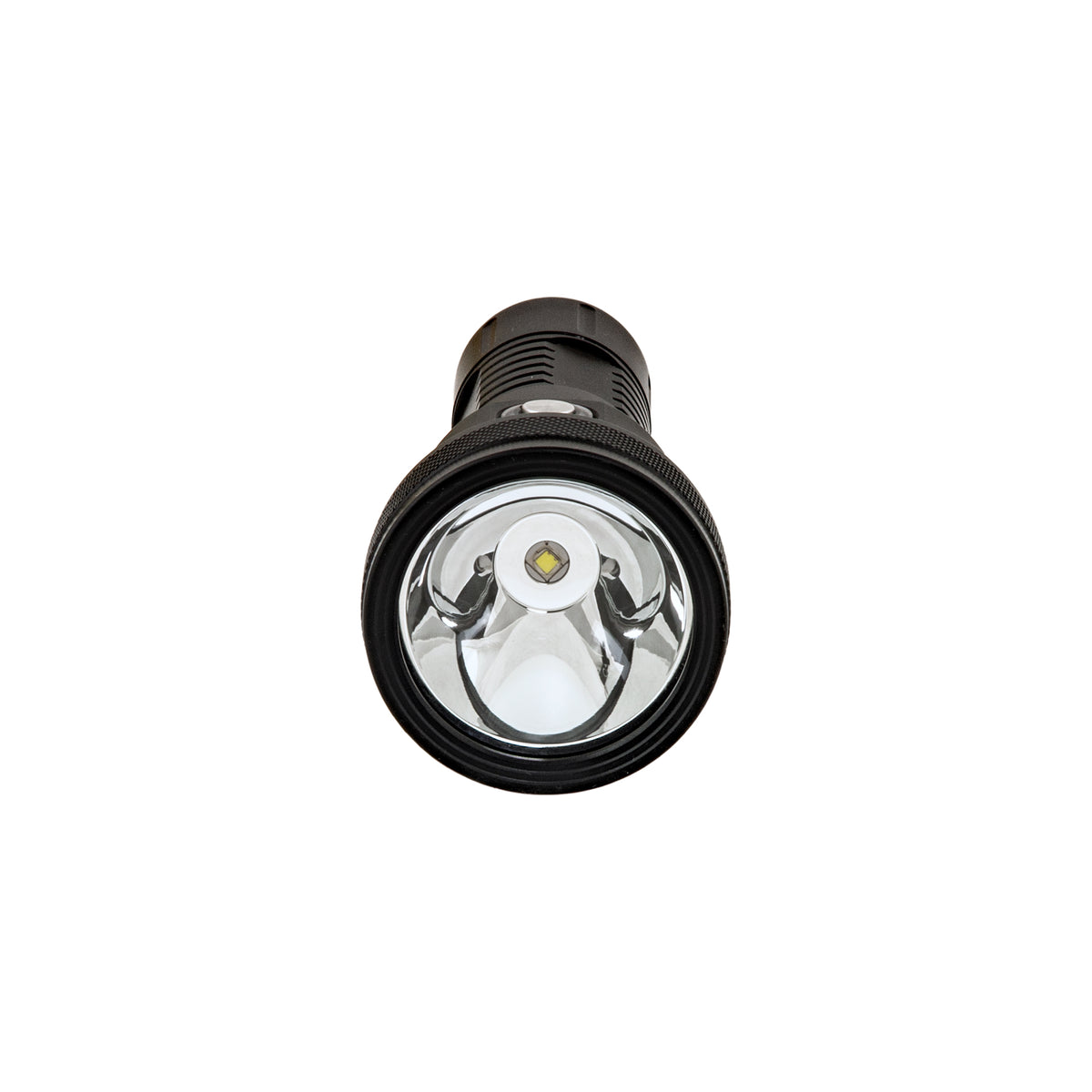
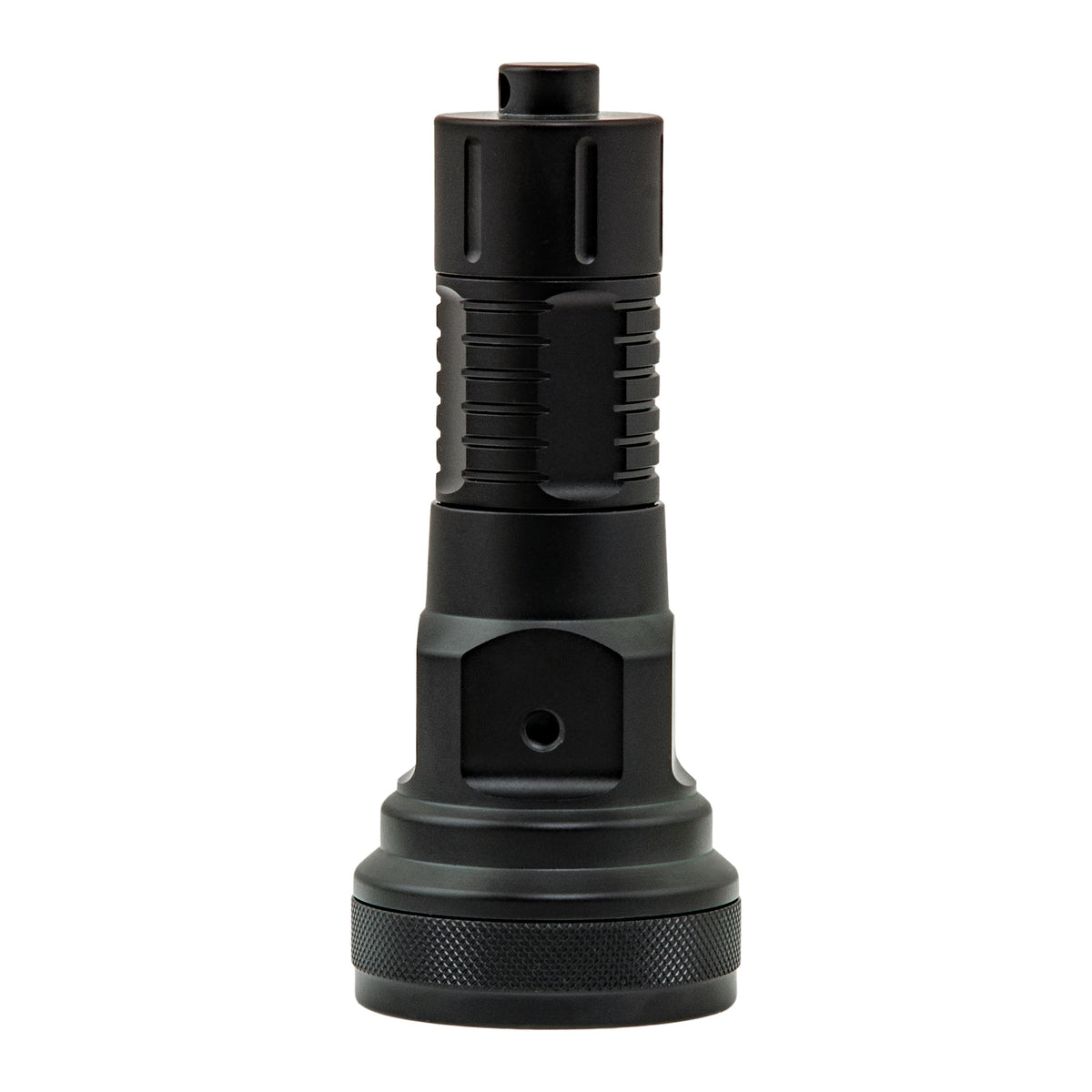


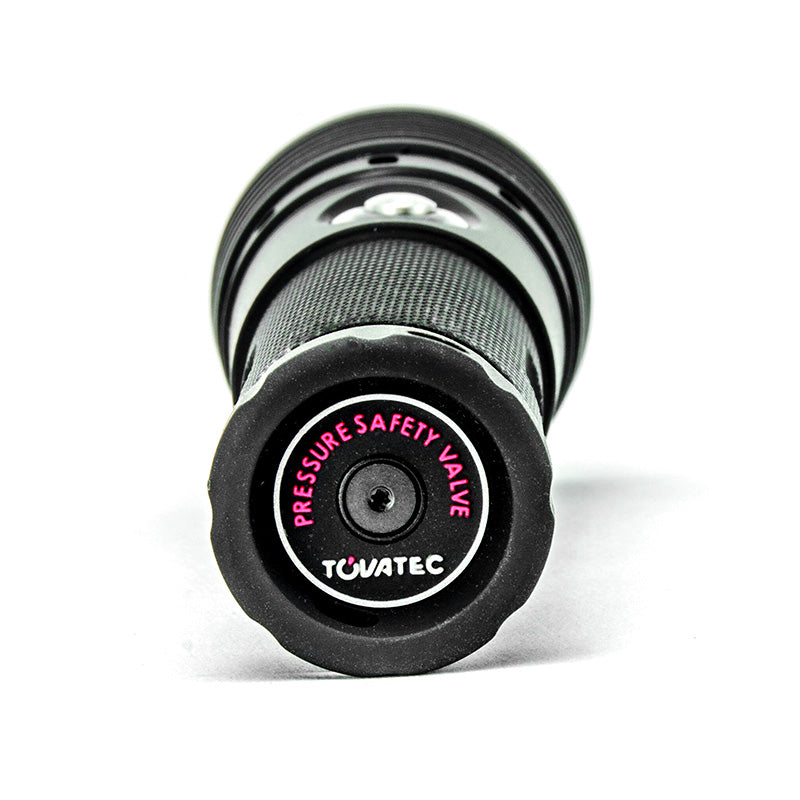


Black Molly VII 2900 Lumen Extra Wide Beam Light


AL1800WP 1800 Lumen Wide Beam Light


How to choose a dive torch
For night dives and dark quarry water, most divers carry two lights: a primary torch of around 1,000 lumens with a focused beam, and a small backup on a clip. A focused beam cuts through the particles in quarry water and signals clearly to a buddy. A wide flood lights the same particles up as haze. Handheld primary torches start from about R2,000, and compact backups from about R750.
What to compare
- Beam. Narrow for signalling and murky water; wide, or a separate video light, for filming.
- Battery. Rechargeable lithium cells give longer burn times, while AA torches run on cells you can buy anywhere. Compare burn time at the brightness you'll use, not the peak figure.
- Switch. A switch you can work in thick gloves counts for more than a mode you won't use.
- Depth rating. The rated depth should clear the deepest dive you plan, with margin.
Night and technical diving
A night dive calls for a primary, a backup and a marker light so your buddy can find you. The Night Diver course is a fair way to learn what you want in a light before buying one. Cave and technical divers move to canister lights, with the battery on the harness, such as Big Blue's canister systems and the Tecline Teclight. Brands on this page include Big Blue, OrcaTorch, Scubapro, Apeks, Tecline, Cressi and Mares. Rinse a torch in fresh water after the dive, keep the O-ring clean and store the battery the way its maker sets out. Spare cells and chargers are in our batteries and chargers.
Questions we get asked
How many lumens do I need in a dive torch?
For most recreational and night dives, around 1,000 lumens in a focused beam is plenty. More output shortens burn time and can dazzle a buddy, and 2,000 lumens and up tends to belong to video and technical diving.
Do I need a backup dive torch?
On a night dive or in low visibility, yes. Lights fail, and a small backup in a pocket lets you finish the dive and signal your buddy.
What is the difference between a dive torch and a video light?
A dive torch throws a concentrated beam to see and signal with. A video light spreads an even, wide beam across the camera's frame, so it lights a scene rather than a spot.
How should I look after a dive torch?
Rinse it in fresh water after every dive, keep the O-ring clean and seated, and charge or store the battery as the maker directs. A flooded torch often starts with a hair or a grain of sand on the O-ring.