
Shop by Category


Mounting Straps Set for Cylinders


Stainless Steel Twinset Bands (Pair)






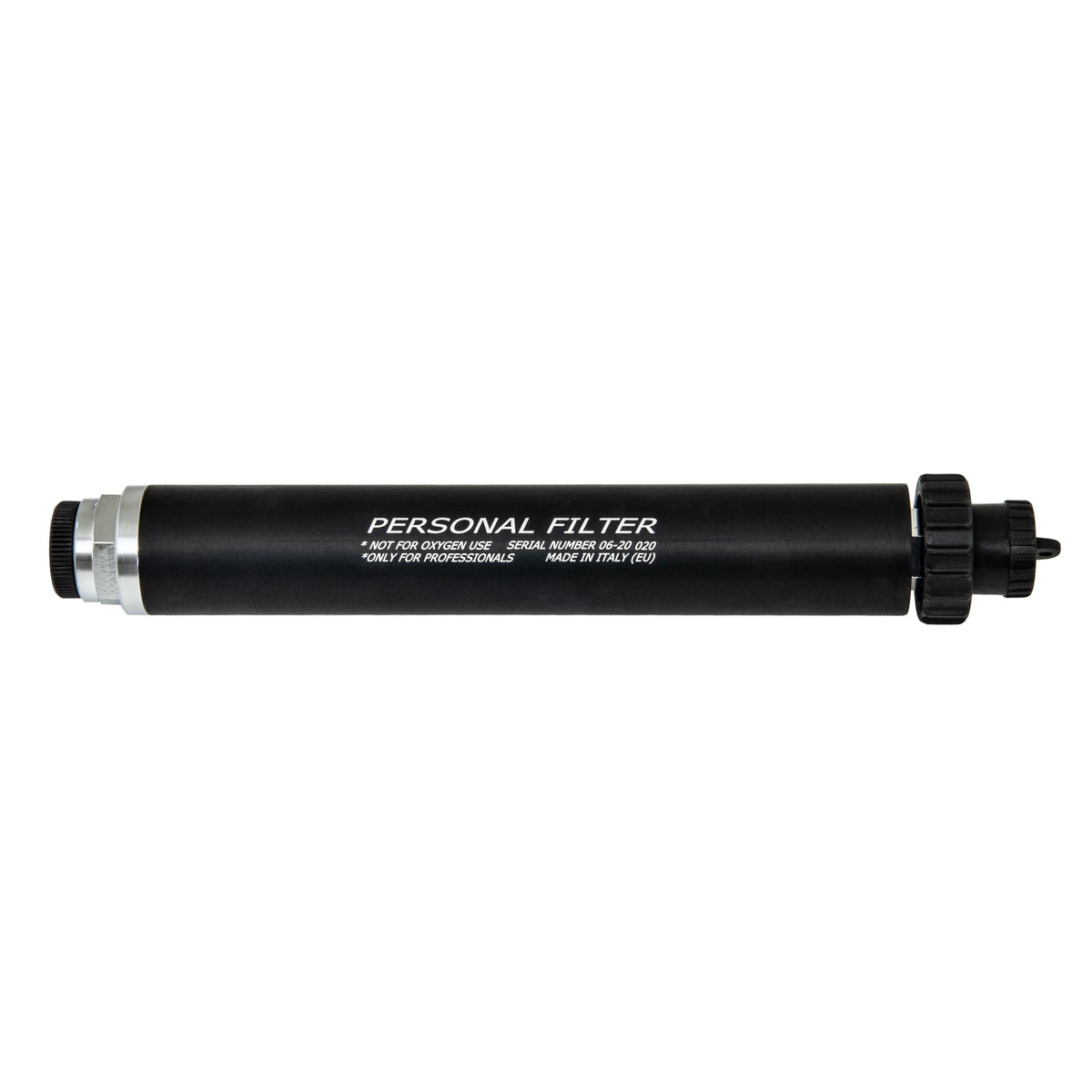


Activated Carbon for Personal Filter


2 L Aluminium Cylinder 200 bar


Twinset Tank Band Military Line


How to choose a scuba cylinder
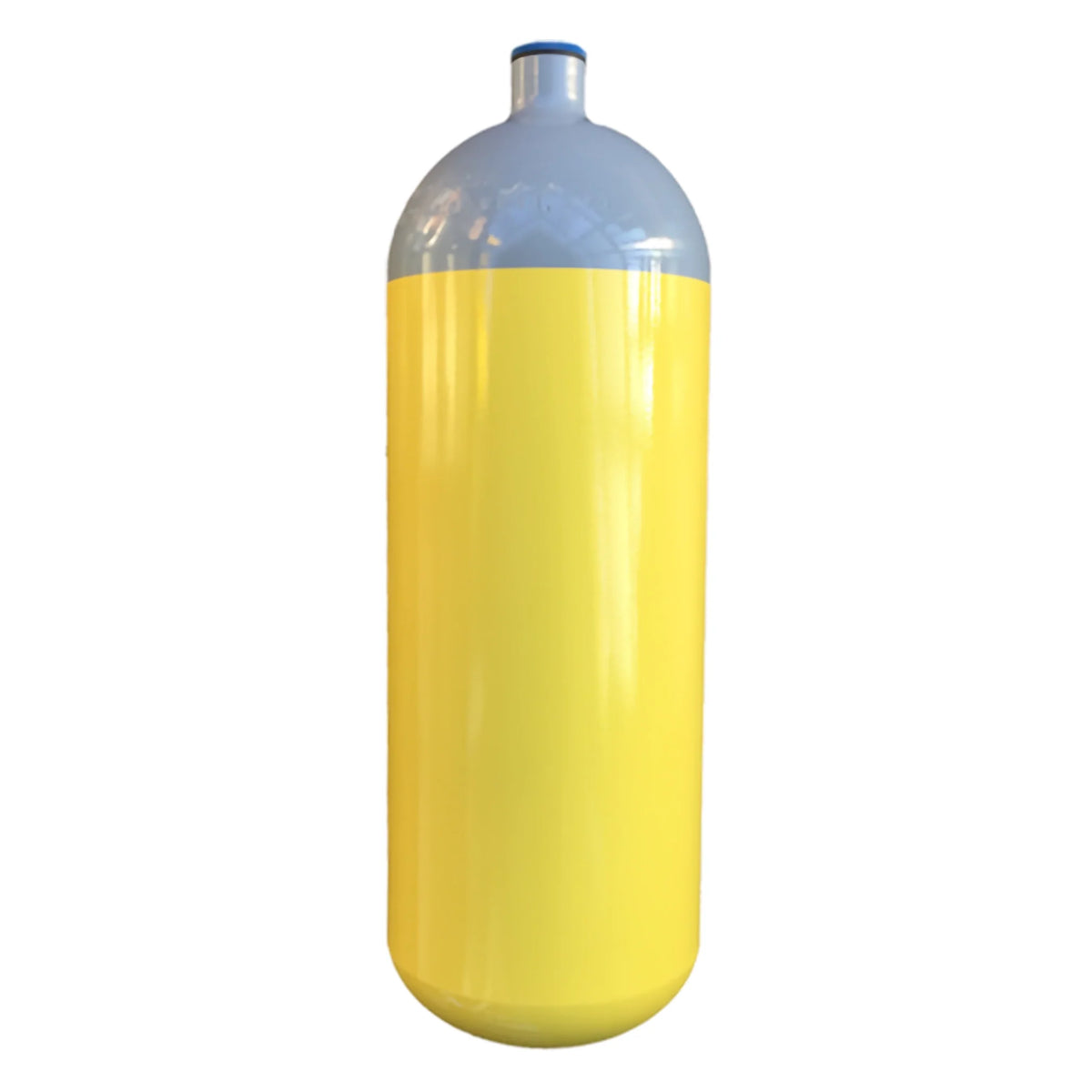
For most recreational divers, a 12 litre steel cylinder at 232 bar is the all-rounder. A 10 litre suits smaller divers, and a 15 litre suits bigger breathers and longer dives. Whatever you buy has to stay in test. SANS 10019 sets a visual inspection every 24 months and a hydrostatic test every four years, and a fill station refuses a cylinder outside either date. Our Faber steel cylinders run from about R6,000 to R8,000.
Size, material and pressure
- Steel or aluminium. Steel stays negatively buoyant as it empties, so you carry less lead; aluminium tends to turn buoyant near the end of the dive.
- 232 or 300 bar. A 300 bar cylinder carries more gas for its size, but it needs a DIN regulator and a fill station that fills to 300 bar.
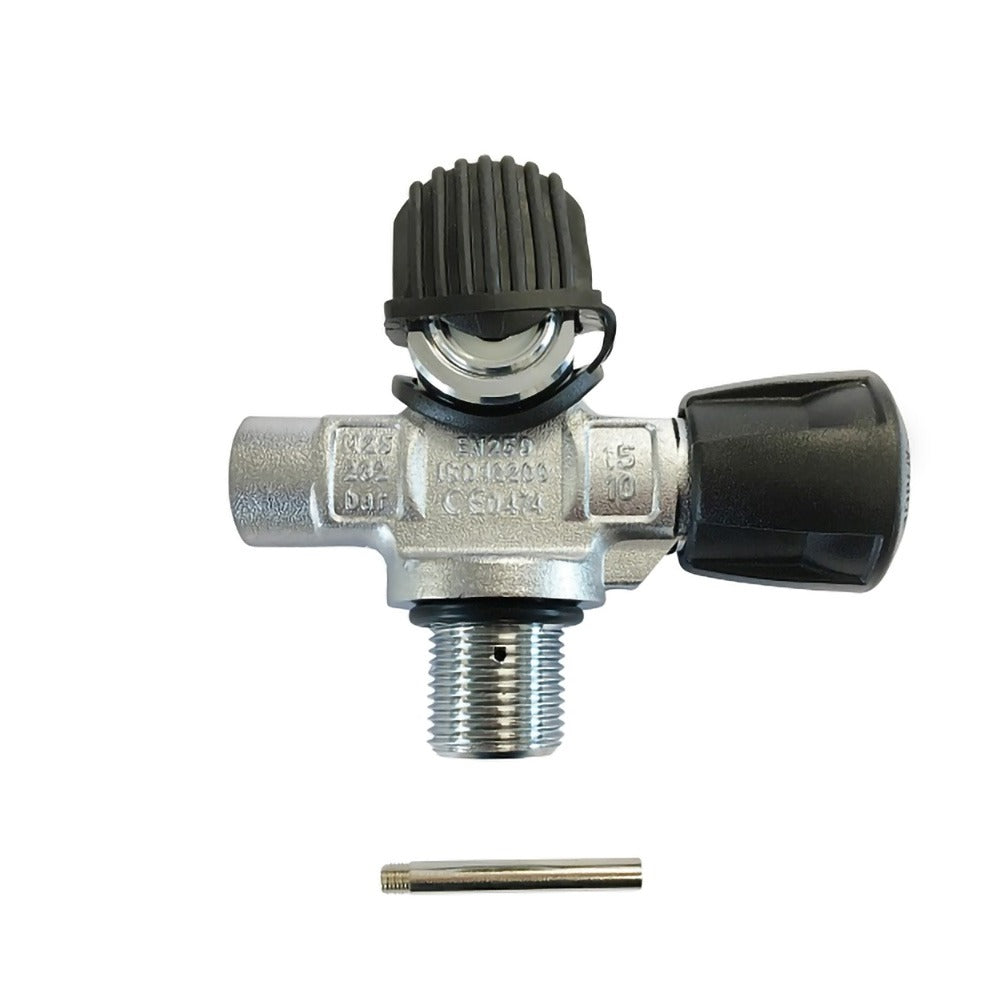
- Valves. A valve has to match the cylinder's neck thread and working pressure. Our valves include DIN and yoke convertible, left-hand and manifold options from Scubapro, Apeks, Aqualung, Tecline and San-O-Sub.
- Small cylinders. Pony and argon cylinders from 0.85 to 2 litres carry redundant gas or drysuit inflation, not your main supply.
Testing, nitrox and care
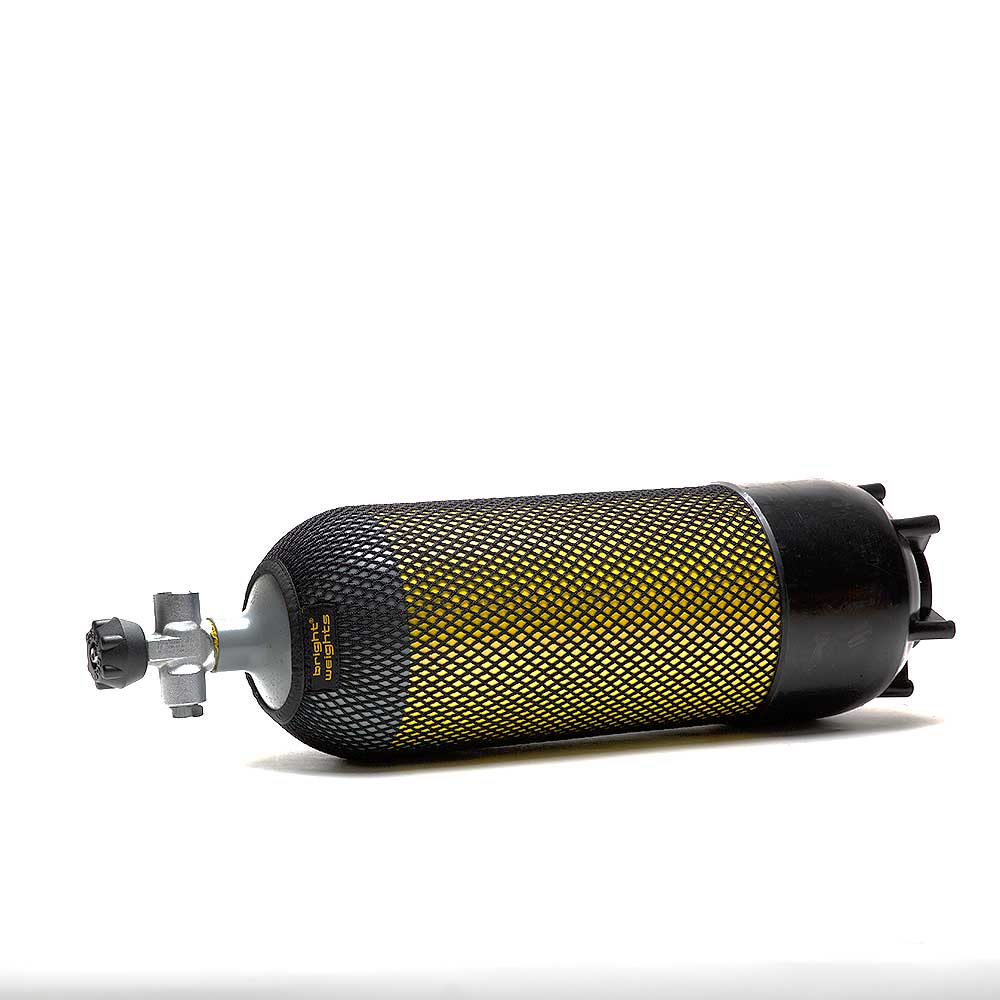
We book visual inspections and hydrostatic tests through the shop and send cylinders out to an accredited test station. A cylinder used for a breathing gas above 23.5 percent oxygen also has to be oxygen-cleaned, so say so when you book. Nets and boots protect the paint, but a boot traps salt water against the base, which is why it comes off at every inspection. Water inside does the real damage, so keep some pressure in a cylinder between fills and store it upright. The full rules are in our guide to cylinder testing in South Africa.
Questions we get asked
How often must a scuba cylinder be tested in South Africa?
SANS 10019 sets a visual inspection every 24 months and a hydrostatic test every four years. A cylinder whose condition gives cause for concern can be called in sooner.
Will a fill station fill an out-of-test cylinder?
No. DAN Southern Africa's guidance puts the onus on the filler to check that a cylinder isn't due for inspection or testing, so an out-of-date cylinder is refused rather than filled.
Is a steel or aluminium scuba cylinder better?
Steel tends to suit recreational divers because it stays negatively buoyant as it empties, which means less lead on the belt. Aluminium tends to turn buoyant when nearly empty, so it needs extra lead to hold a safety stop.
What size scuba cylinder should I buy?
A 12 litre suits most recreational divers. A 10 litre is lighter for smaller divers or shallow dives, and a 15 litre gives more gas to bigger breathers and longer dives.
Do nitrox cylinders need anything extra?
Yes. DAN's guidance is that a cylinder carrying a breathing gas above 23.5 percent oxygen has to be oxygen-cleaned, and cleaned again if oil or hydrocarbon contamination is suspected.