

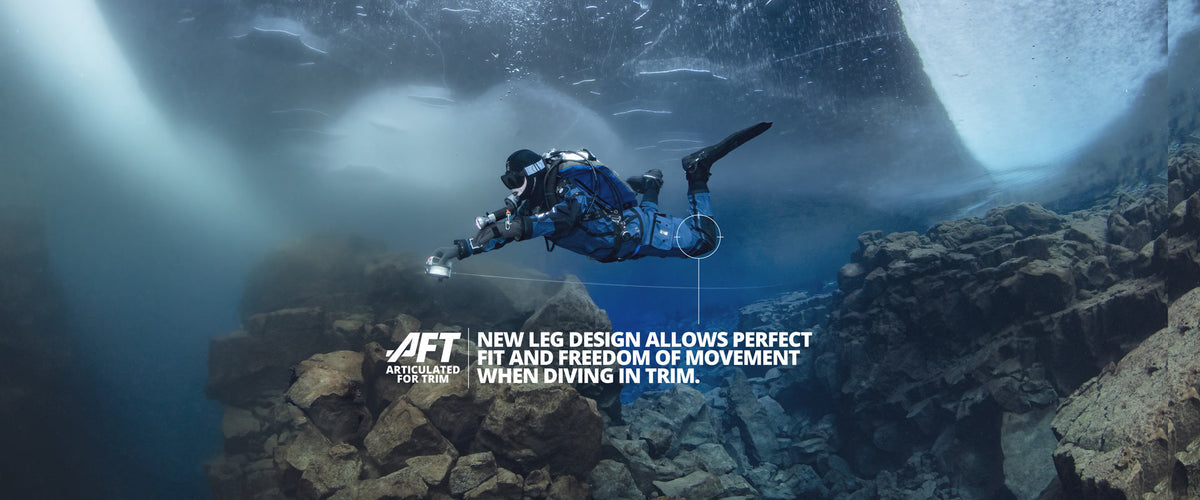
Argonaut 3.0 Drysuit - Made to Measure


About Scuba Drysuits
Drysuits that aren't on our shelf are special orders and ship in 5–7 working days; made-to-measure suits take longer. Seven drysuits from Apeks, Scubapro and Fourth Element, from the neoprene Scubapro Exodry to the made-to-measure Argonaut 3.0. A drysuit keeps you warm through the layers underneath it, so budget for undergarments and a Drysuit Diver course before the first cold dive.
How to choose a drysuit
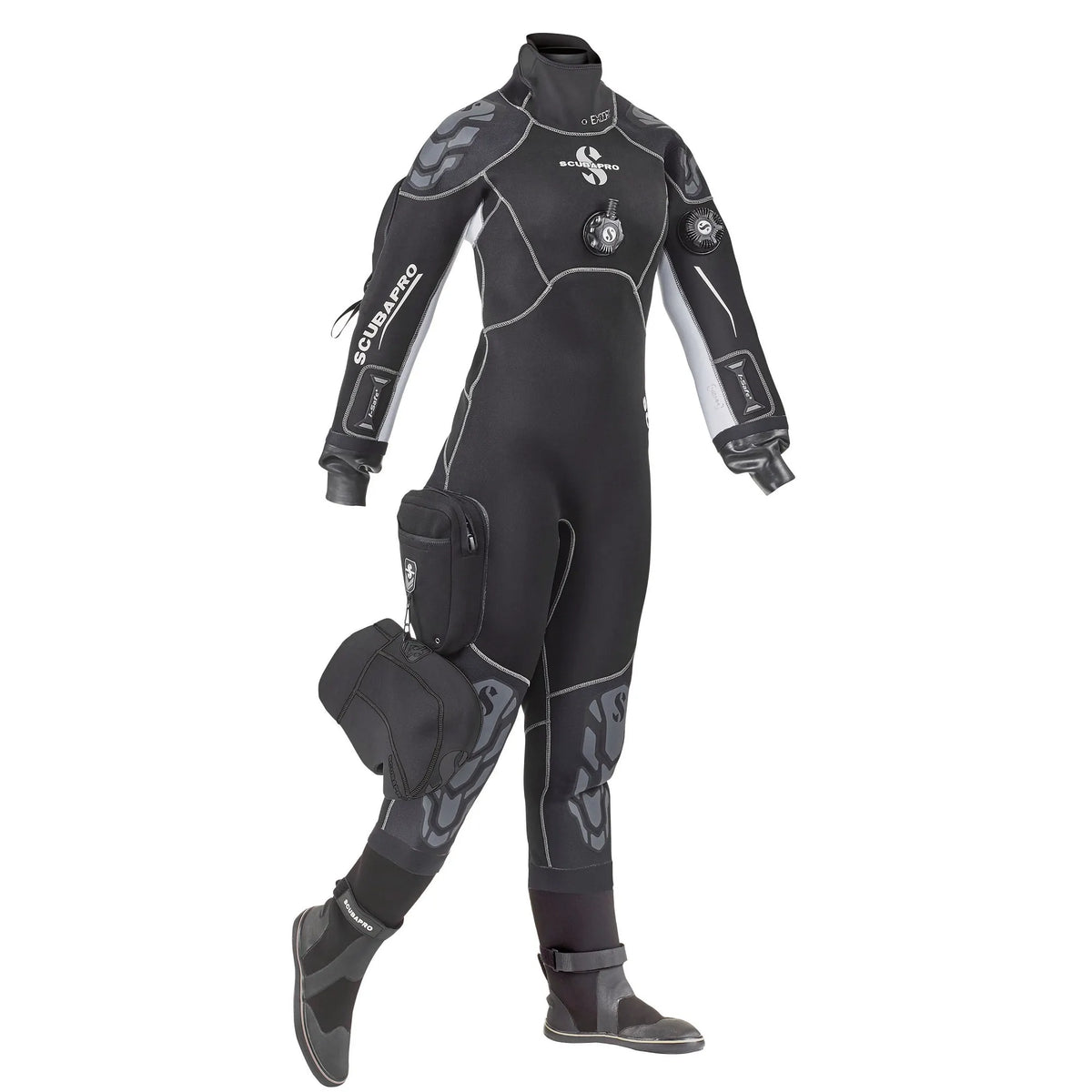
A drysuit keeps you dry and lets the layers underneath set your warmth. That makes it the suit for Cape water at about 12 to 18°C, and for long or repeated dives in cold quarries. Fourth Element's own guide moves divers into a drysuit below 18°C. The first choice is the shell, neoprene or membrane, and the second is how the suit is sized. The Scubapro Exodry costs about R32,400, and the made-to-measure Fourth Element Argonaut 3.0 is quoted after a fitting.
Neoprene, membrane or made to measure
- Neoprene. Shells such as the Scubapro Exodry insulate on their own, so they need a lighter undersuit. Neoprene still compresses with depth, though high-density neoprene compresses less.
- Membrane. A membrane shell adds no warmth by itself, so the undersuit does the insulating, and the suit is lighter to pack.
- Made to measure. The Argonaut 3.0 is built from measurements taken at the shop in Glenvista, in a choice of three shell fabrics.
Seals, layers and training
Latex seals grip well but perish with age, so they're a service item, and the Exodry uses them at the neck and wrists. Silicone seals on a ring system, an option on the Argonaut 3.0, can be changed at the dive site. Choose undergarments for the coldest water you'll dive and try the suit on over them, with a neoprene hood on top. A drysuit adds an air space you control with an inflator and a dump valve, so the Dry Suit Diver course comes before the first cold dive. You take it in your own suit.
Questions we get asked
Do I need a drysuit to dive in South Africa?
Not for most Sodwana diving. In the Western and Southern Cape, where water runs about 12 to 18°C, many divers move to one, and Fourth Element's guide puts the switch below 18°C.
Do I need a course to dive in a drysuit?
Yes. A drysuit behaves differently from a wetsuit because you add and vent air as depth changes, and the PADI Dry Suit Diver course teaches that control in your own suit.
Do I still need a BCD with a drysuit?
Yes. The drysuit's air is for warmth and to stop squeeze, while the BCD carries your buoyancy, including at the surface.
What do I wear under a drysuit?
An undersuit chosen for the water, from a base layer in milder conditions to a thick one-piece in Cape winter water. Try the drysuit on over it, because the layers change the fit and your weighting.
Are latex or silicone drysuit seals better?
Latex seals grip well and are cheap to replace, but they perish over time. Silicone seals last longer, and on a ring system you can swap a torn one yourself at the dive site.