

Dive Guides
Everything we've written down so it doesn't have to be repeated poolside: why the water behaves the way it does, how to stay out of trouble, what to buy and what you're looking at. Newest first. Pick a guide to narrow it down.
Latest
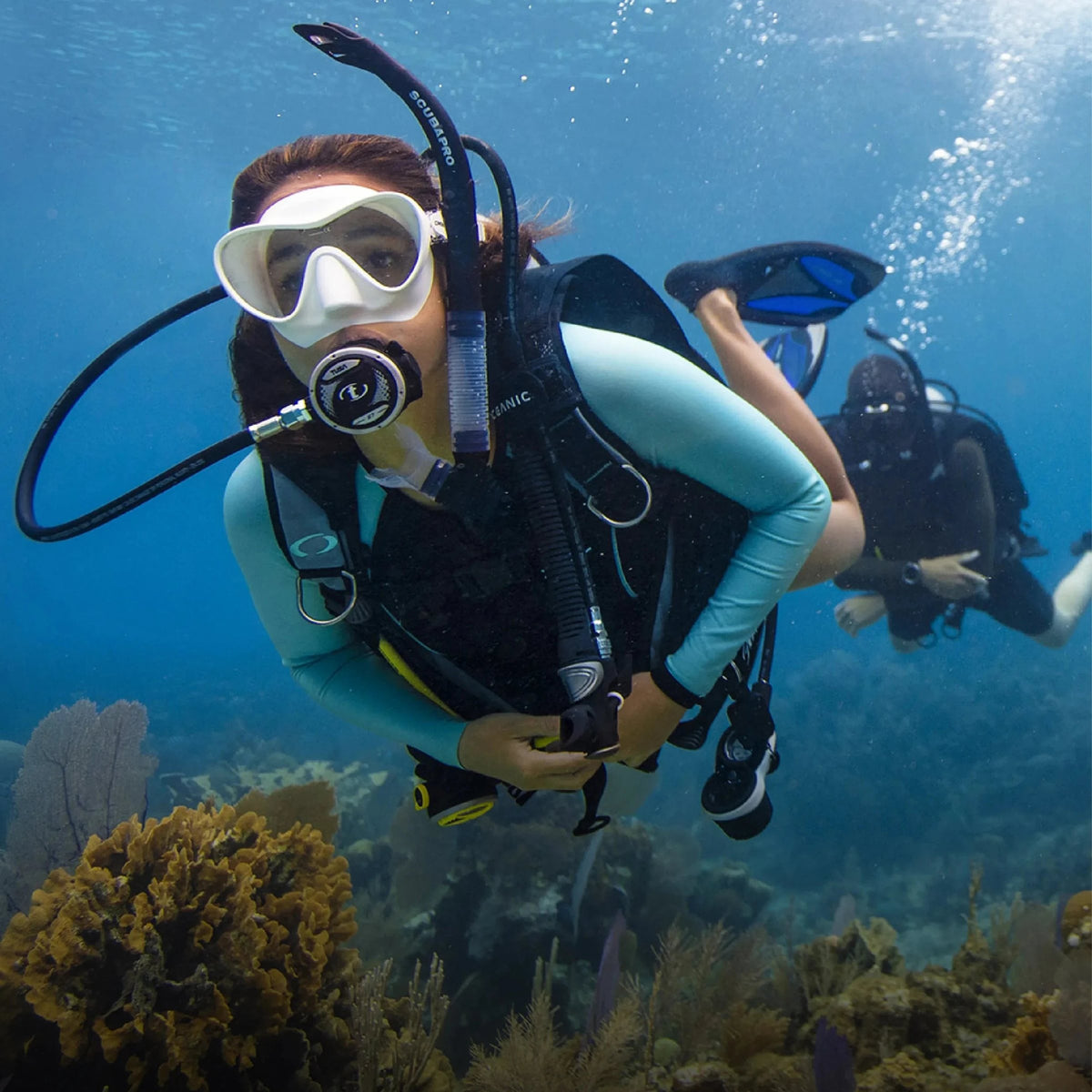
Learning to Dive in Joburg
What It Costs
Diving Hungover
What Alcohol Leaves Behind
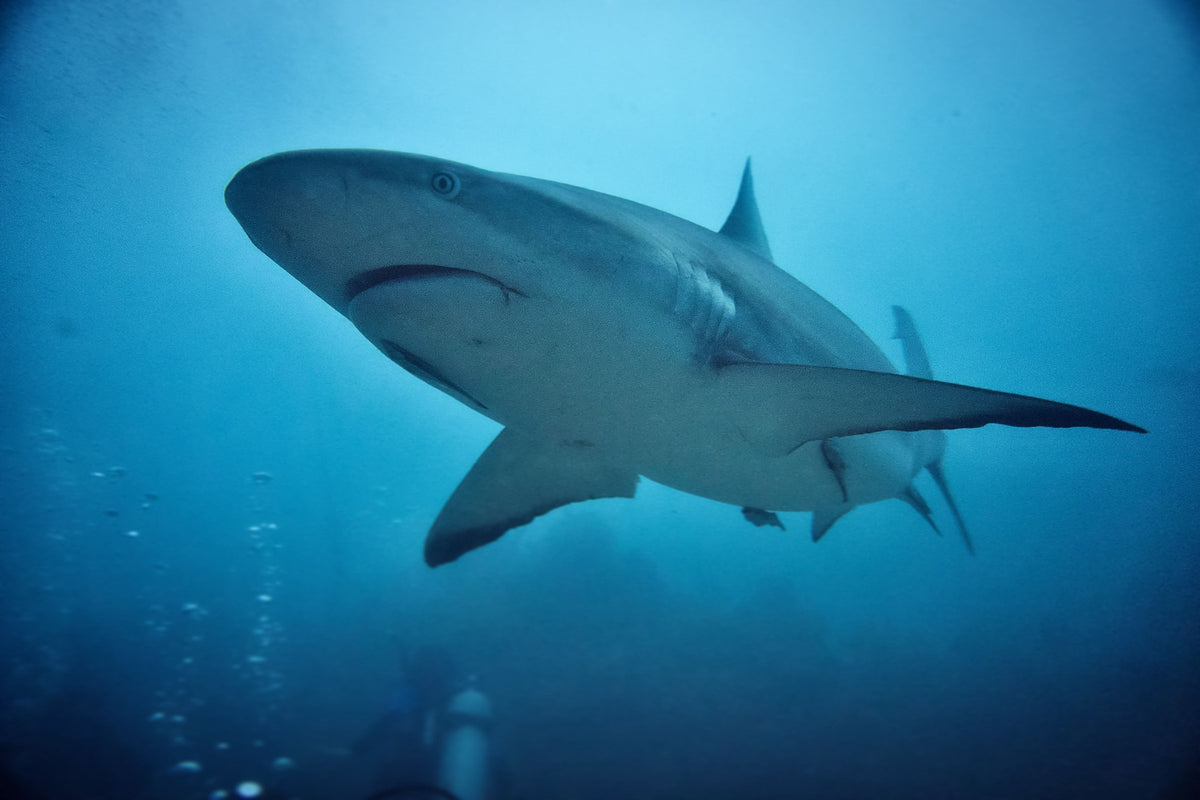
Sharks and Periods
What the Bite Files Show
Learn to Dive
All Learn to DiveLearning to dive starts in a pool, with an instructor and no assumption you've done this before.
Fit Enough to Dive
What It Asks of You
Too Old to Dive
What the Numbers Say

Panic Underwater
What Stops It
Depth Limits
18, 30 or 40 Metres
Dive Science
All Dive ScienceWater bends light, swallows colour and carries sound too fast to place.
Peeing in a Wetsuit
The Reflex You Can't Train
Wrecked After Two Dives
Where Tiredness Starts
Air Gone First
Why You Surface Before Everyone
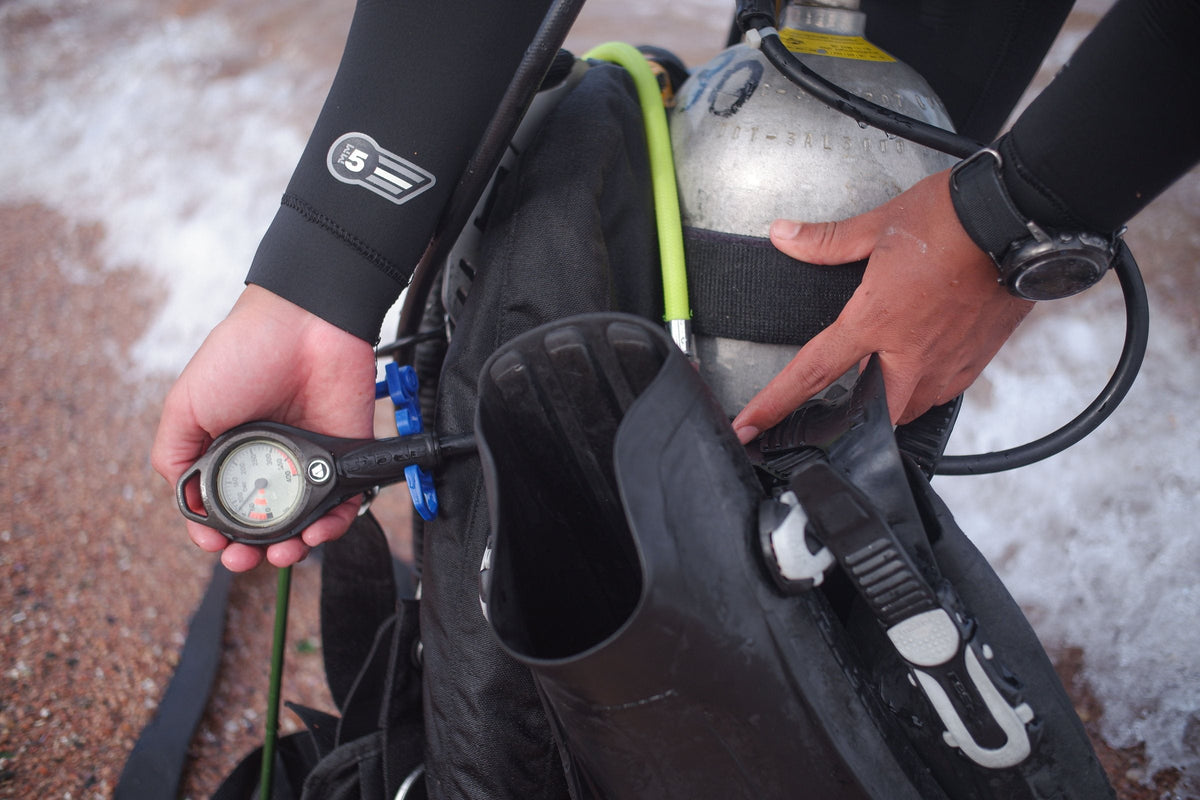
How Long a Tank Lasts
Work Out Your Number
Medical & Safety
All Medical & SafetyDiving's rules exist because somebody learned them the hard way.
Seasick on the Boat
What to Do Before and Below
Blocked Ears After a Dive
When to Worry

High Blood Pressure and Diving
What Gets Asked

Diving With a Cold
When a Blocked Nose Says No
Mask Fog
Why Toothpaste Beats a Lighter
Too Much Lead
Why You Float Off the Safety Stop
Diving in Glasses or Contacts
Three Options
Cylinder Testing in SA
Visual, Hydro and SANS
 Gear Builder
Computer Builder
Pick a computer, then the transmitter or strap that fits it.
Marine Life
All Marine LifeYou'll spend most of your dives looking at animals that don't care you're there.
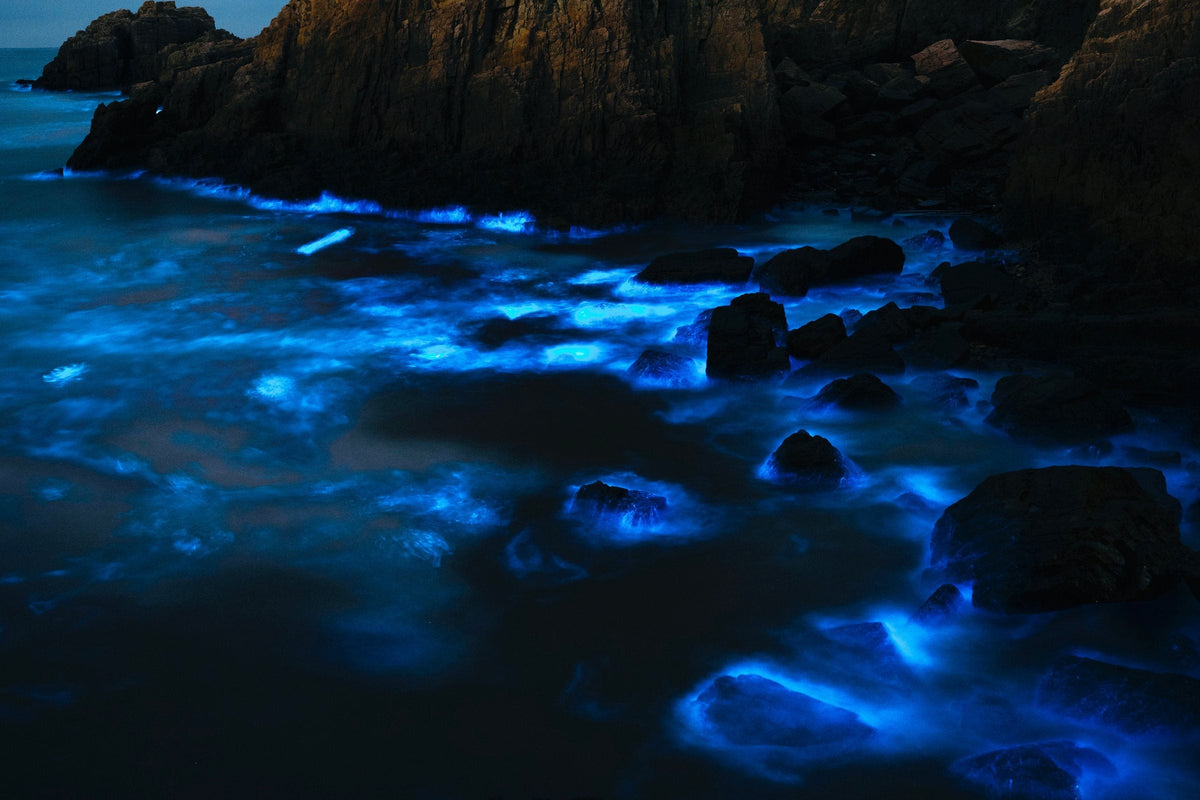
Bioluminescence
Why the Ocean Glows at Night
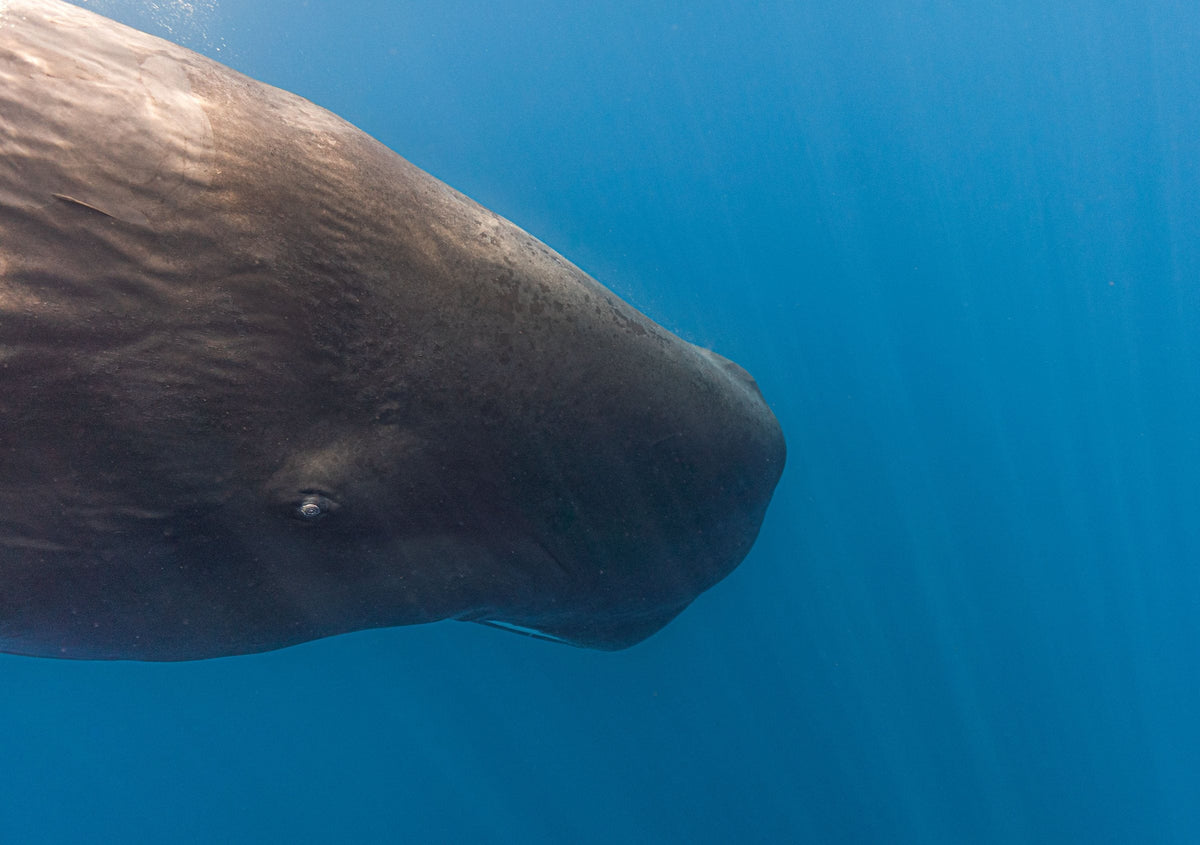
Deep-Diving Whales
Inside a 222-Minute Dive
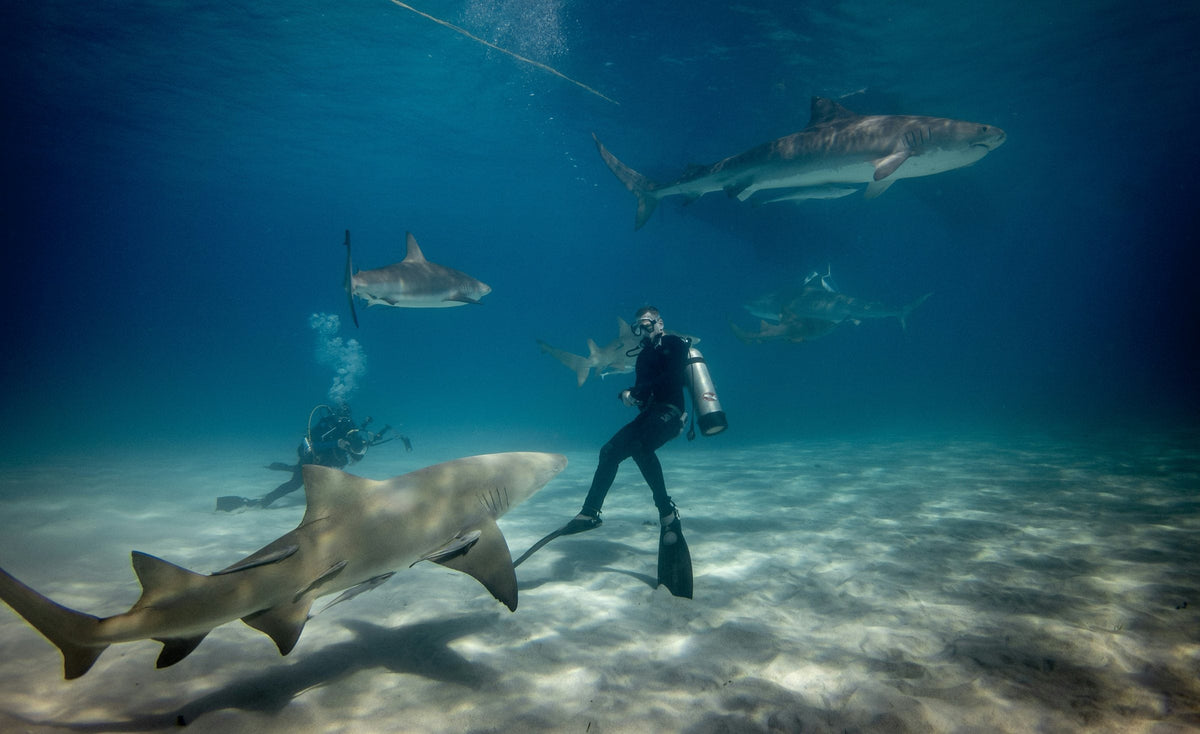
Shark Bites on Divers
What the Records Show
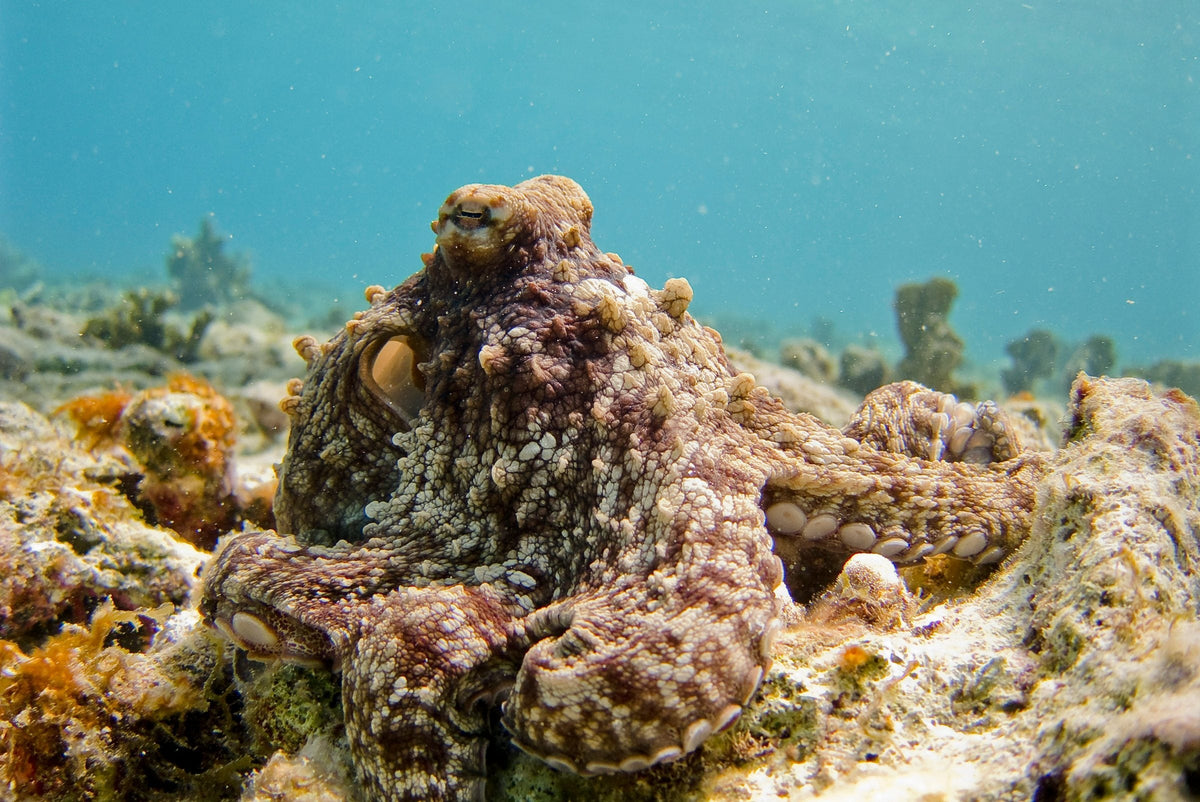
Octopus Camouflage
Colour Without Colour Vision
Quickest reads first
Nothing in the guides mentions that
Try a shorter word, or a topic such as ears, nitrox or sharks.
Learning to Dive in Joburg
What It Costs
Diving Hungover
What Alcohol Leaves Behind
Sharks and Periods
What the Bite Files Show
Blocked Ears After a Dive
When to Worry
Seasick on the Boat
What to Do Before and Below
Peeing in a Wetsuit
The Reflex You Can't Train
Too Much Lead
Why You Float Off the Safety Stop
Mask Fog
Why Toothpaste Beats a Lighter
Air Gone First
Why You Surface Before Everyone
Wrecked After Two Dives
Where Tiredness Starts

Panic Underwater
What Stops It
Too Old to Dive
What the Numbers Say
Fit Enough to Dive
What It Asks of You
High Blood Pressure and Diving
What Gets Asked
Diving in Glasses or Contacts
Three Options
Cylinder Testing in SA
Visual, Hydro and SANS
How Long a Tank Lasts
Work Out Your Number
Depth Limits
18, 30 or 40 Metres
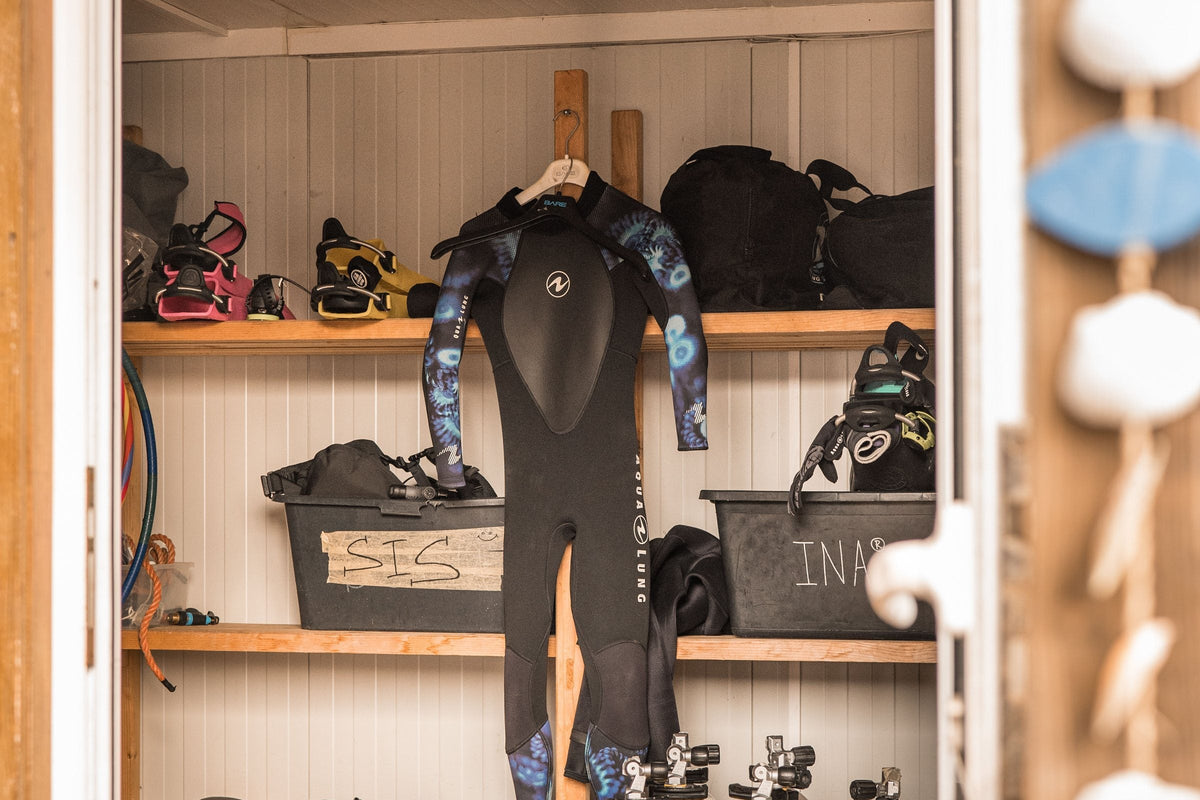
PADI Card Expiry
What Lapses Instead
Diving With a Cold
When a Blocked Nose Says No
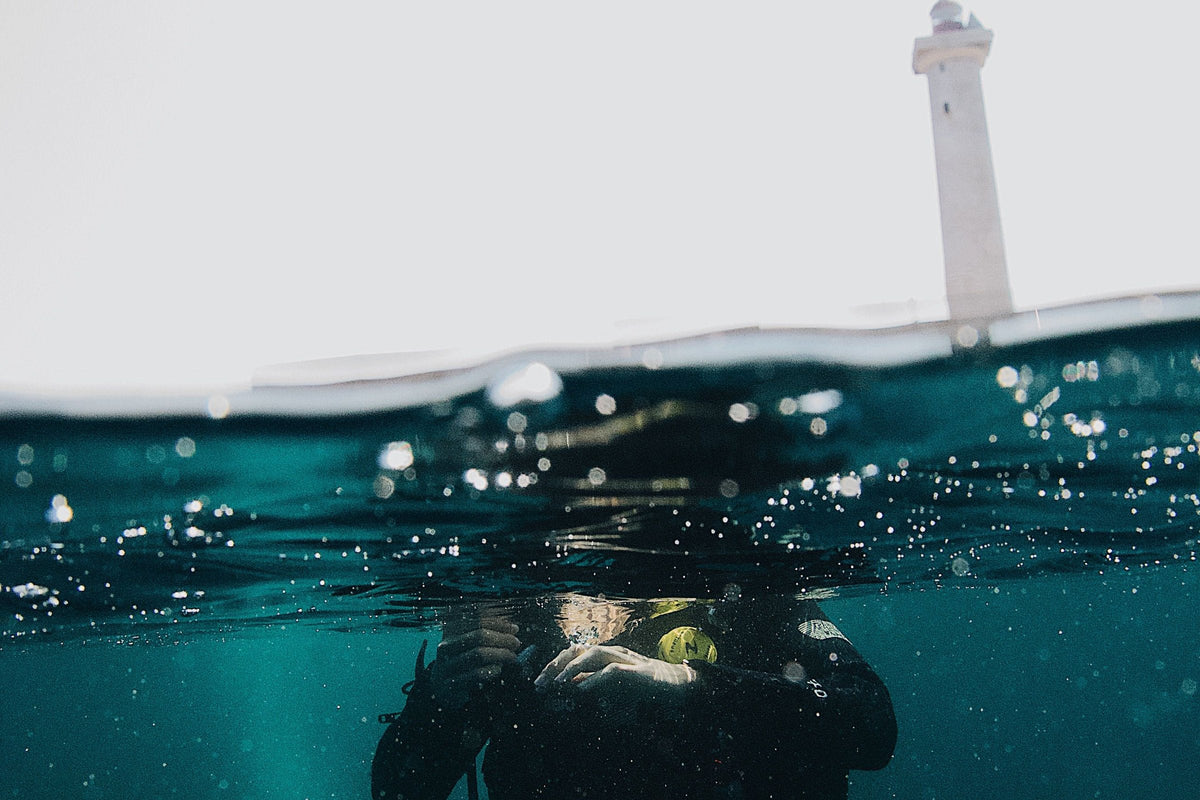
The Dive Medical Form
What a 'Yes' Means

Scuba Without Certification
How Far Can You Go?
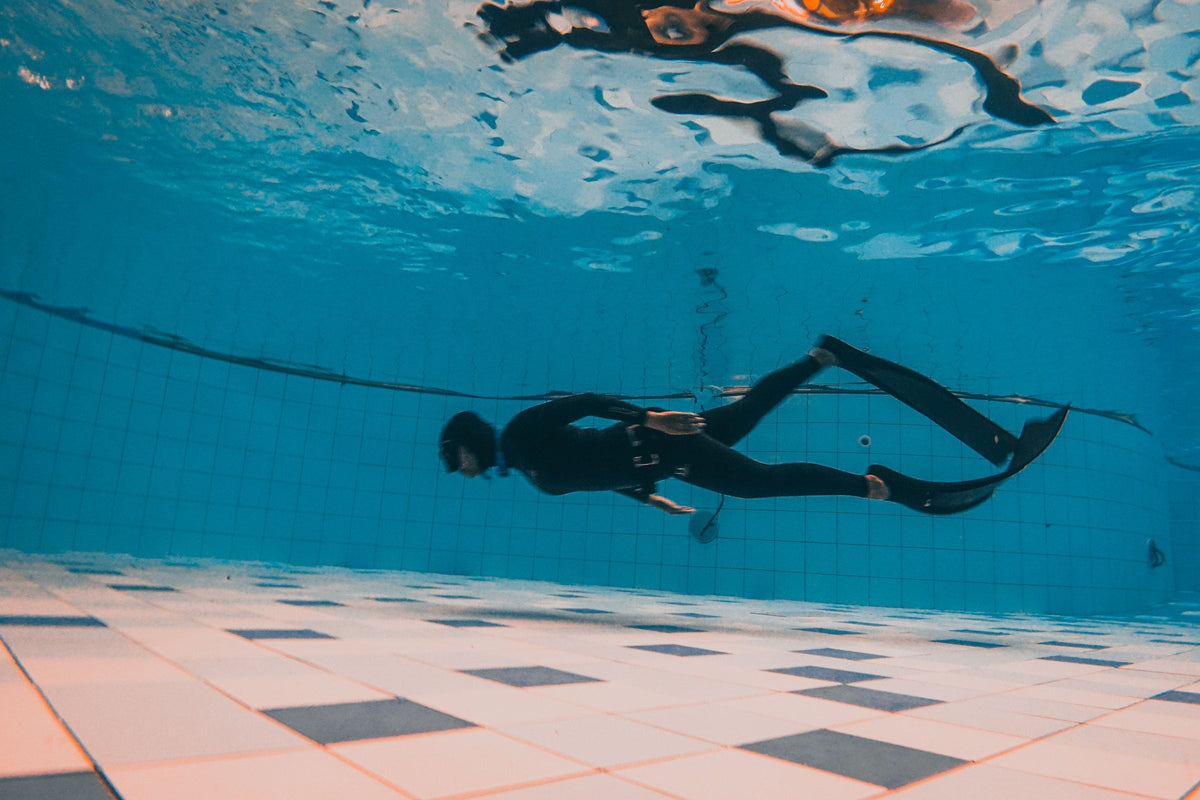
Diving If You Can't Swim
What's Required
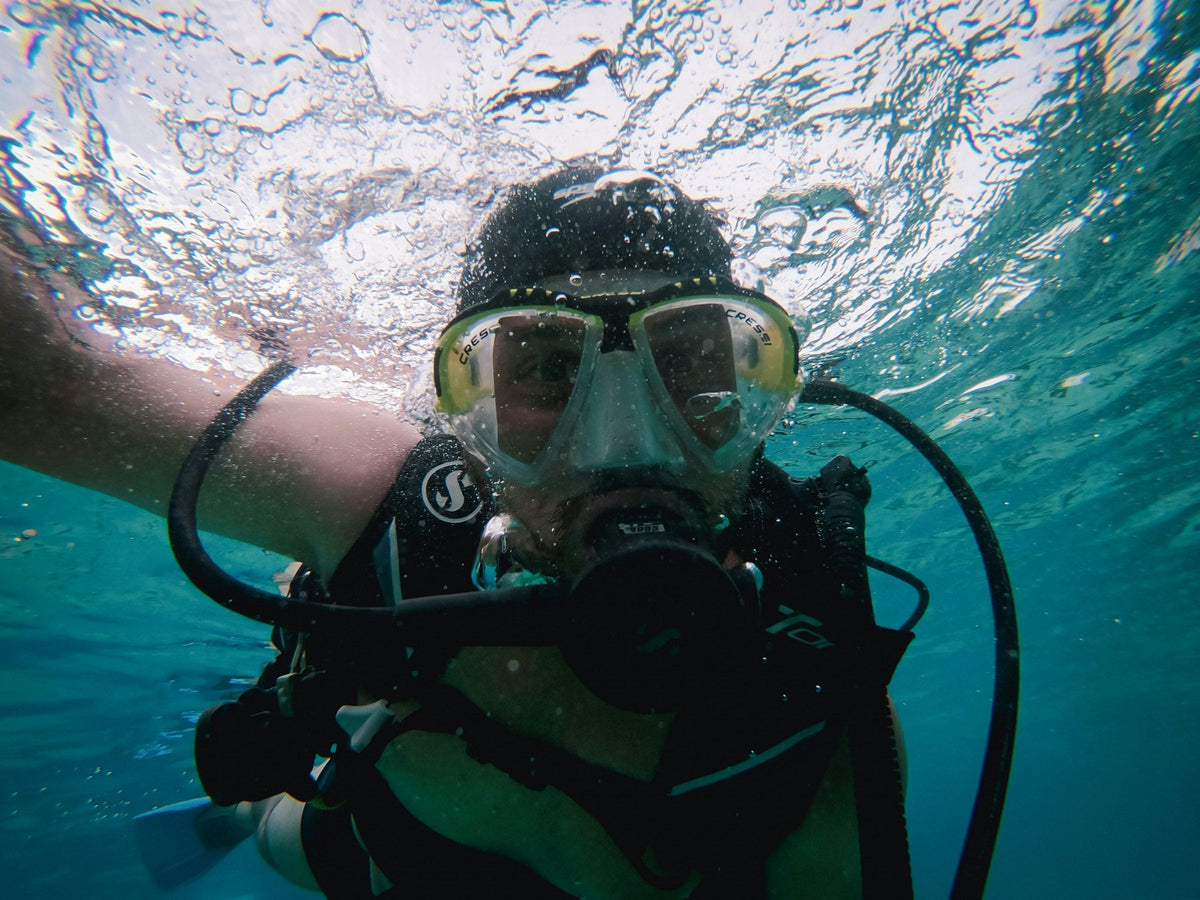
Scuba With Asthma
Control Counts, Not the Label
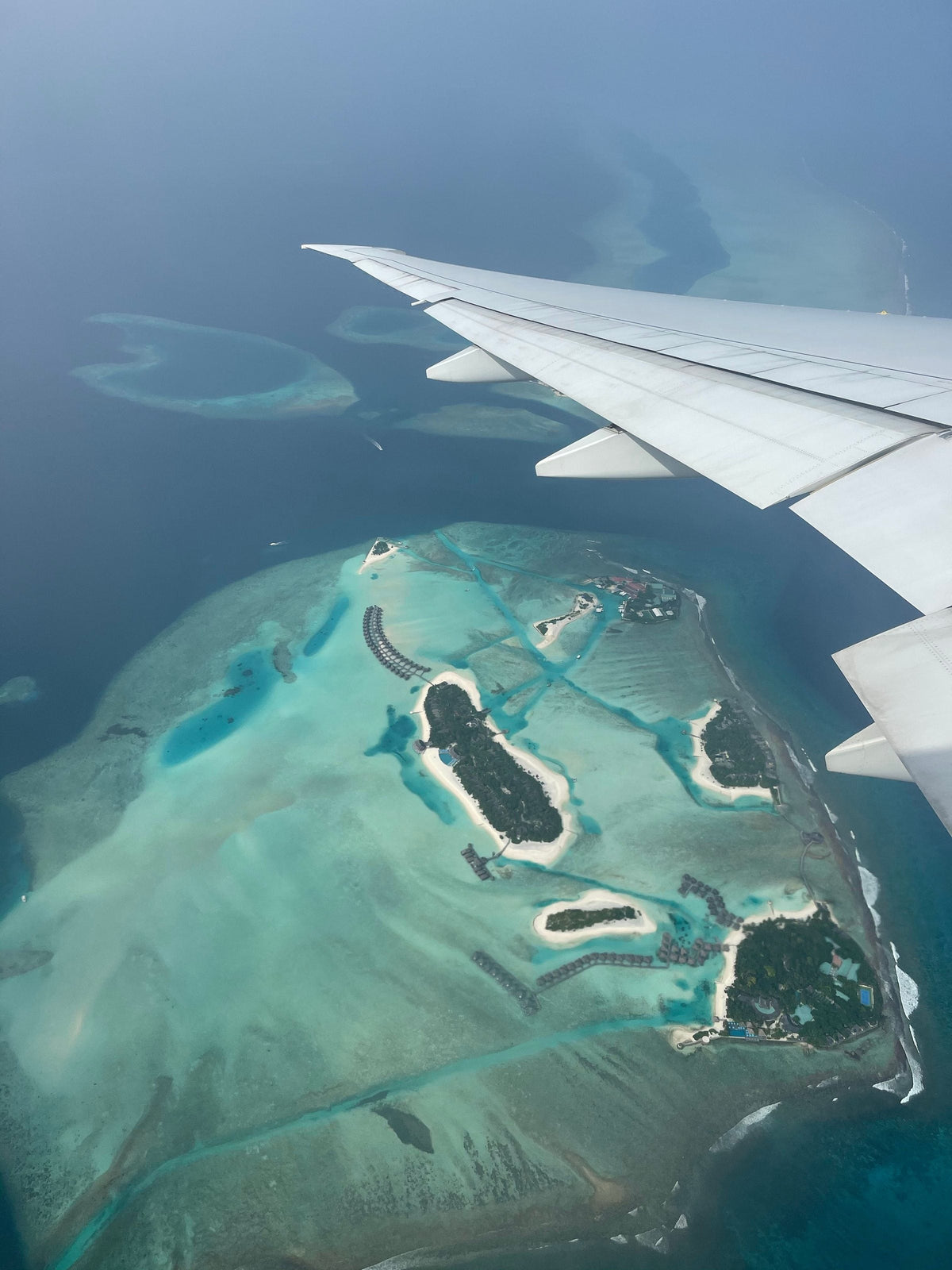
Flying After Diving
12, 18 or 24 Hours?
Bioluminescence
Why the Ocean Glows at Night
Deep-Diving Whales
Inside a 222-Minute Dive
Shark Bites on Divers
What the Records Show
Octopus Camouflage
Colour Without Colour Vision
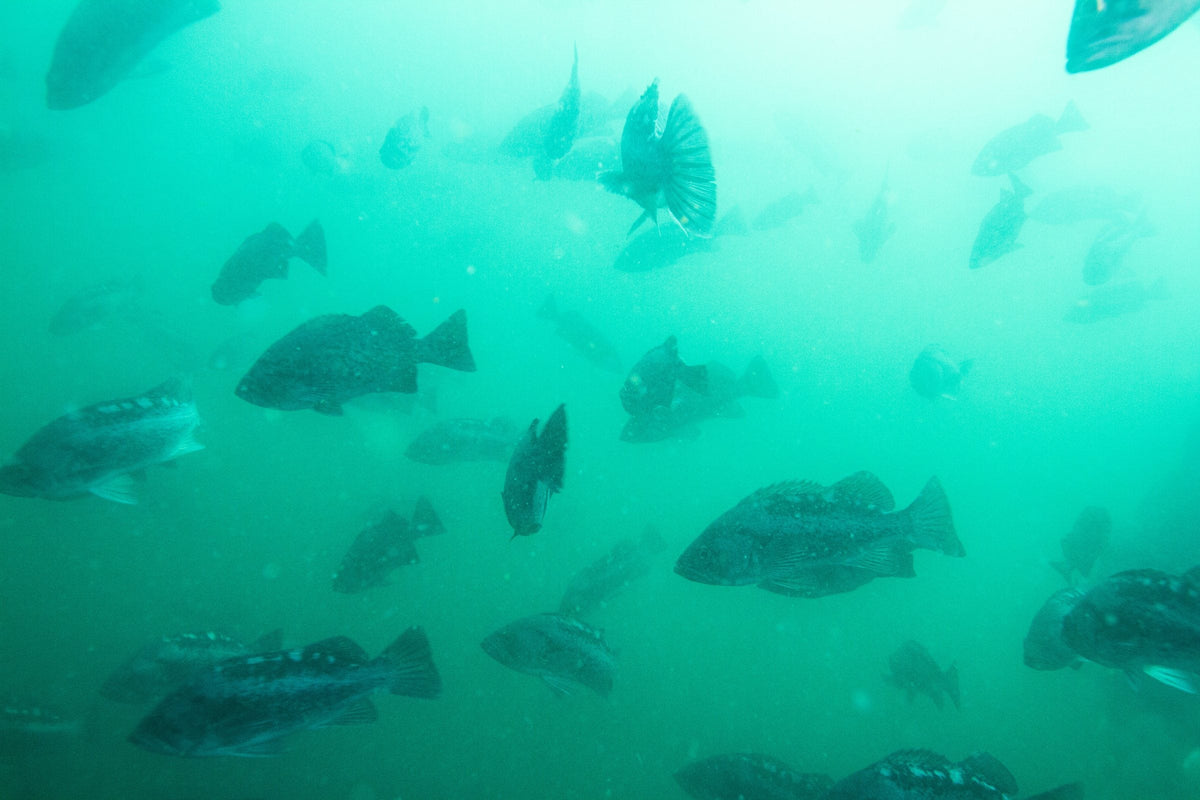
Fish and the Bends
What a Fast Ascent Does
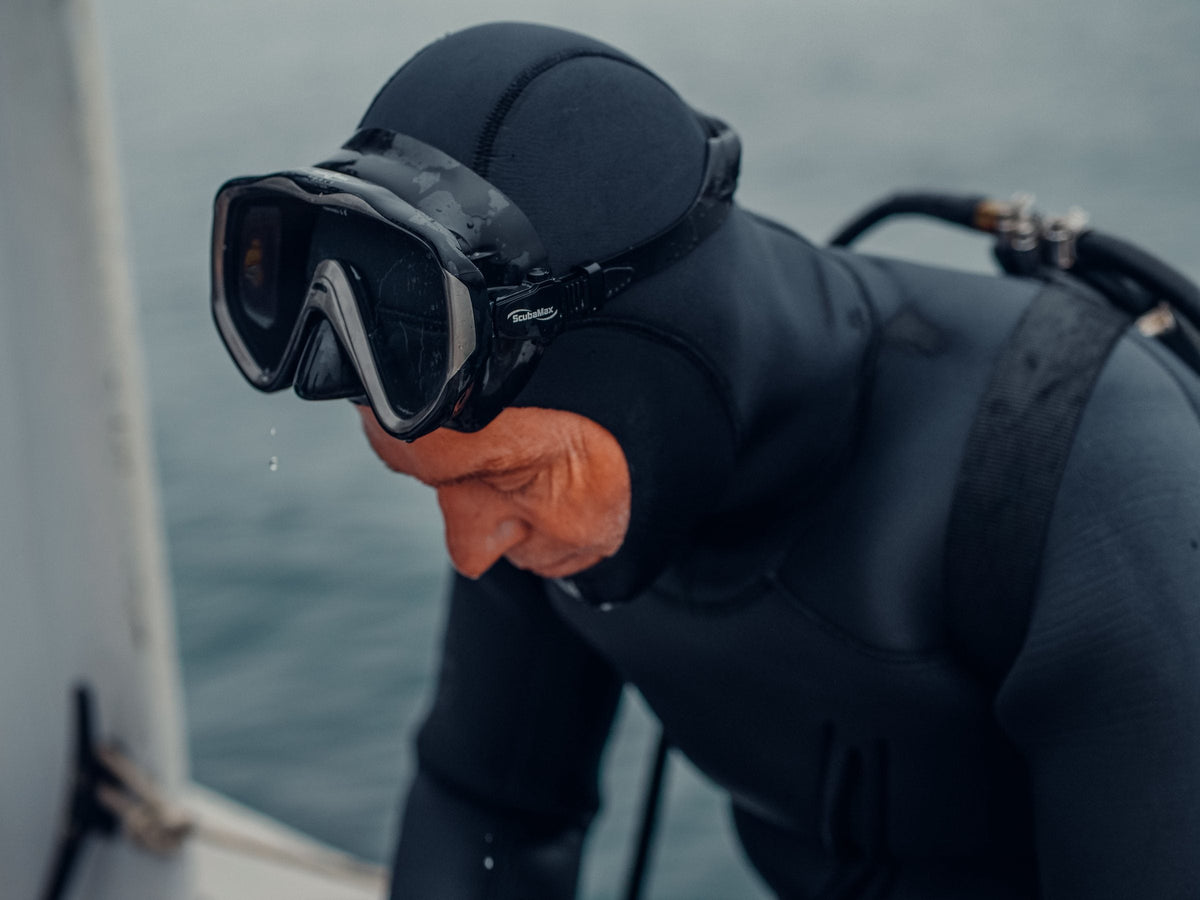
Heat Loss Underwater
Why 24°C Feels Cold
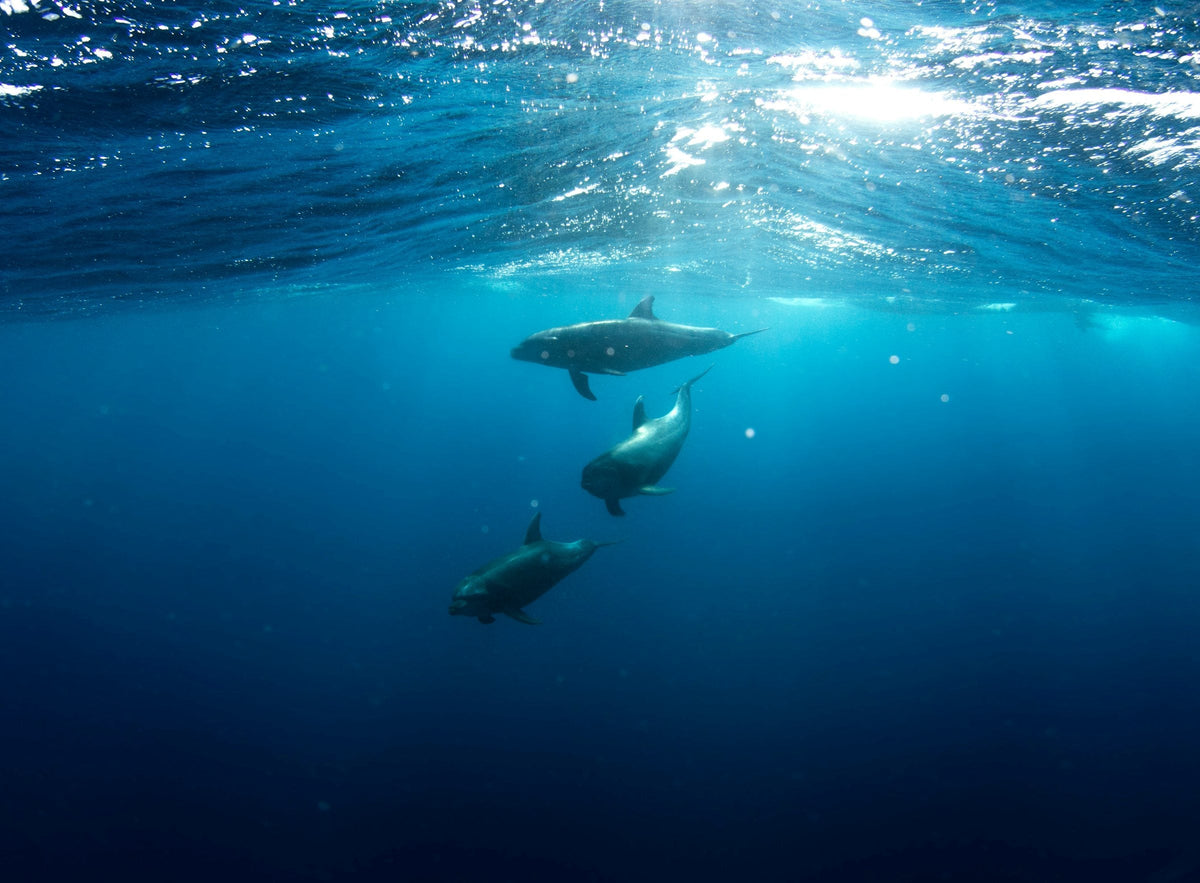
Sound Underwater
Why Direction Disappears
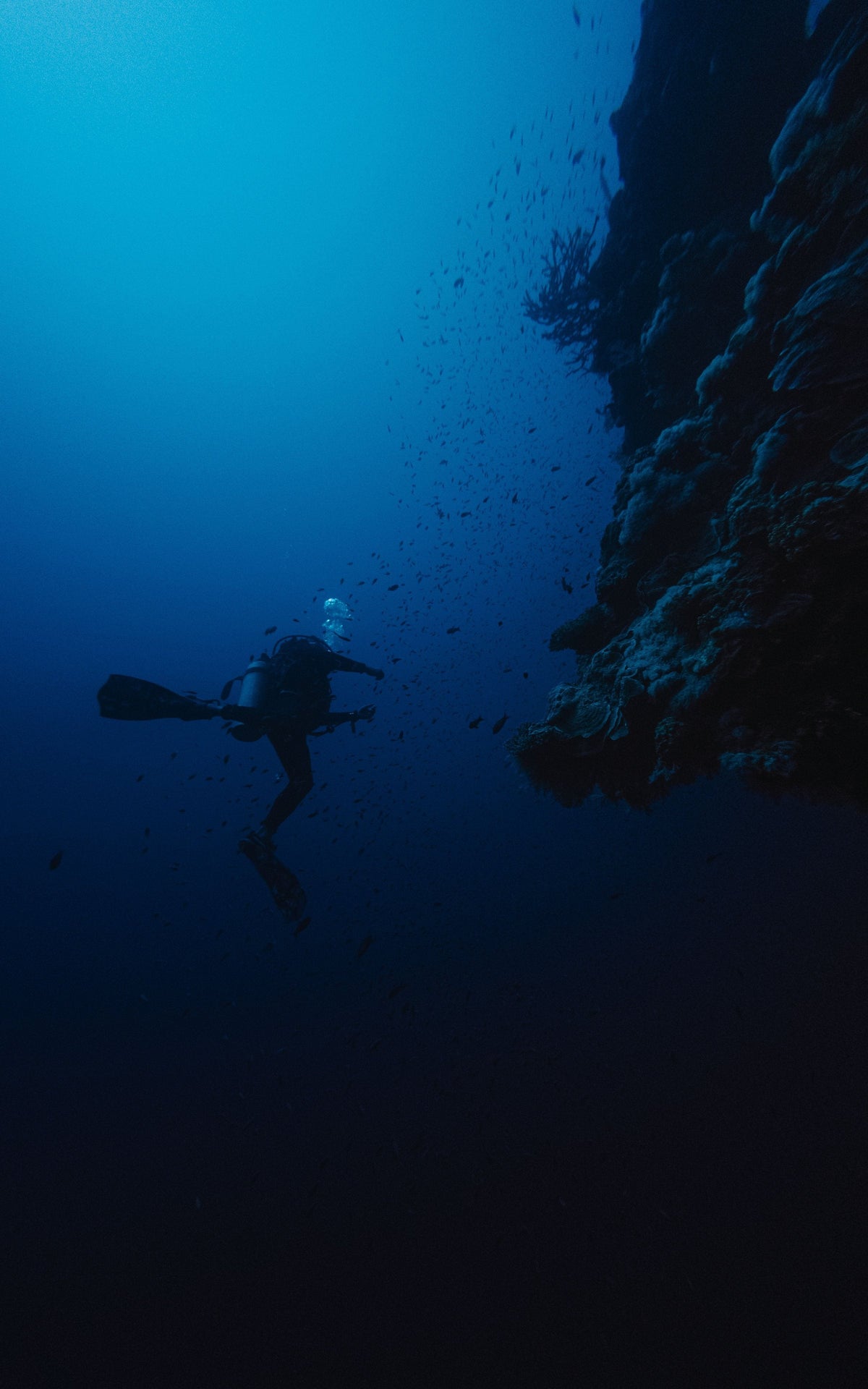
Underwater Colour
Why Red Goes First
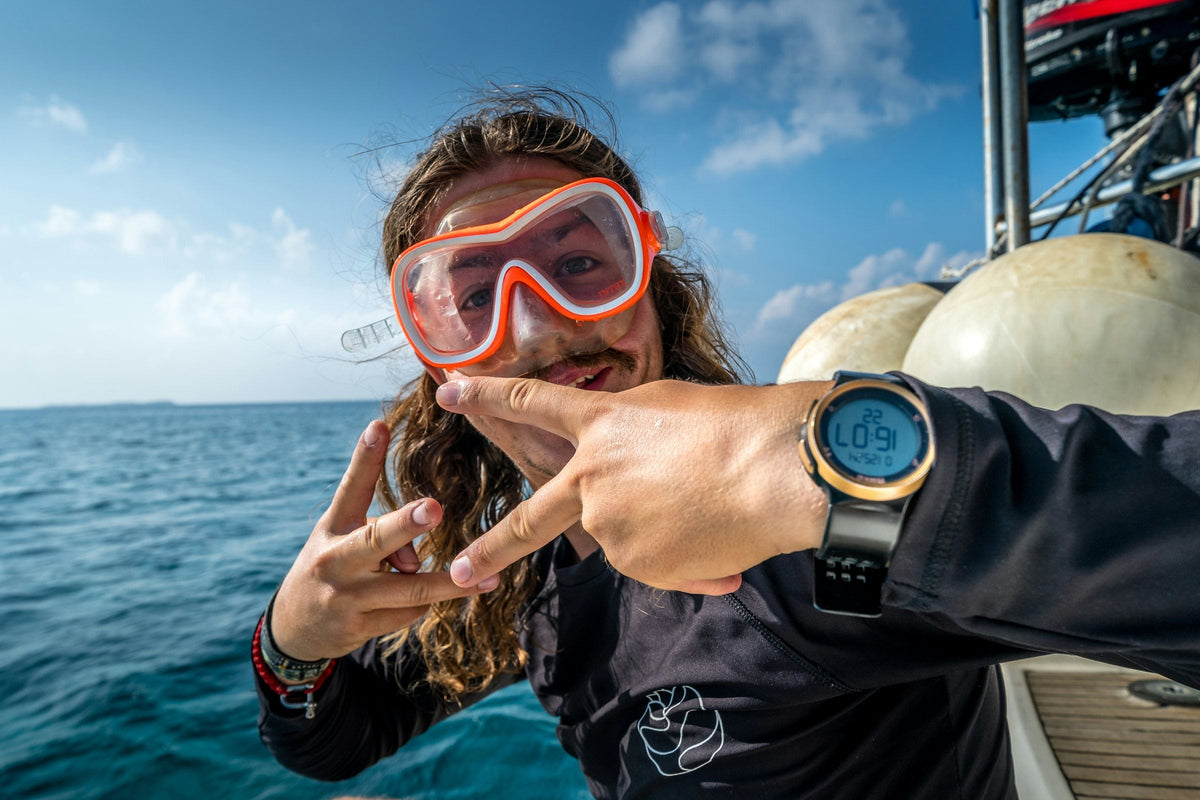
Biometric Dive Computers
What the Data Does
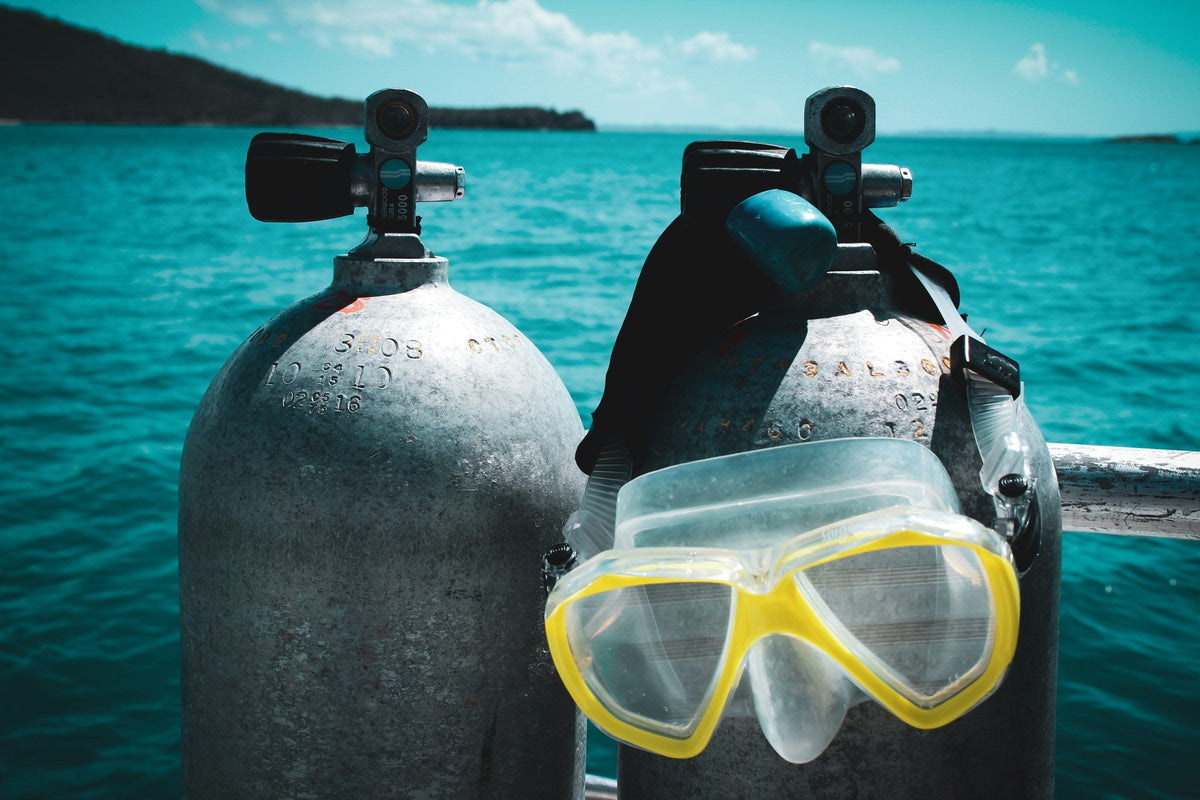
The Oxygen Tank Myth
Why Divers Breathe Air
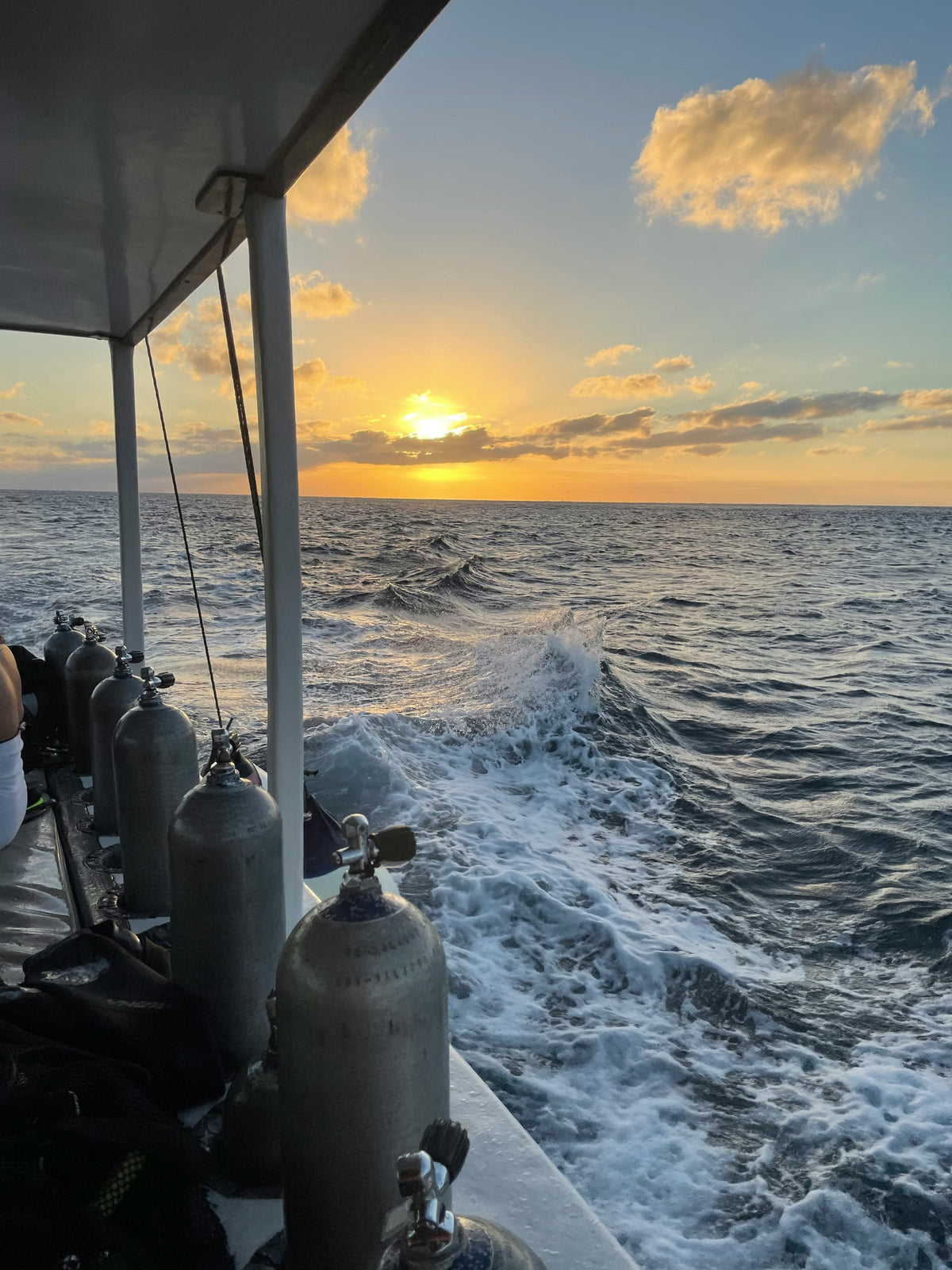
Nitrox
More Bottom Time, Less Depth

Altitude Diving
Why Joburg Changes Your Limits
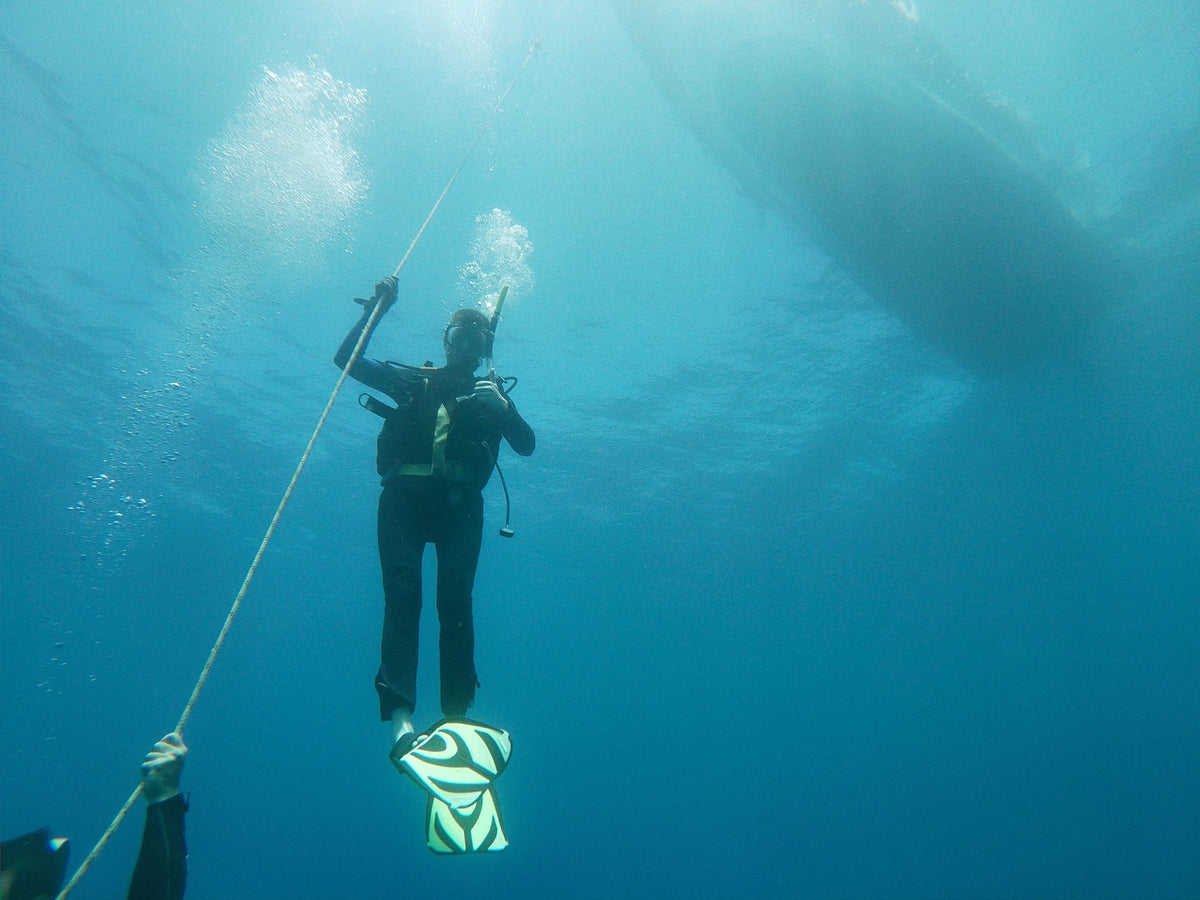
Decompression Sickness
How the Bends Happens
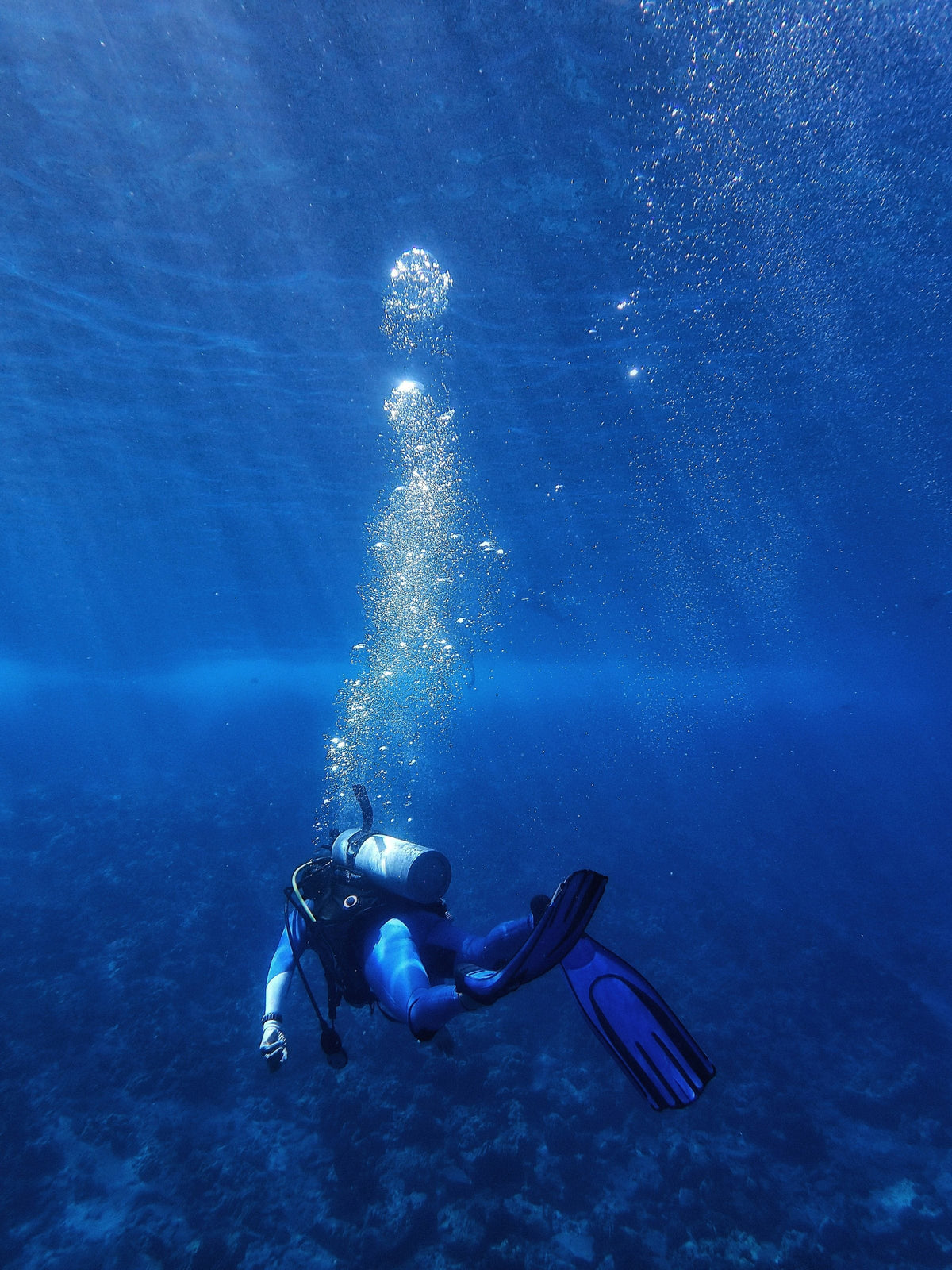
Breath-Holding on Scuba
Why a Metre Is Enough
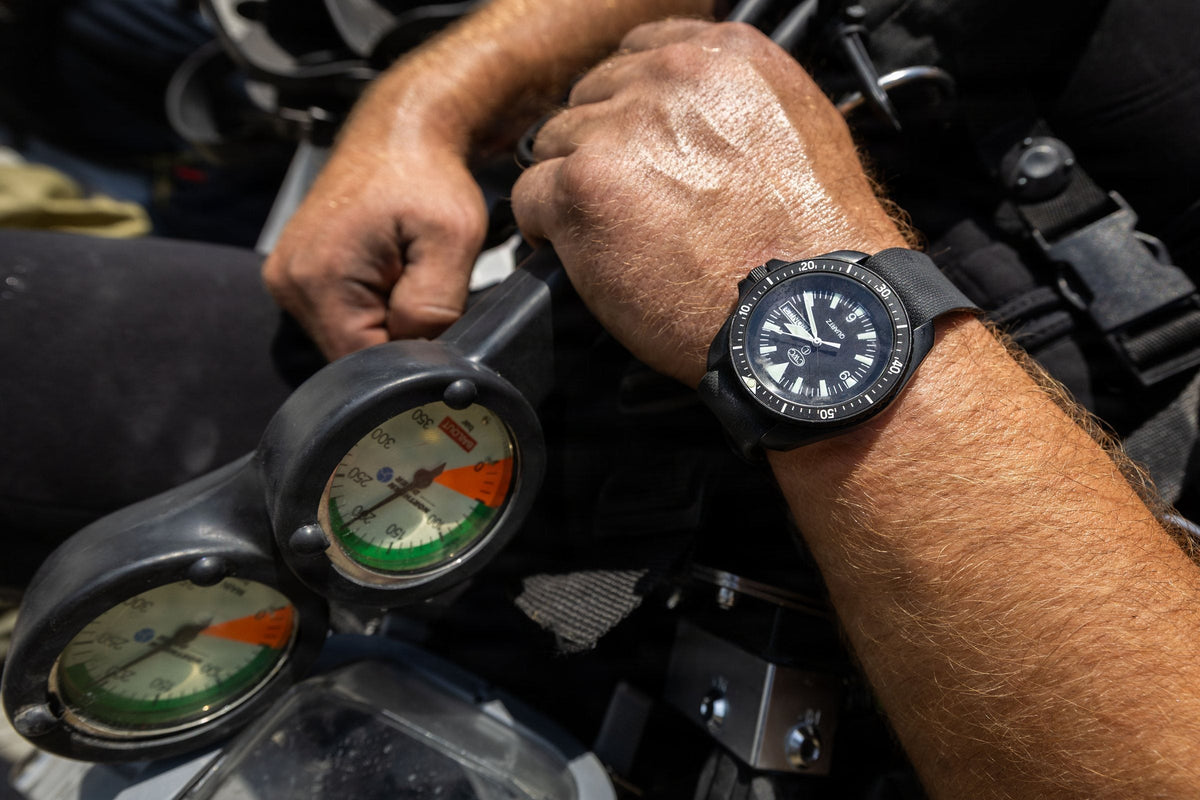
Dive Computer Algorithms
Settings Beat Price
Underwater Vision
Bigger, Closer, Then Farther

Nitrogen Narcosis
Why Depth Feels Like a Martini
Equalising Your Ears
Why the Shallows Hurt Most