











About Marine Safety & Lifejackets
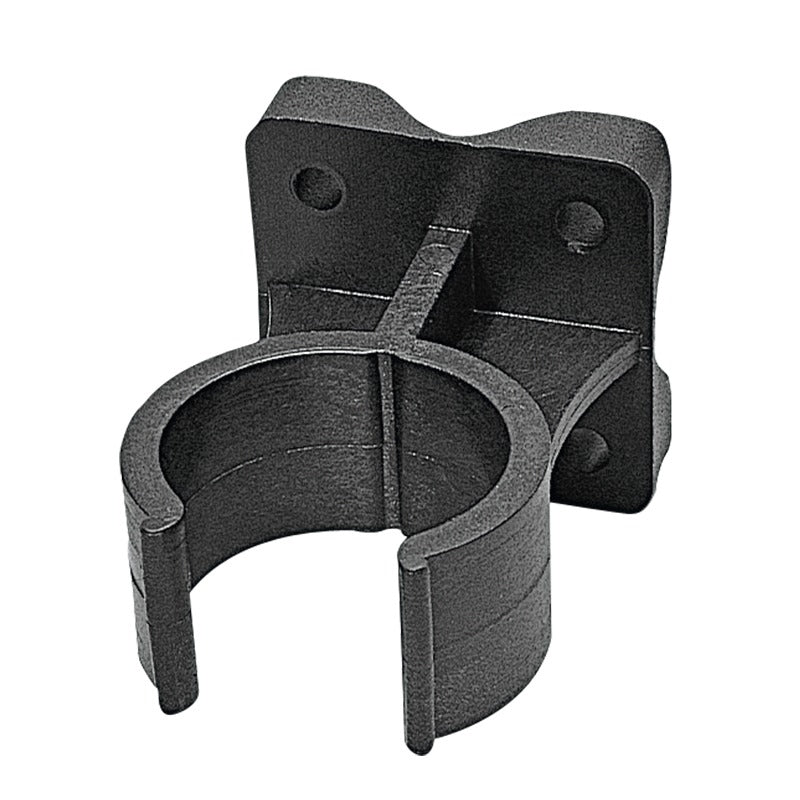
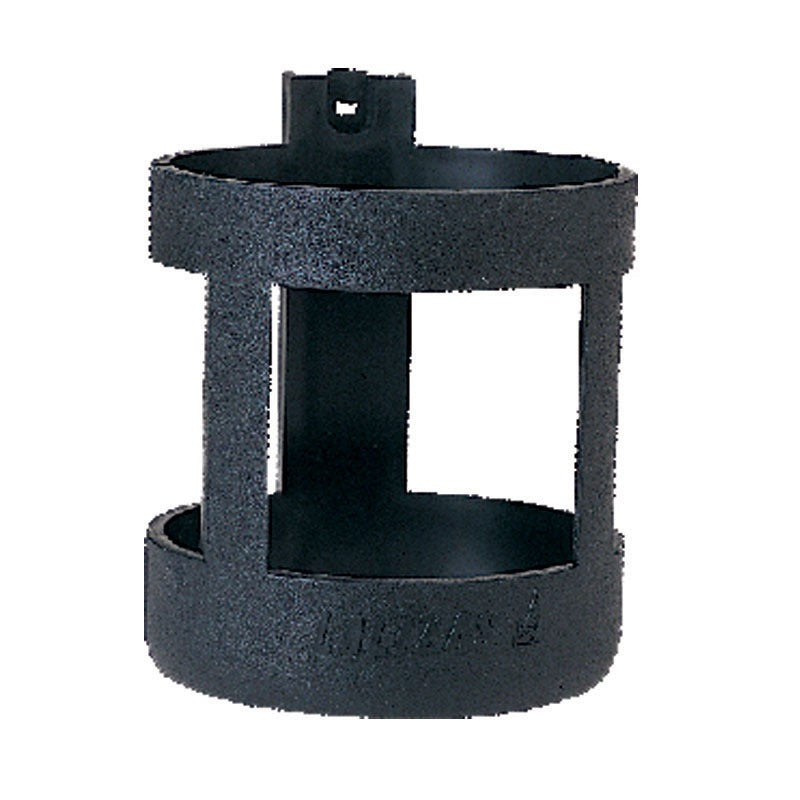
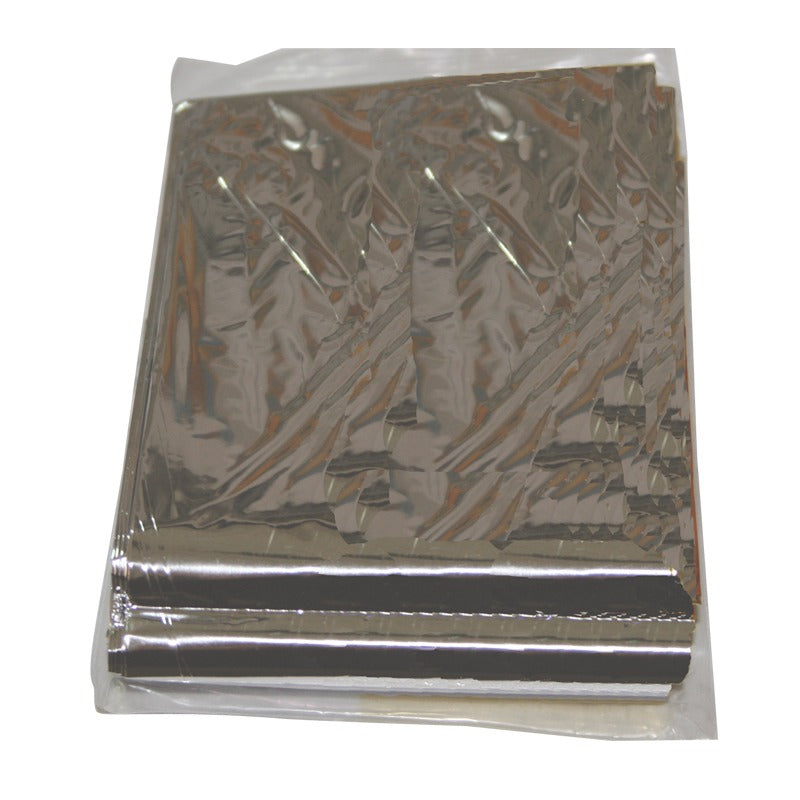
Lalizas foam and auto-inflating lifejackets from 100N to 275N SOLAS, lifebuoys with their lights and holders, re-arm kits, fire and thermal blankets and liferaft rations. Match the newton rating to the water: 100N for sheltered water, 150N and above for open water and offshore passages.
How to choose a lifejacket for your boat
A lifejacket only helps if it is the right type for the water you are on, fits the person wearing it and is in working order. Start with the water, then the person, then the spares.
Buoyancy aid, foam lifejacket or inflatable
- Buoyancy aids at 50N are made for confident swimmers close to help, such as paddling and dinghy sailing. They are not built to turn you face-up.
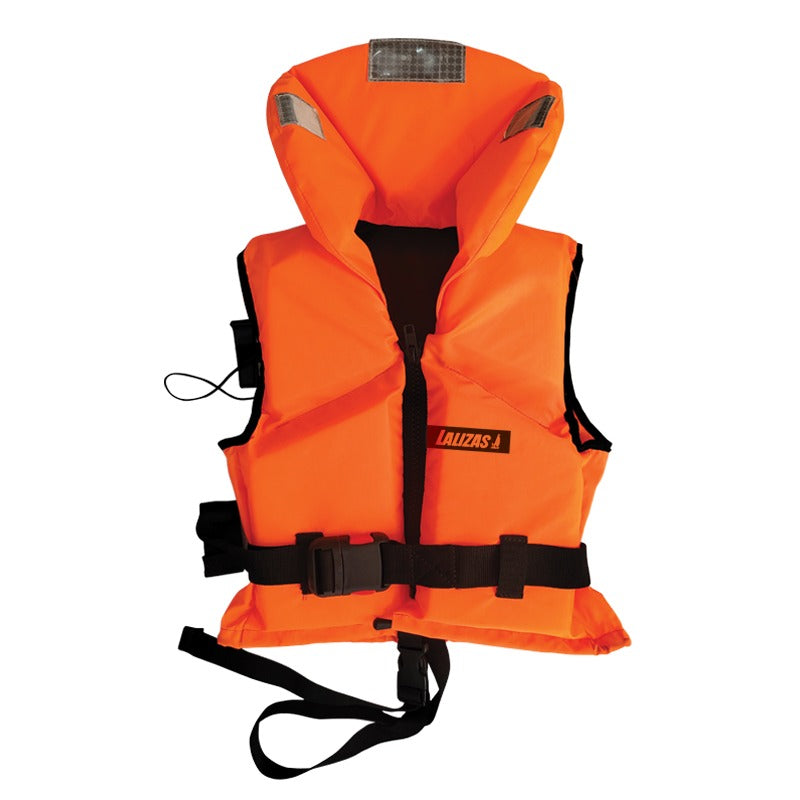
- Foam lifejackets such as the Lalizas 100N and Lifebelt 100N are rated by Lalizas to ISO 12402-4:2020 for sheltered water: harbours, dams and the tender run to a moored boat. They are designed to turn an unconscious wearer face-up.
- The Lifebelt 150N is rated to ISO 12402-3:2020 for general use, including over foul-weather clothing.
- Inflatables such as the Sigma 170N with harness are compact and light enough to wear all day. The Lamda 275N is described by Lalizas as SOLAS and MED approved, for wearing over heavy-duty clothing, with twin buoyancy chambers.
Fit and sizing, especially for children
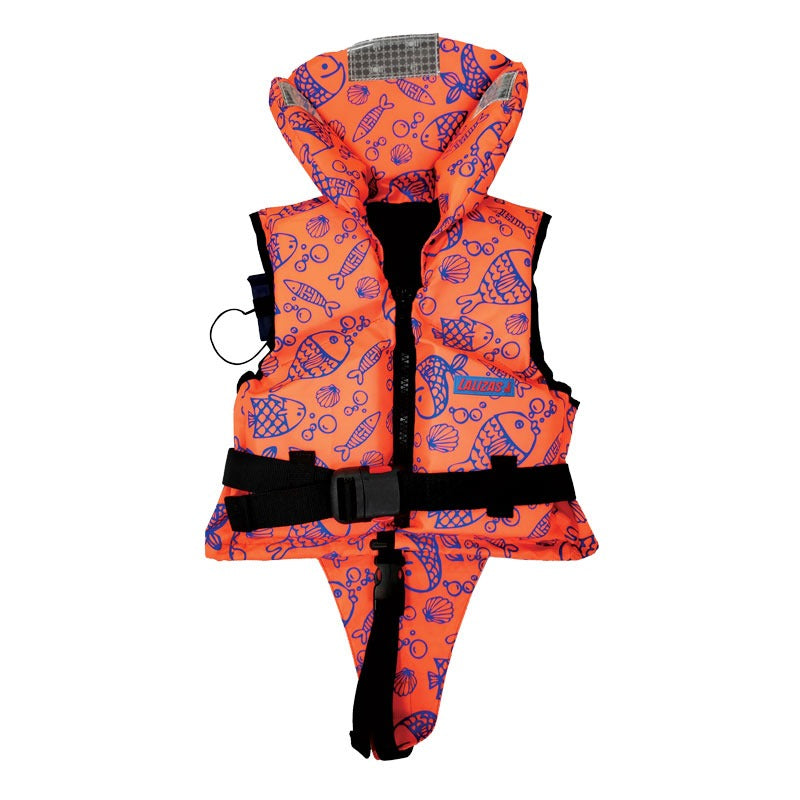
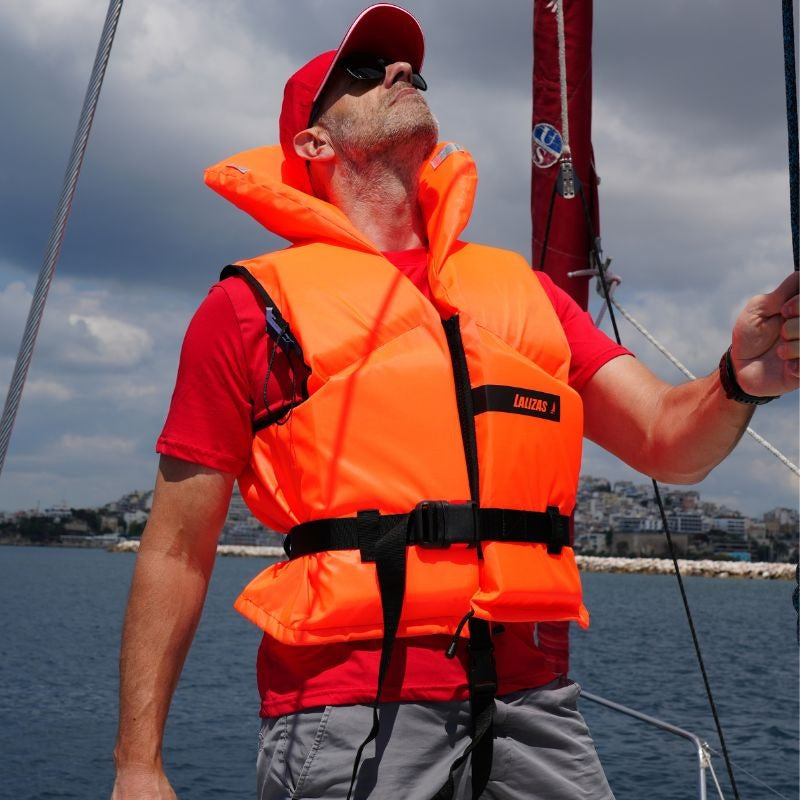
A jacket that rides up over the chin does not work. The Lalizas 100N foam lifejacket comes in nine weight bands, from a 3 kg baby to adults over 120 kg, with a crotch strap to stop it riding up. The adult Lifebelts fit wearers over 40 kg. Try the jacket on, tighten it, then lift it by the shoulders: it should stay put. Never let a child wear an adult jacket.
Servicing and re-arming inflatables
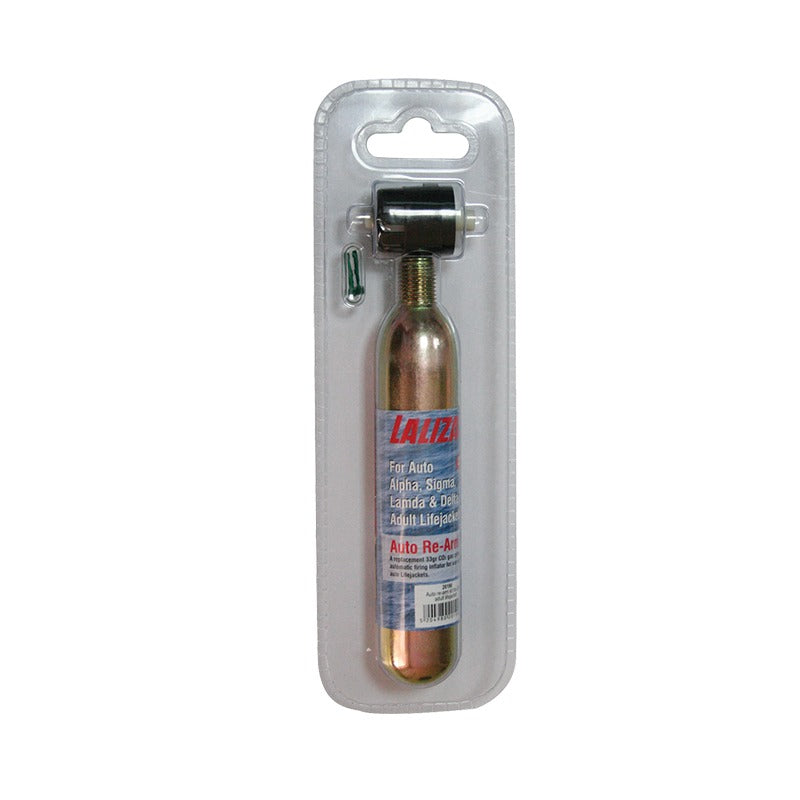
After an automatic jacket fires, it needs a new gas cylinder and a new trigger before it can be used again. The auto re-arm kit holds both for JS1 jackets such as the Sigma. Spare bobbins and CO2 cylinders (33 g and 60 g) are sold separately. Follow the maker's manual for checks and servicing.
Before every trip
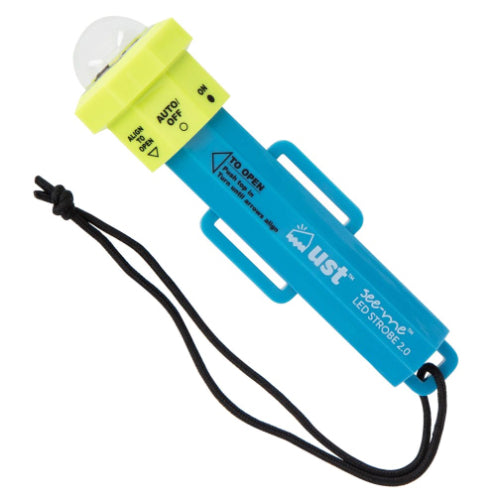
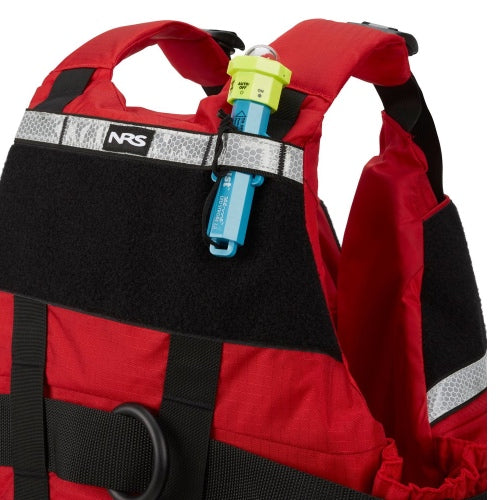
Count one jacket per person on board, in the right size, and put them where everyone can reach them. Check straps, buckles and zips for wear, check the inflatable's status indicator if it has one, and read the label so you know the rating of what you are wearing. Fit a whistle and a light to each jacket, and keep a lifebuoy with a light within reach of the helm.
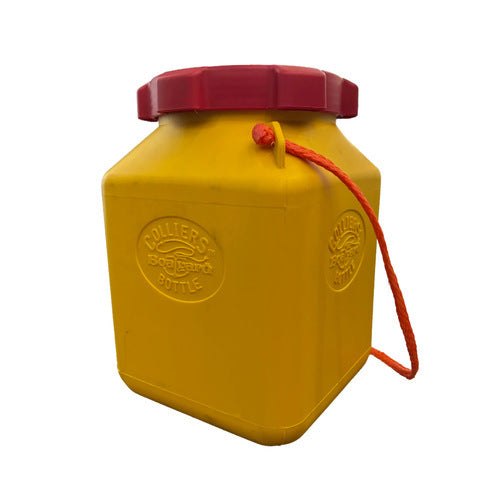
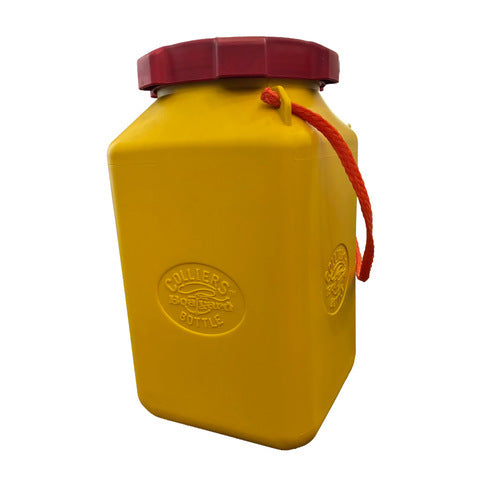
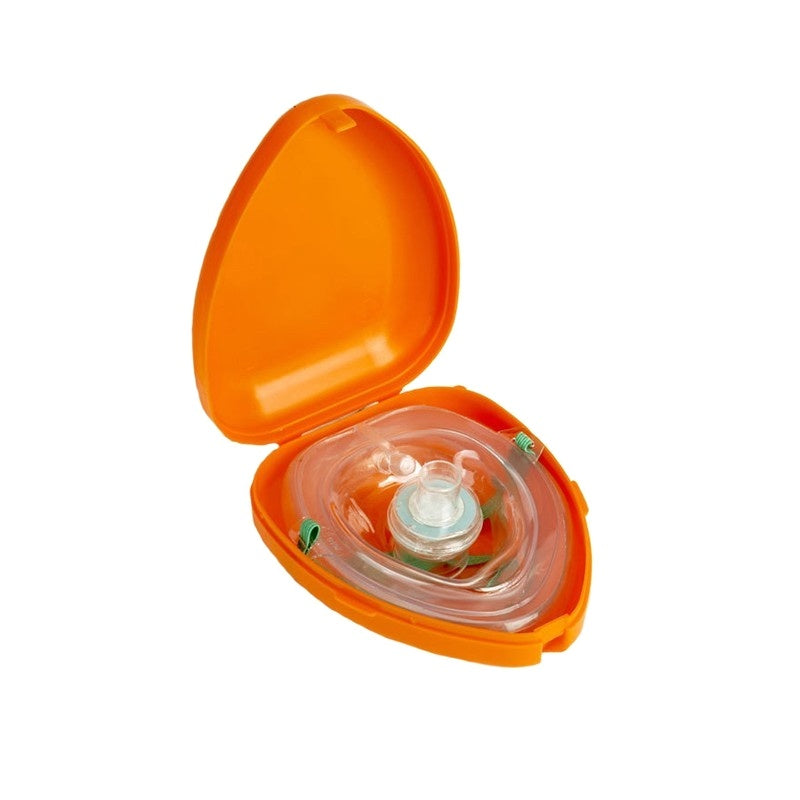
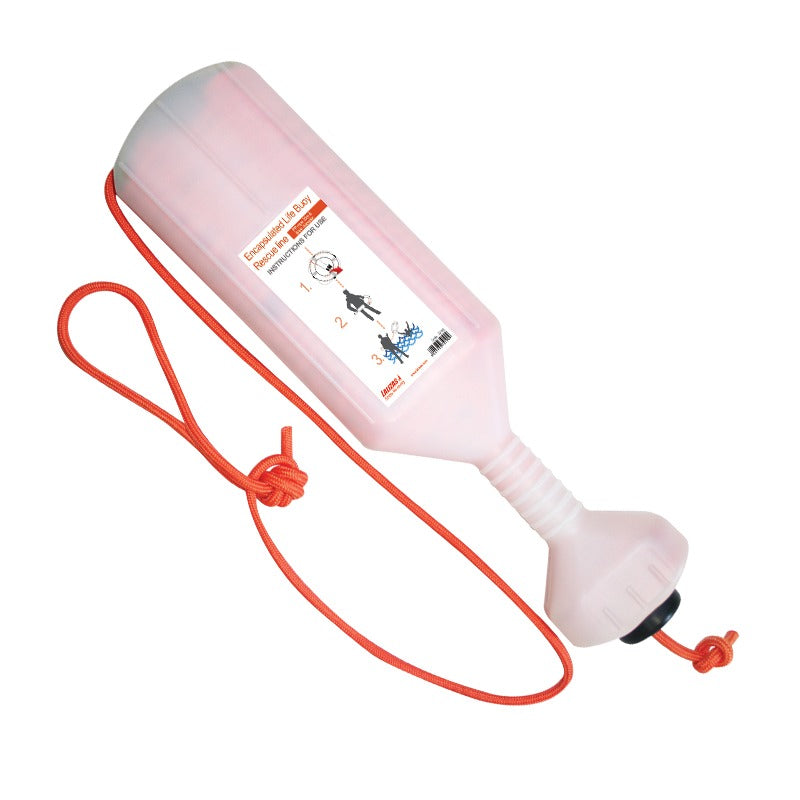
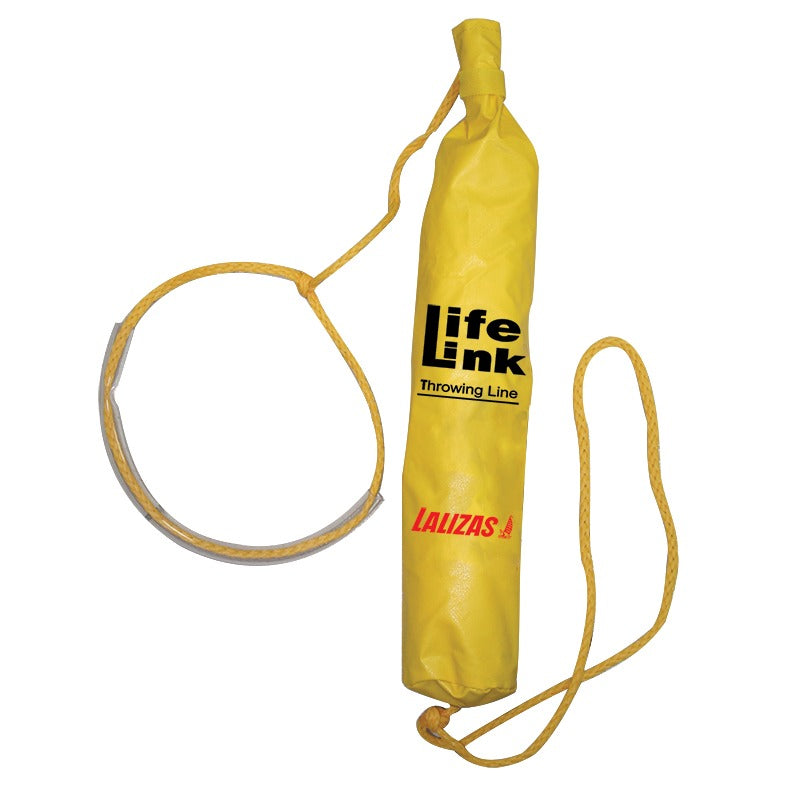
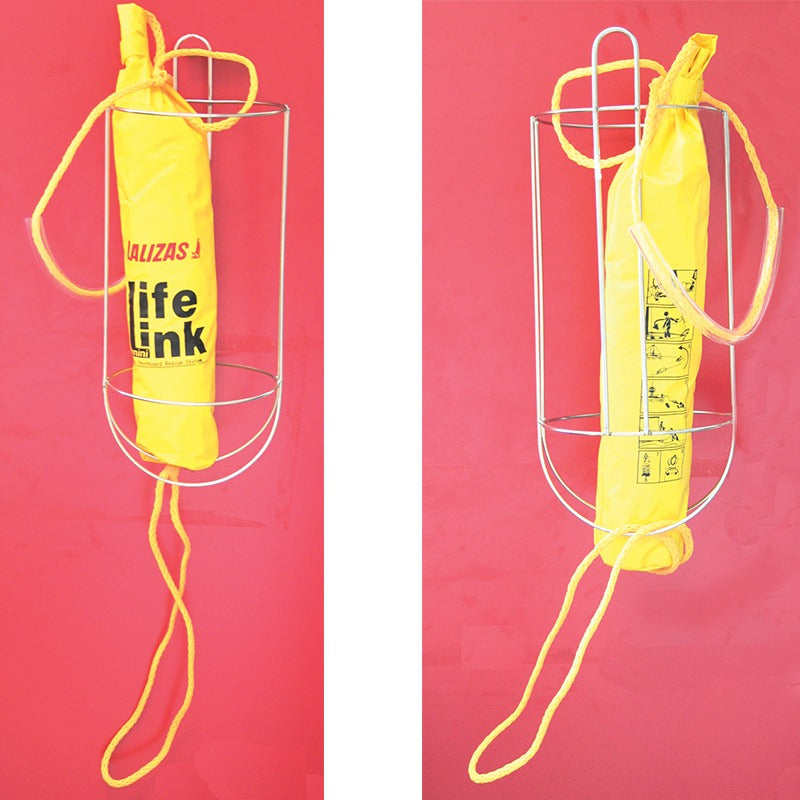
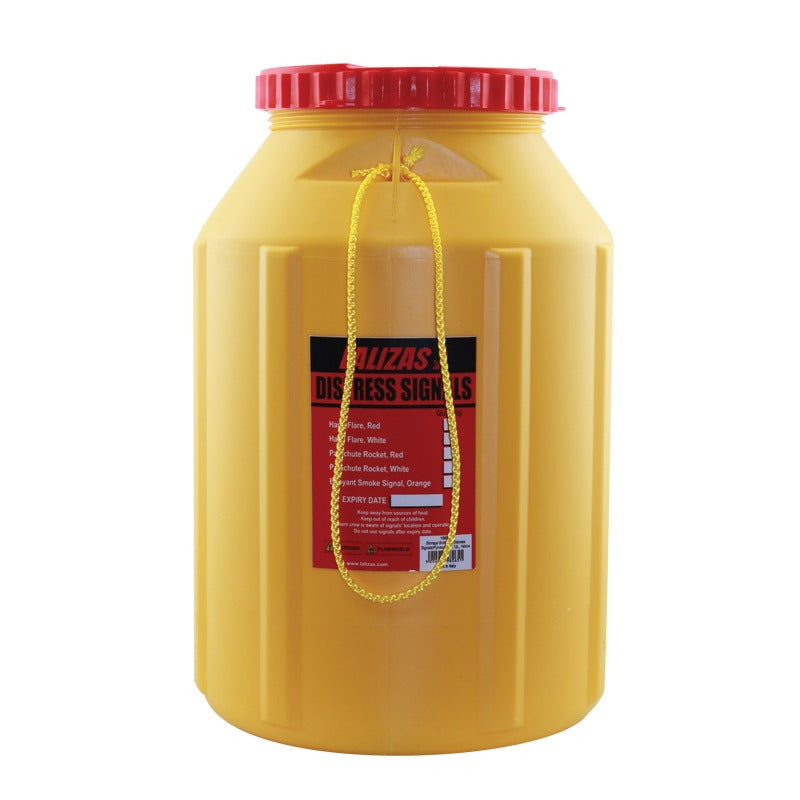
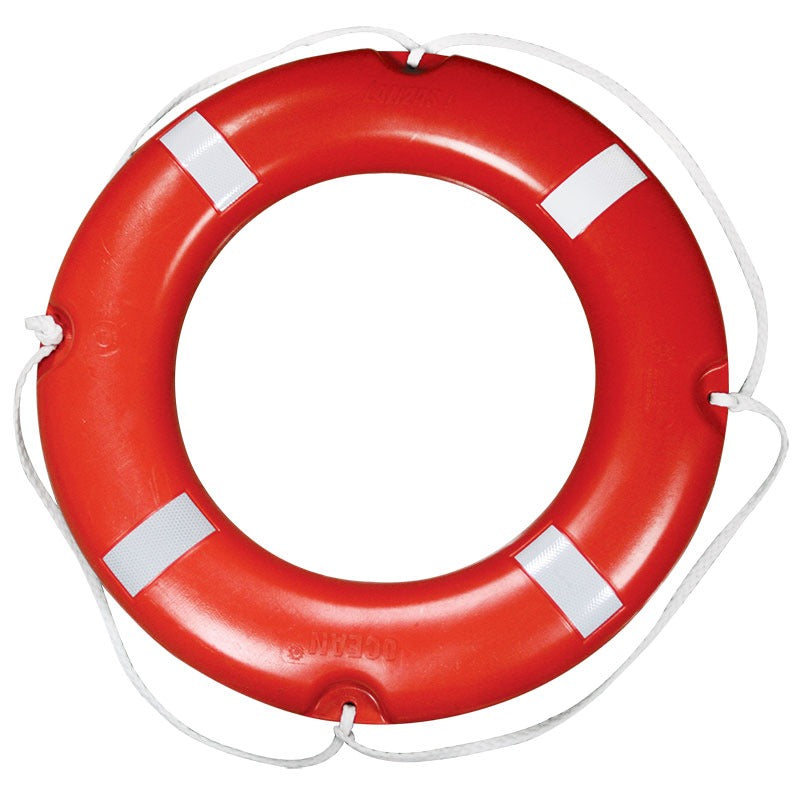
Also on this page: lifebuoys with their lights and holders, a pyrotechnics storage bottle and first aid kits. See the full Lalizas range, navigation and signals and water rescue gear.
Questions we get asked
What is the difference between a buoyancy aid and a lifejacket?
A 50N buoyancy aid helps a confident swimmer stay afloat near help and is not designed to turn an unconscious person face-up. A foam or inflatable lifejacket is designed to turn the wearer face-up and hold the head clear. For anything beyond paddling close to help, choose a lifejacket and check its rating on the product page.
What do 100N, 150N and 275N mean?
The number is the buoyancy in newtons. Lalizas rates its 100N jackets to ISO 12402-4:2020 for sheltered water and its 150N jackets to ISO 12402-3:2020 for general use. The 275N Lamda is described by Lalizas as a SOLAS and MED jacket for heavy clothing. Higher numbers give more lift.
What size lifejacket does my child need?
Choose by weight, not age. The Lalizas 100N foam lifejacket comes in nine weight bands from 3 kg up to adults over 120 kg. The adult Lifebelts are for wearers over 40 kg. Check the fit, including the crotch strap, before every trip.
Can I re-arm an automatic inflatable lifejacket myself?
On JS1 jackets such as the Sigma 170N, the Lalizas auto re-arm kit supplies a 33 g CO2 cylinder and the re-arming unit, and you follow the steps in the jacket's manual. If you are unsure, have the jacket serviced.
How often should I check an inflatable lifejacket?
Follow the maker's service instructions in your jacket's manual, and check it after any firing. If you are unsure about its condition, have it serviced or replaced.
Which lifebuoy light do I need?
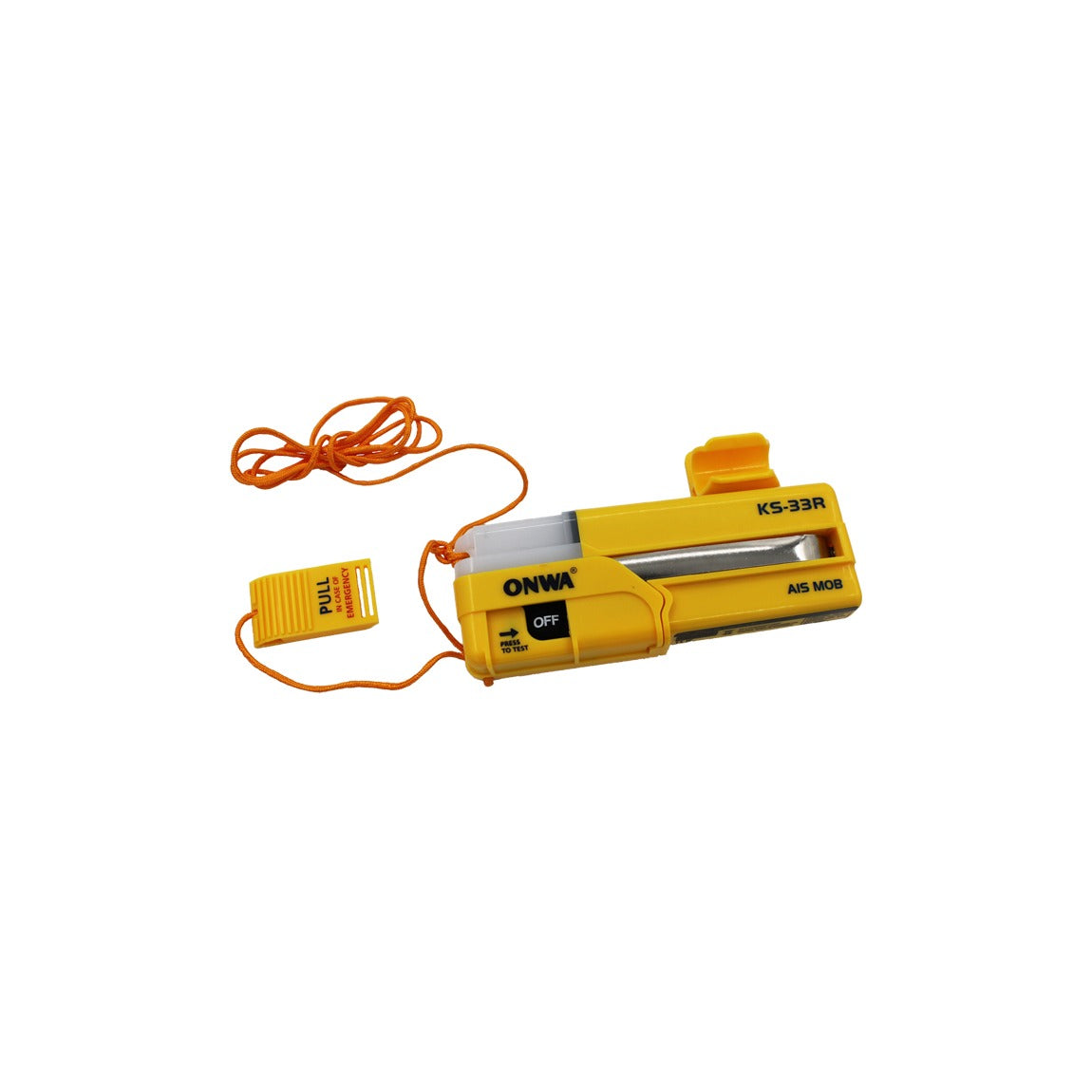
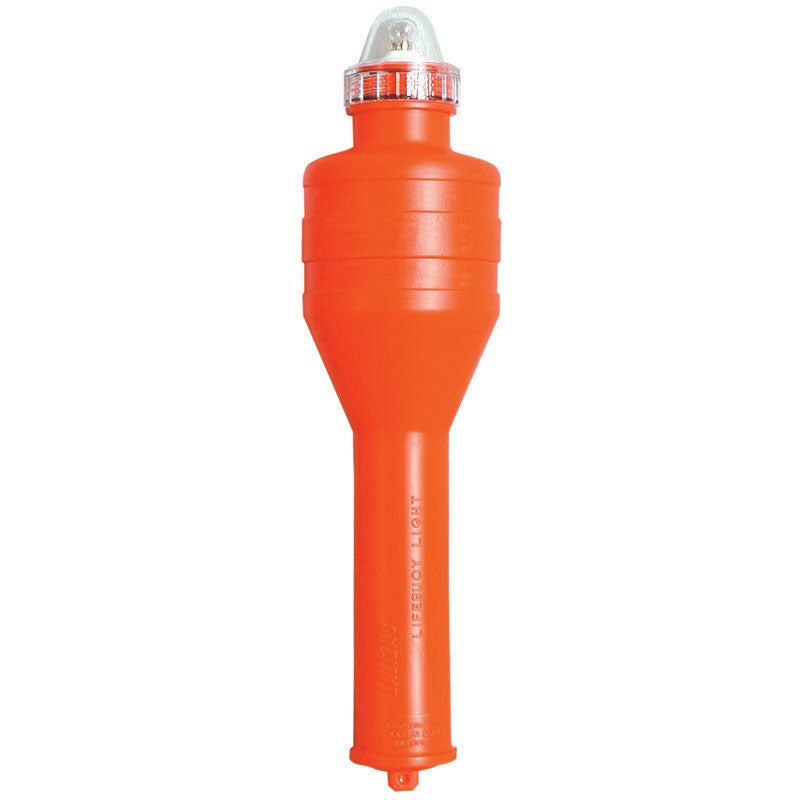
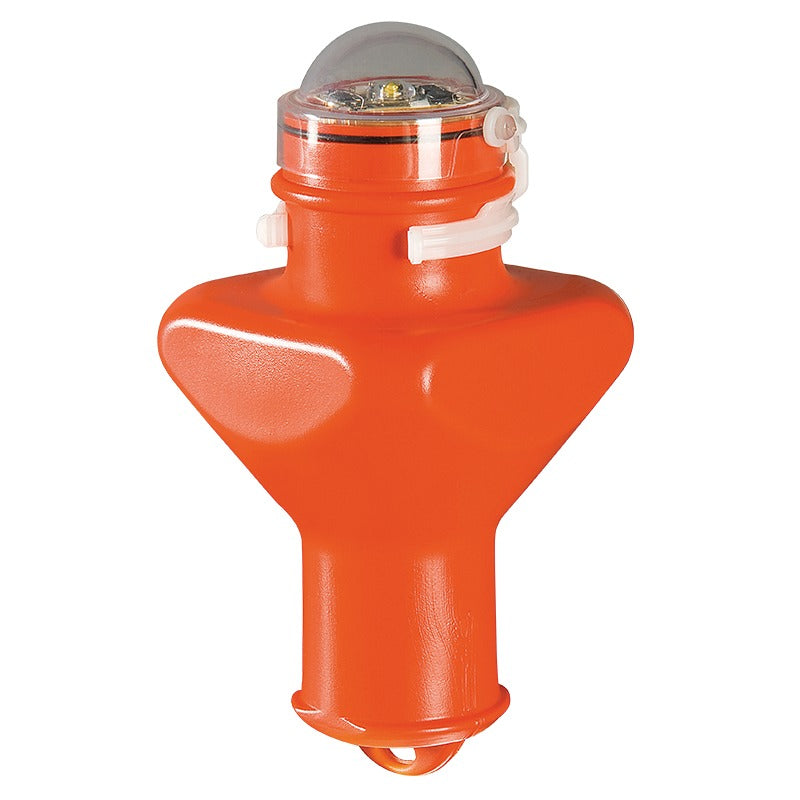
Lalizas describes the MOB and Stella lights as SOLAS and MED approved lifebuoy lights that tie to the ring. The MOB runs on four D-cell batteries, the Stella on one D-cell. Date the batteries and test the light before each trip.