









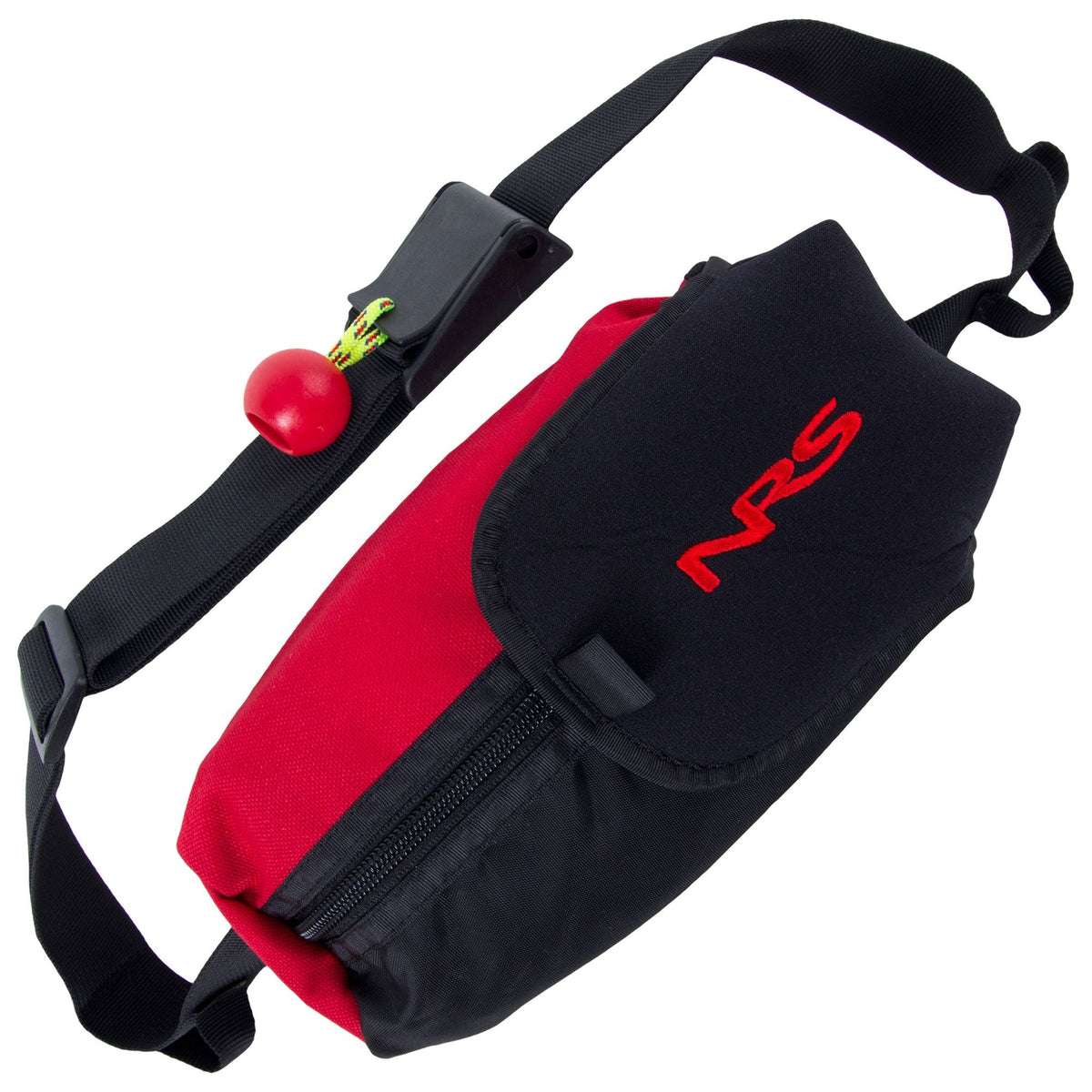


Guardian Wedge Waist Throw Bag


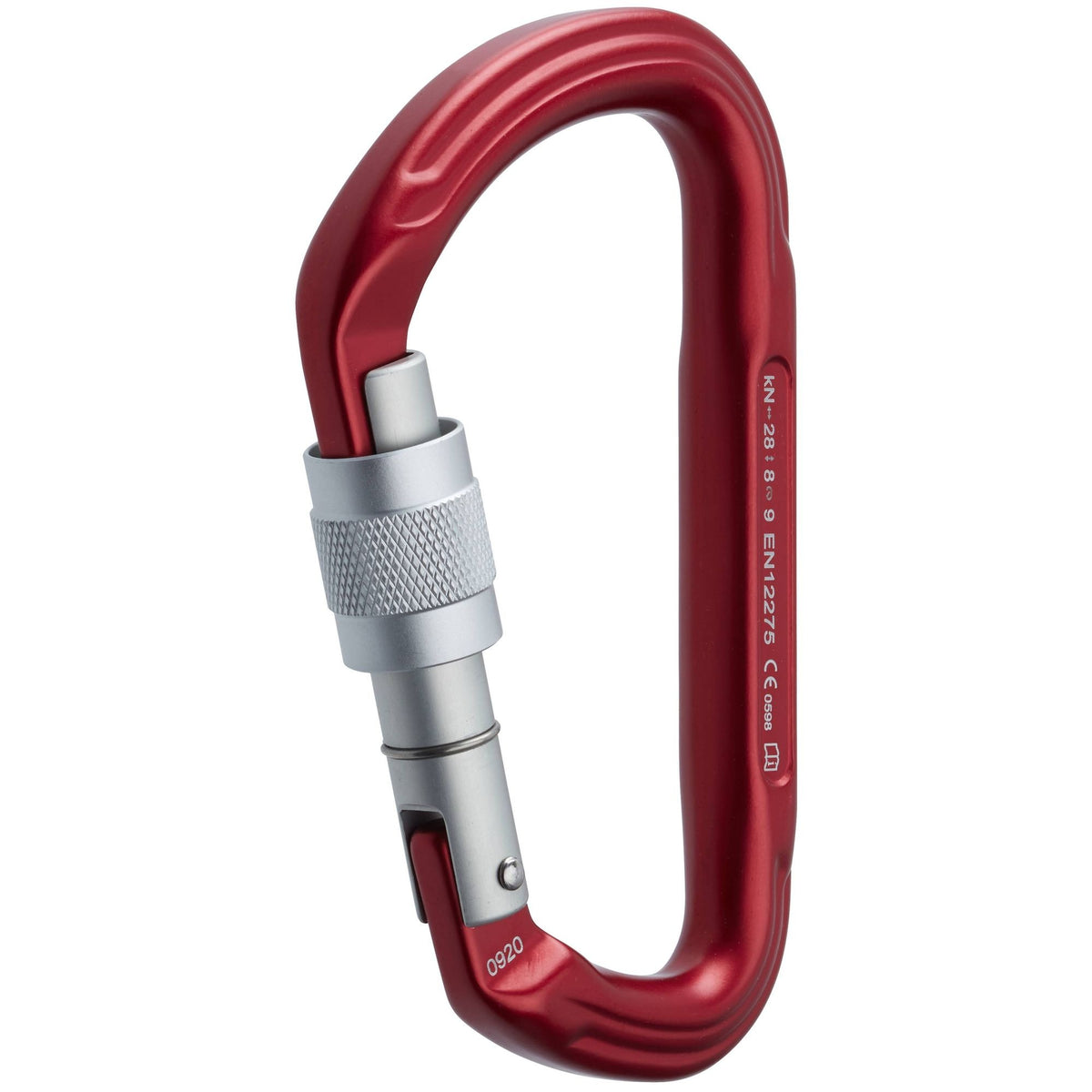
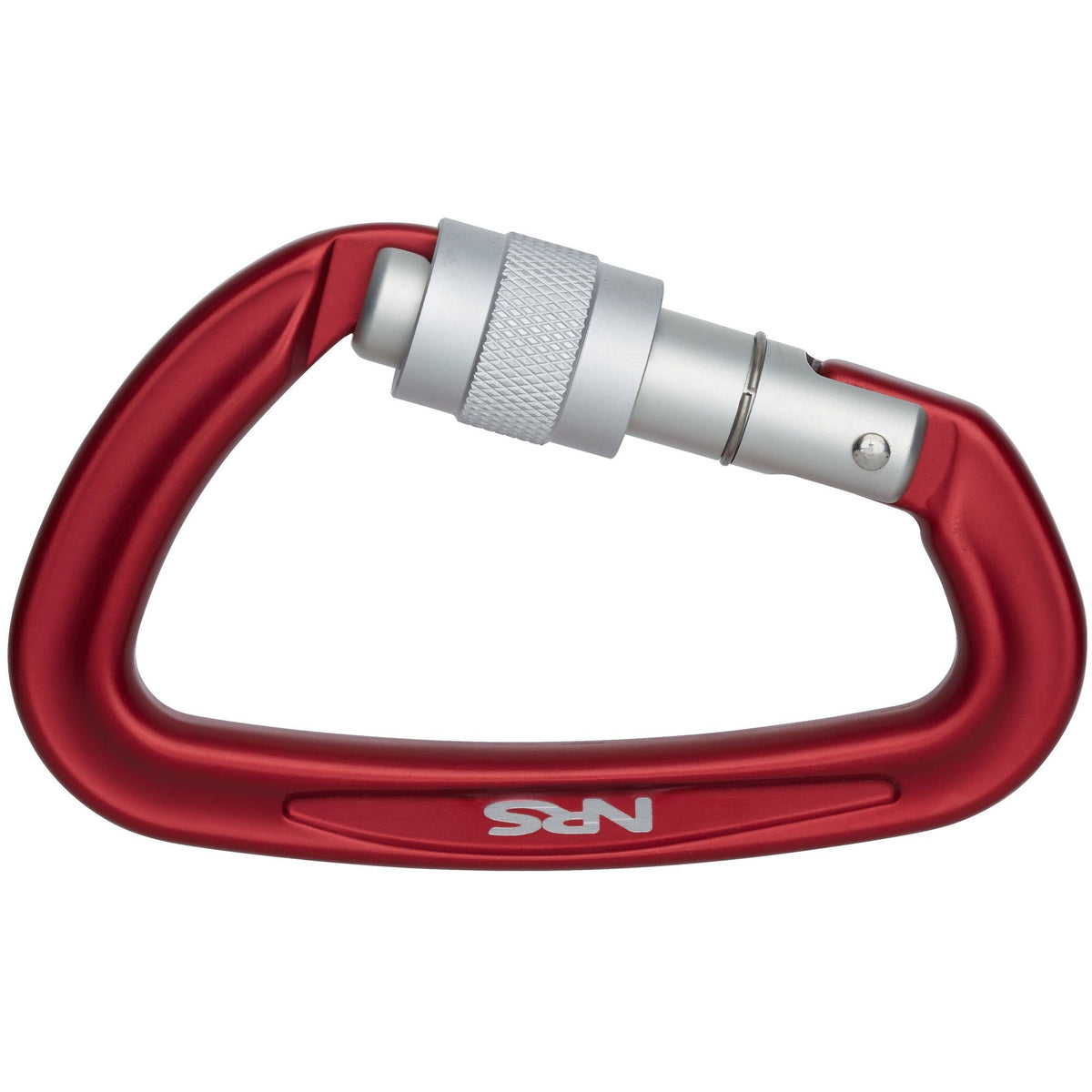
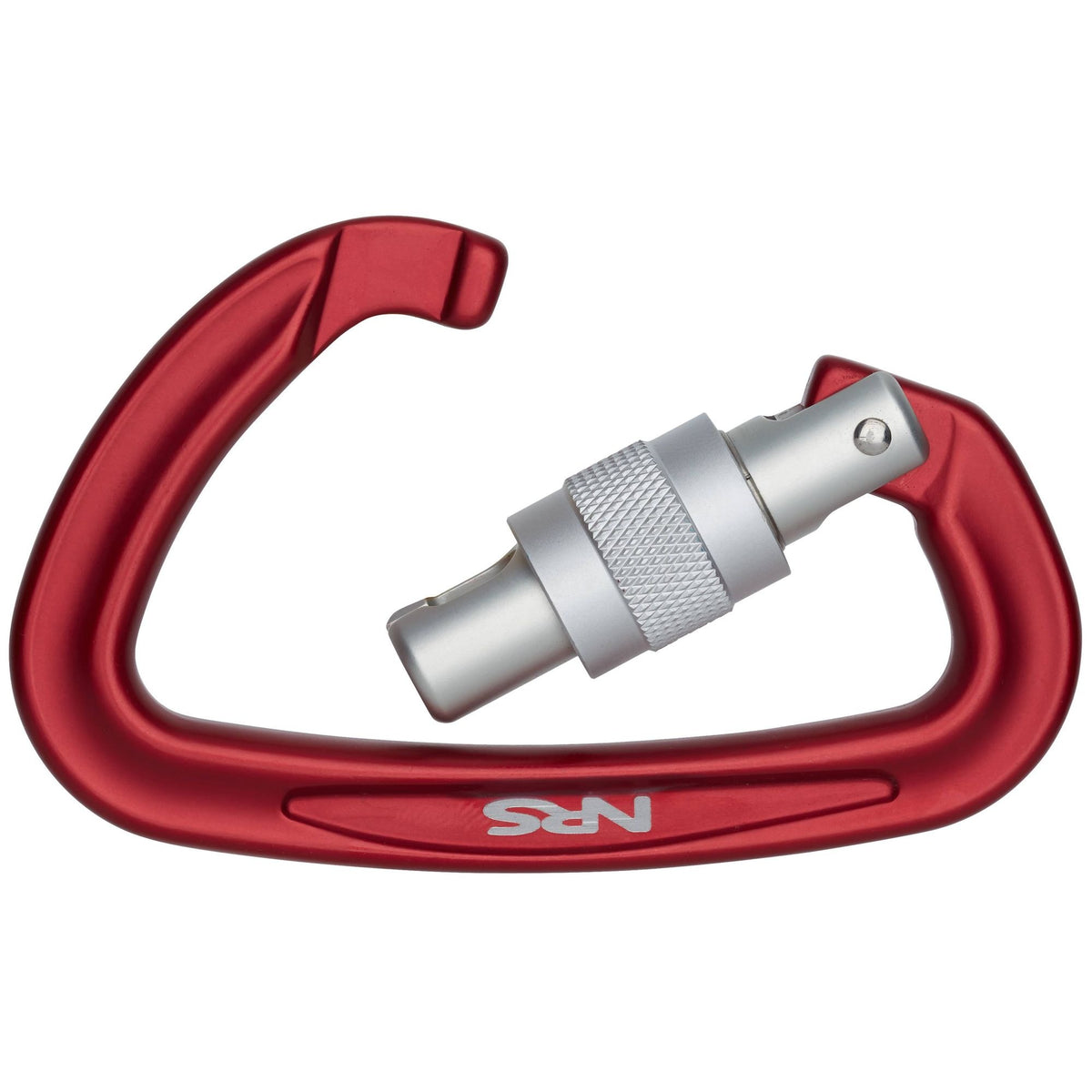
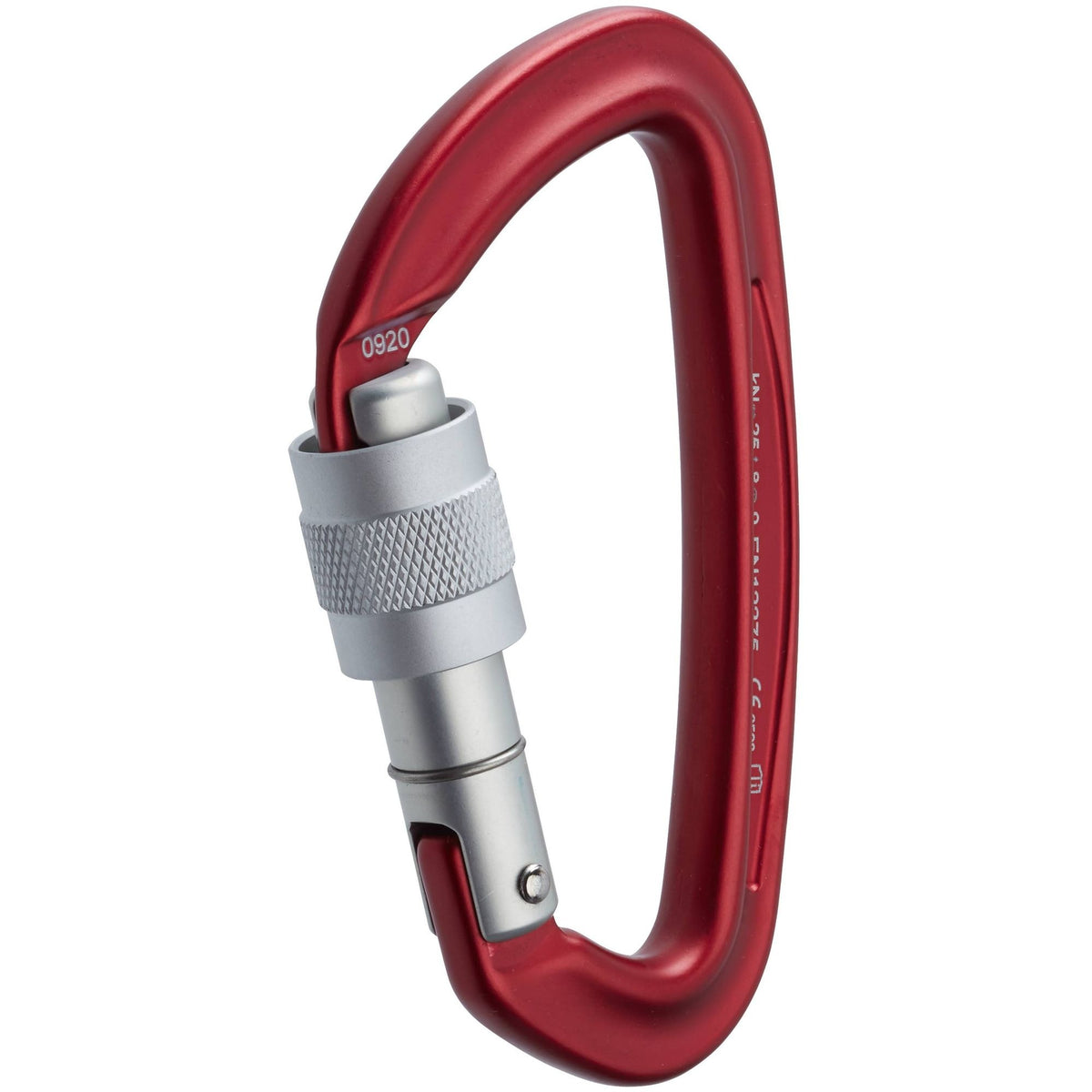
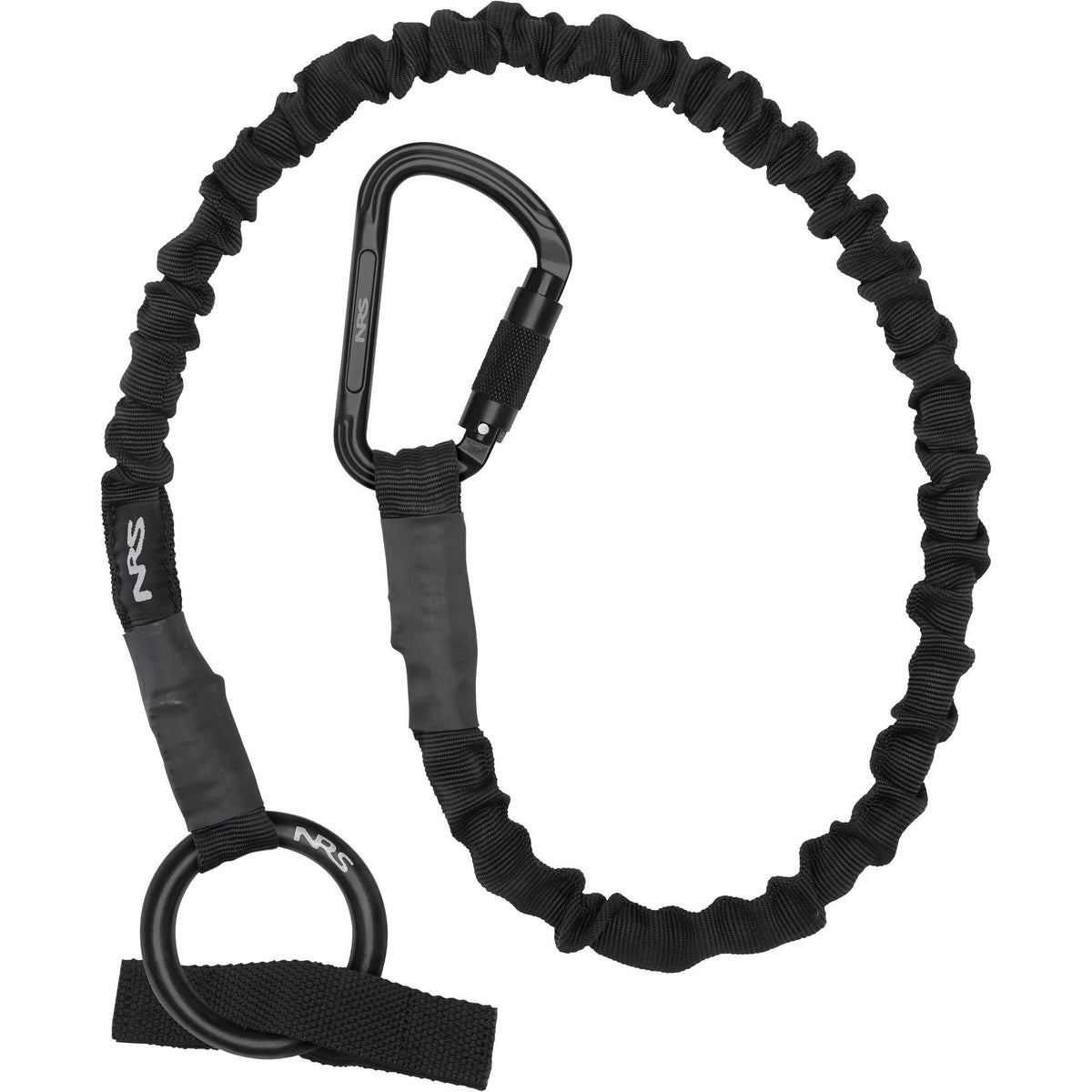

Tow Tether with Carabiner 135 cm
About Watersports Water Rescue
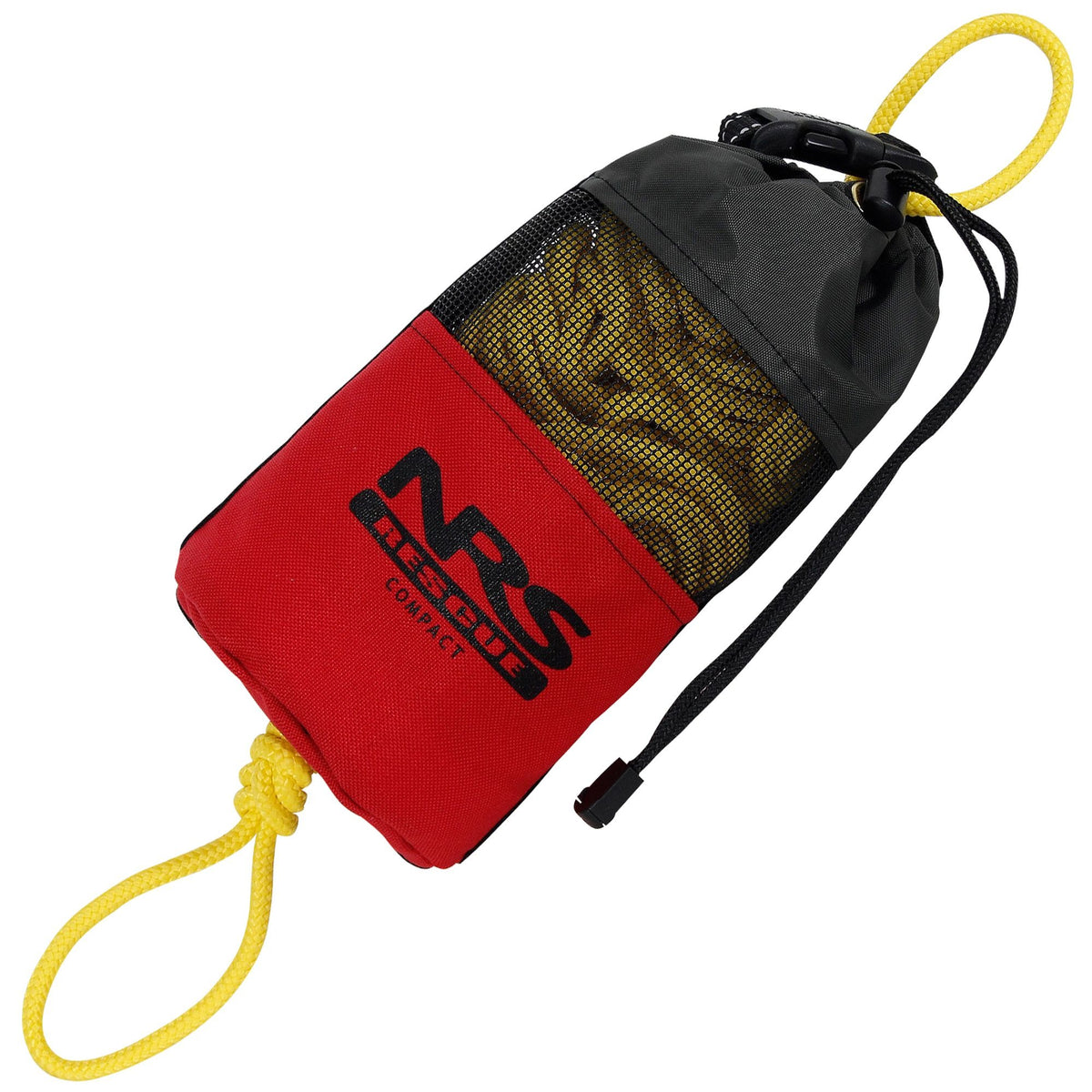
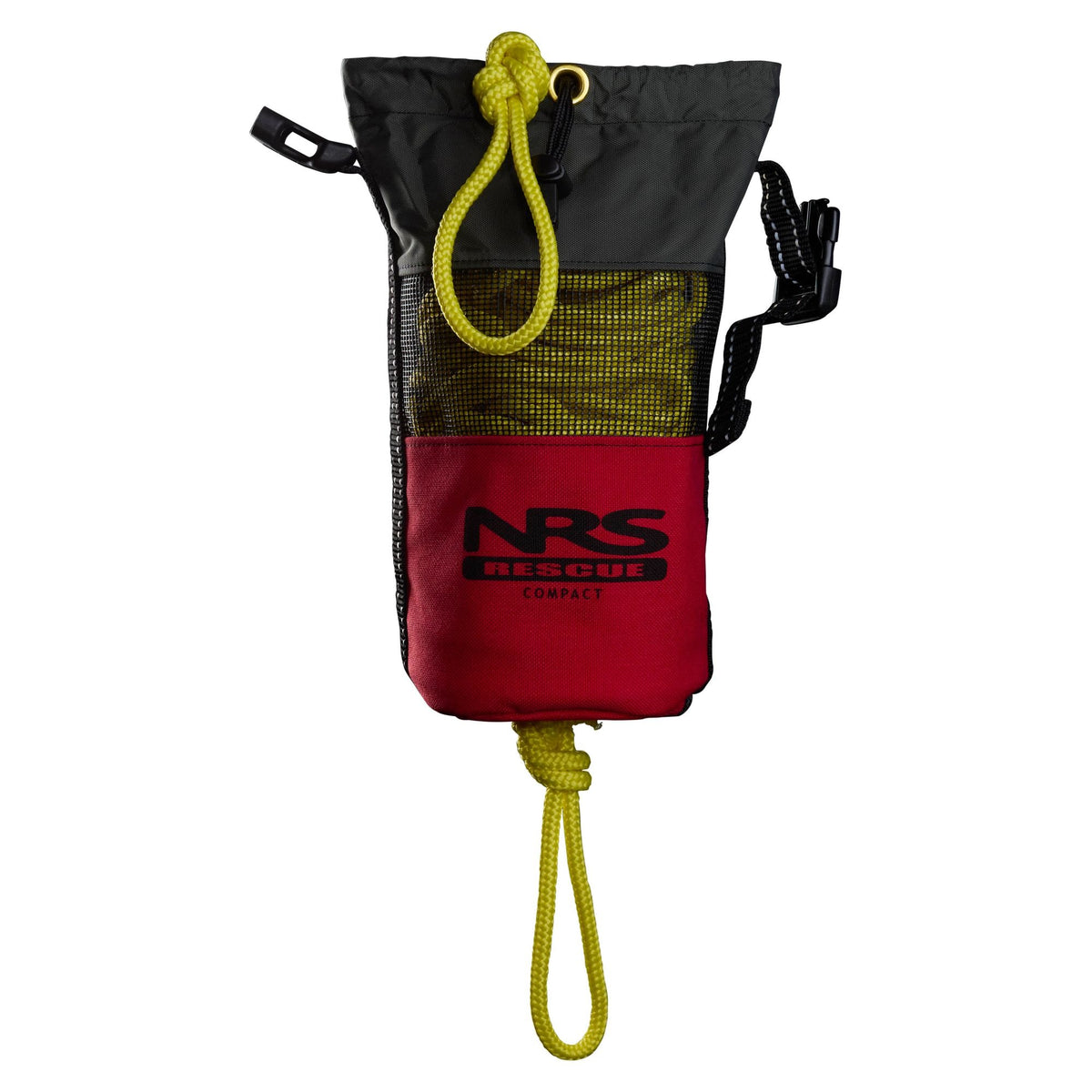
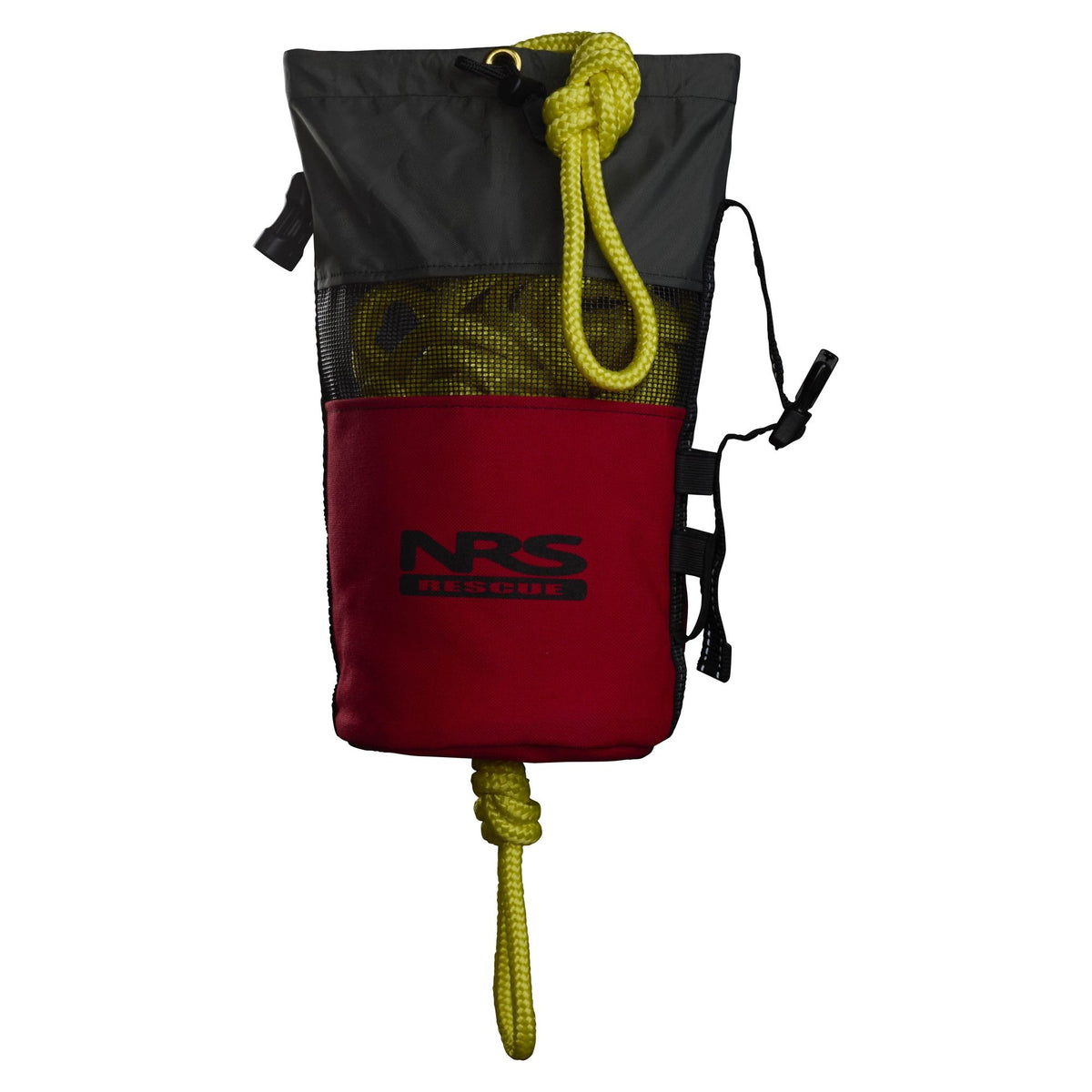
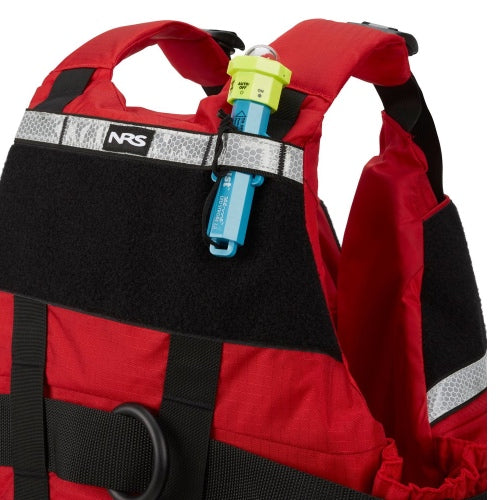
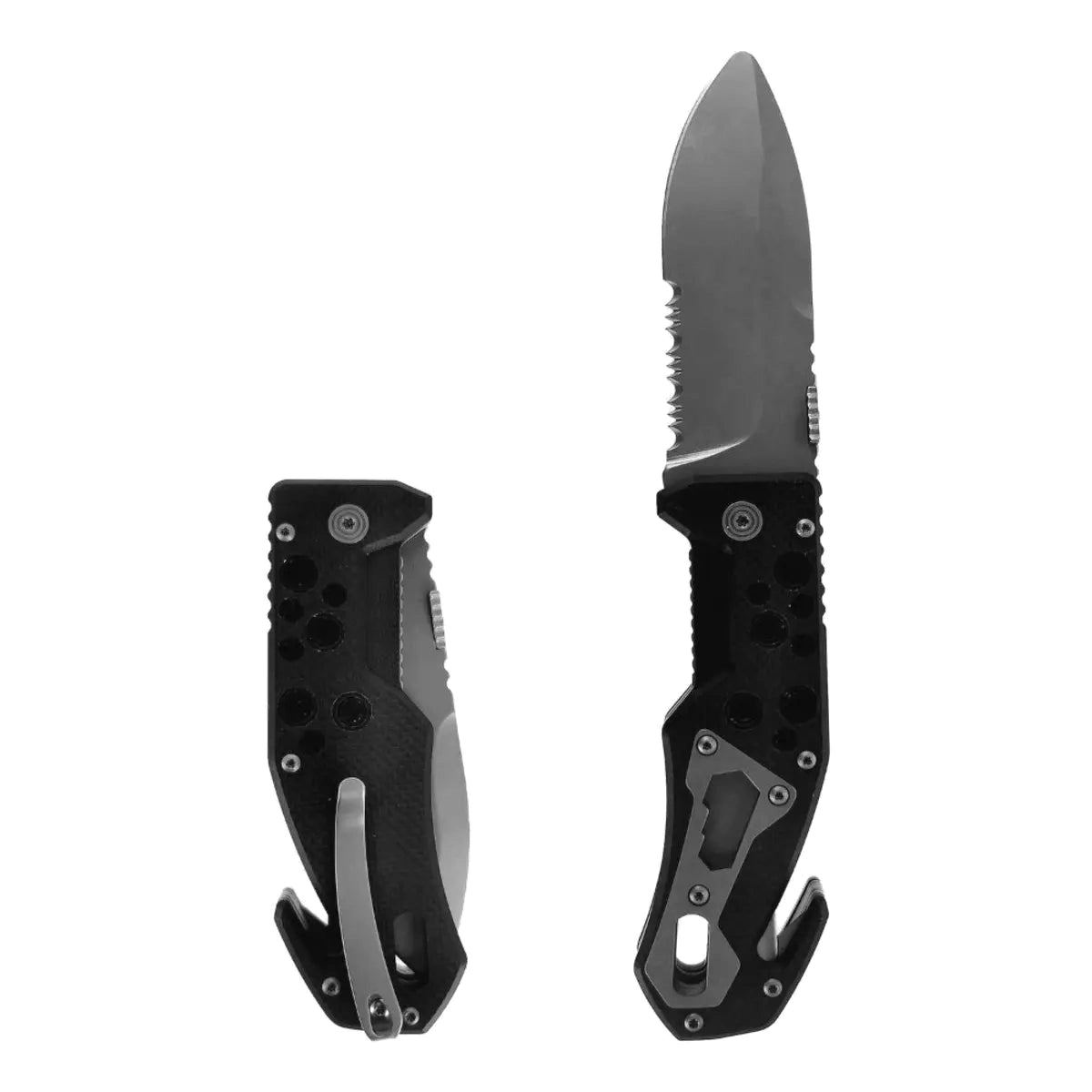
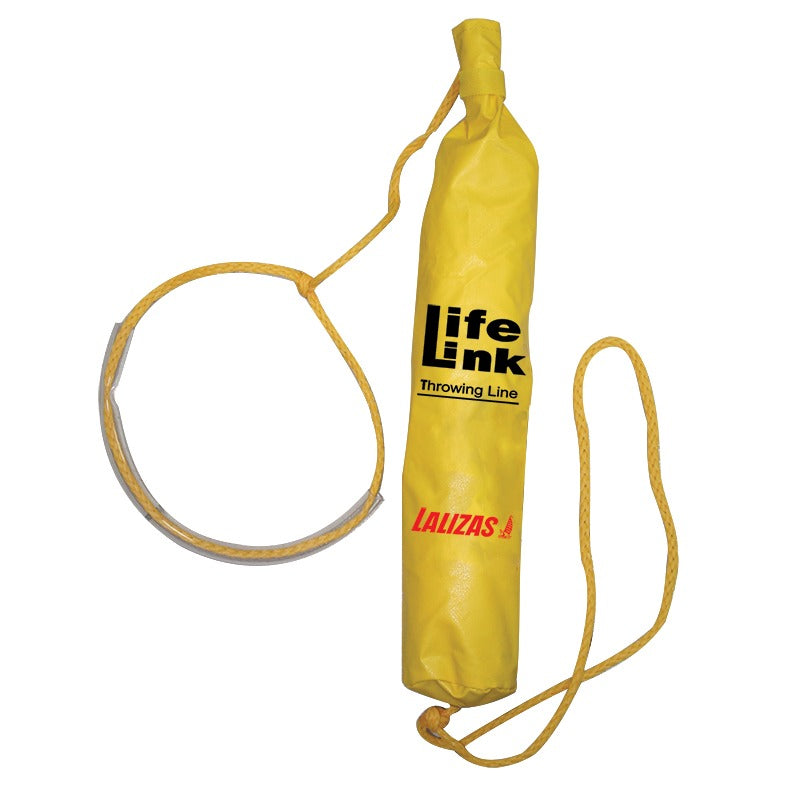
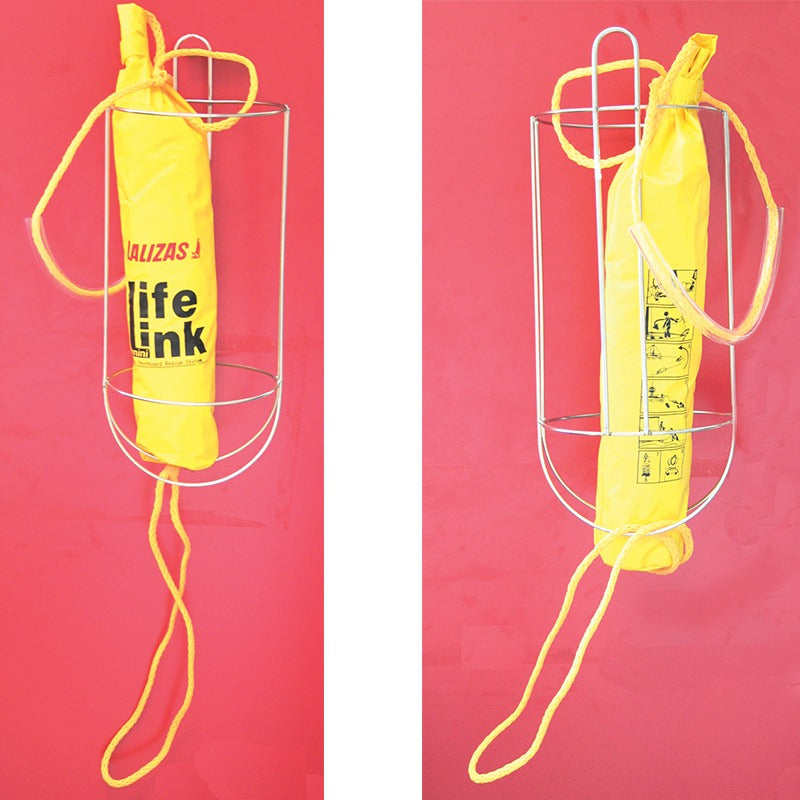
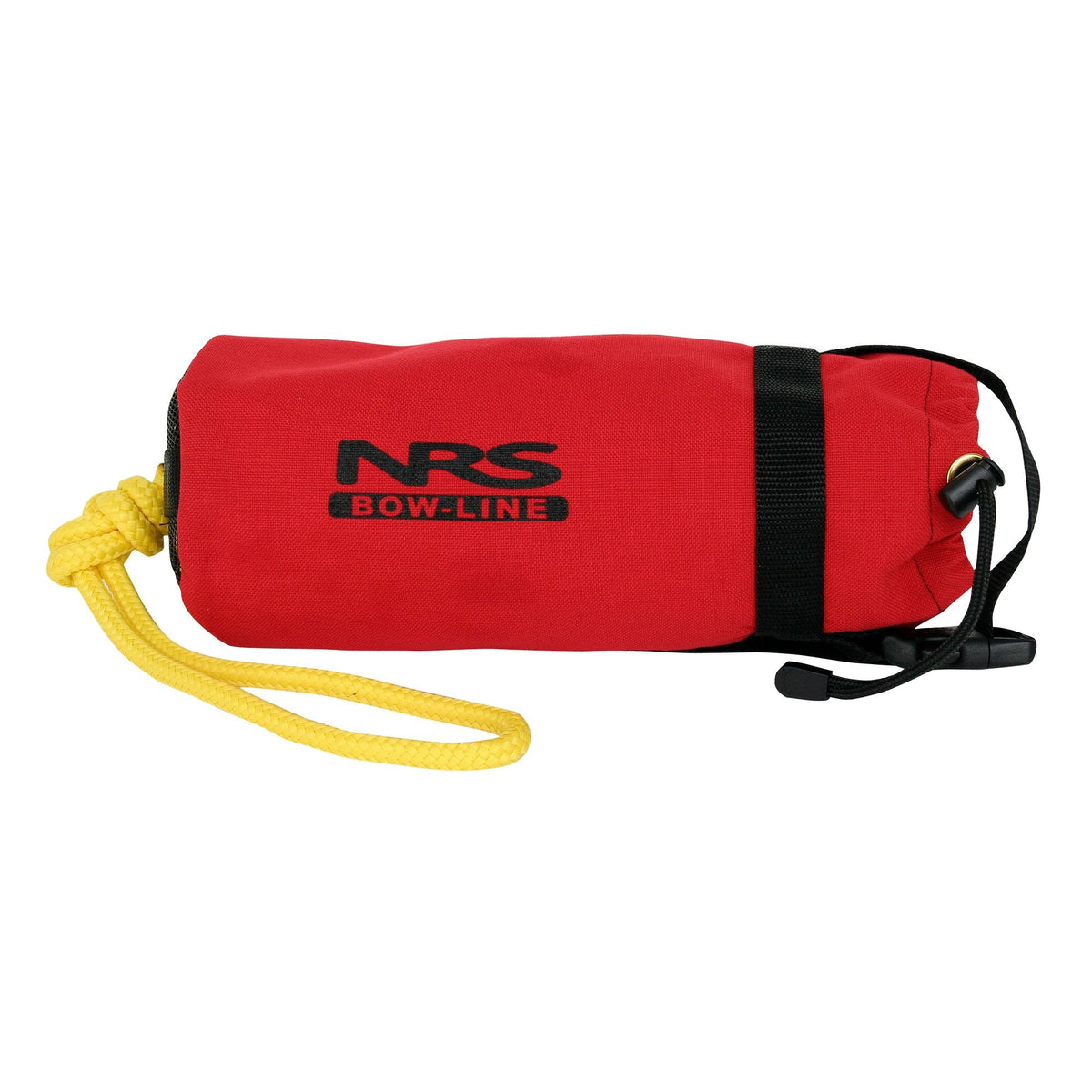
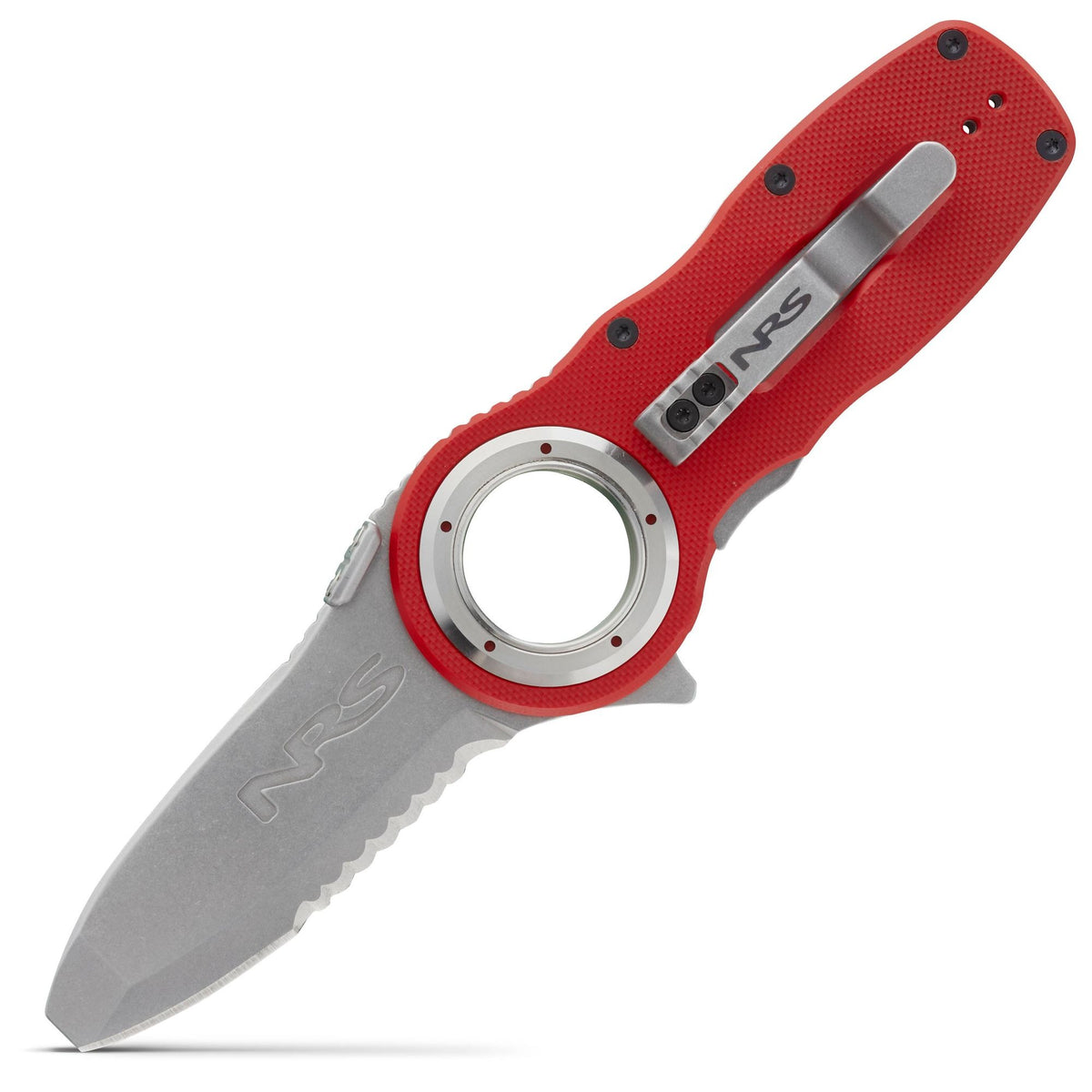
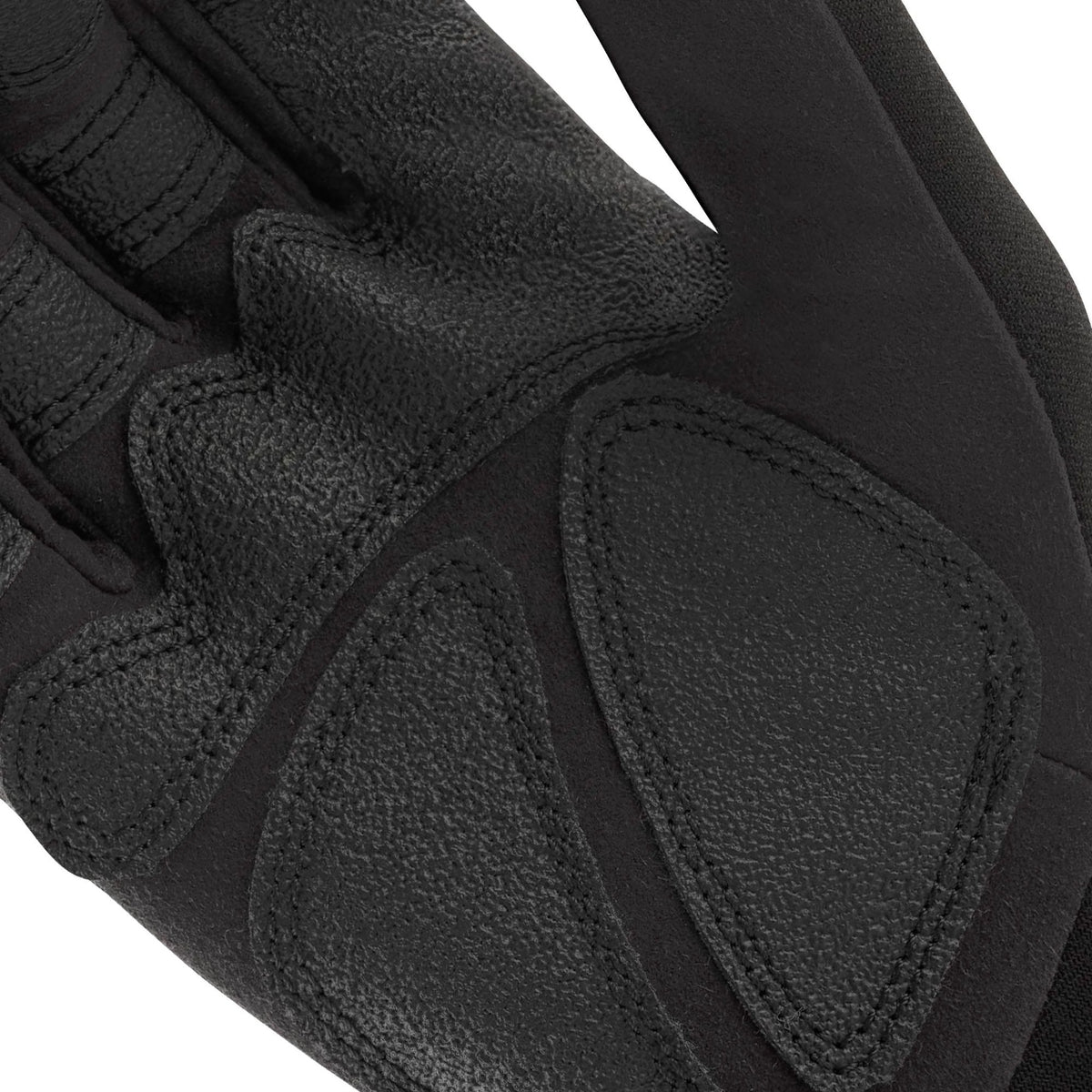
NRS throw bags, a tow tether and screw-lock carabiners, the Lalizas LifeLink sling and rescue lines, and an NRS rescue knife and gloves. Practise a throw-bag toss on dry land first, because most first throws fall short.
Water rescue gear and how to use it
A throw bag, a rescue line and a knife are the tools a boat or paddling group needs before someone goes in. They only help if you have practised with them, so test your throw on dry land first.
- Throw bags: NRS standard, compact and waist throw bags, plus a bow line bag, put a floating line within reach of a swimmer.
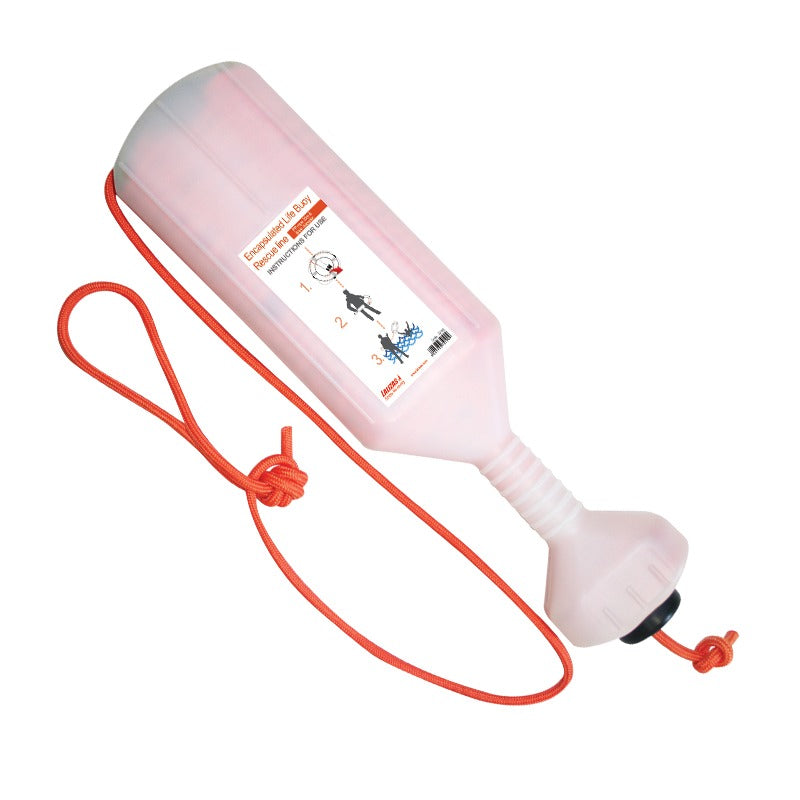
- Lines and slings: the Lalizas LifeLink throwing line (23 m), the encapsulated lifebuoy rescue line (30 m) and the LifeLink rescue sling.
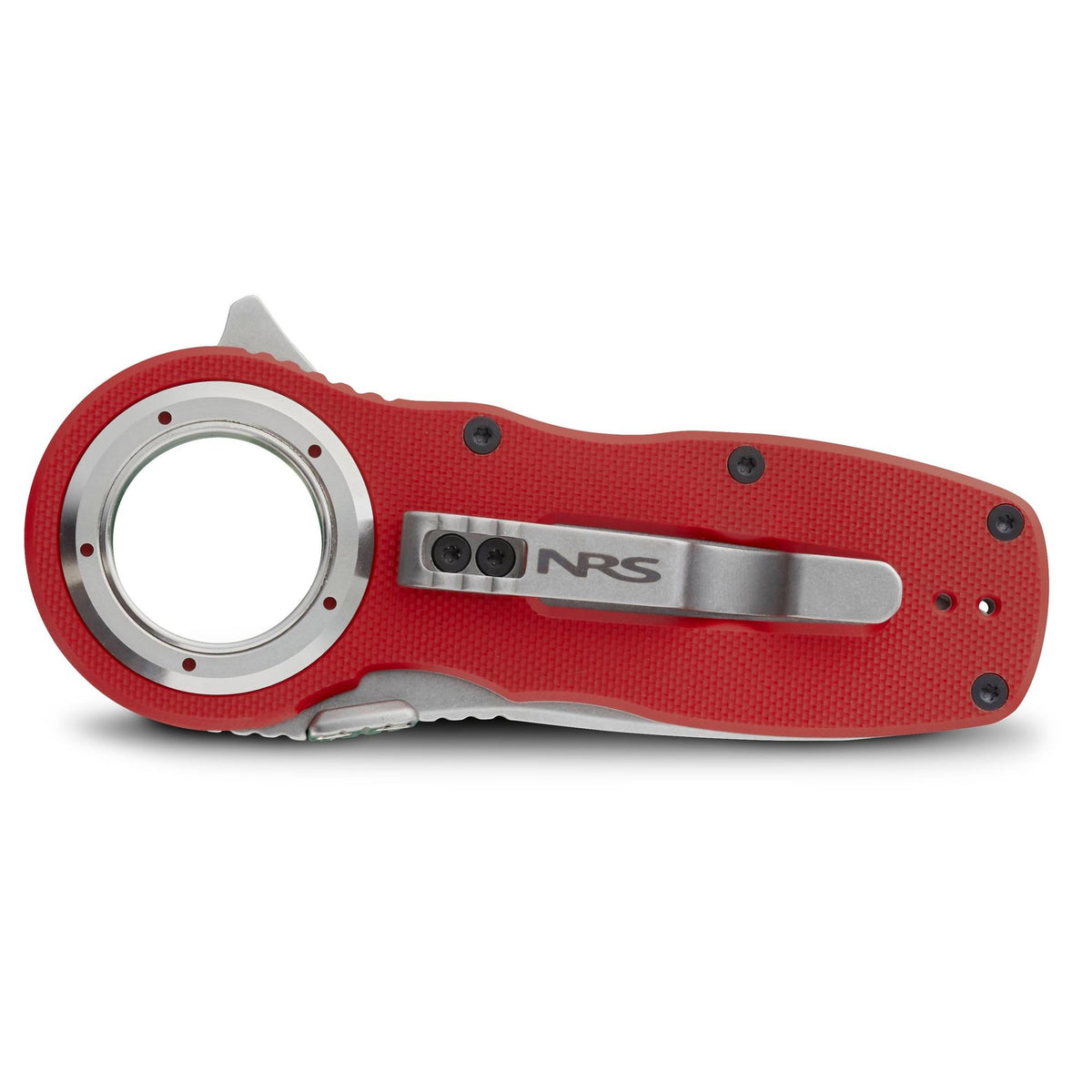
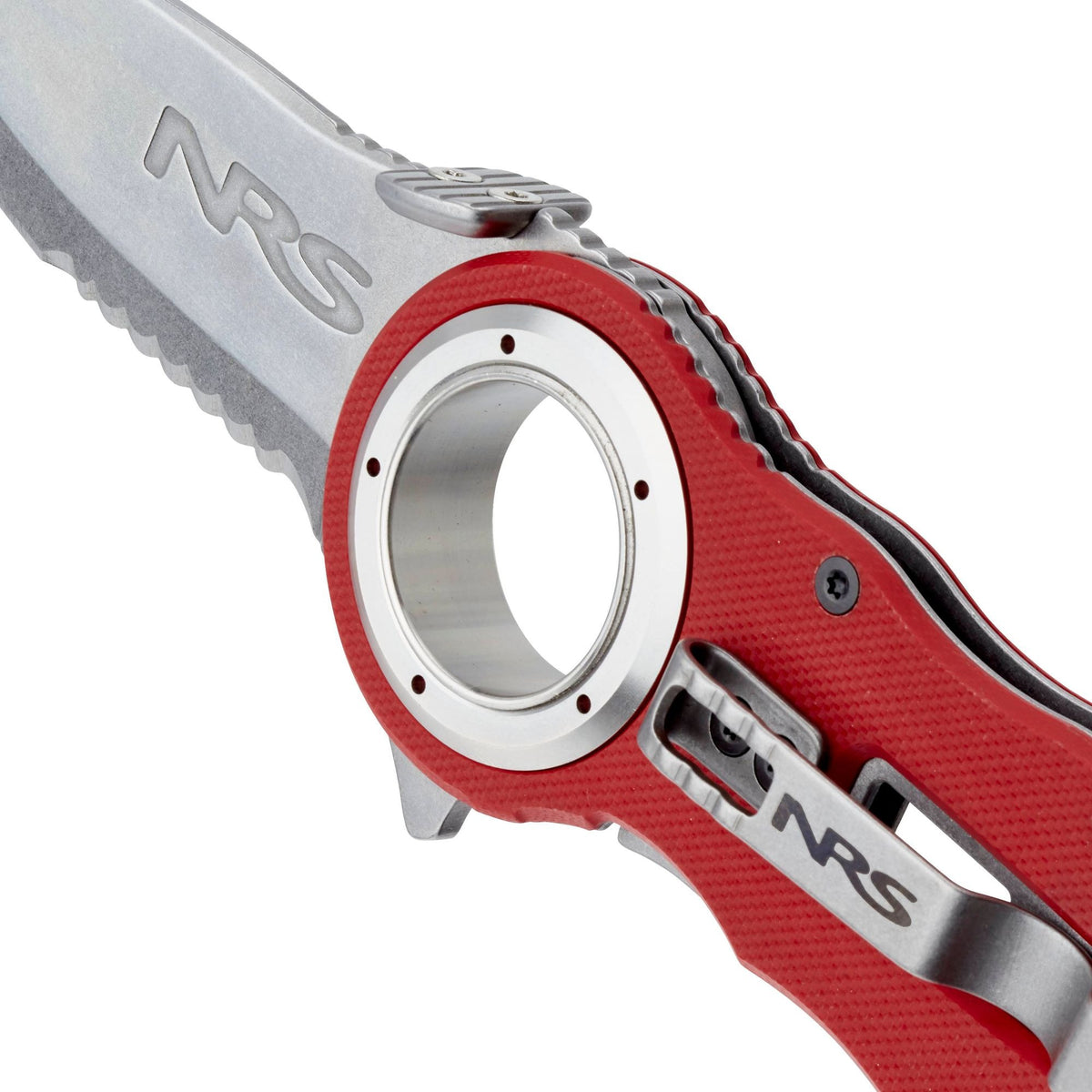
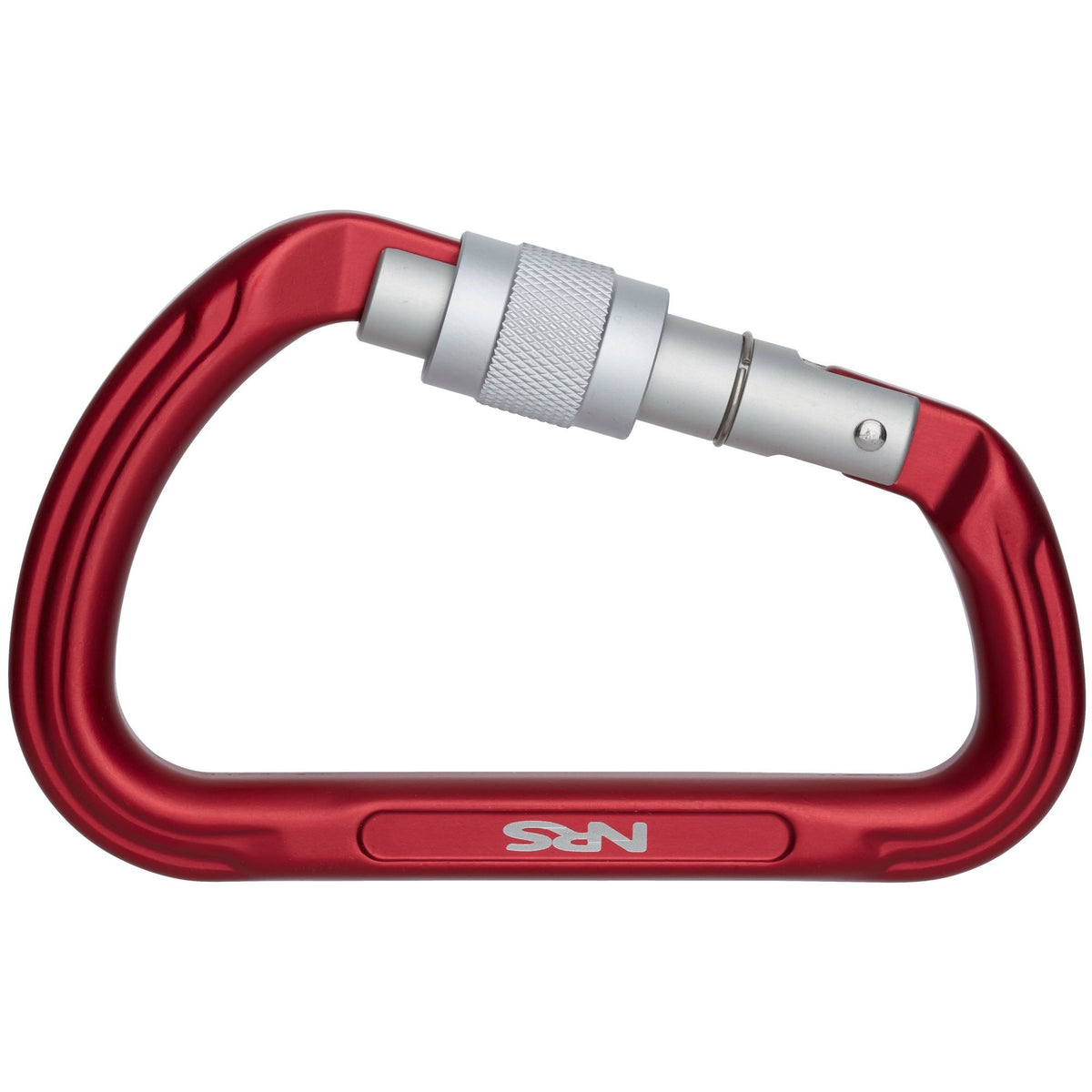
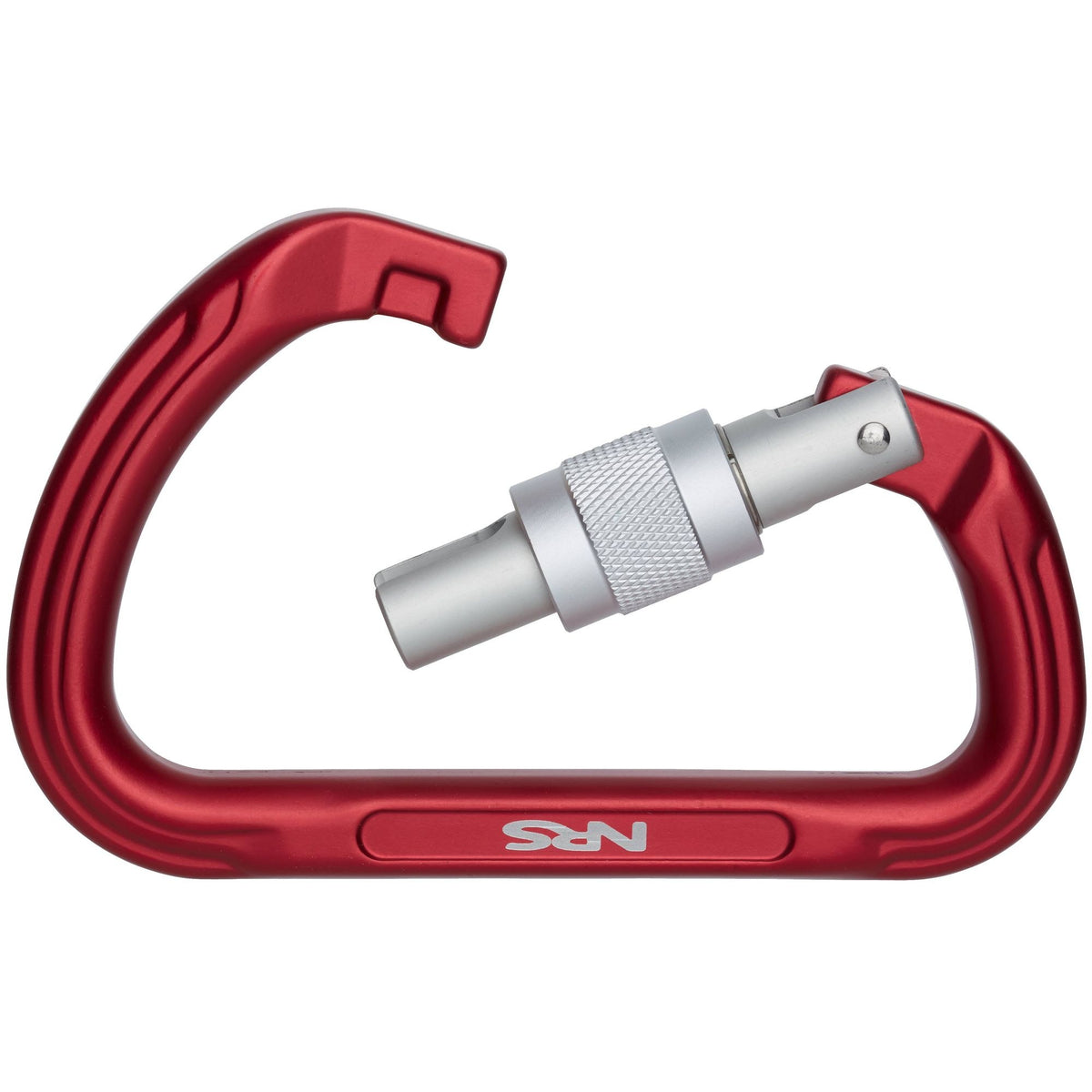
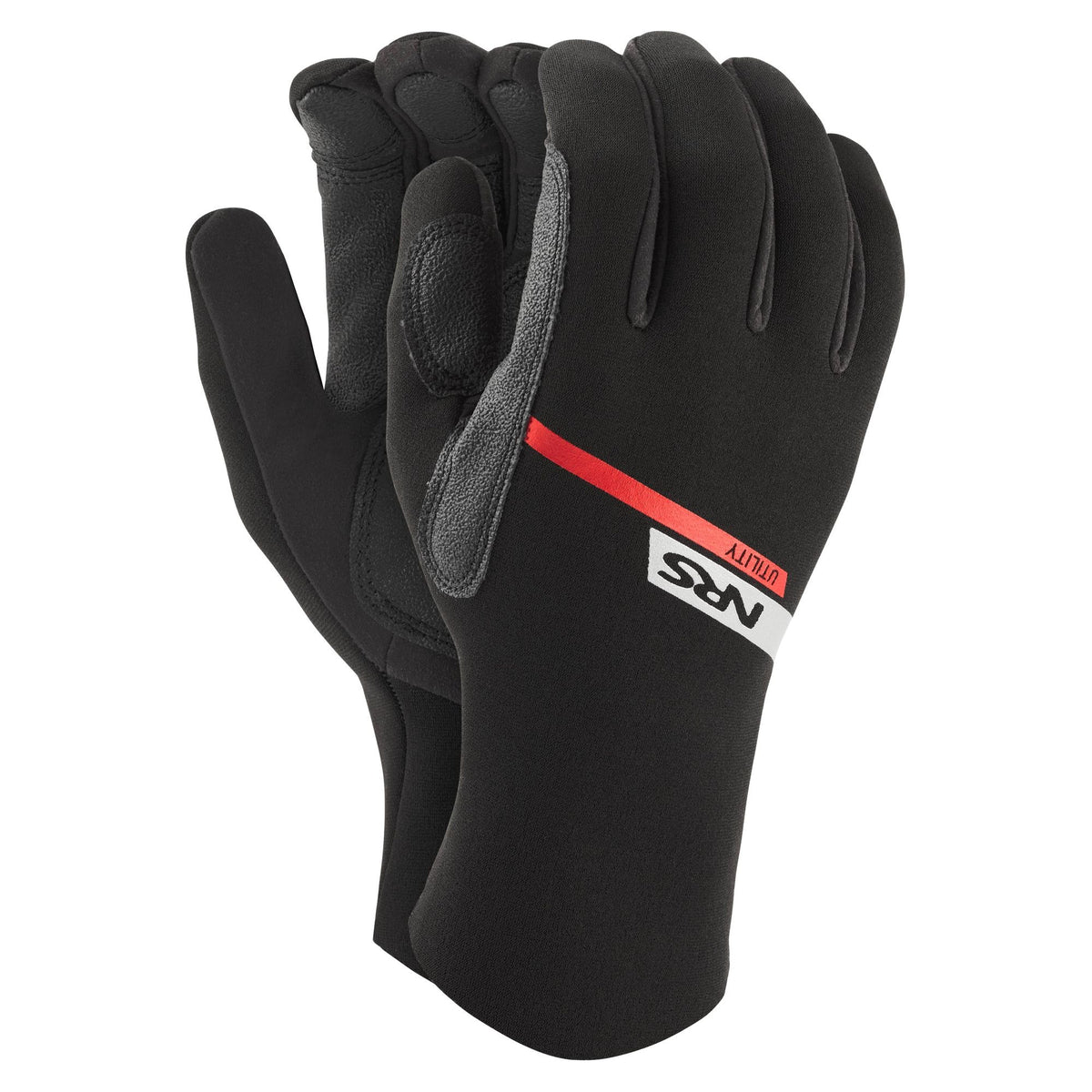
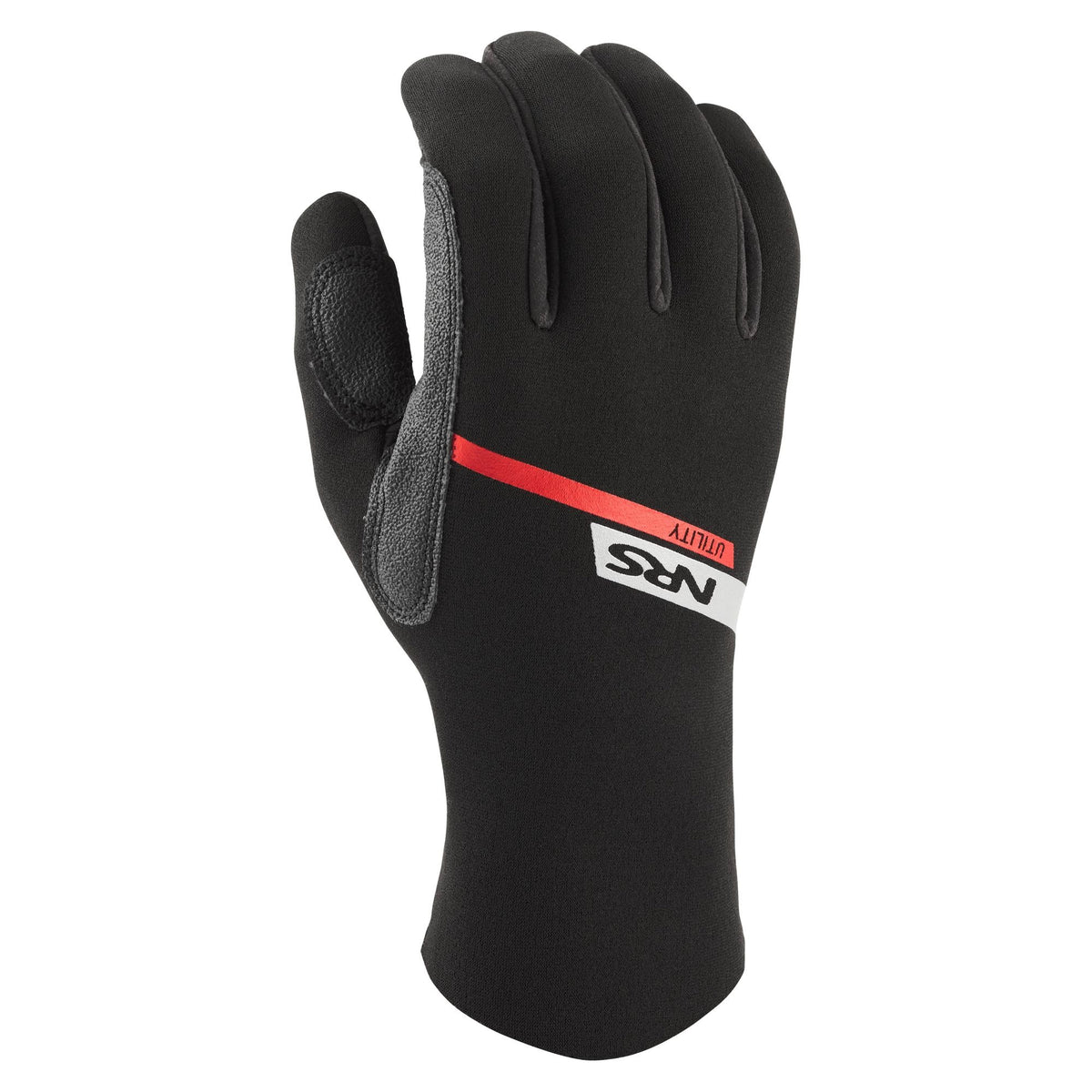
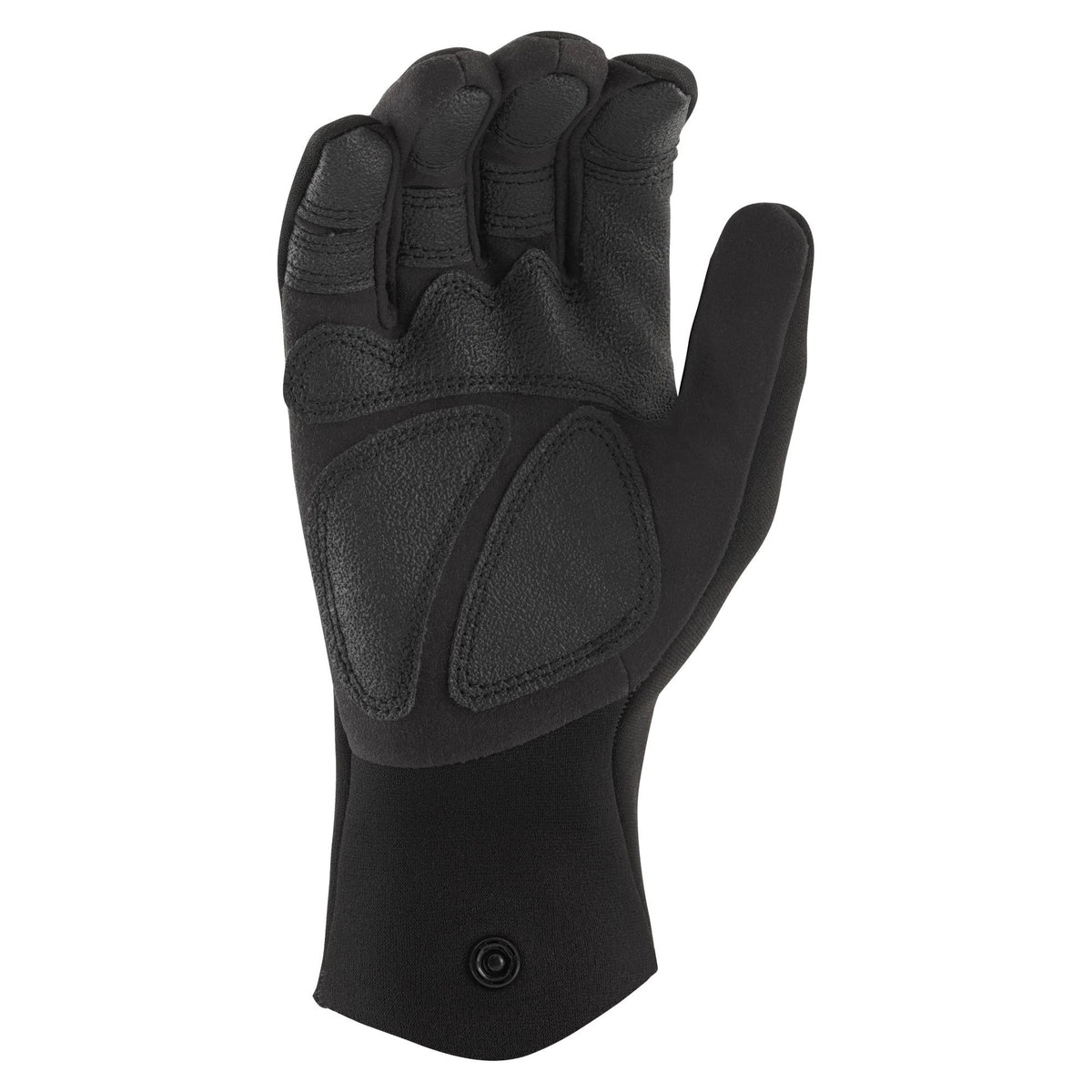
- Clips and cutters: NRS screw-lock carabiners, the tow tether, rescue knife and utility gloves, and Aqualung dive knives and blades.
Every person on the water needs a lifejacket first: see lifejackets and buoyancy aids. The Lalizas range has more rescue gear.
Questions we get asked
How do I use a throw bag?
Hold the free end, throw the bag underarm toward the person and let the line pay out. Practise your throw on dry land first. Never tie the line to yourself or wrap it round your hand, and train with someone experienced.
What is the difference between a throw bag and a rescue line?
A throw bag is a floating line packed in a bag for quick throwing. A rescue line on a lifebuoy lets a person hold on while you pull them in.
Do I need a rescue knife on a kayak?
Many paddlers carry one on the lifejacket to cut a tangled line. Keep it where you can reach it with either hand.