

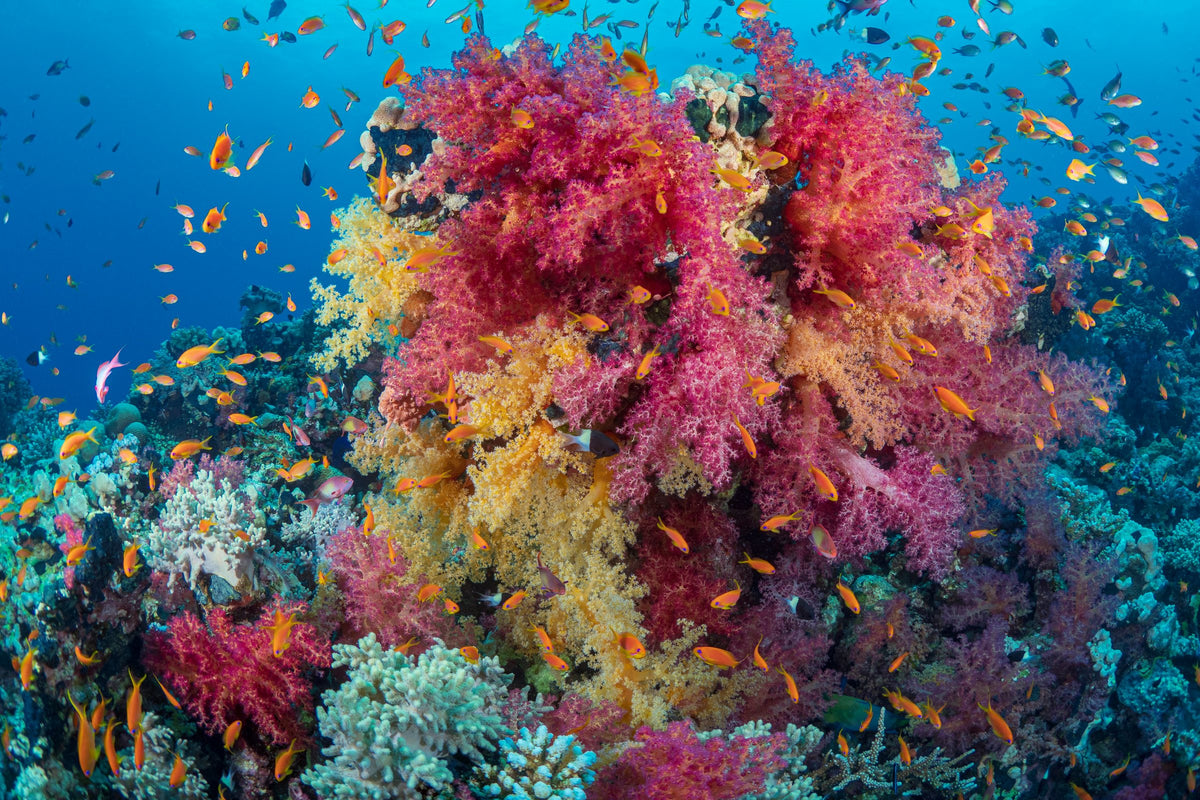
Marine Life
You'll spend most of your dives looking at animals that don't care you're there. This is the biology behind them, with the data rather than the folklore. The shark guide is the one to send to nervous relatives.
Newest first
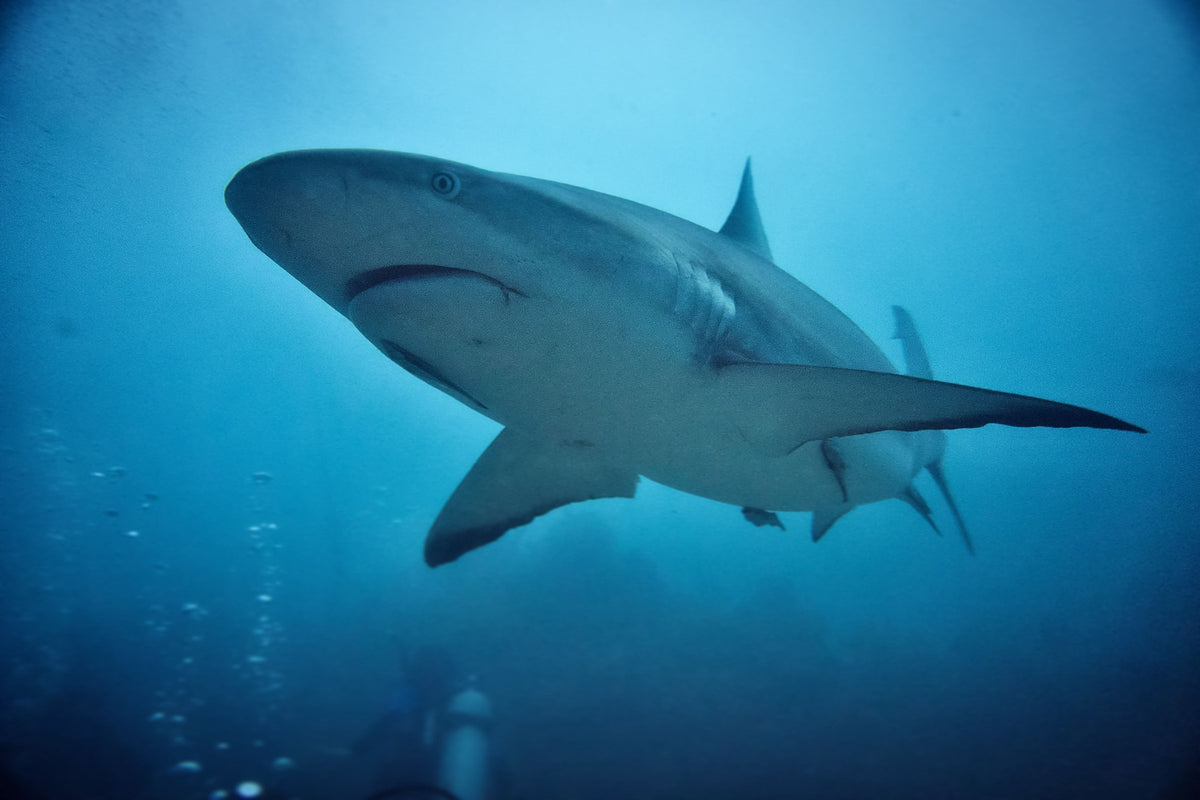
Sharks and Periods
What the Bite Files Show
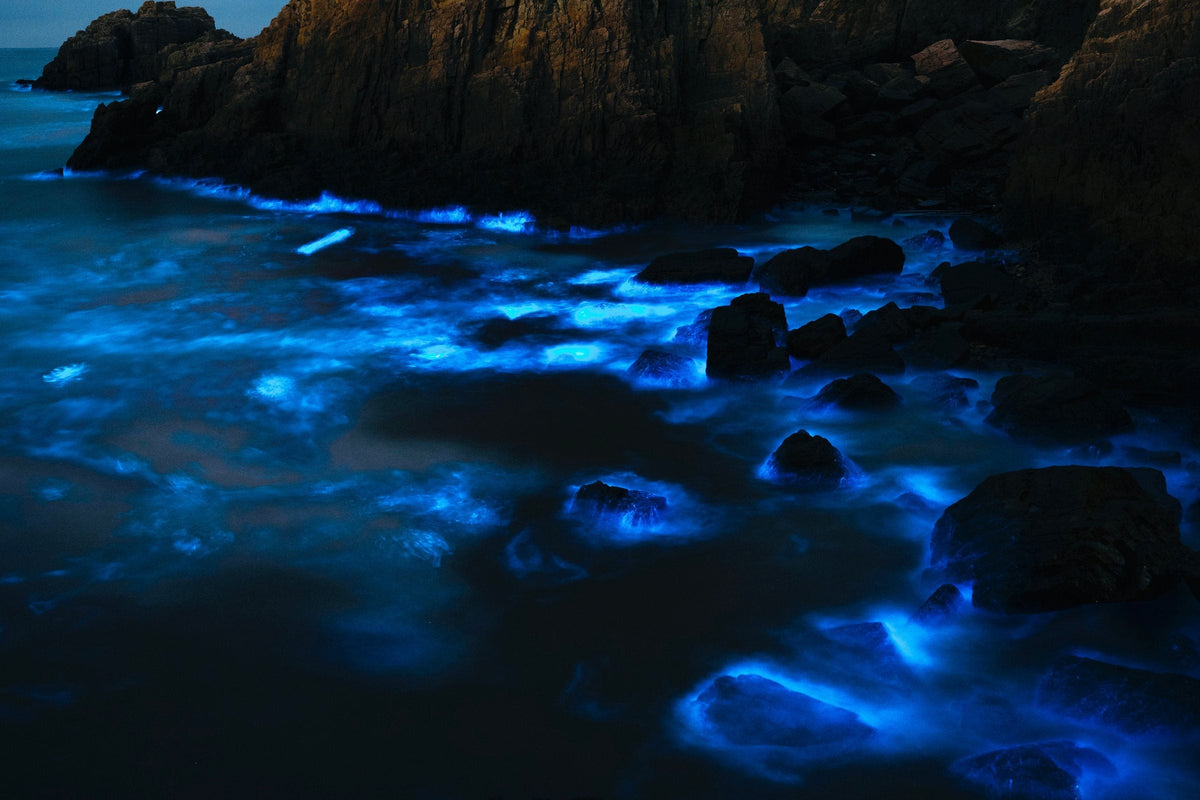
Bioluminescence
Why the Ocean Glows at Night
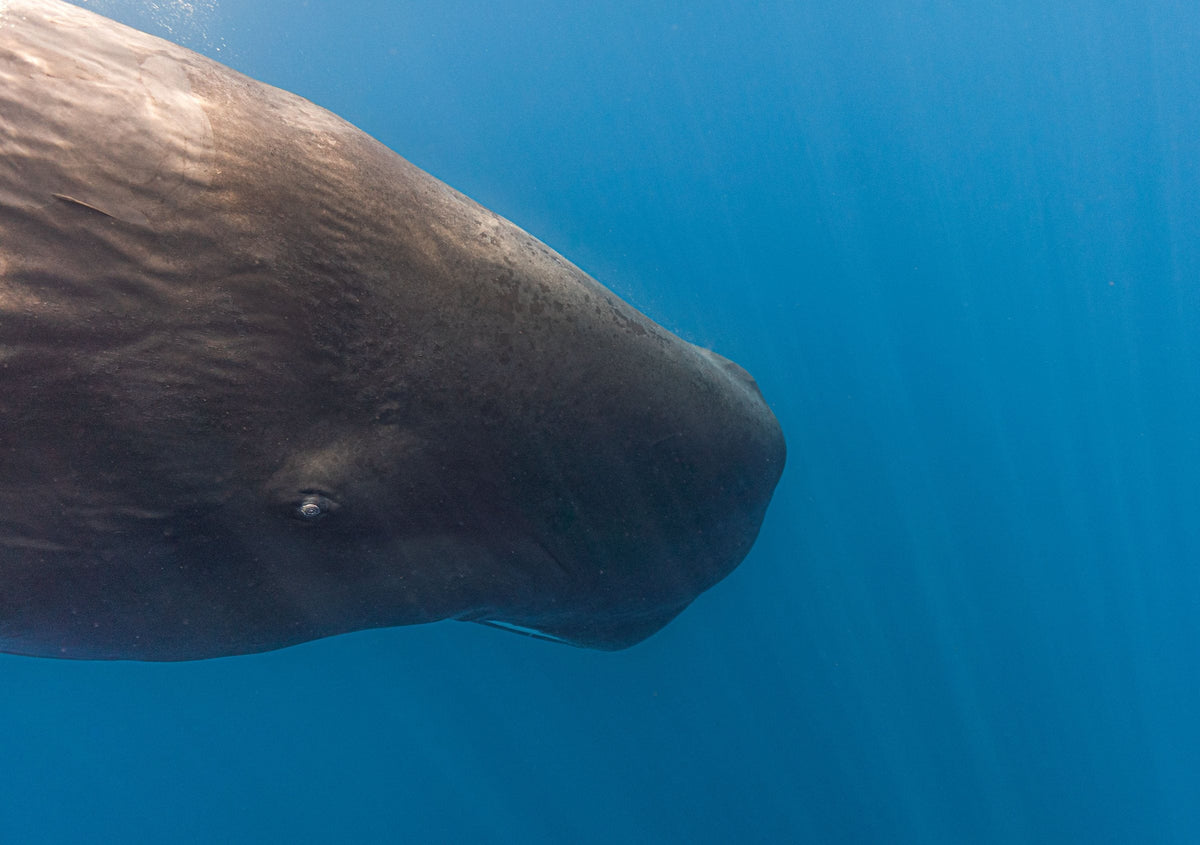
Deep-Diving Whales
Inside a 222-Minute Dive
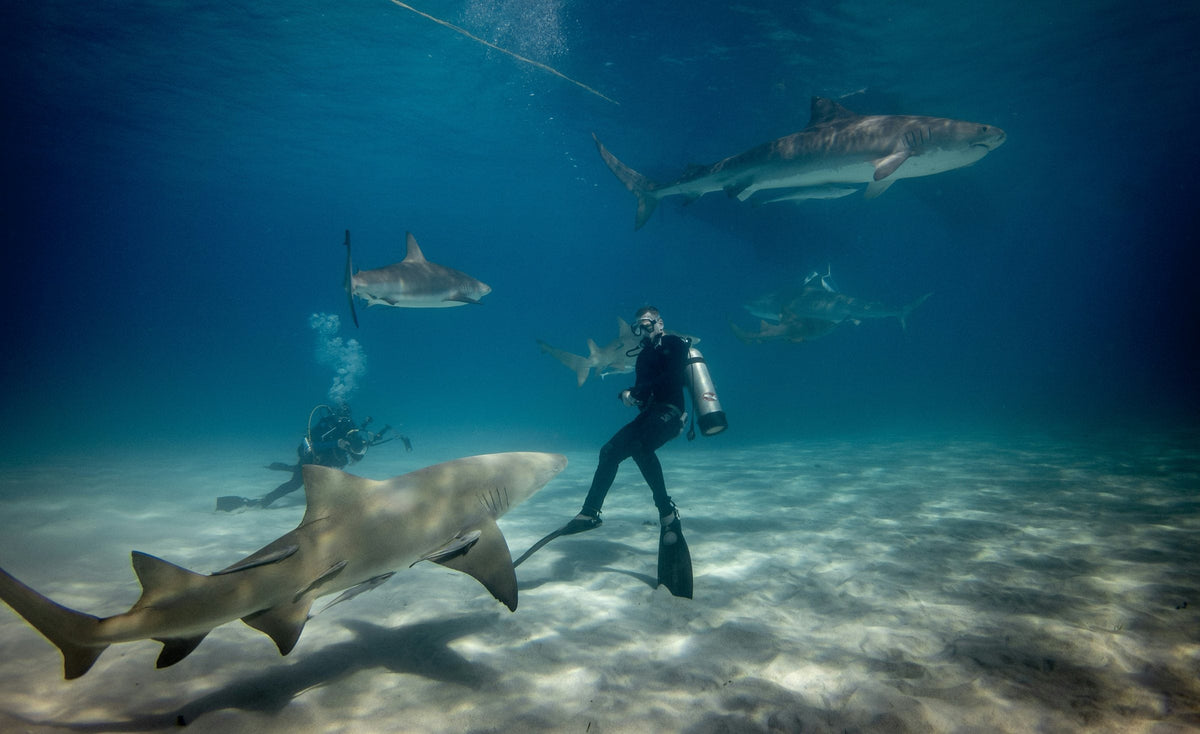
Shark Bites on Divers
What the Records Show
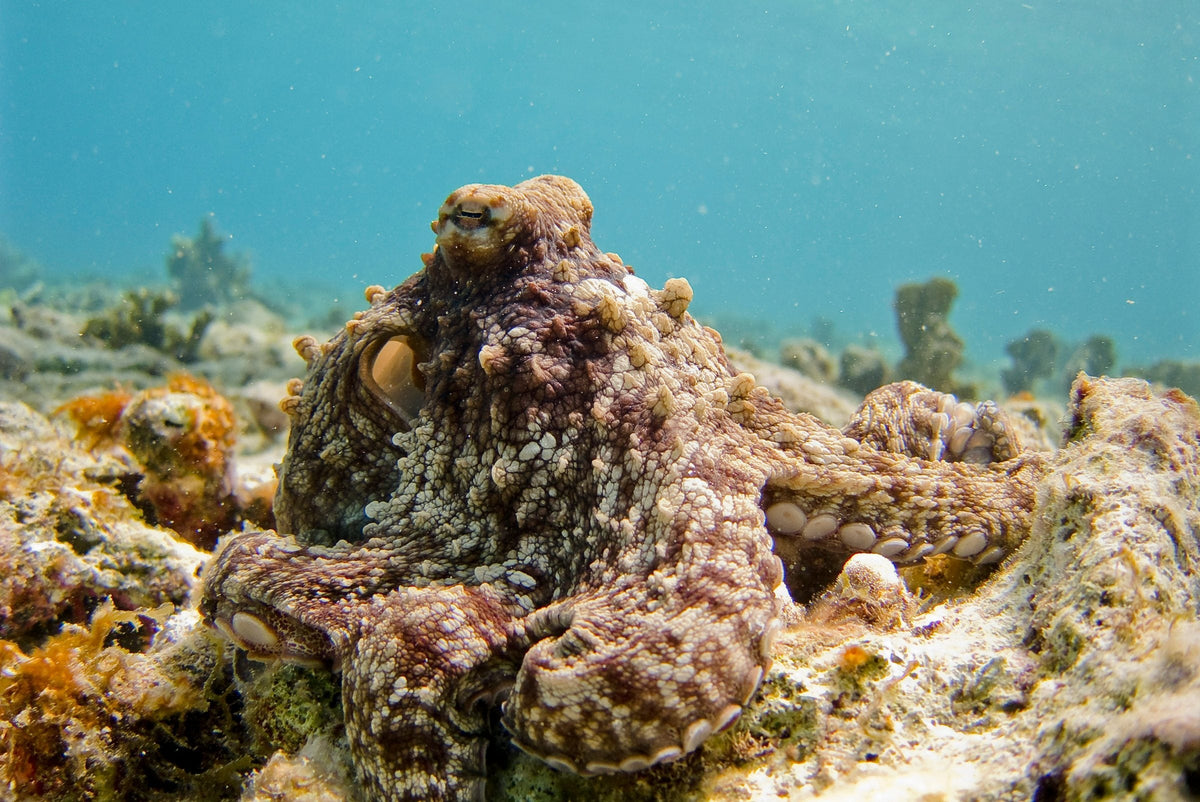
Octopus Camouflage
Colour Without Colour Vision
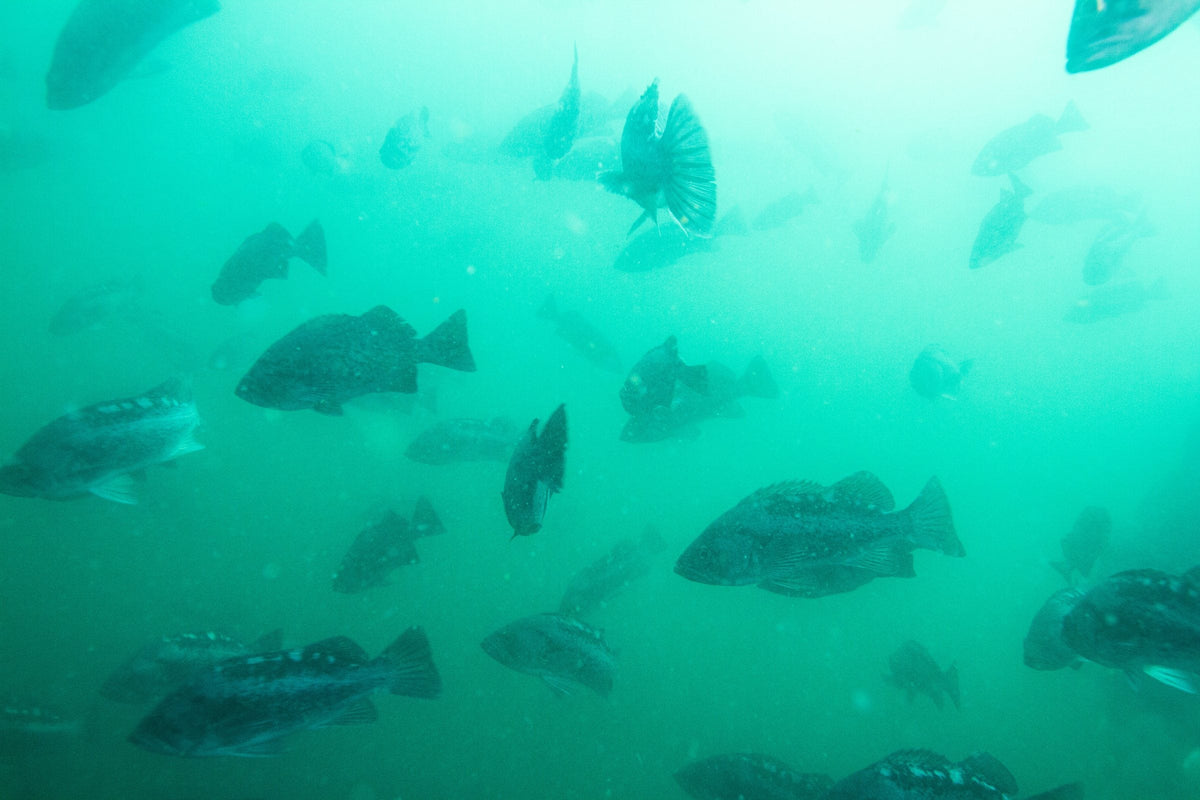
Fish and the Bends
What a Fast Ascent Does
Sharks and Periods
What the Bite Files Show
Bioluminescence
Why the Ocean Glows at Night
Deep-Diving Whales
Inside a 222-Minute Dive
Shark Bites on Divers
What the Records Show
Octopus Camouflage
Colour Without Colour Vision
Fish and the Bends
What a Fast Ascent Does
Quickest reads first
Search all guidesNothing in this guide mentions that
Try a shorter word, or search every guide instead.
The other guides
All guides
Learn to Dive
Learning to dive starts in a pool, with an instructor and no assumption you've done this before.
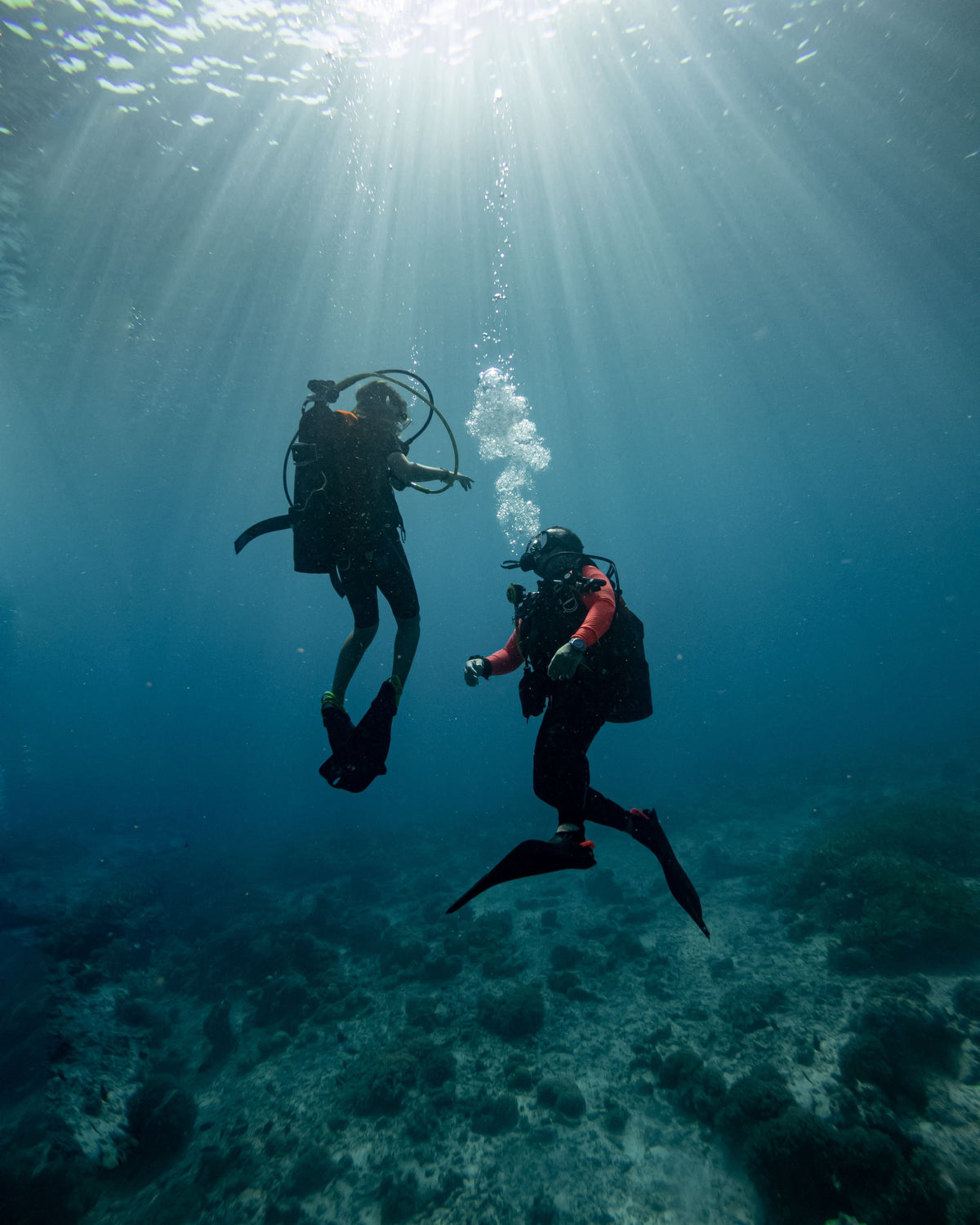
Dive Science
Water bends light, swallows colour and carries sound too fast to place.
Medical & Safety
Diving's rules exist because somebody learned them the hard way.

Gear Guides
Marketing sheets say what a piece of kit does.

