


About Wichard
Wichard bow and captive pin shackles, HR snap shackles, folding pad eyes, a carbine hook, a pelican lifeline hook, a sail snap, a stanchion fairlead and the MXEvo friction block. Wichard was founded in 1919 in Thiers, France, and still forges its stainless steel fittings there, in 316L and high-strength 17-4 PH. Order online from Scuba Evolution in Johannesburg, delivered anywhere in South Africa.
Wichard in South Africa
Wichard was founded in 1919 in Thiers, France, by Henri Wichard, first making forged safety parts for industry. In the early 1970s it began developing boat fittings with sailors such as Moitessier and Tabarly, and it says it has forged its products in Thiers ever since. Wichard points out that a forged part deforms before it breaks rather than failing without warning. We carry its deck and rigging hardware; the brand also makes industrial parts.
316L or HR stainless
Wichard uses two main grades here. 316L is the marine grade chosen for corrosion resistance. HR is 17-4 PH, a high-resistance stainless that Wichard says can be up to 60 percent stronger than the same shackle in 316L. Wichard gives working load limits for its shackles for industrial lifting only, and the HR bow shackle must not be used for mooring.
Shackles
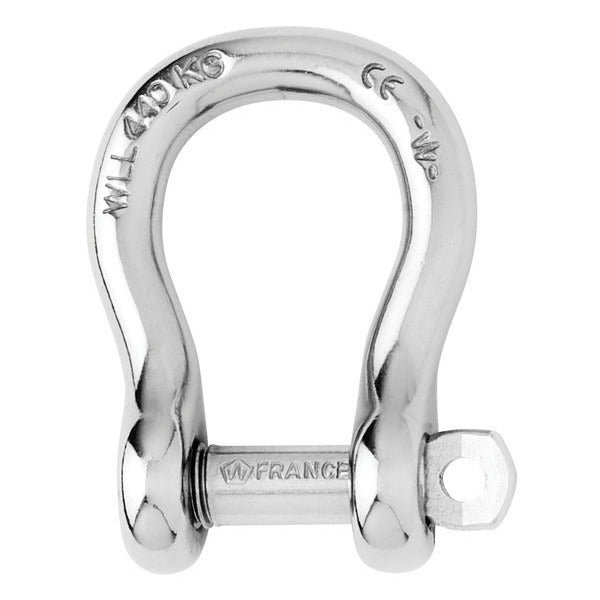
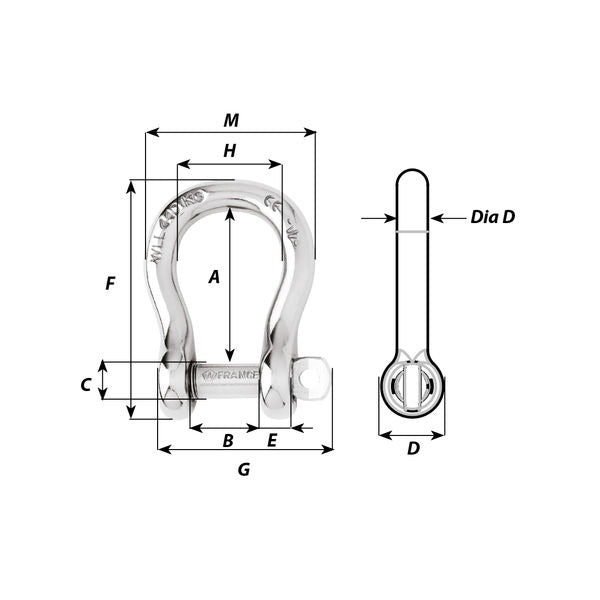
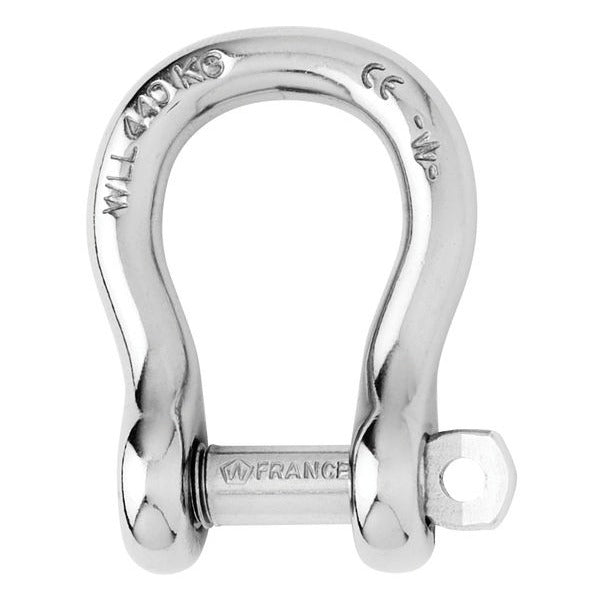
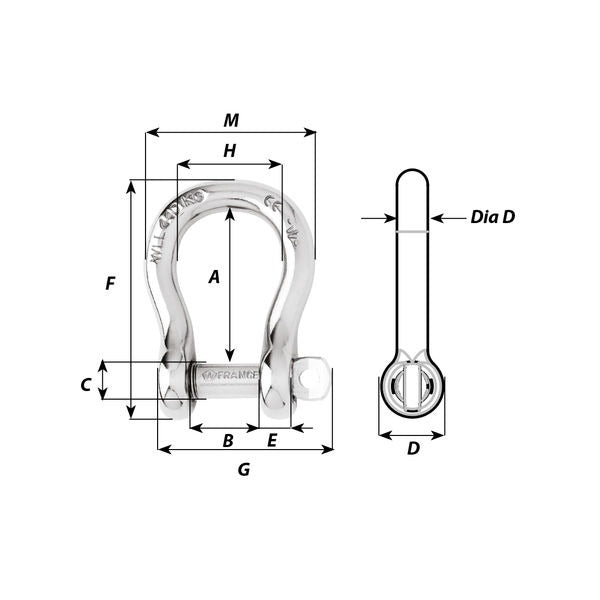
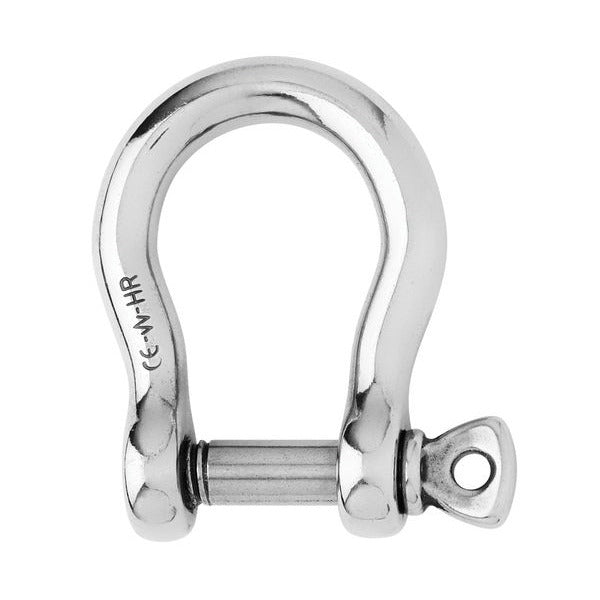
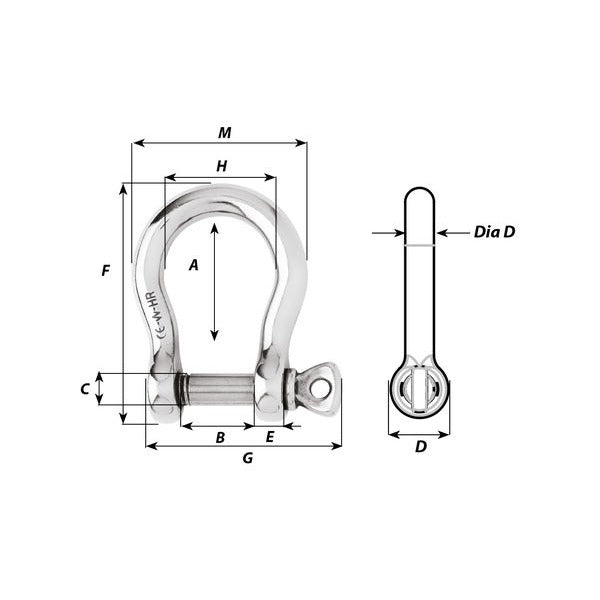
A bow shackle's wide, rounded body takes several lines or cables on one pin. The Captive Pin Bow Shackle 5 mm and 6 mm are 316L, and the pin stays attached to the body even when open, so it can't go over the side. It locks into an indentation so vibration can't work it loose. For heavier rigging, the HR Bow Shackle 10 mm is forged in 17-4 PH with a 10 mm pin.
Snap shackles
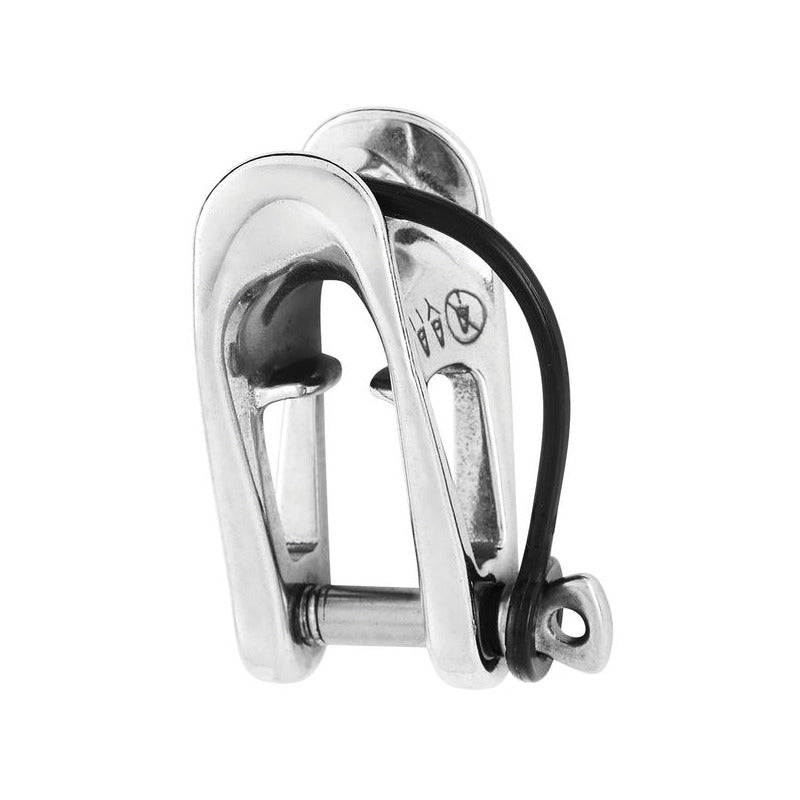
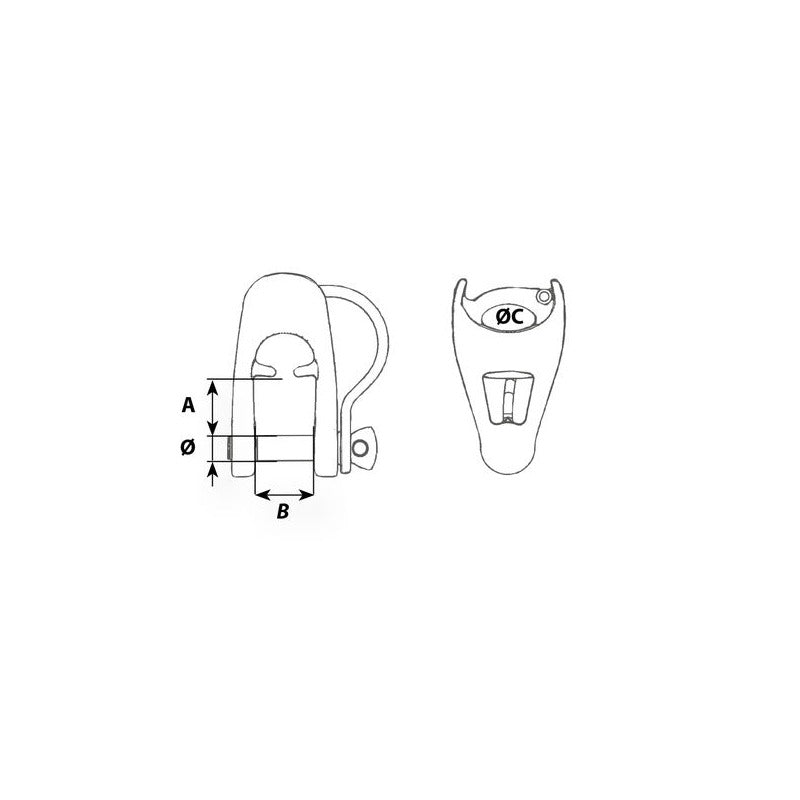
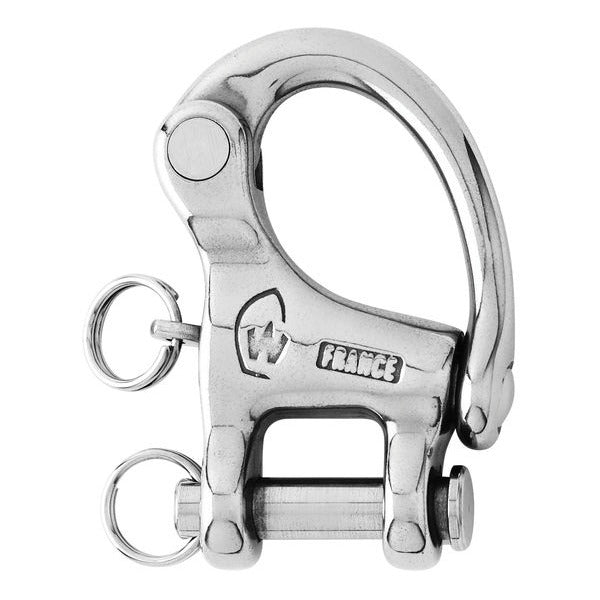
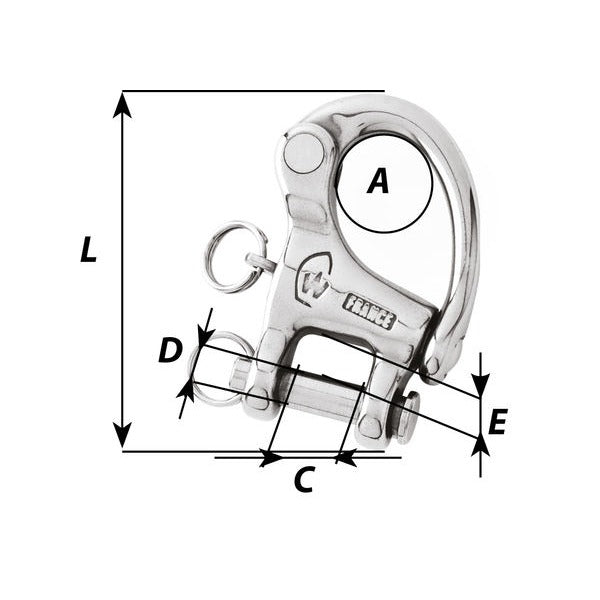
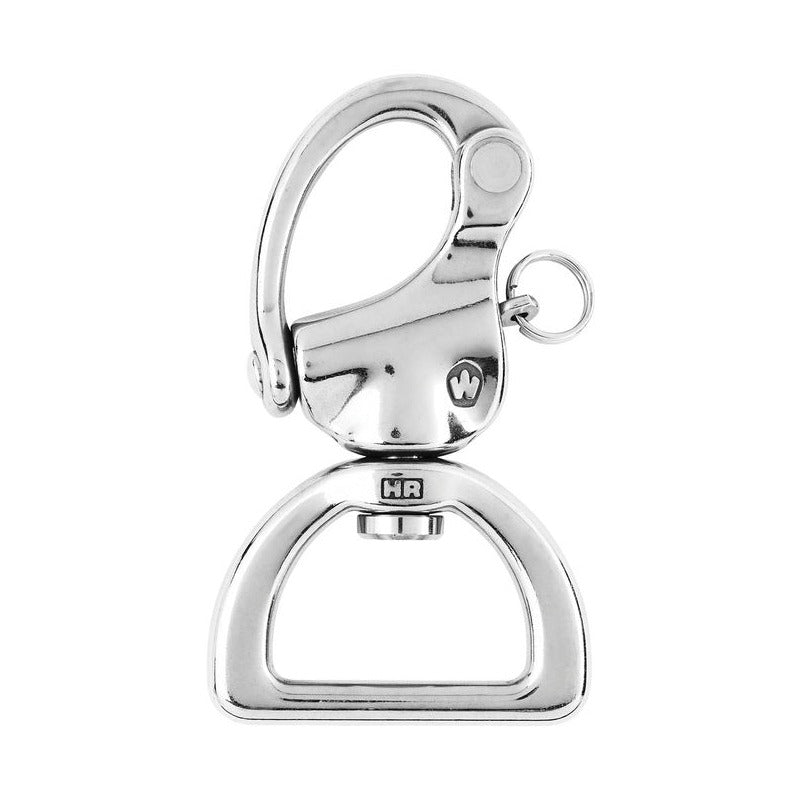
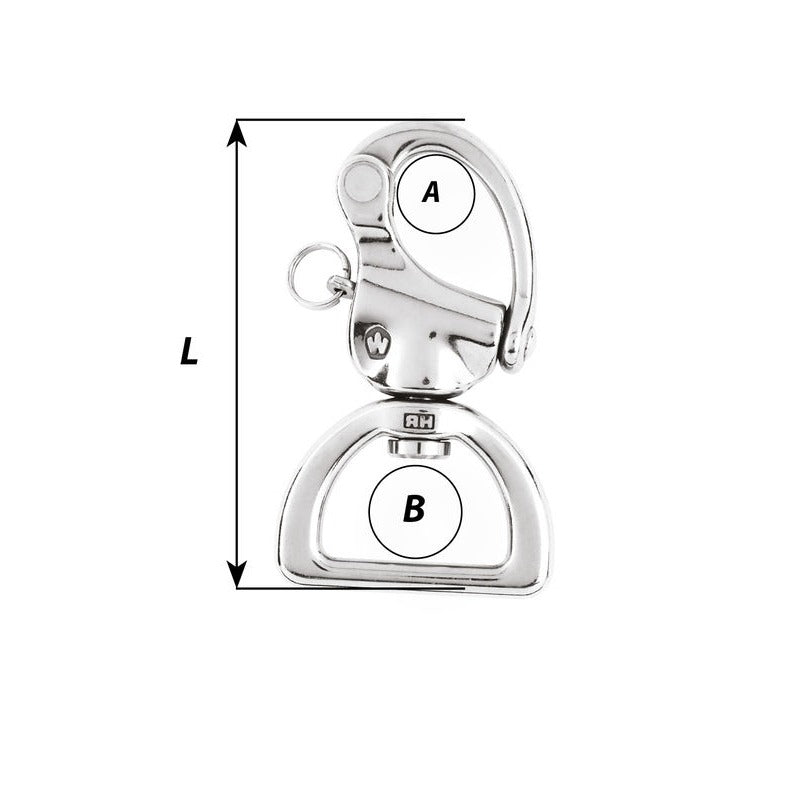
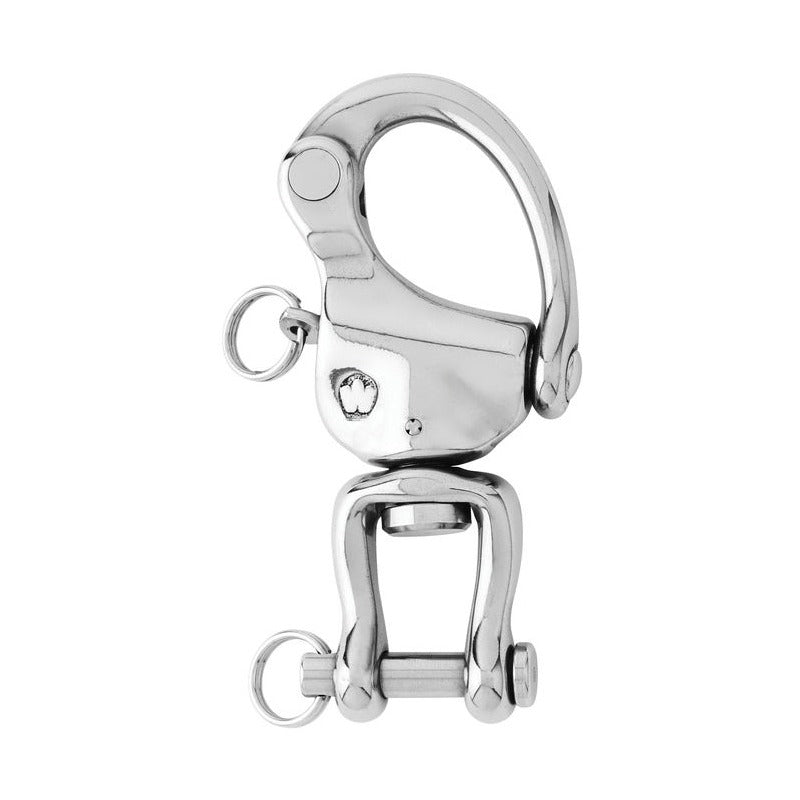
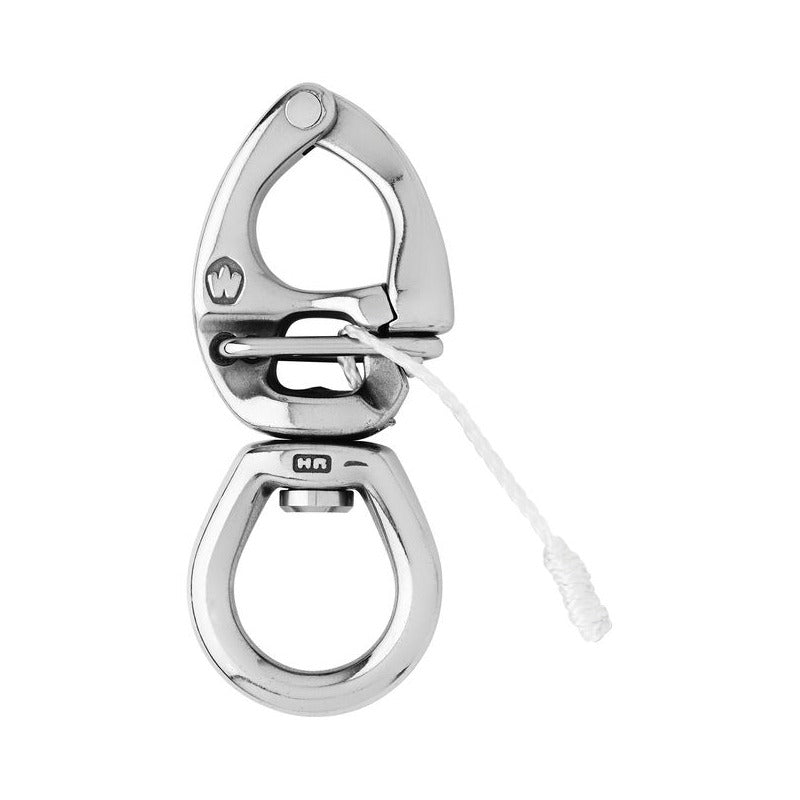
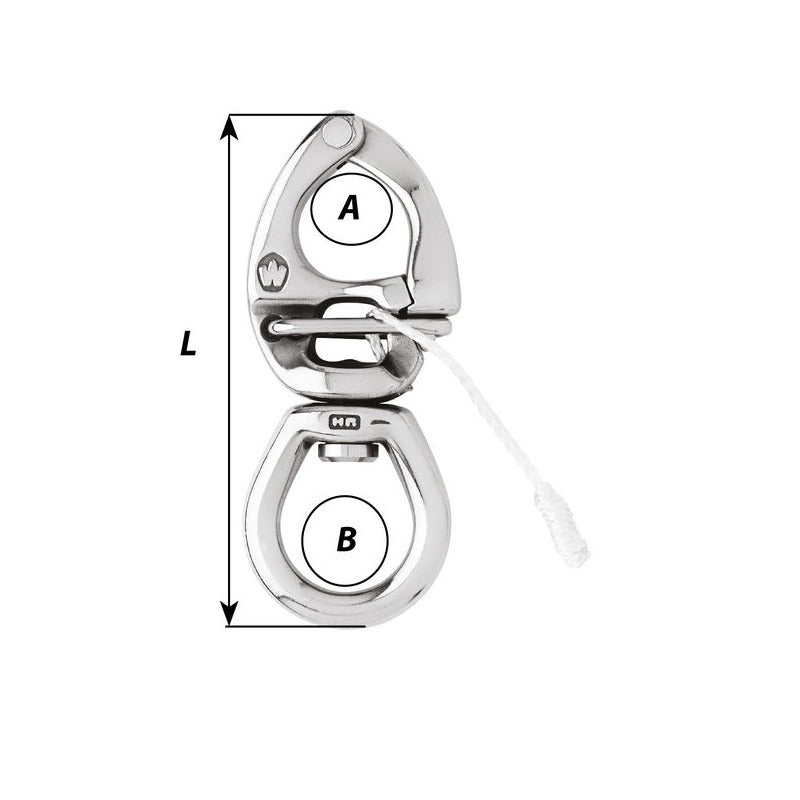
A snap shackle opens under load with one hand. All of ours are HR, with a captive plunger pin and the option of a lanyard for opening from a distance. Choose by the connection. The HR Snap Shackle with Clevis Pin 86 mm bolts straight onto a sail corner, pad eye or strop. The HR Snap Shackle with Clevis Pin Swivel 120 mm adds a swivel so lines don't twist. The HR Snap Shackle with Webbing Swivel 80 mm has a flat swivel eye for a strap. For spinnaker work, the HR Quick Release Snap Shackle with Large Bail releases a loaded line with a pull on the lanyard and takes more than one line on its bail.
Deck fittings
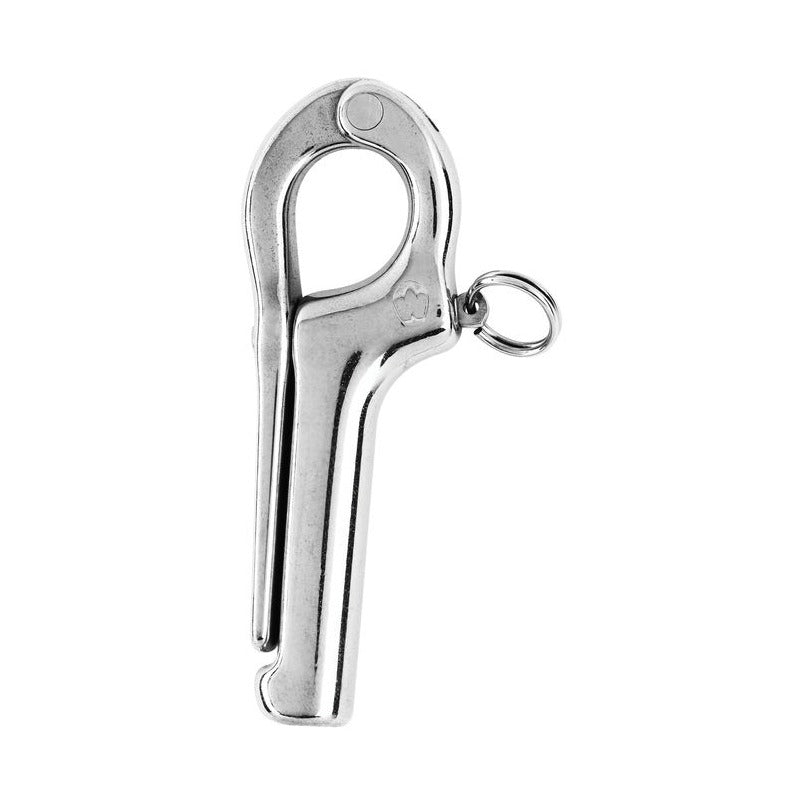
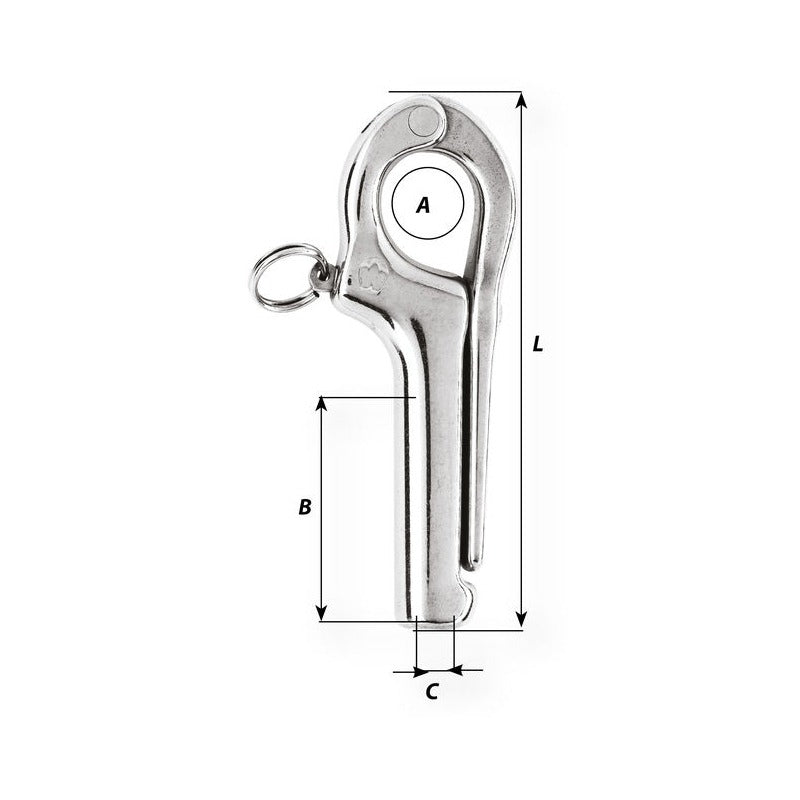
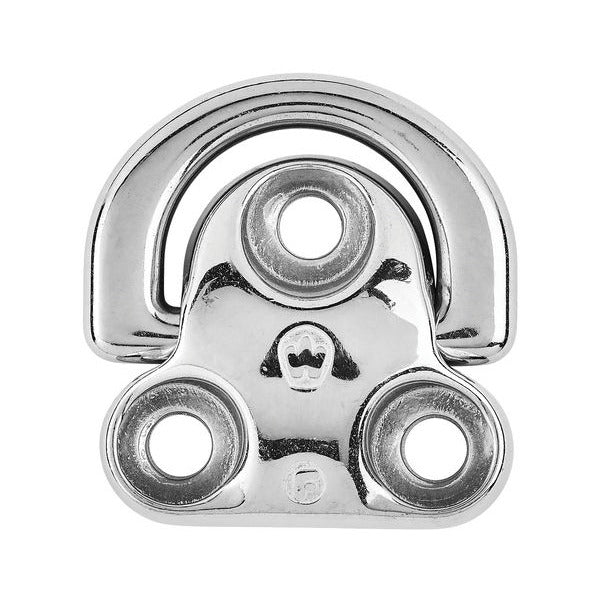
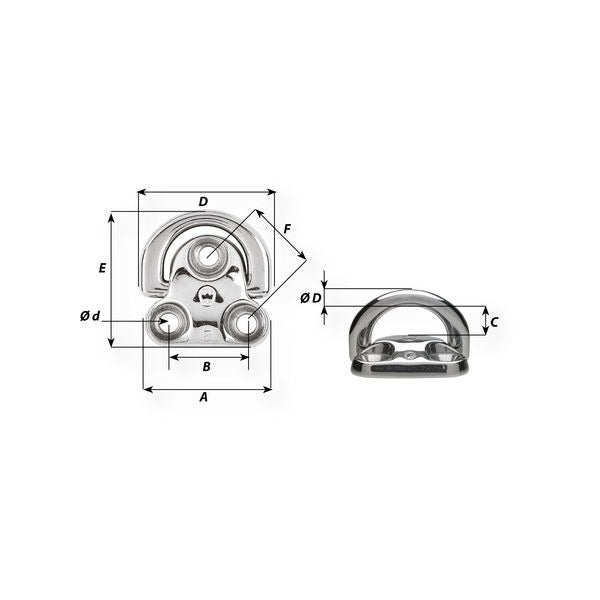
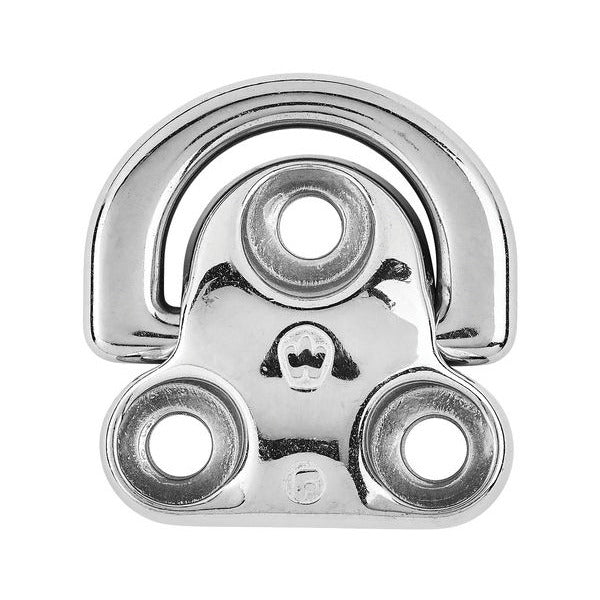
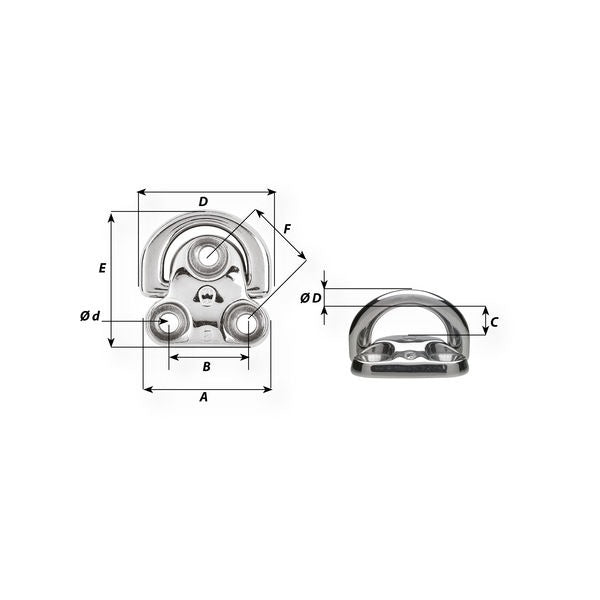
The Folding Pad Eye 8 mm and 10 mm are drop forged attachment points for a block, stay, lifeline, tether or jib tack. The ring folds flat when not in use, and a silicone pad stops it rattling against the deck. Choose bolts and a backing plate to suit your deck. The Pelican Lifeline Hook closes and tensions a lifeline gate in one movement of the lever, with 22 mm of tensioning travel and an M8 thread.
Hooks, snaps and blocks
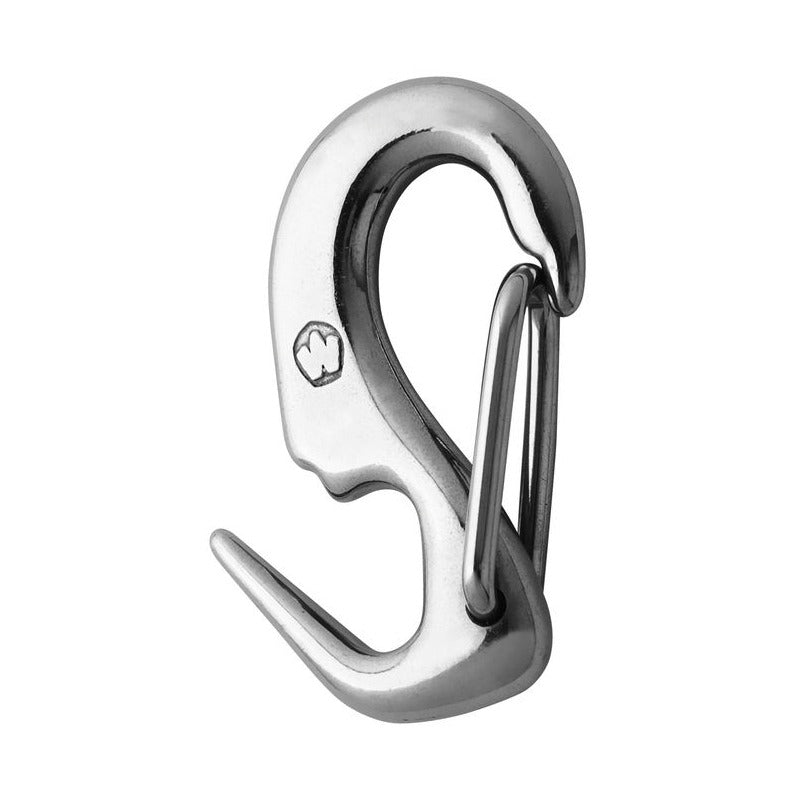
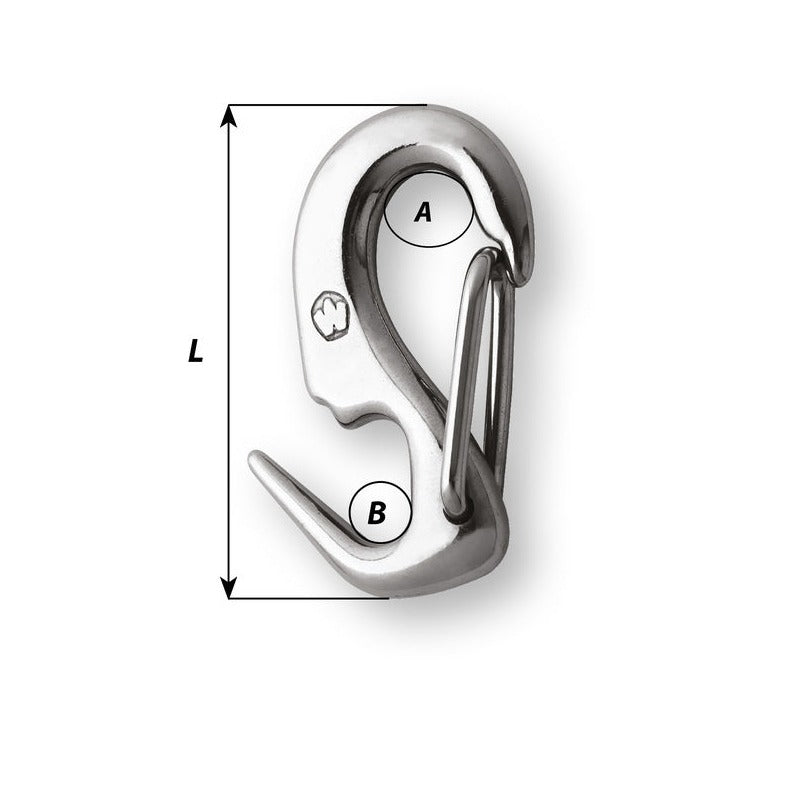
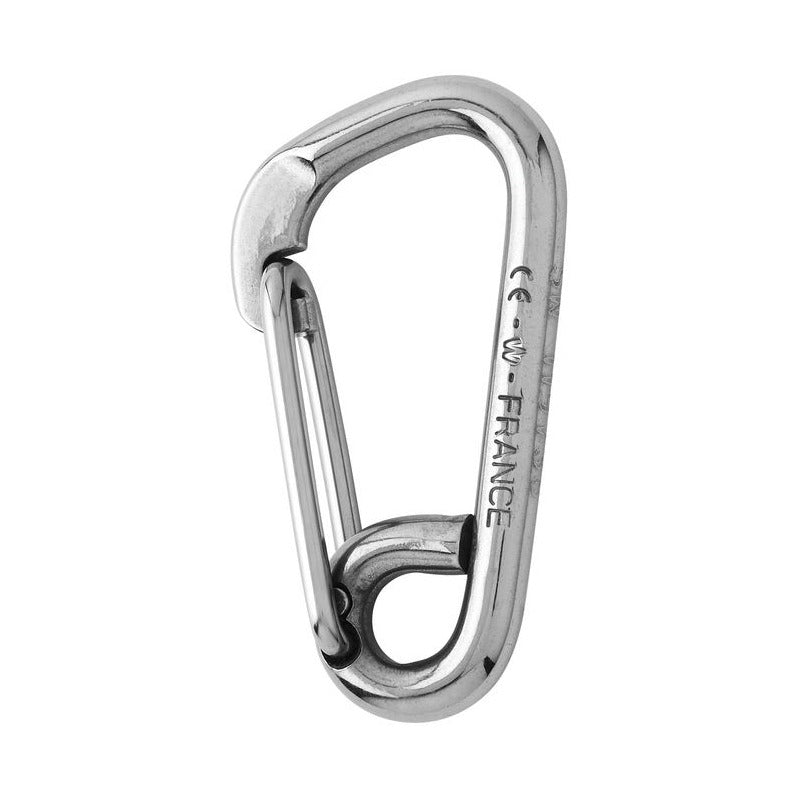
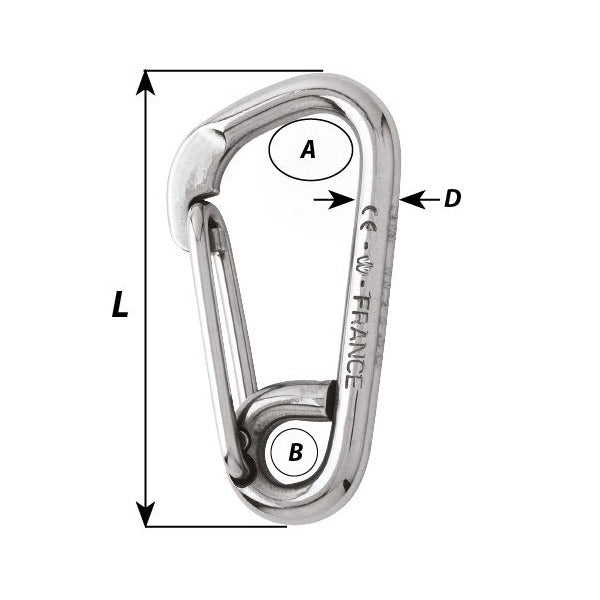
The Asymmetric Carbine Hook is the 316L clip Wichard fits to its own safety tethers, with an eye for webbing; no load figures are given, so confirm the rating before relying on it. The One Hand Sail Snap is a 50 mm 316L snap for hoisting a storm jib or staysail. The Double Fairlead clips to a 25 mm stanchion with hook-and-loop to lead a furler's continuous line, and the MXEvo Friction Block has no moving parts and takes rope up to 14 mm. Browse more in boat hardware and deck.
Questions we get asked
How do I order Wichard in Johannesburg?
Order Wichard shackles and fittings online from Scuba Evolution in Johannesburg, delivered anywhere in South Africa.
What's the difference between Wichard HR and 316L?
HR is 17-4 PH, a high-resistance stainless steel that Wichard says can be up to 60 percent stronger than 316L. 316L is the marine grade chosen for corrosion resistance.
Can I use a Wichard bow shackle on a mooring?
No. Wichard states that its HR bow shackle must not be used for mooring, and that its working load limits apply only to industrial uses such as lifting.
Why choose a captive pin shackle?
The pin stays attached to the body when the shackle is open, so it can't be dropped overboard, and it locks into the body so vibration can't loosen it.
Where are Wichard fittings made?
Wichard has forged its products in Thiers, France, since it was founded there in 1919, using mainly 316L and 17-4 PH stainless steel.