


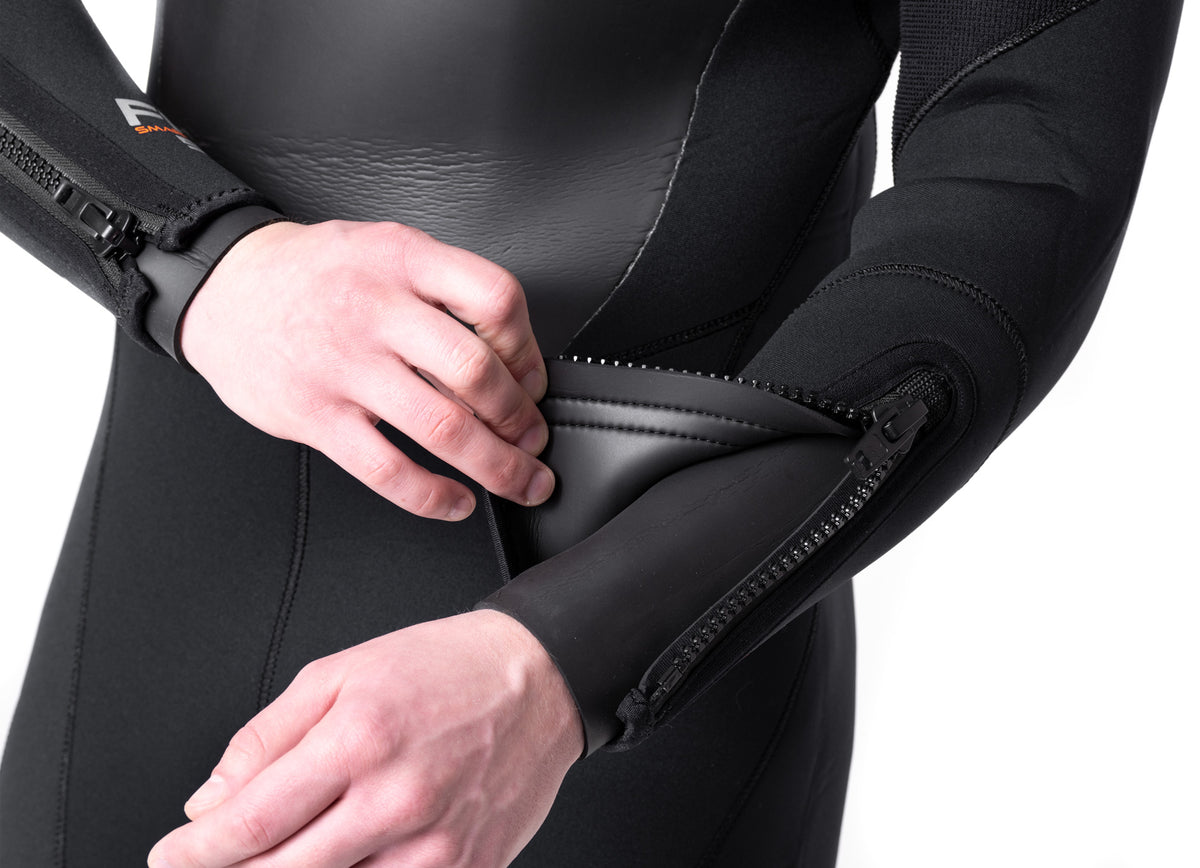
Oneflex Steamer 5.0 B-Zip Mens


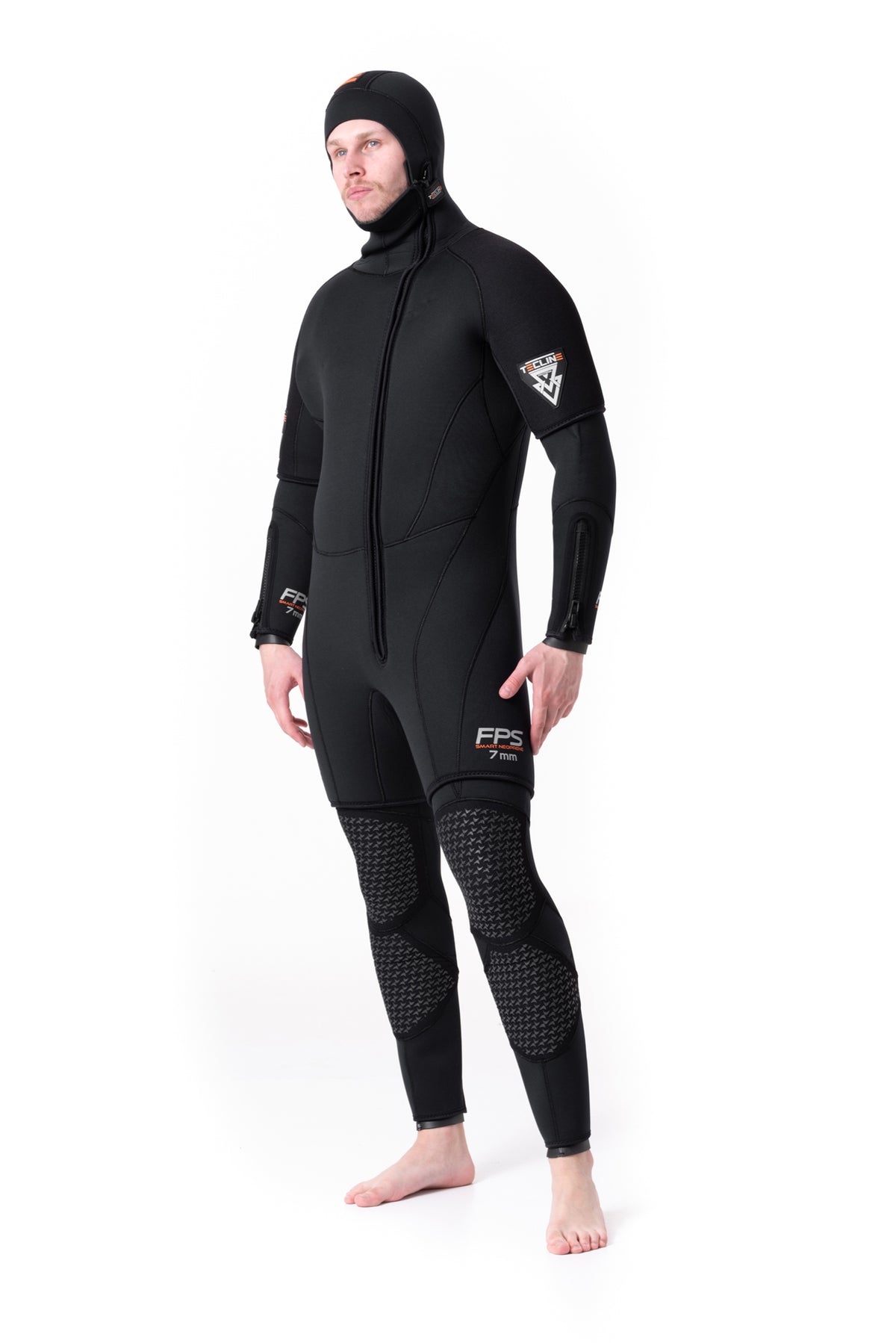
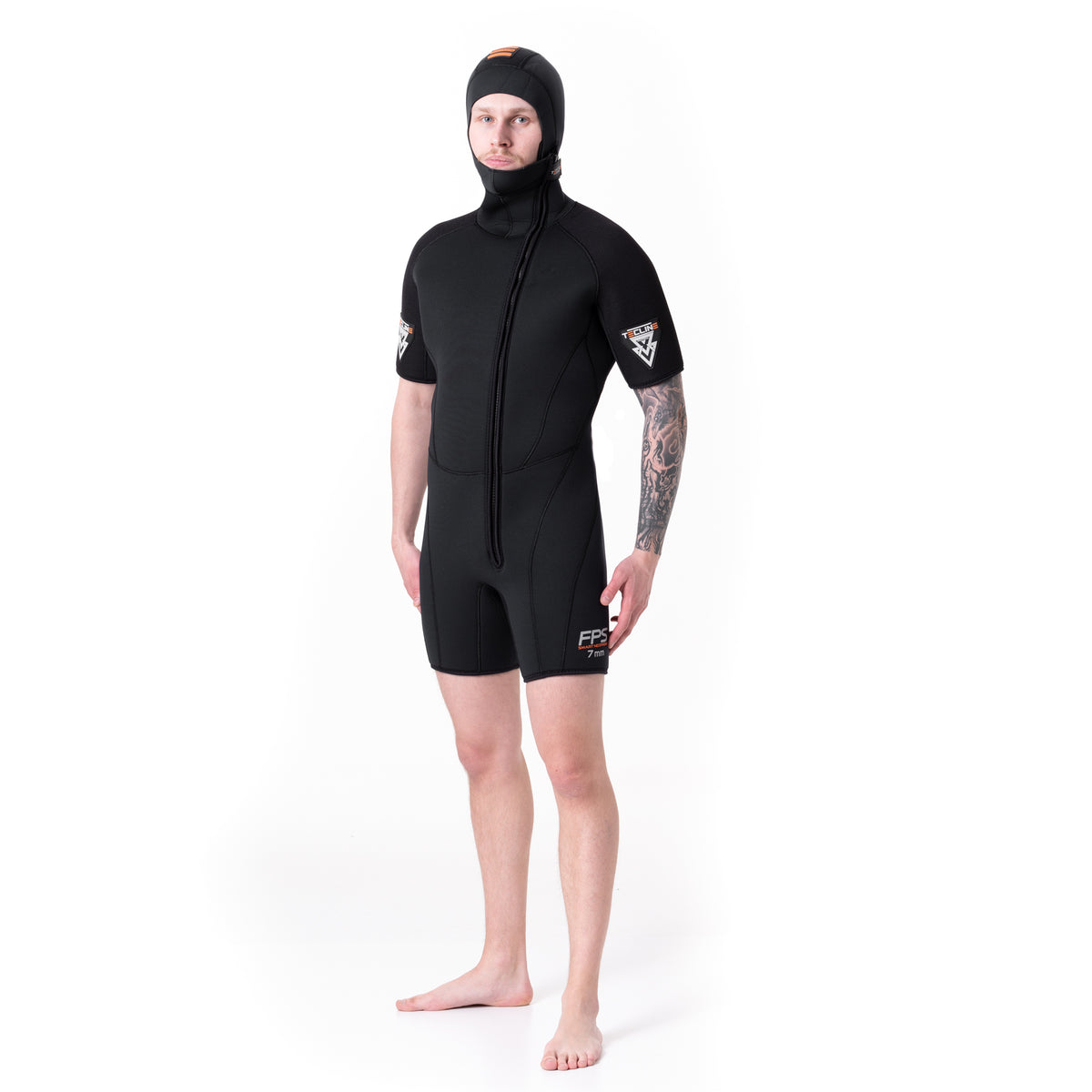
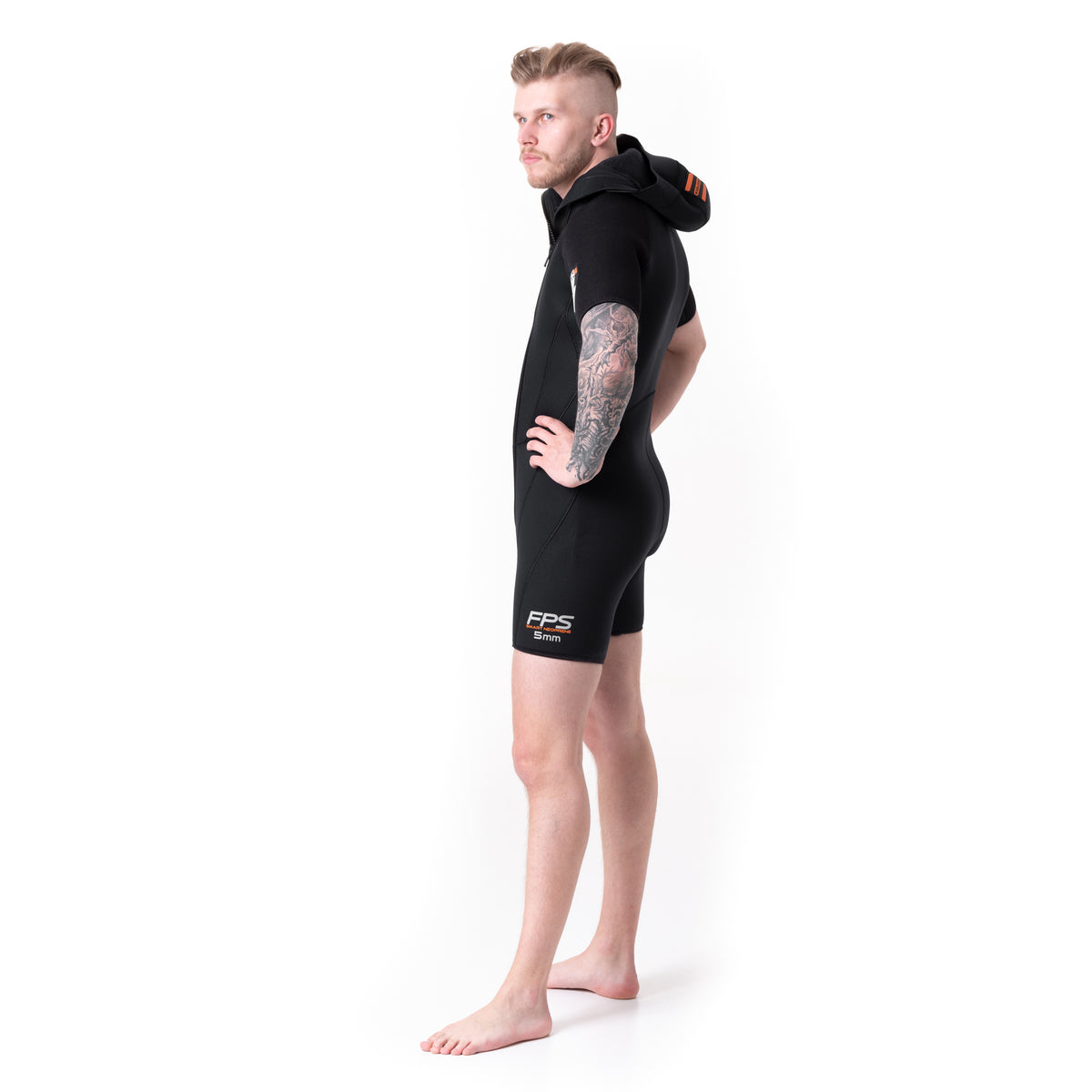

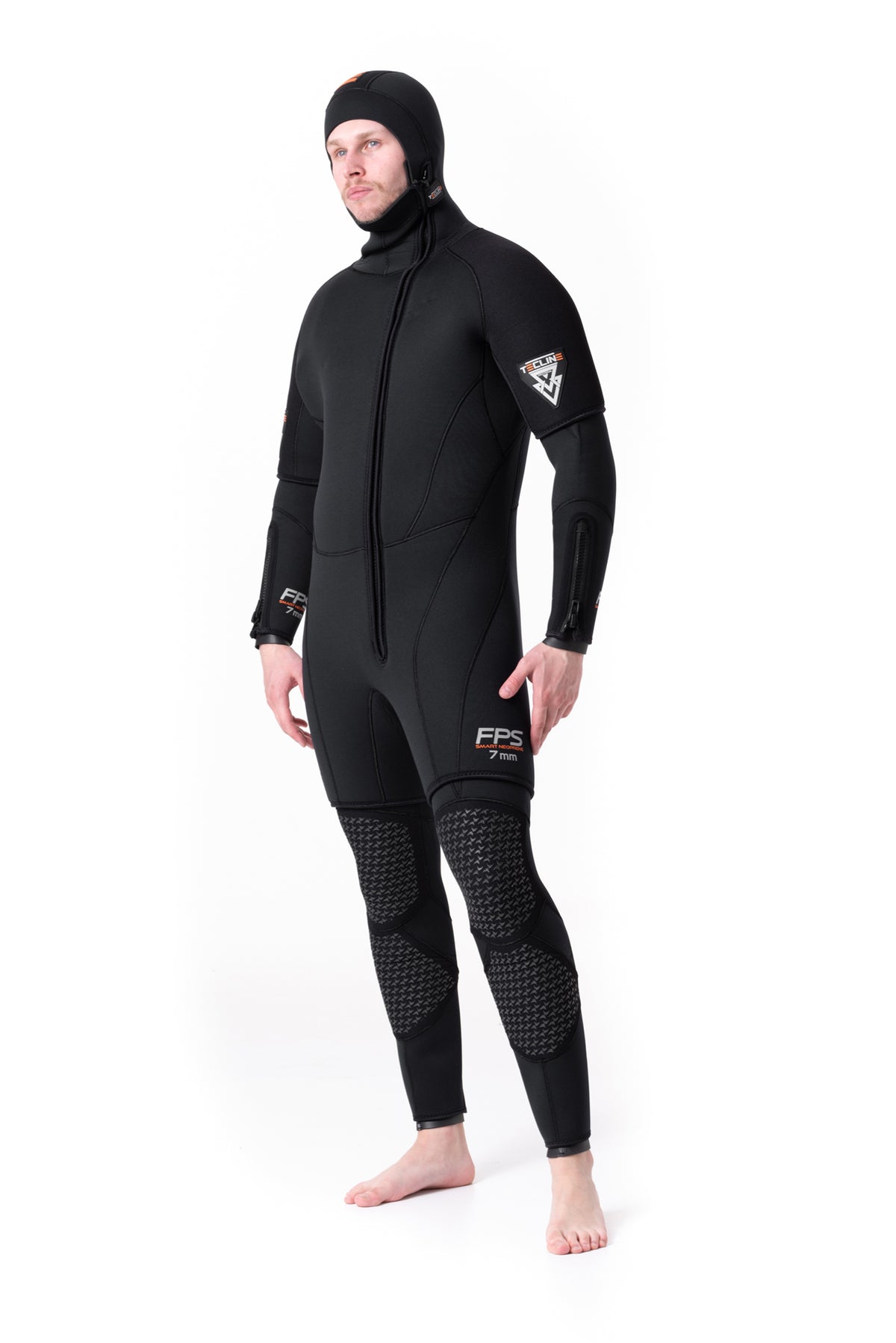








How to choose a full wetsuit
A full wetsuit traps a thin layer of water against your skin, which your body warms. It suits most South African diving, from warm Sodwana to the cooler Cape, and adult suits here mostly cost about R7,000 to R15,000. The right thickness and fit decide whether you stay comfortable.
Thickness and style
- 3 mm suits warm water above about 25 degrees, 5 mm suits most moderate water, and 7 mm suits cold water and winter quarries.
- Semi-dry suits seal at the wrists and ankles to reduce flushing, and keep you warmer in cold water.
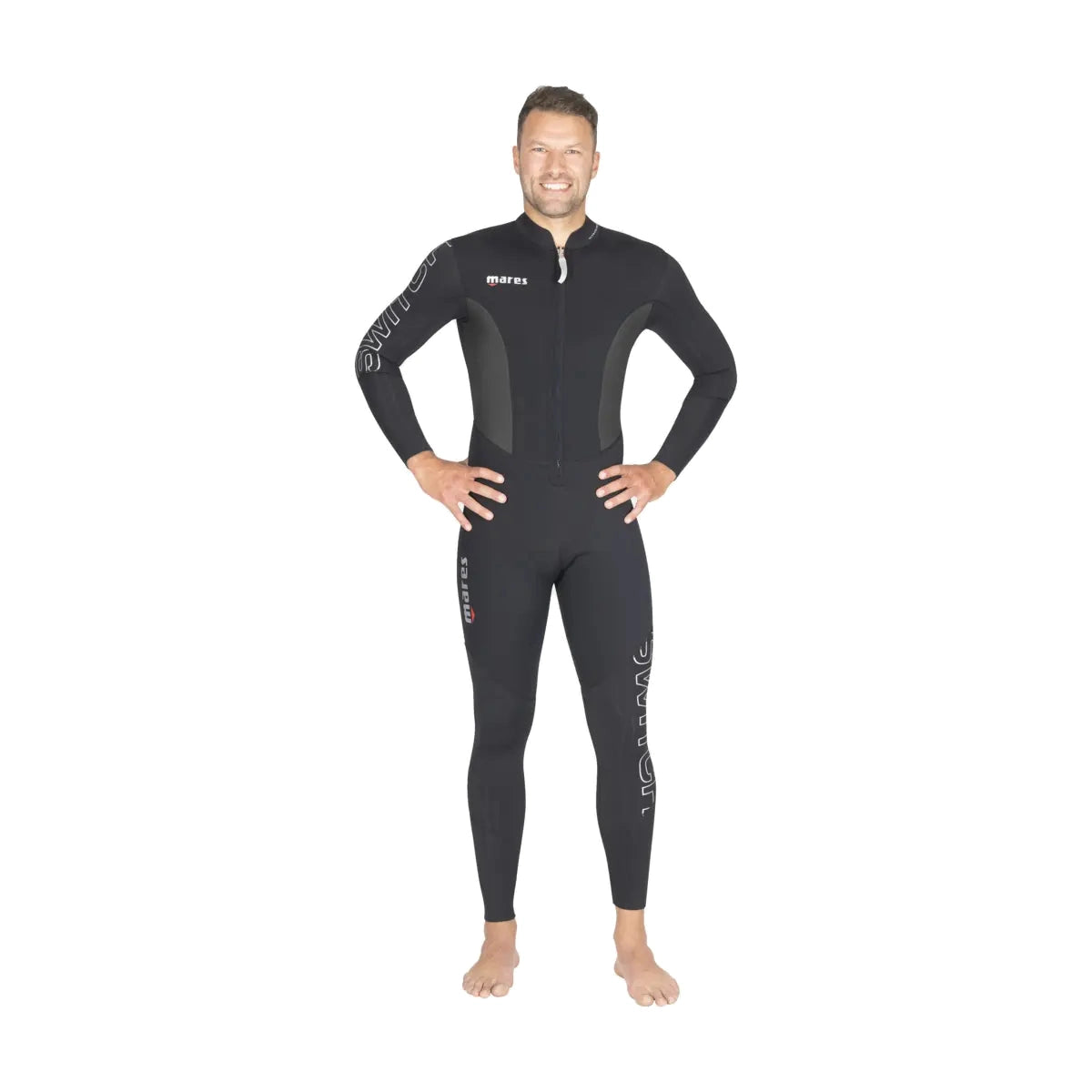
- Back-zip suits are easy to put on, and chest-zip or zipperless suits reduce flushing.
Fit
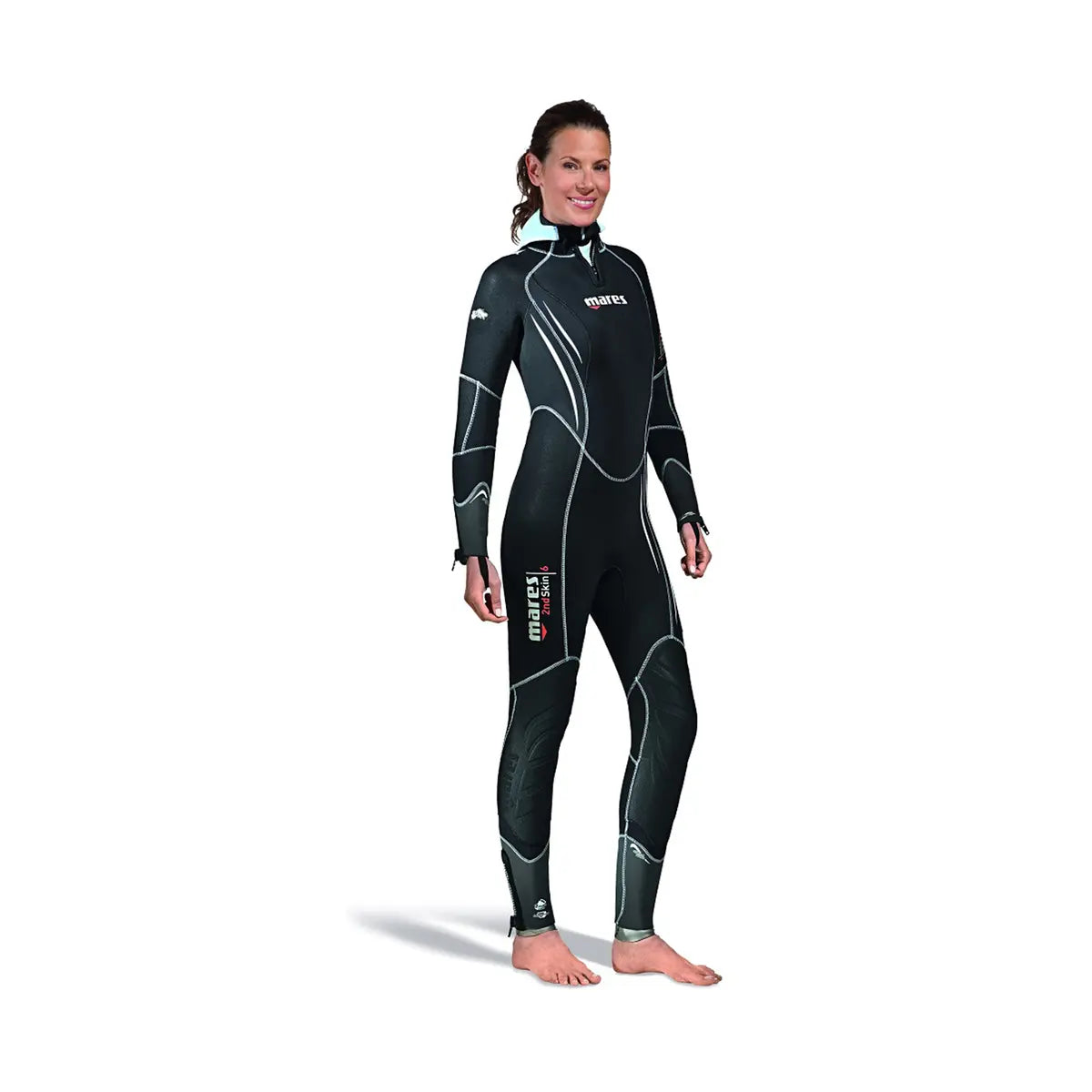
A wetsuit should fit snug everywhere without restricting your breathing or leaving gaps at the lower back, armpits and neck, since gaps flood and cool you. Sizes vary between makers, and a woman's cut is shaped for hips and bust. In the shop you can try suits on with the boots you will dive in. For the cold, add a hood, gloves and boots, and for warmer water look at shorties and rash vests. Brands here include Mares, Scubapro, Cressi, Fourth Element and Aqualung. For the wider range, see wetsuits and dive wear.
Questions we get asked
What thickness of wetsuit do I need in South Africa?
Roughly 3 mm for warm water at Sodwana in summer, 5 mm for most moderate water, and 7 mm for the Cape and winter quarry diving.
Is a semi-dry wetsuit worth it?
In cold water, yes. Seals at the wrists, ankles and neck reduce flushing, which keeps you warmer than an open suit of the same thickness.
How should a wetsuit fit?
Snug everywhere, with no gaps at the lower back, armpits or neck, and with room to breathe and bend your knees.