













How to choose dive boots
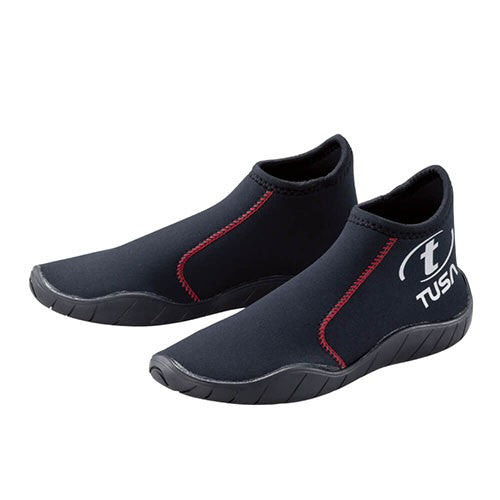
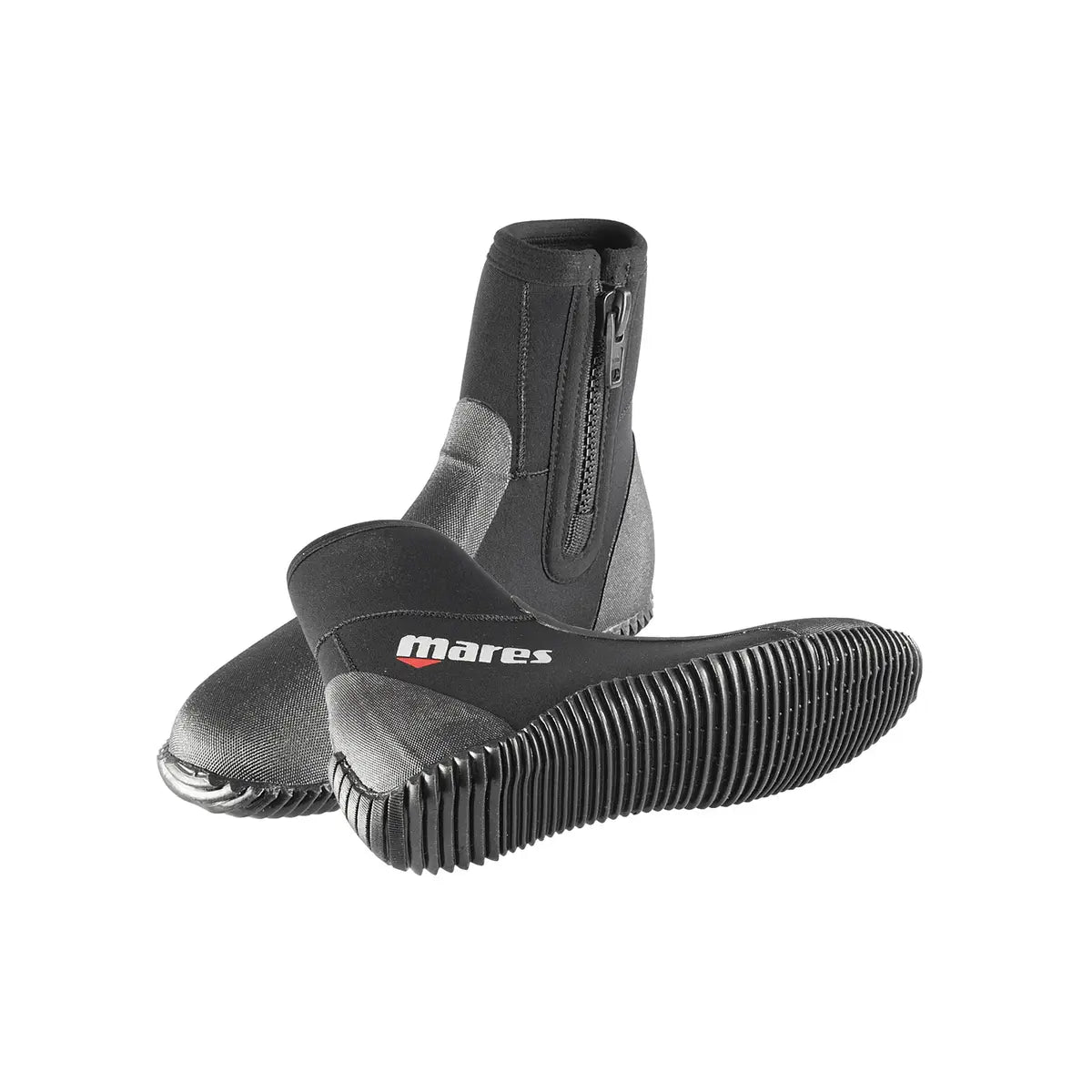
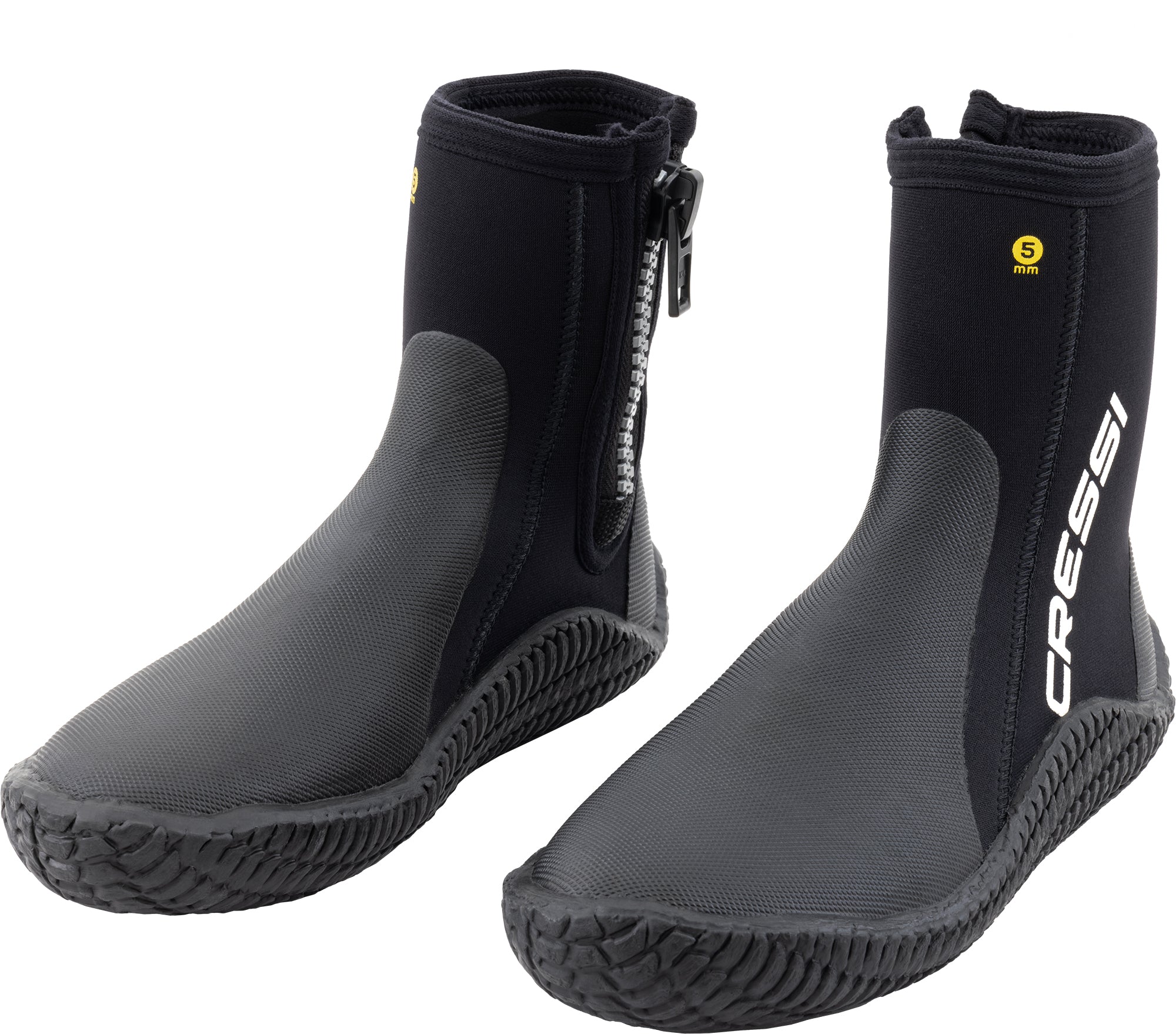
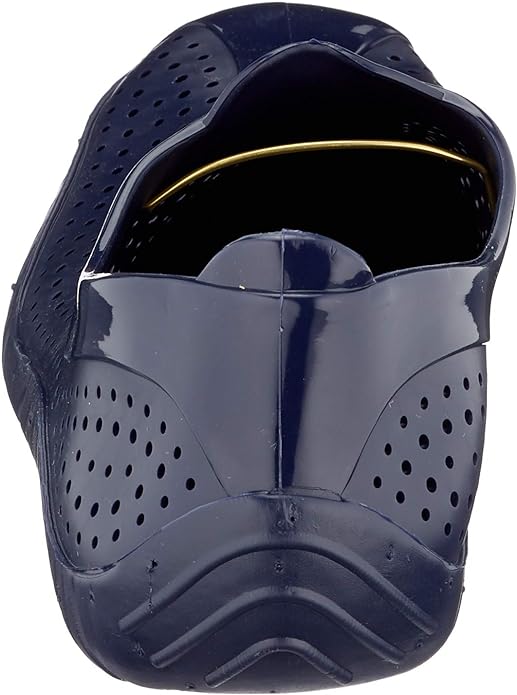
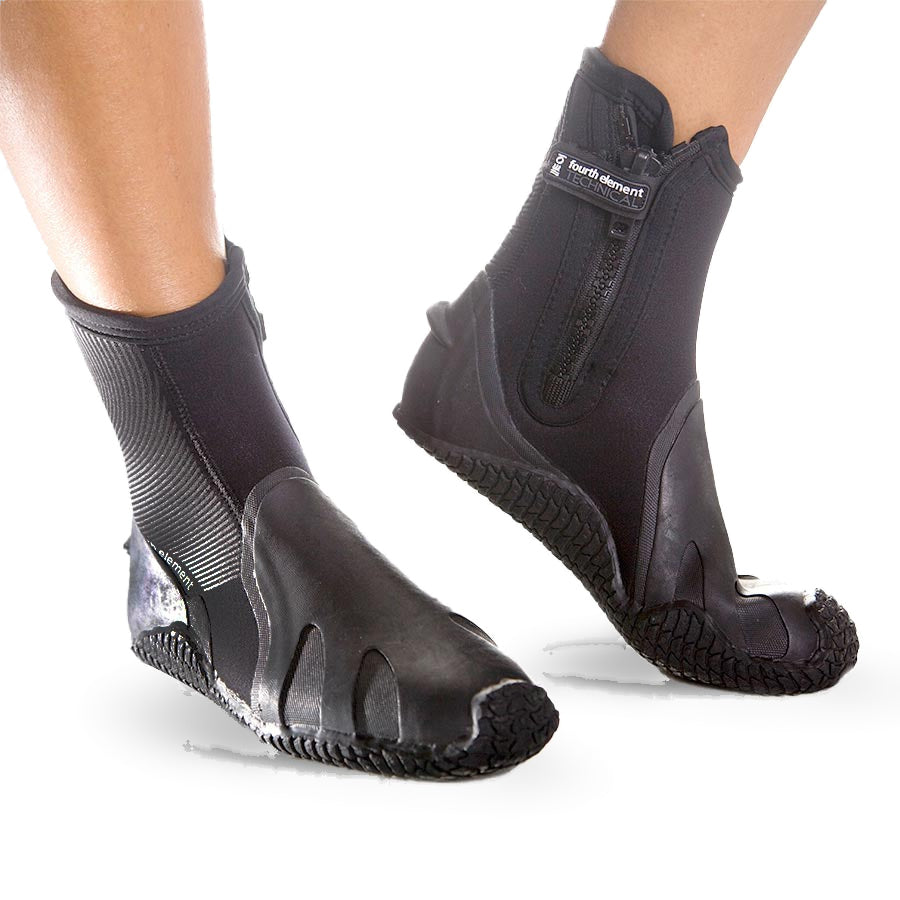
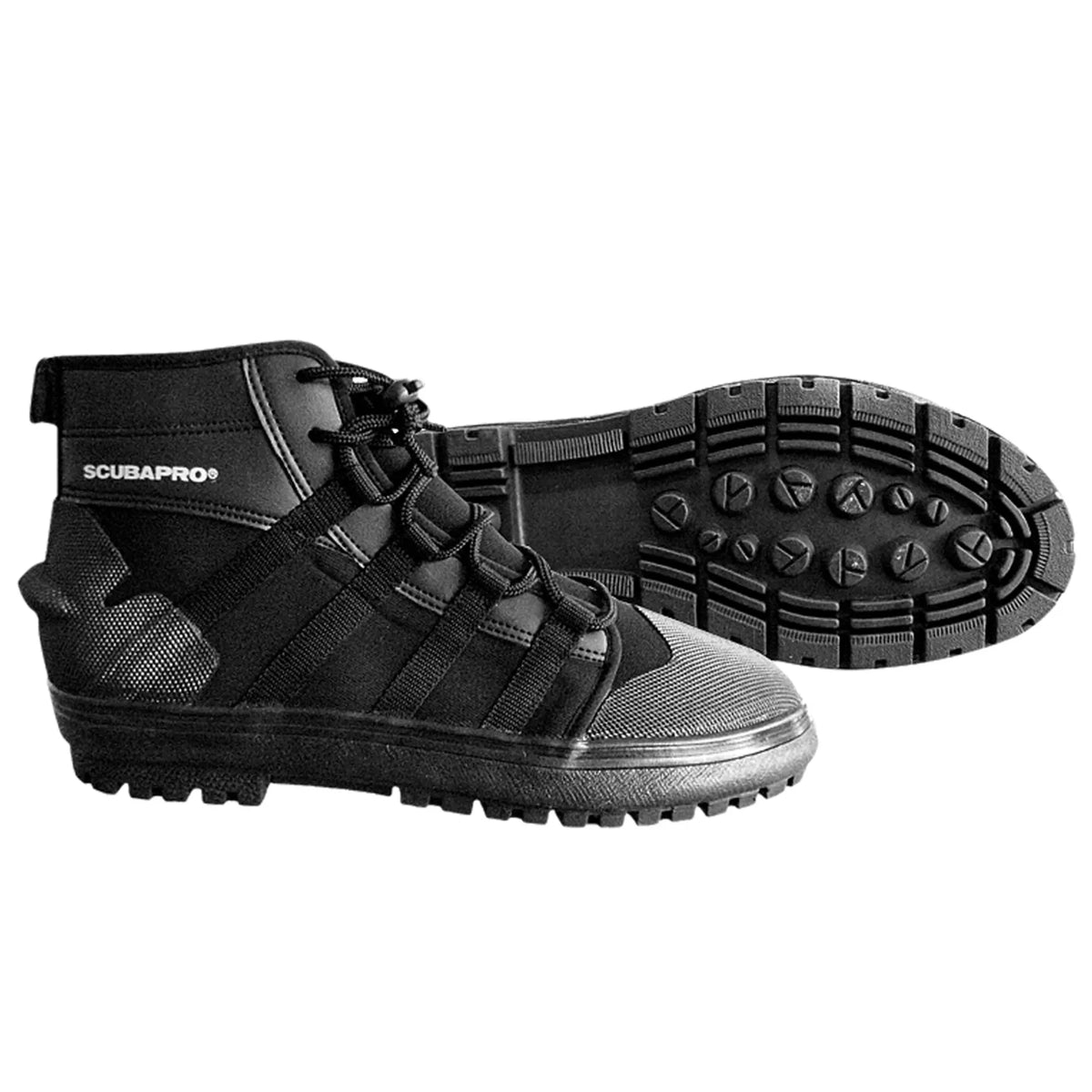
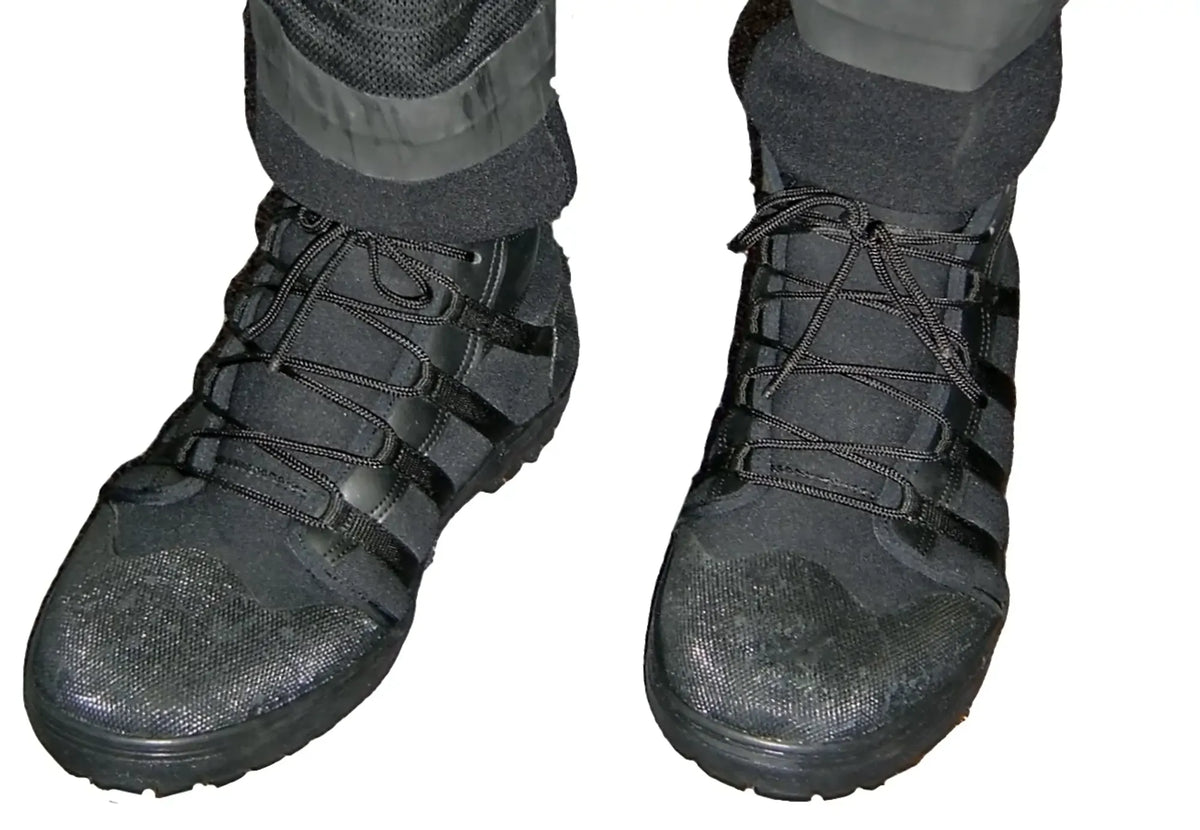
Dive boots protect your feet on rocky entries, hot boat decks and the strap of an open-heel fin, and they add warmth. Boots here start from about R300, and most cost about R600 to R1,600. Choose the thickness for your water and the sole for the entry.
Thickness and sole
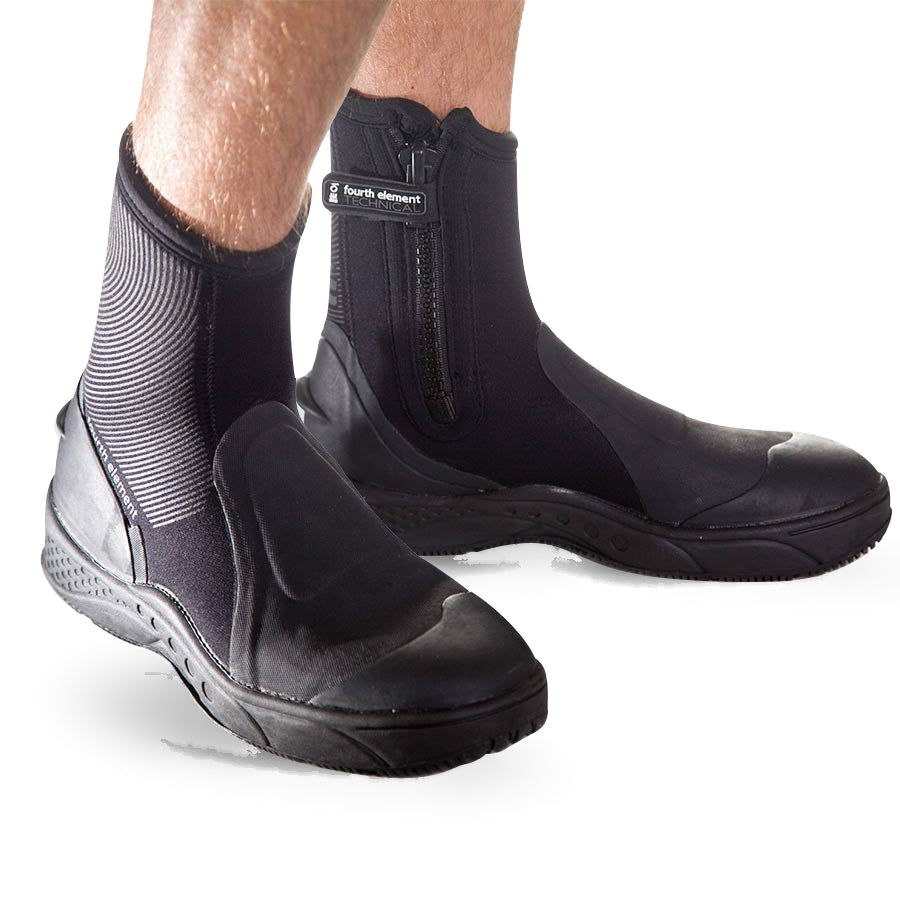
- 3 mm boots suit warm water such as summer Sodwana, where the aim is protection more than warmth.
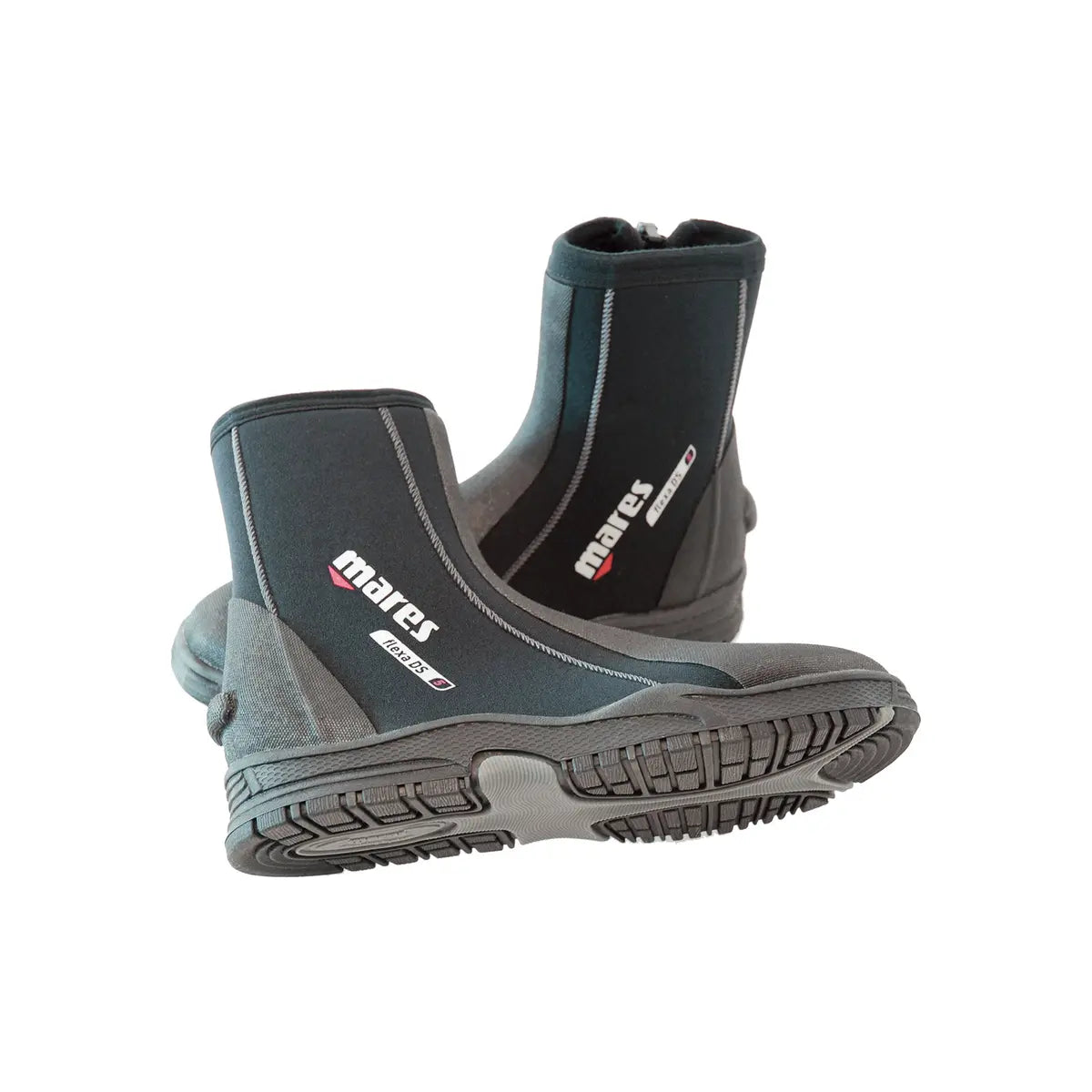
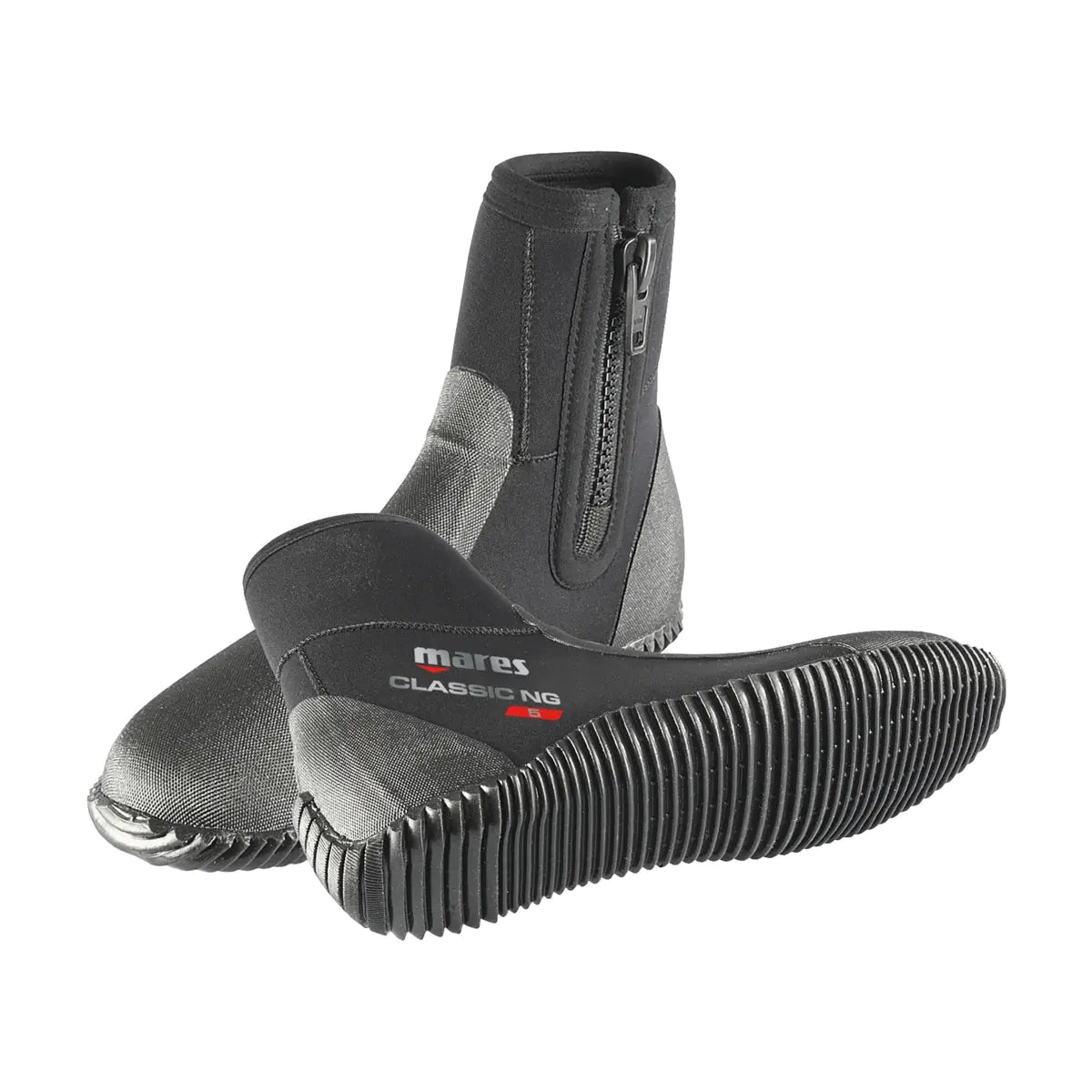
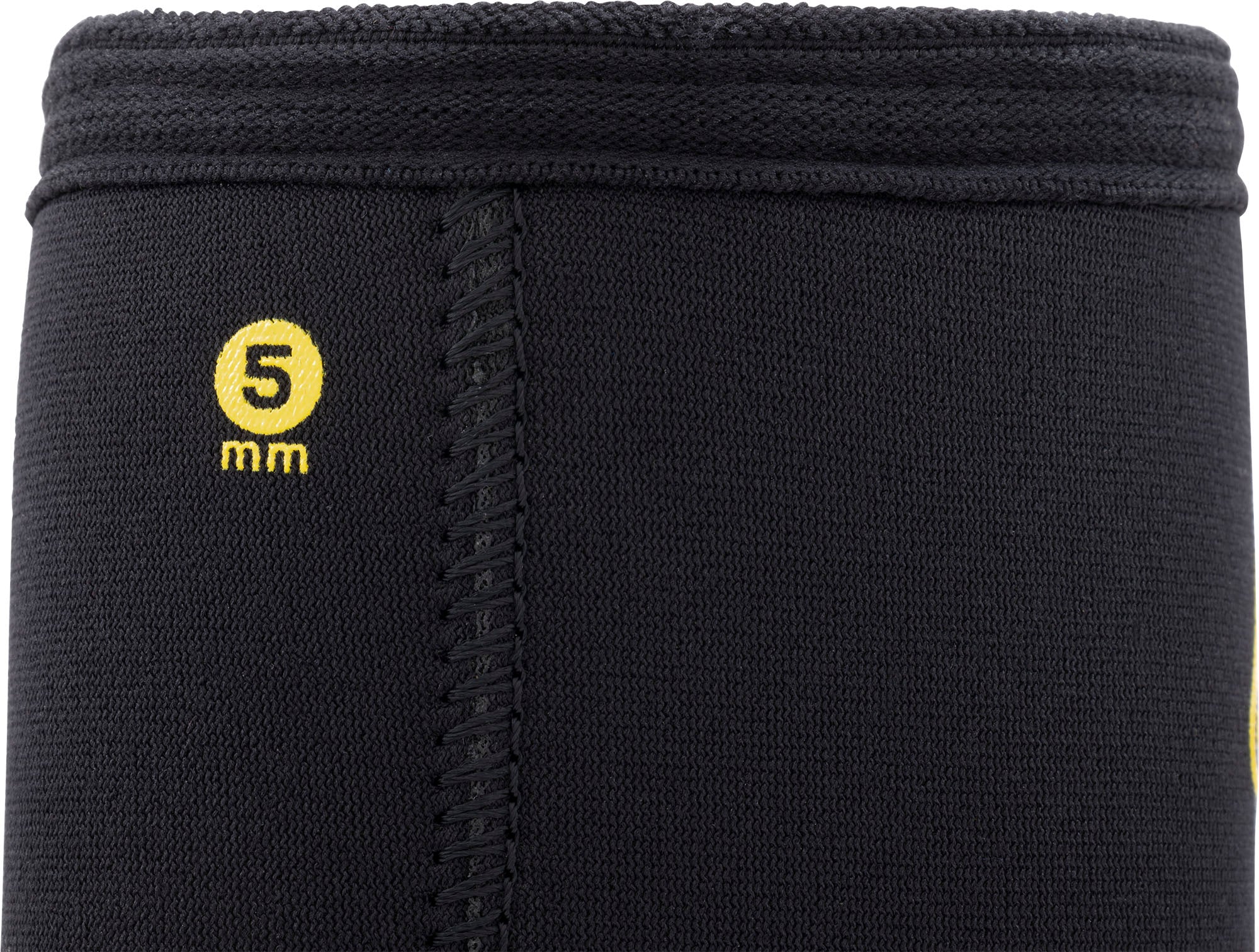
- 5 mm boots suit most South African diving, and 6.5 to 7 mm boots suit Cape water and winter quarries.
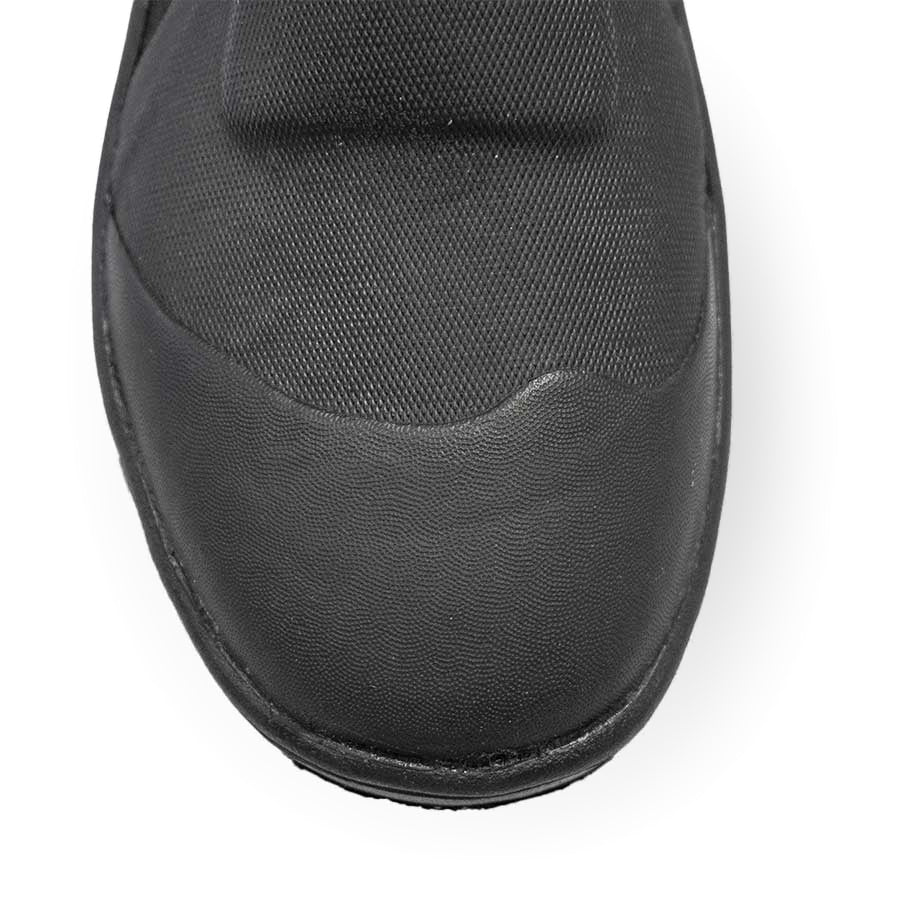
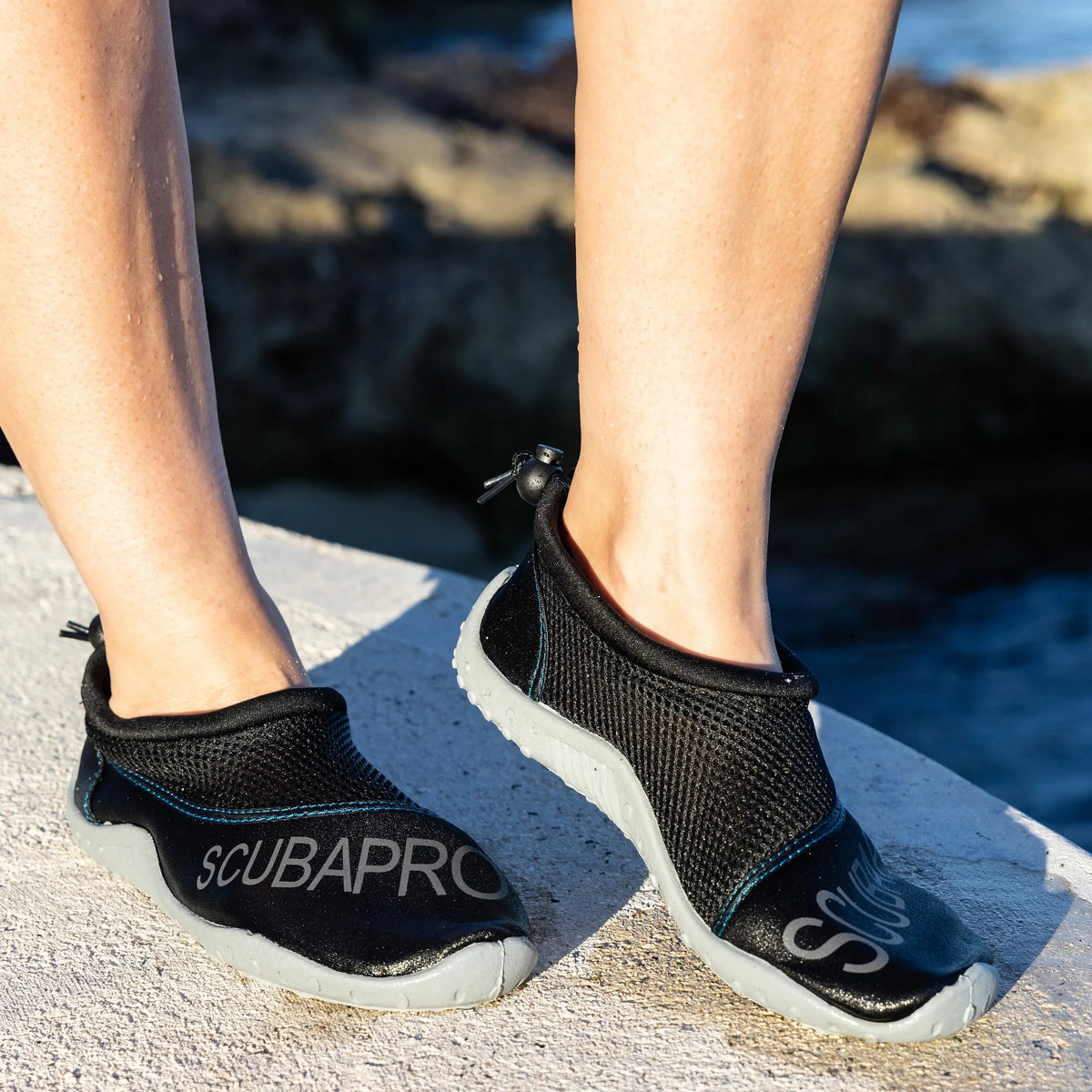
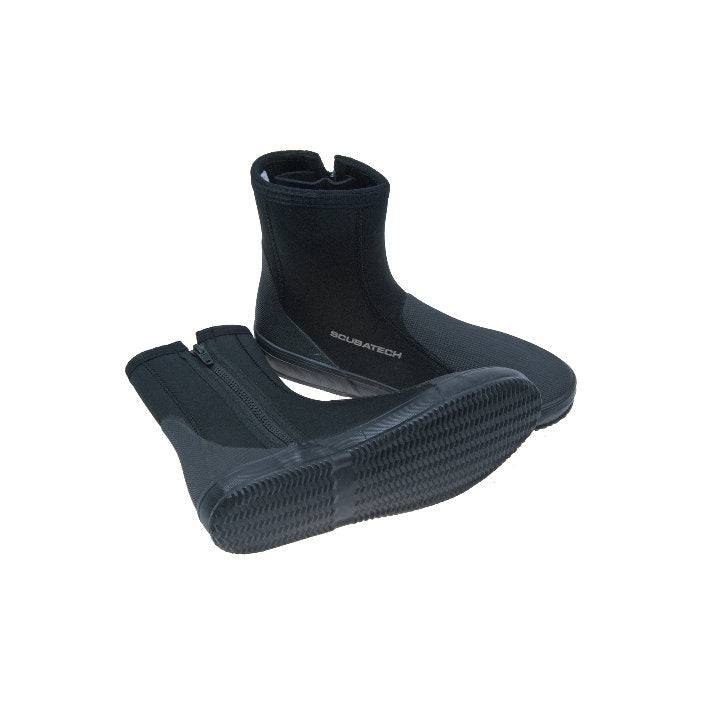
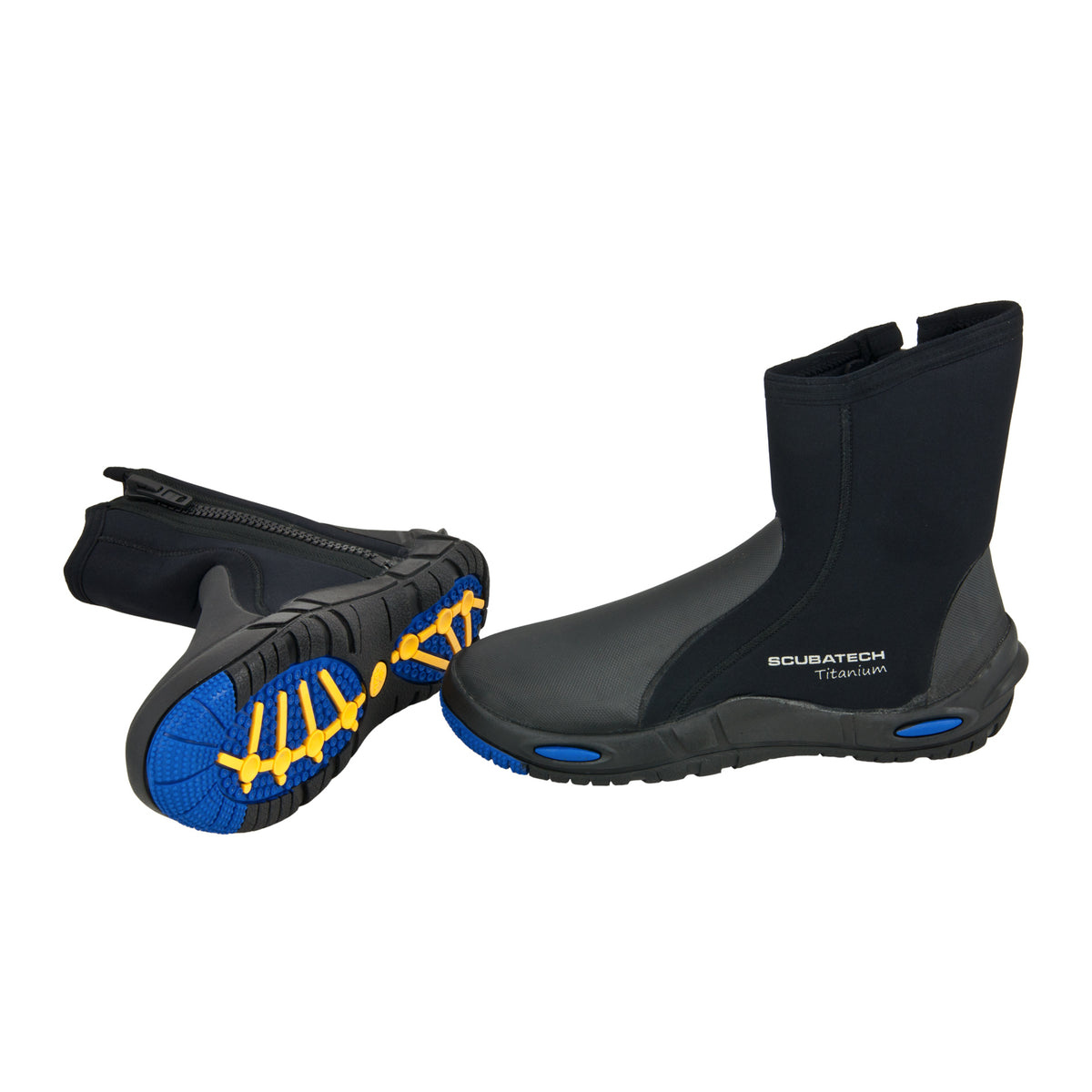
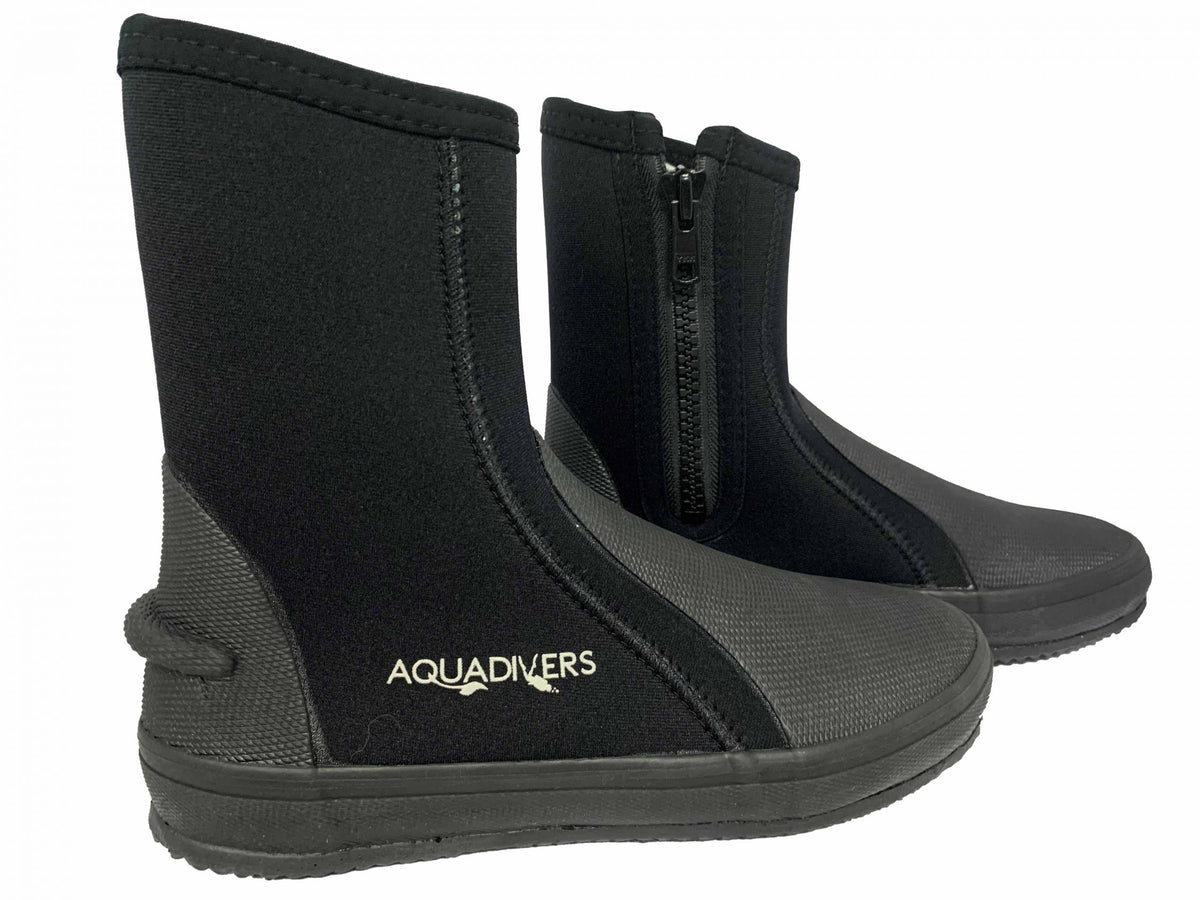
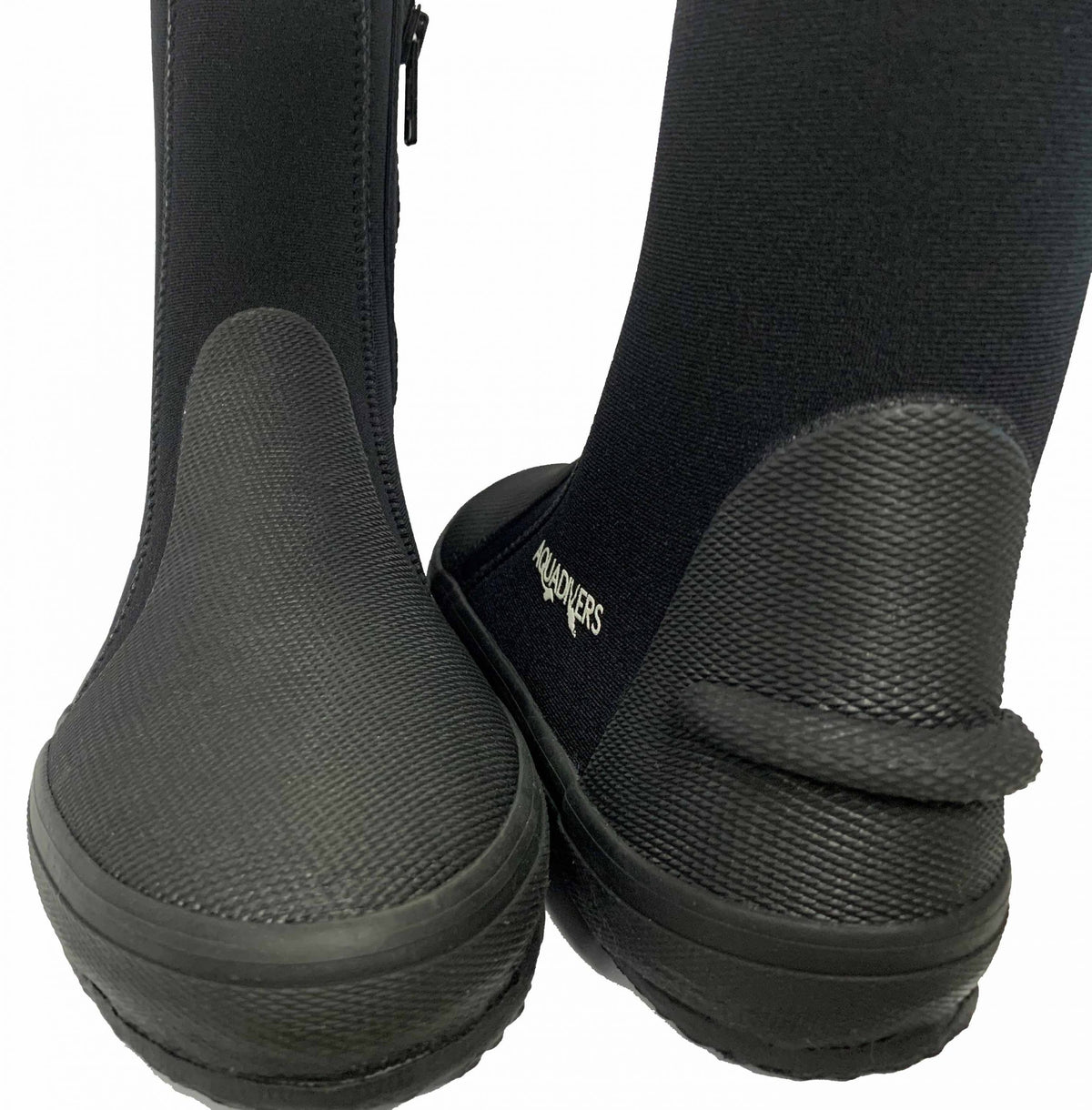
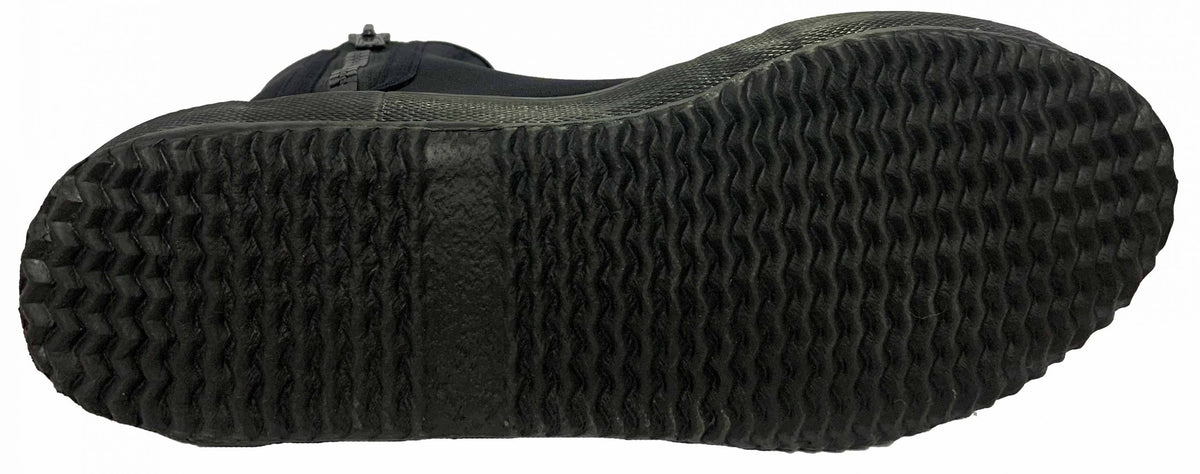
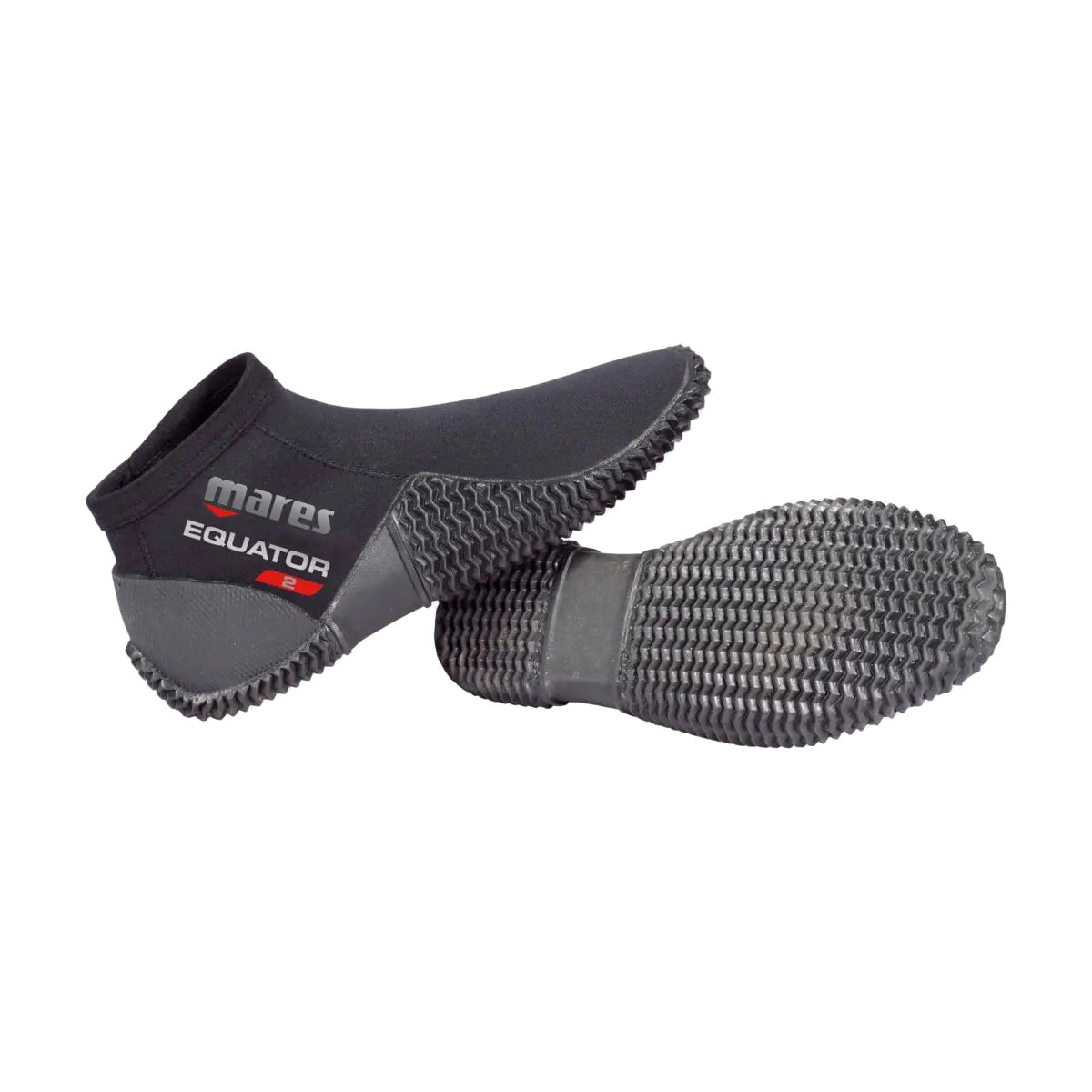
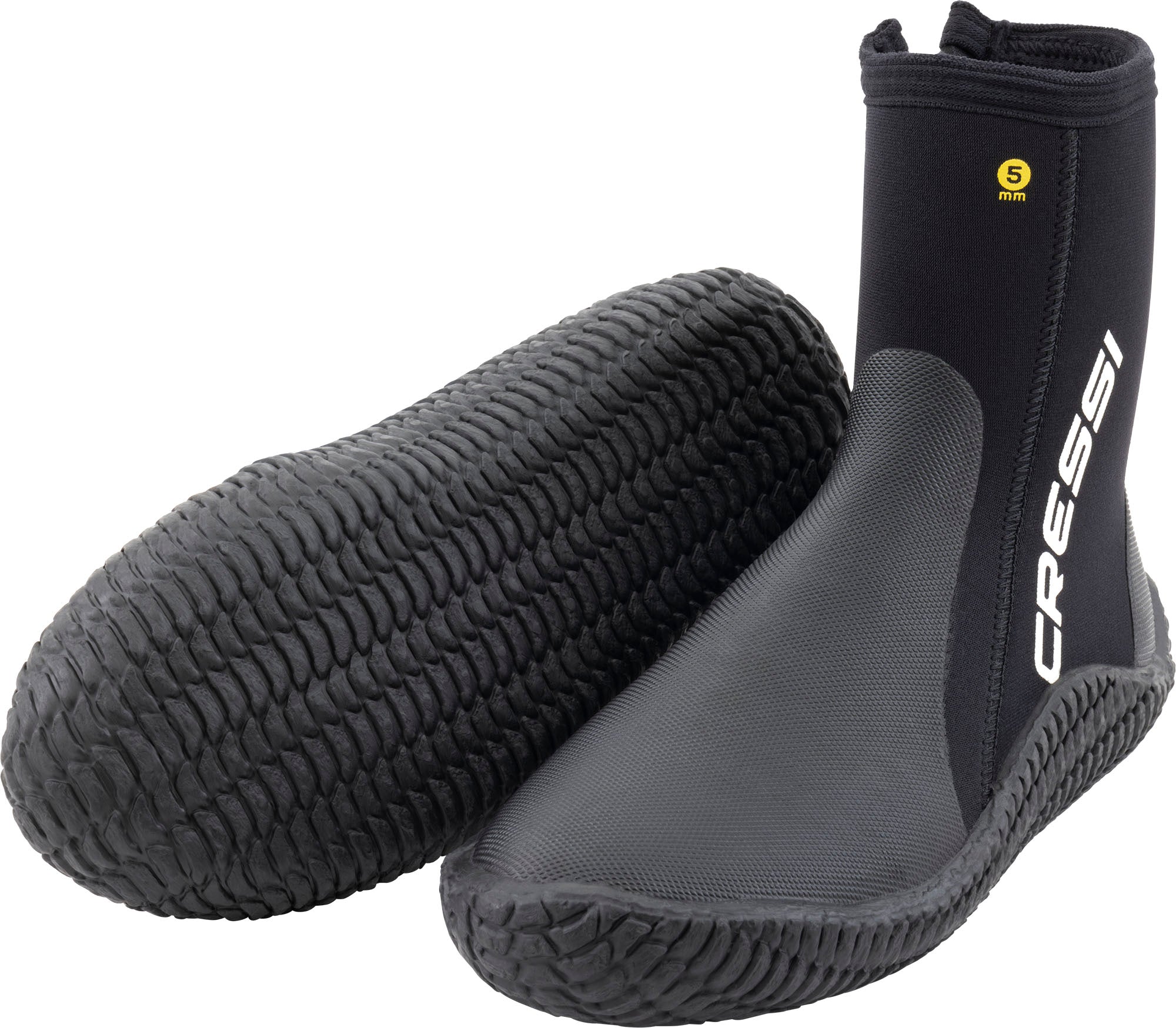
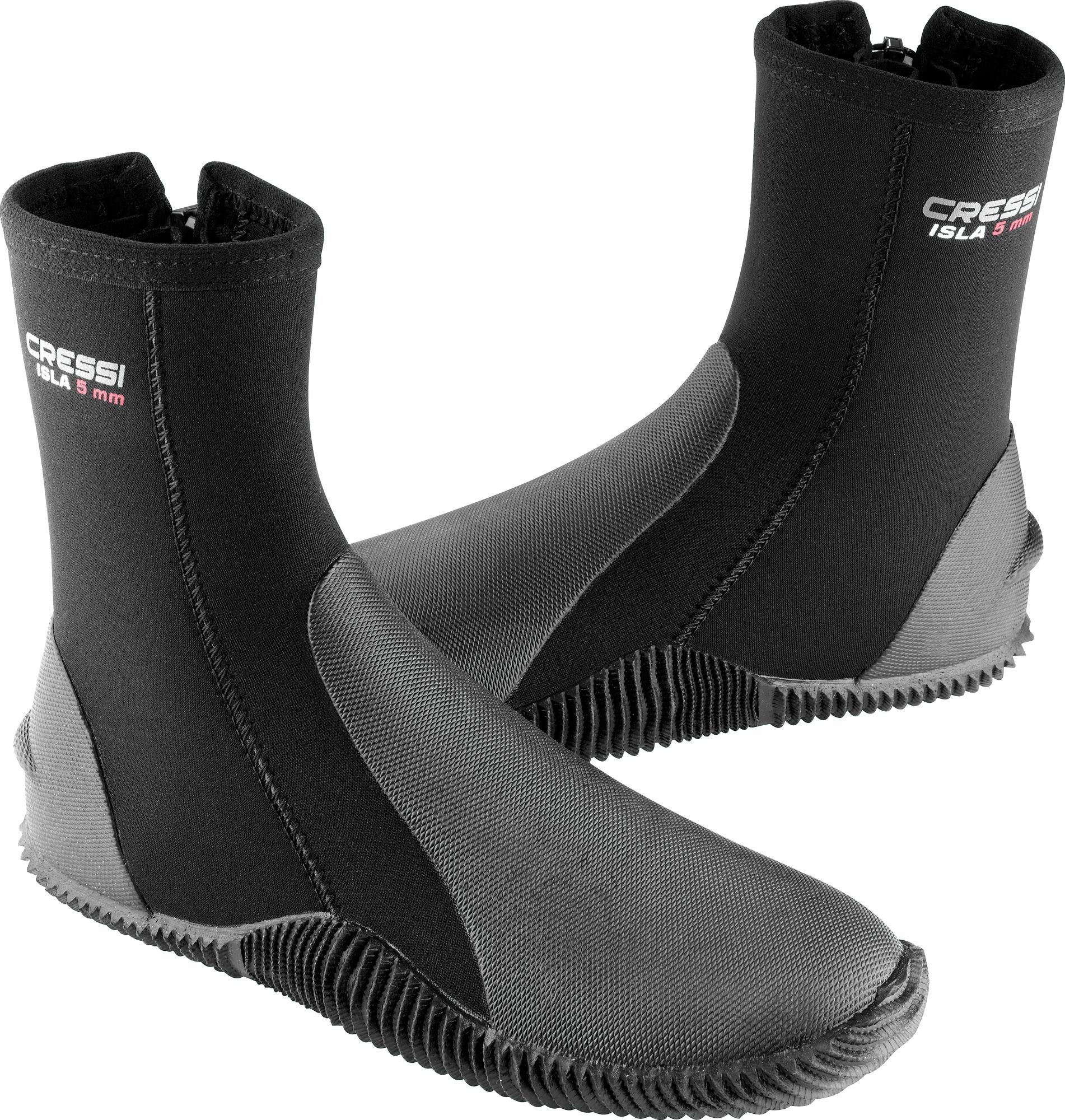
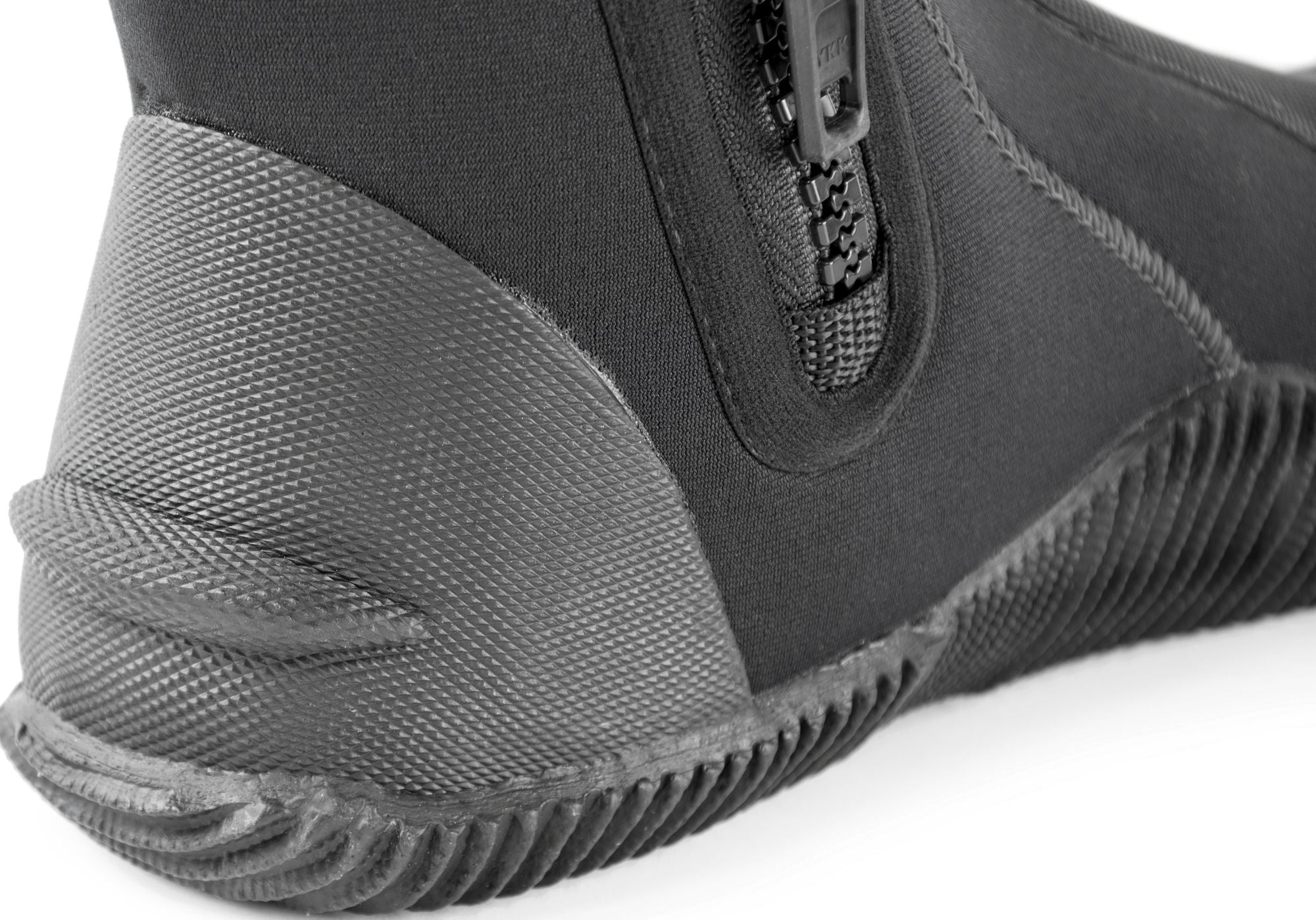
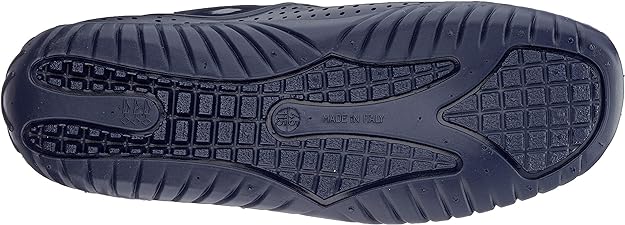
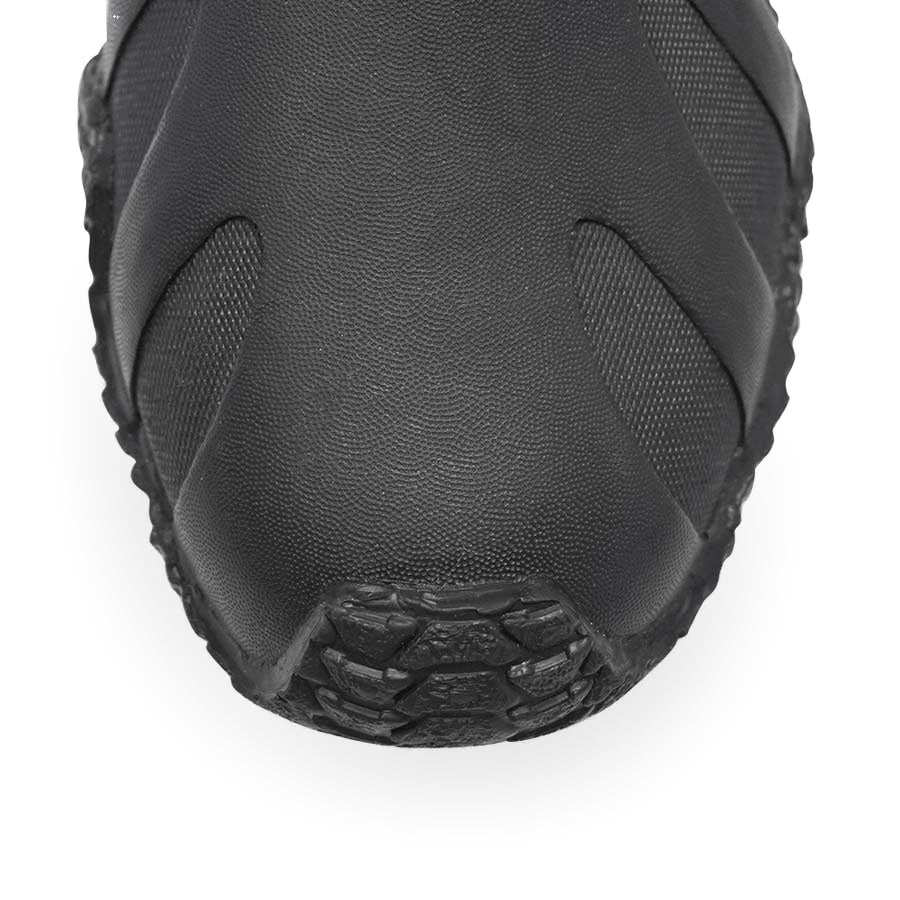
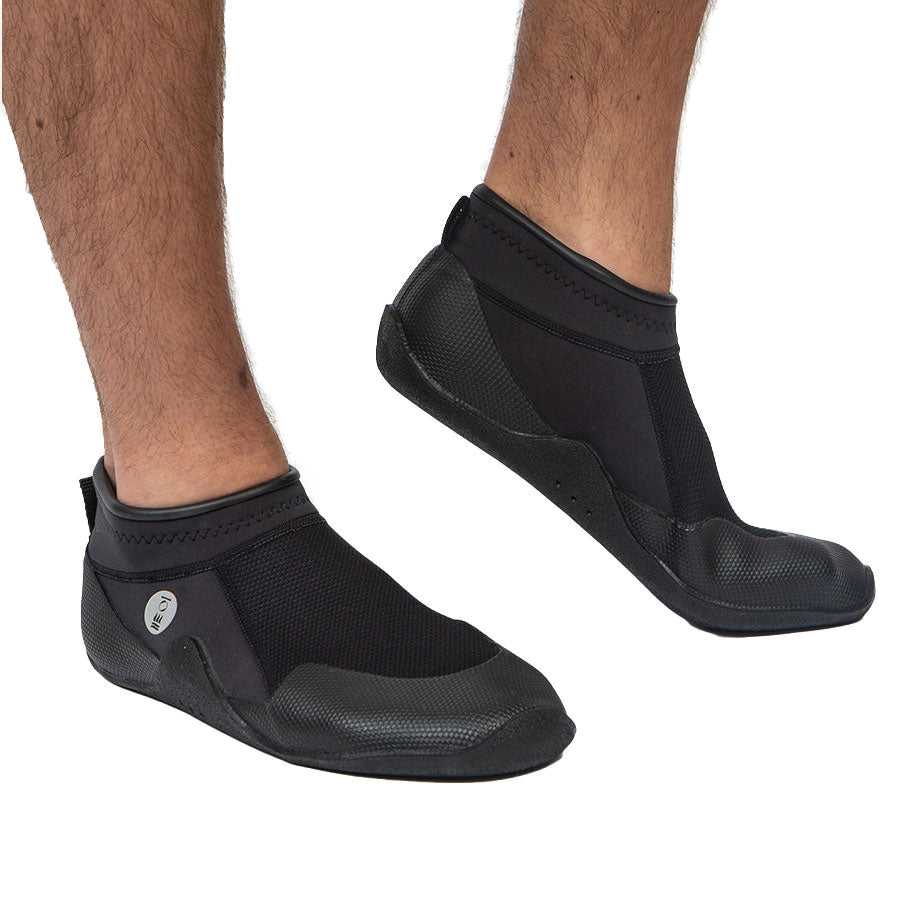
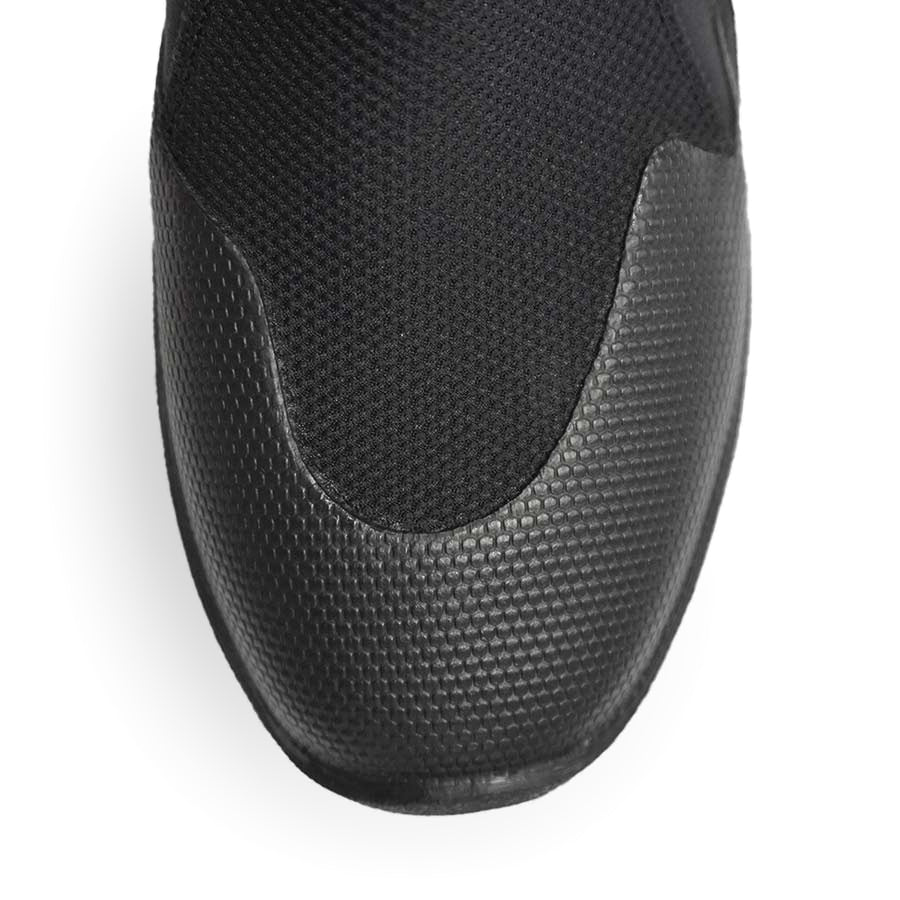
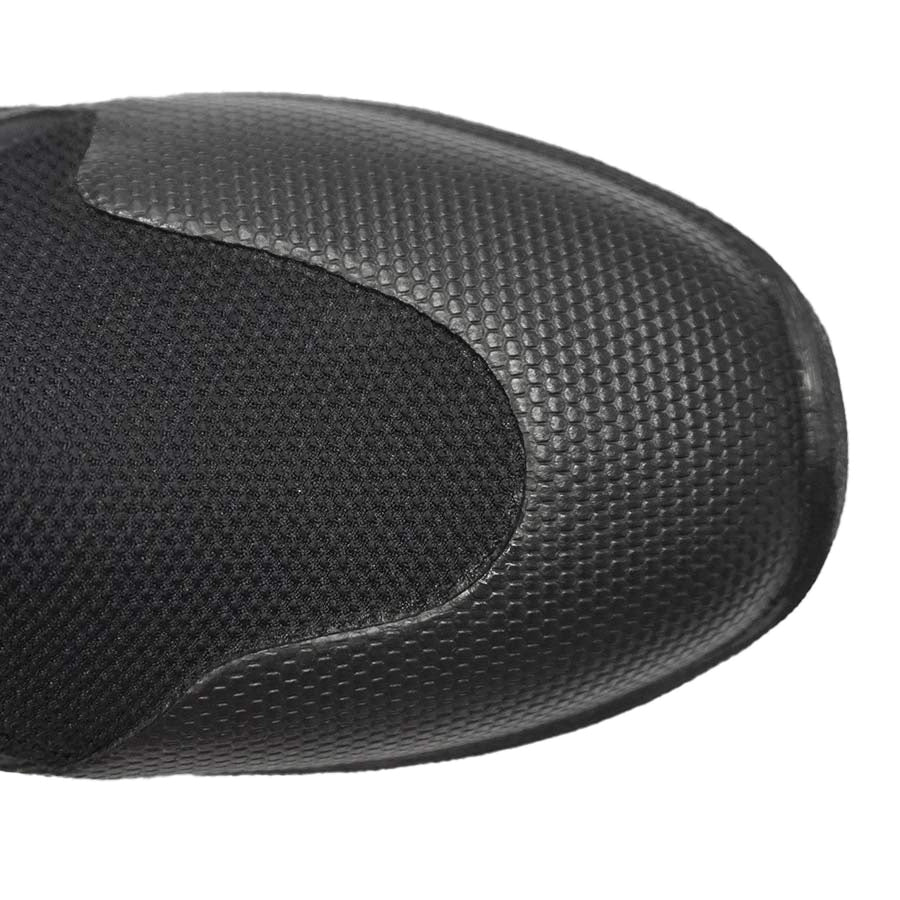
- A hard rubber sole is better for walking over rocks and gravel, while a soft sole packs smaller for travel and sits in a fin pocket more easily.
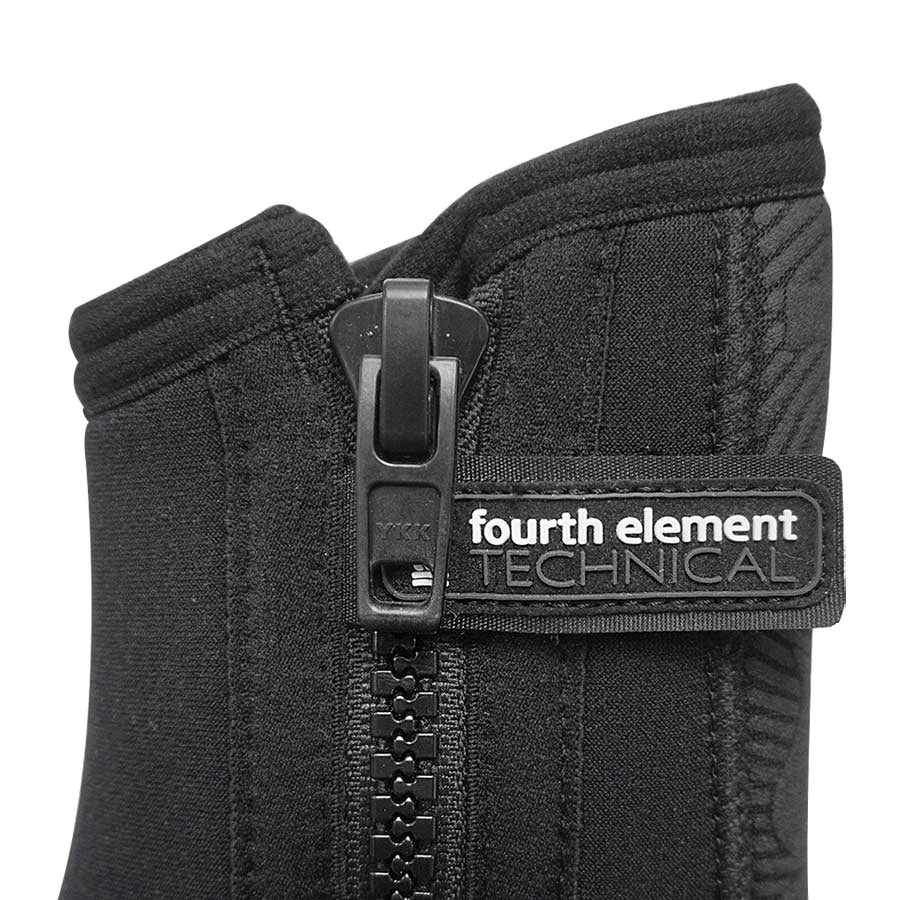
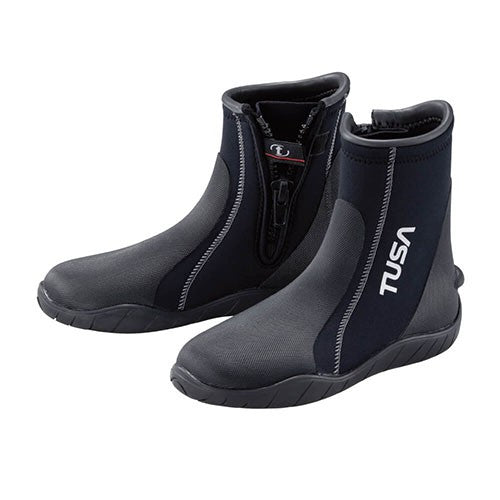
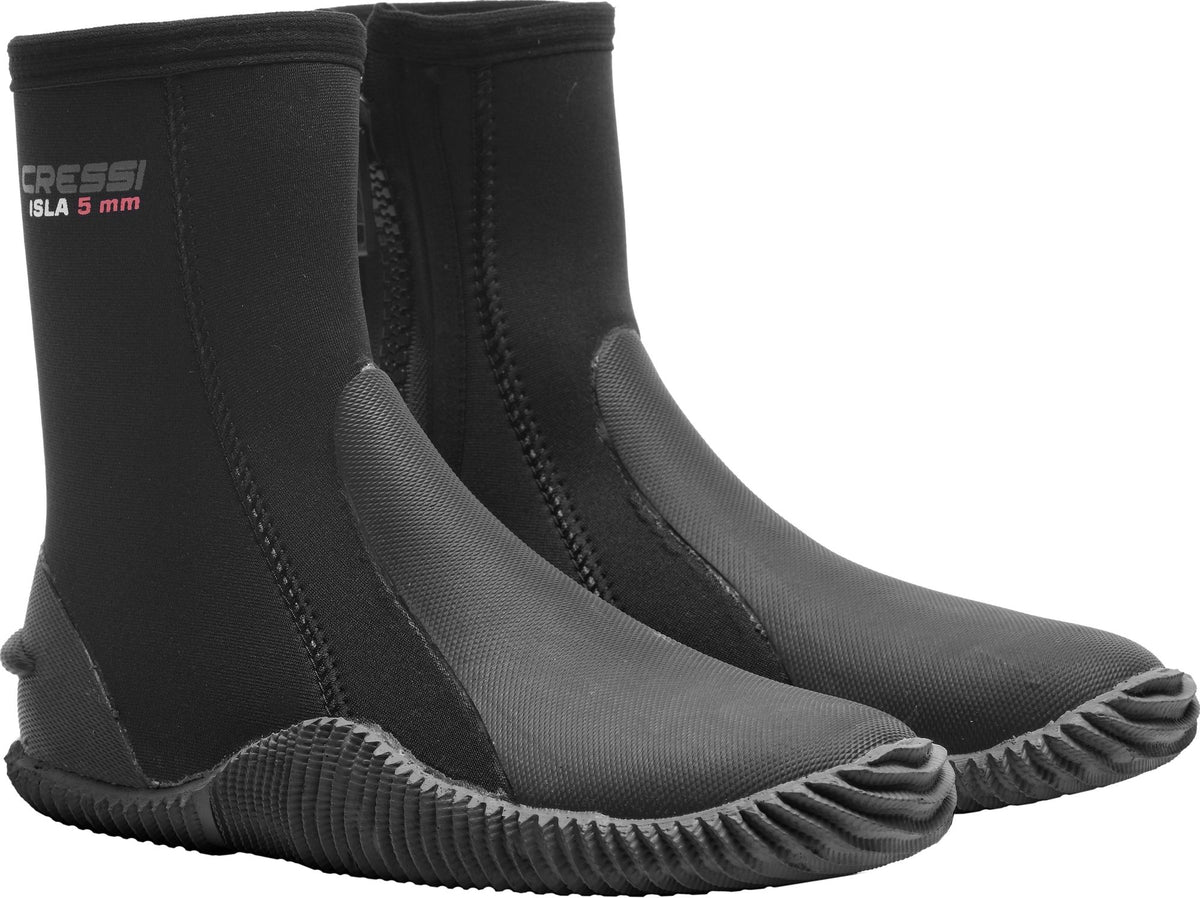
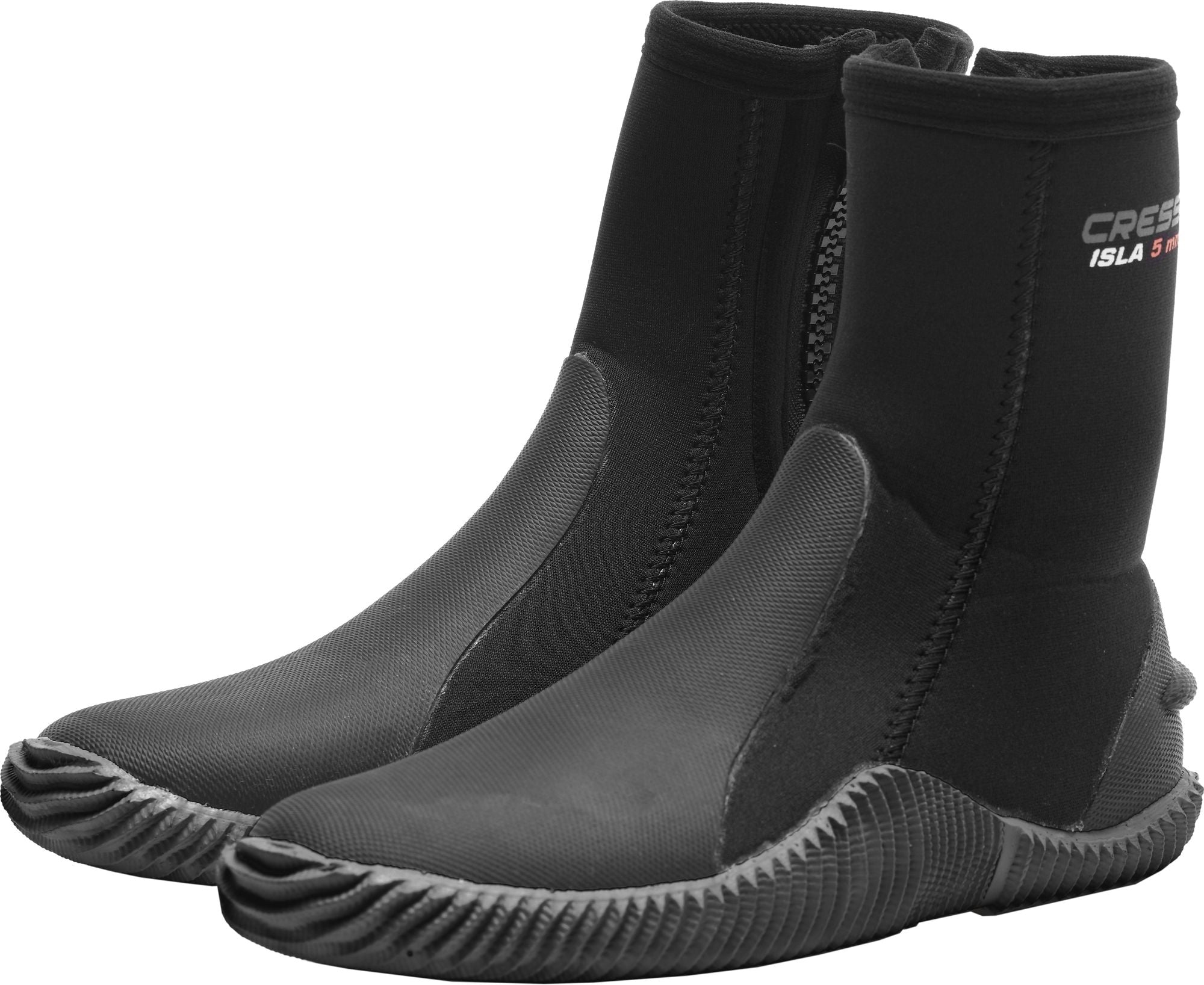
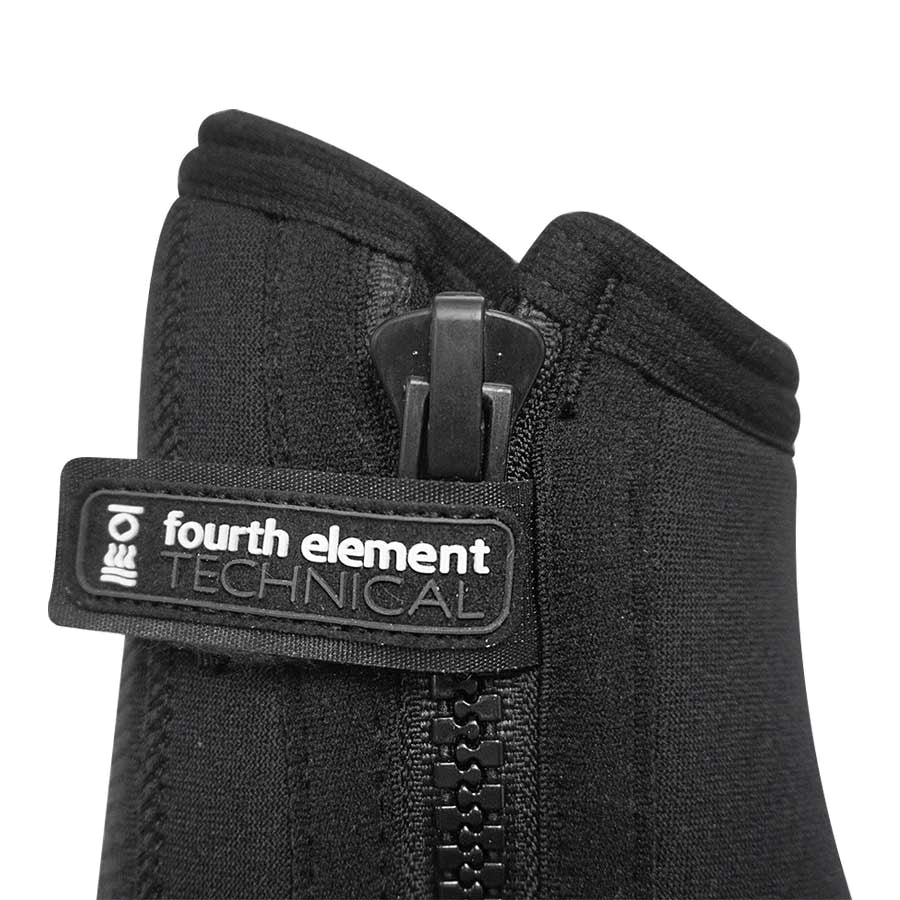
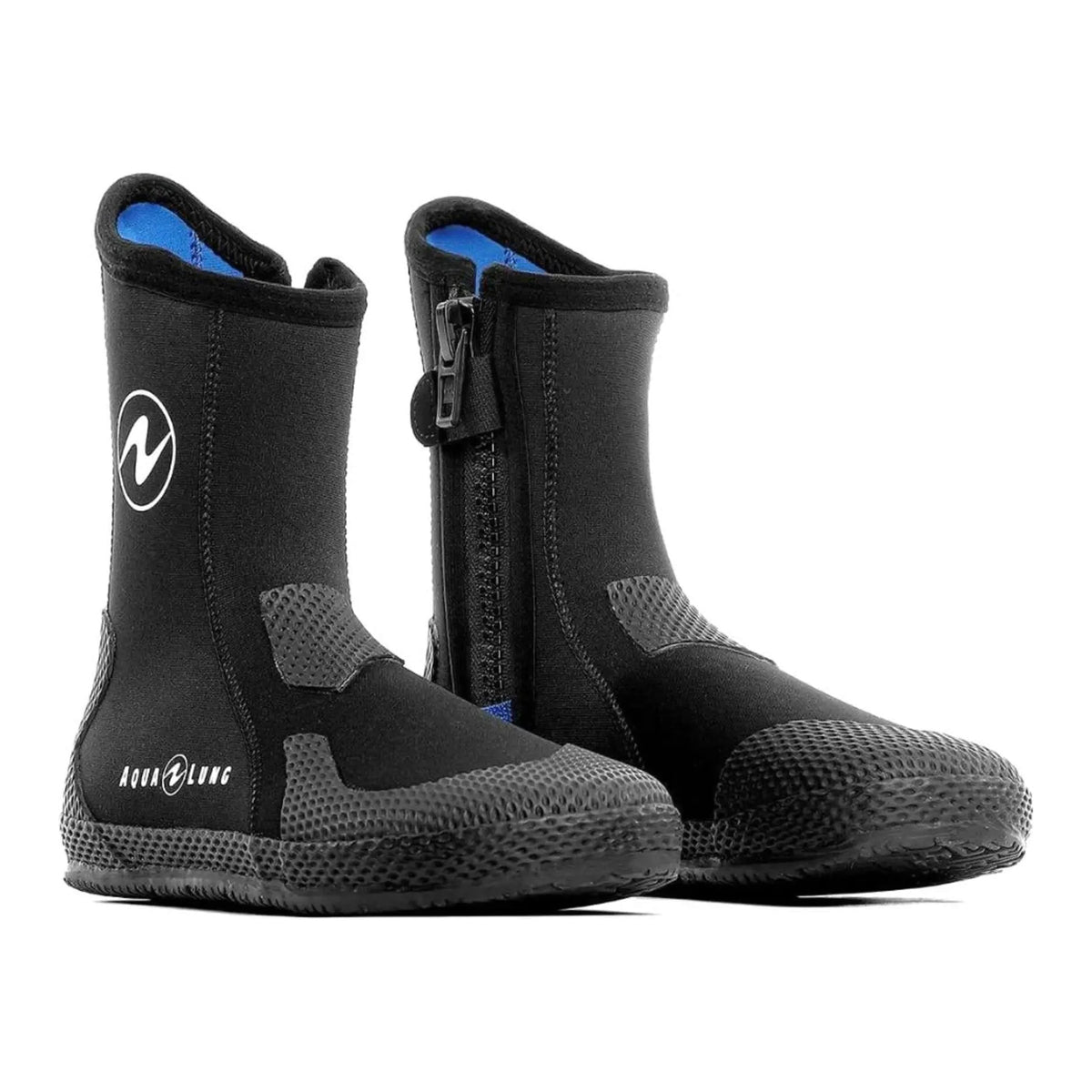
- A side zip makes boots easy to put on and take off, and a roll-over cuff keeps sand out.
Fit with fins
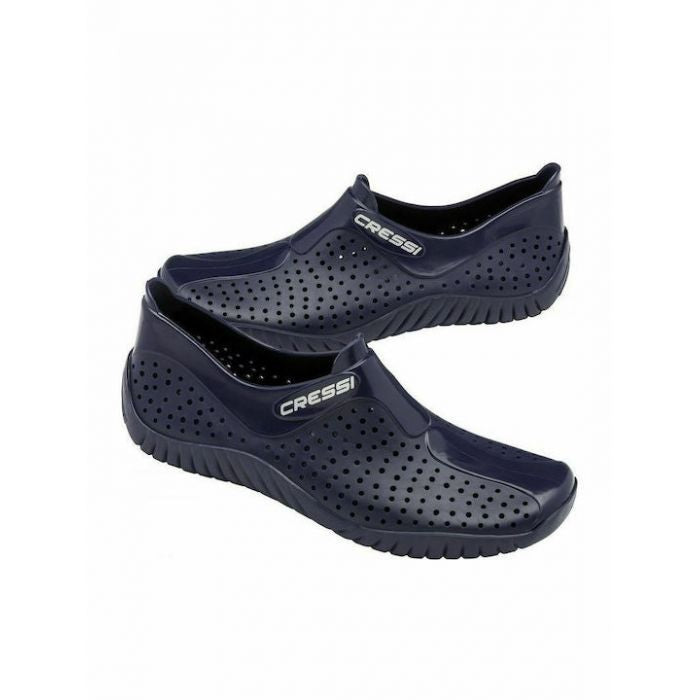
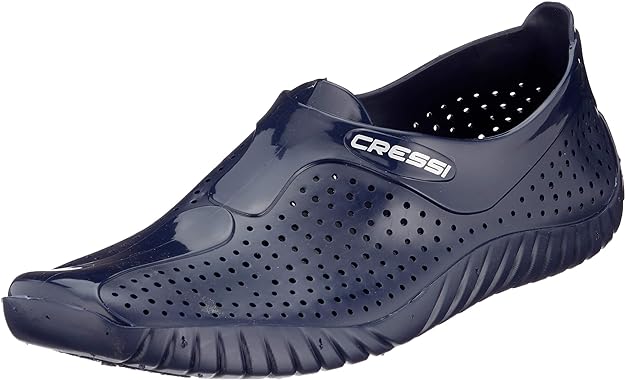
Boots must fit your foot snugly without pinching, because a boot that is too tight loses warmth by restricting blood flow. If you dive open-heel fins, buy the boots first and size the fins with them on. For cold water, add neoprene socks, gloves and a hood. Brands here include Aqualung, Cressi, Mares, Scubapro, Tusa and Fourth Element, and you can try boots on at the shop in Glenvista.
Questions we get asked
What thickness of dive boot do I need?
Around 5 mm suits most South African diving, 3 mm suits warm water, and 6.5 mm or more suits cold water. Thicker boots need larger fin pockets.
Should I wear boots or socks?
Boots have a sole for walking and suit shore entries and open-heel fins. Socks are lighter, go under a drysuit or full-foot fins, and give less protection underfoot.
How should dive boots fit?
Snug, with no folds under your toes and no pressure at the ankle. Try them with the fins you will wear.