

















About Scuba Gloves
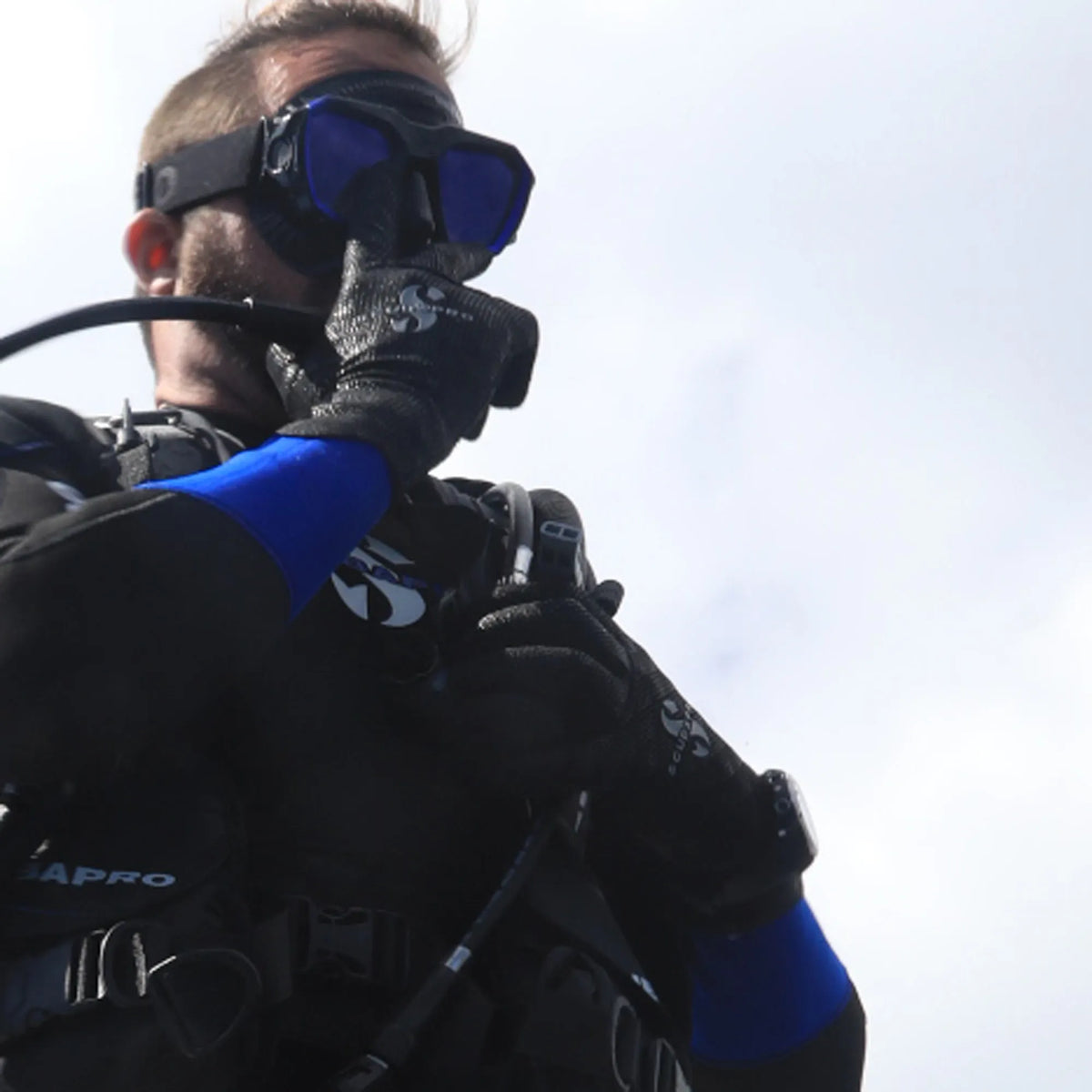
Dive gloves from 1.5mm tropical to 5mm semi-dry, plus Kevlar palms for wreck and line work. Thicker neoprene costs dexterity, and a glove too bulky to work a dump valve or a clip is a problem at depth, not on the boat.
How to choose dive gloves
Dive gloves protect your hands from cold, sharp rock and line, and they help you keep a grip. Gloves here start from about R310, and most cost about R730 to R1,900. Fit and thickness decide how well they work.
Thickness and style
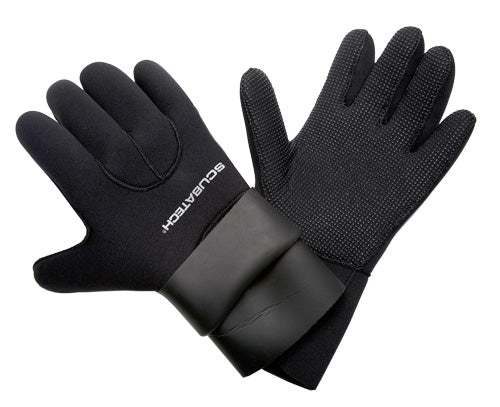
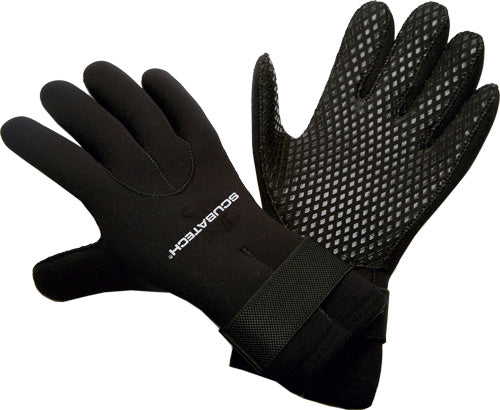
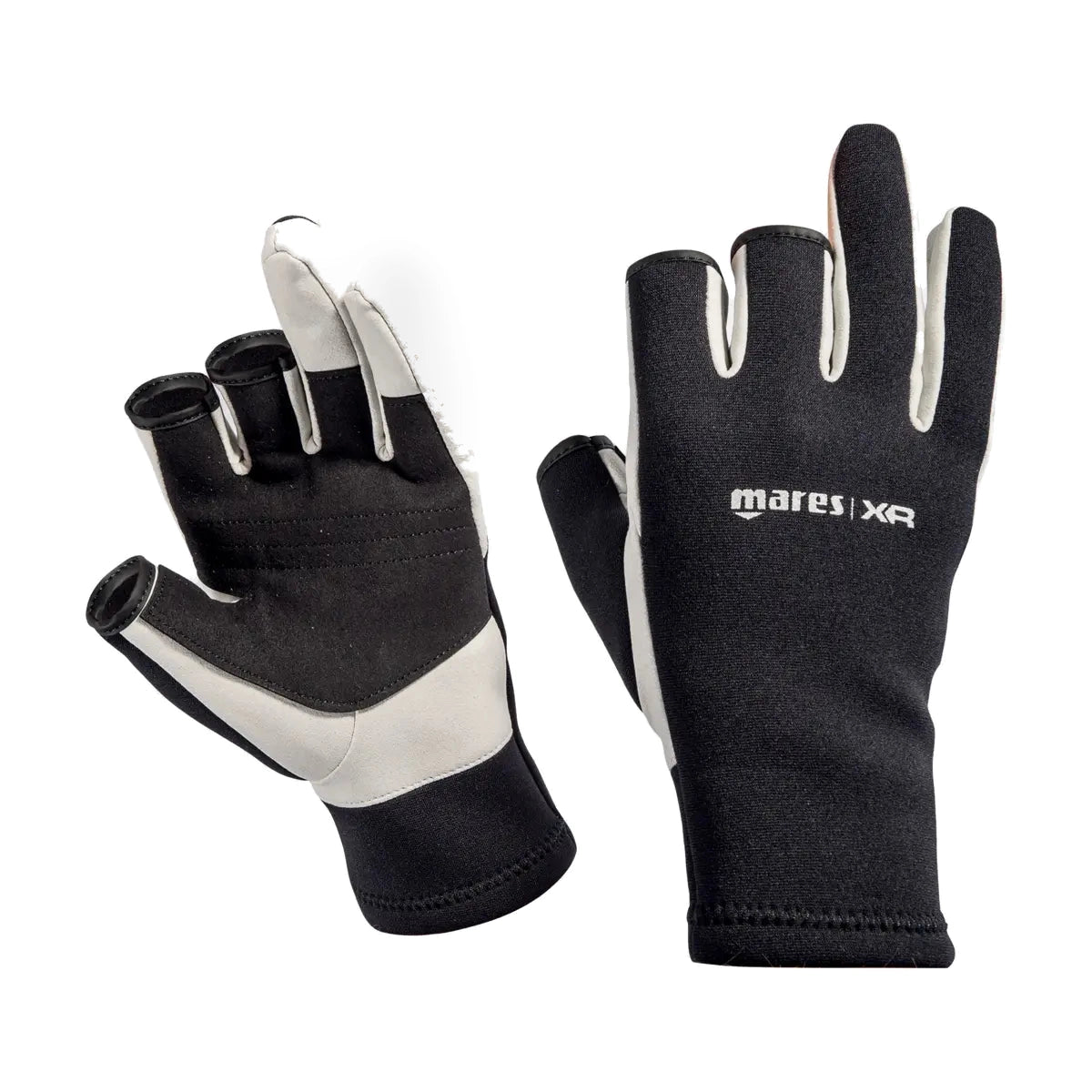
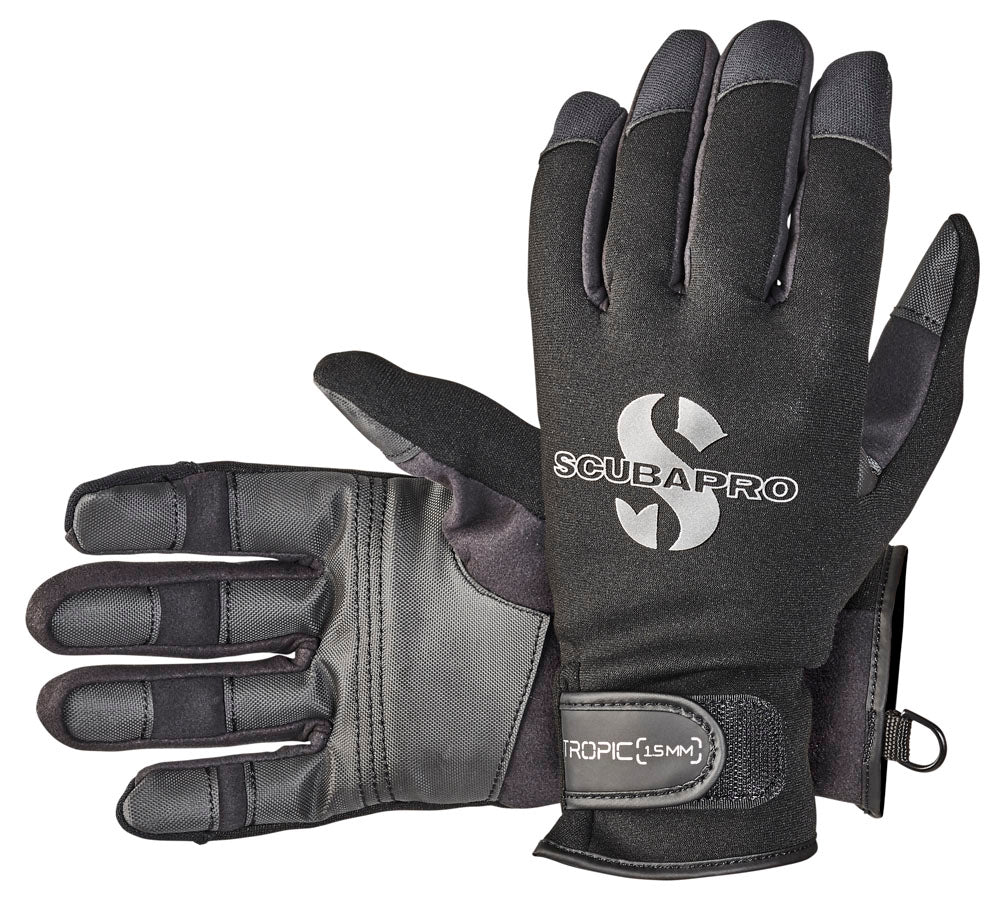
- 2 mm gloves give light protection and keep dexterity, which suits warm water and handling gear.
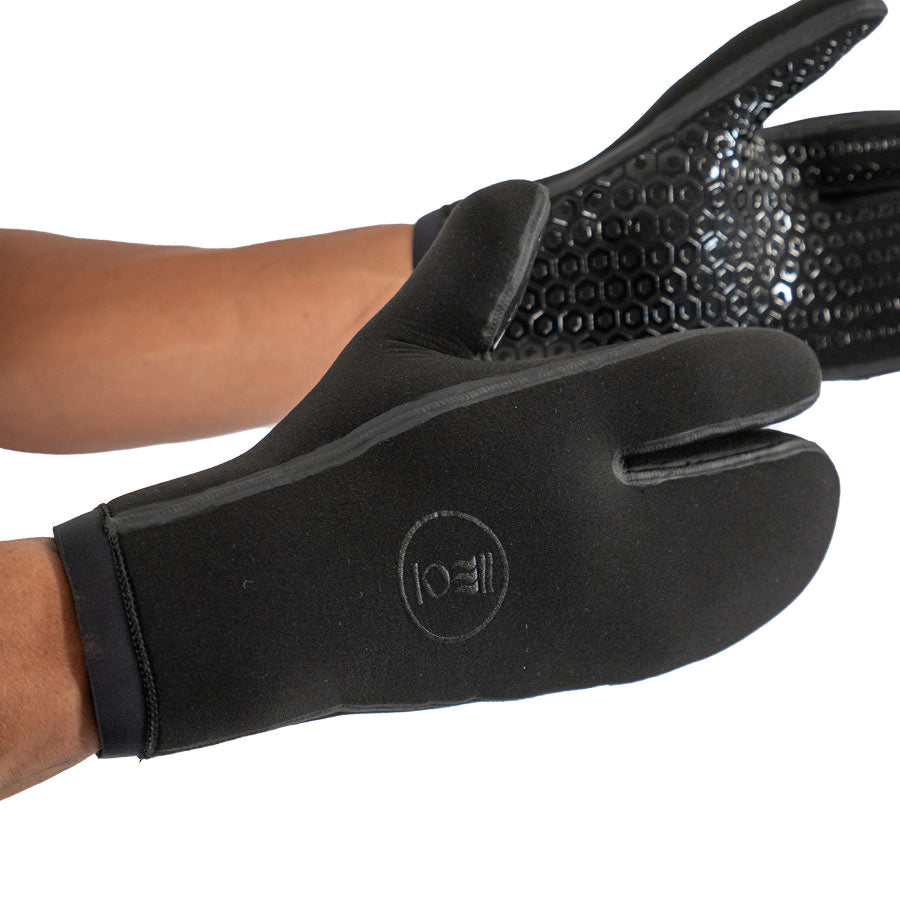
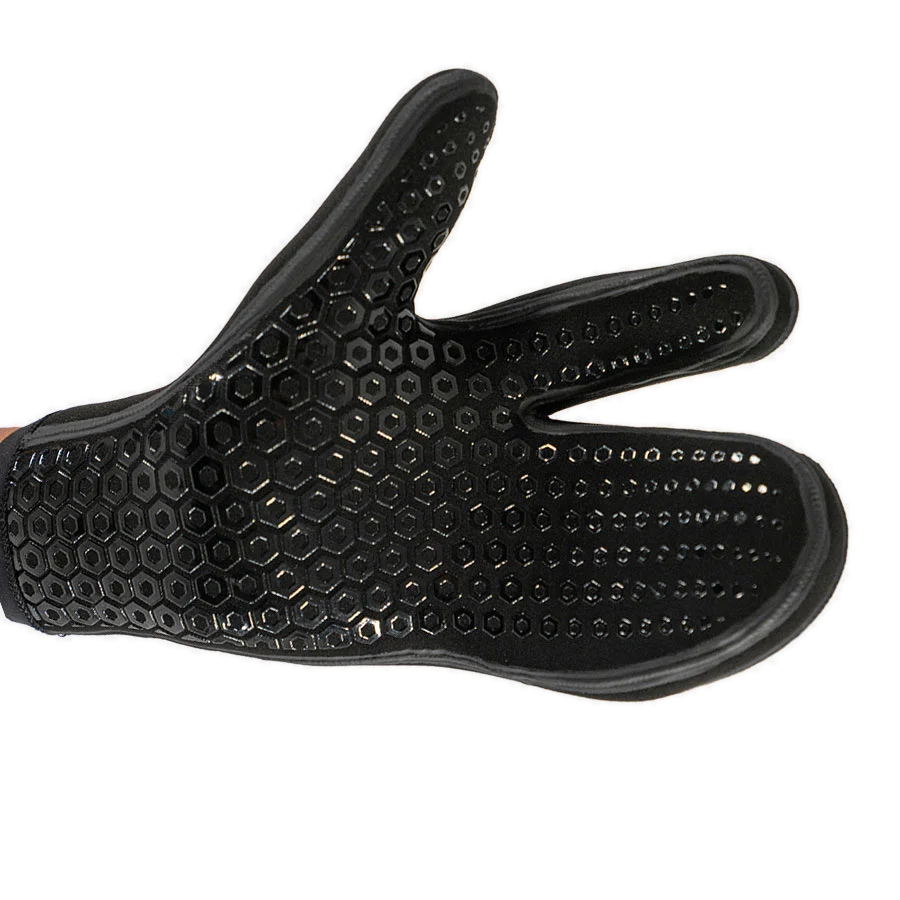
- 3 to 5 mm gloves suit most South African diving, and 5 to 7 mm gloves and mitts suit Cape water and winter.
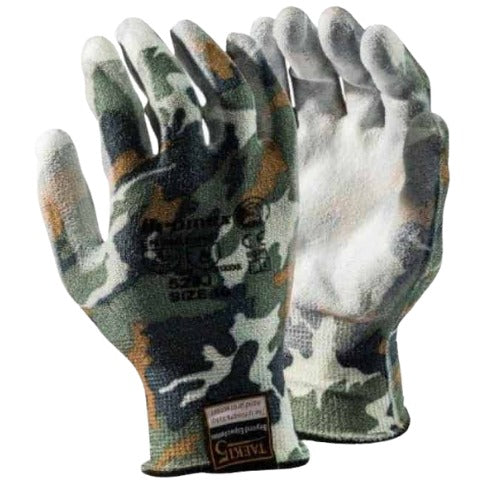
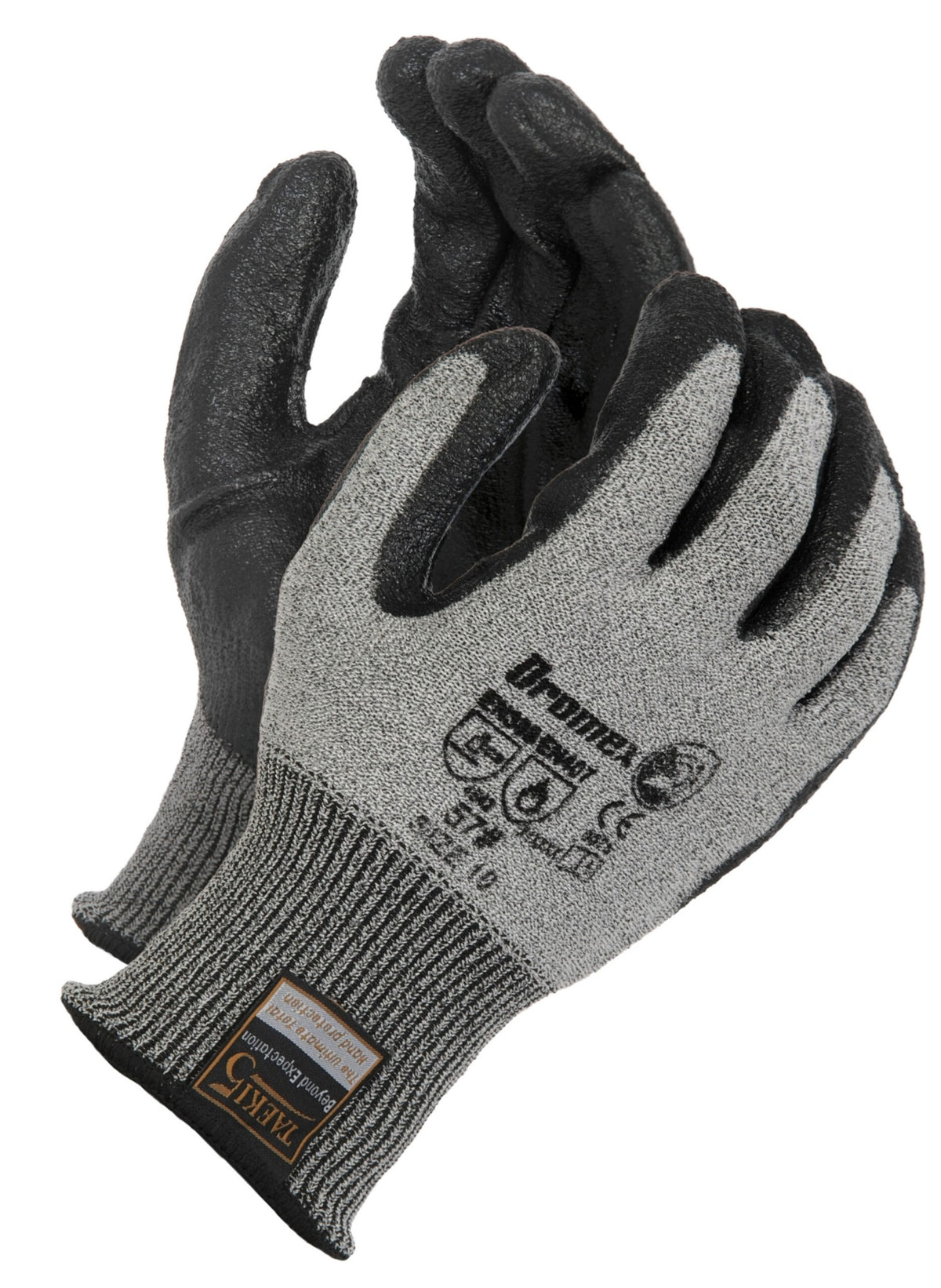
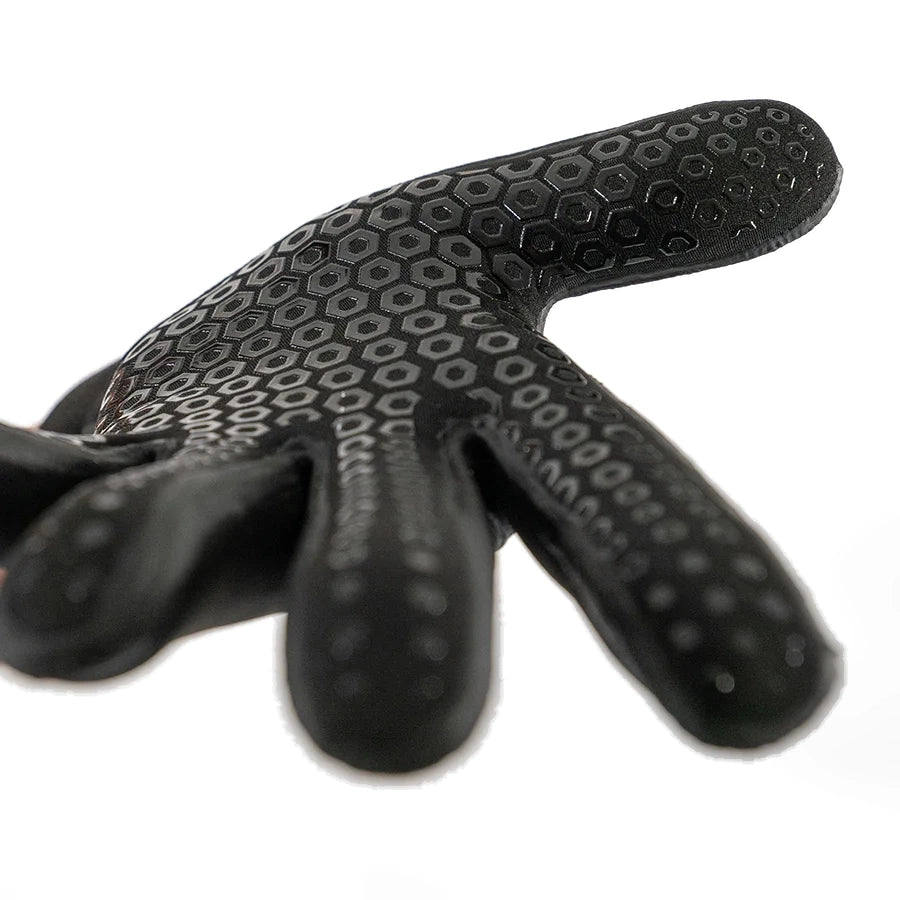
- Kevlar or reinforced palms resist abrasion from rock and rope.
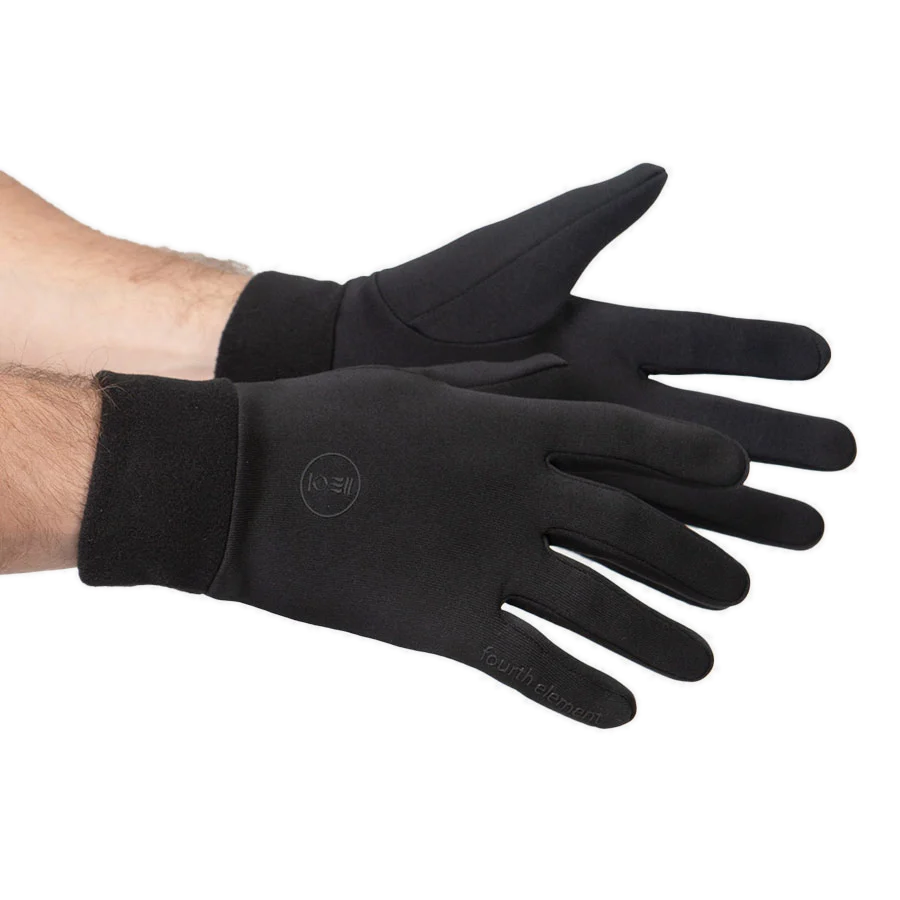
- Dry gloves seal at the cuff and fit a drysuit, with thermal liners underneath.
Fit
A glove should fit like a second skin, with no empty finger tips and no pressure across the knuckles. Too tight restricts blood flow and makes your hands colder, and too loose floods and lets water circulate. Try them with your computer and inflator in mind, since you must be able to work the buttons. Brands here include Fourth Element, Scubatech, Aqualung, Mares, Scubapro and Cressi. Pair gloves with hoods and boots for cold dives. Check local rules, since some sites ask divers not to wear gloves.
Questions we get asked
What thickness of dive glove do I need?
Around 3 mm suits warm and moderate water, 5 mm suits most Cape and winter diving, and 7 mm mitts suit very cold water.
Can I use dive gloves with a drysuit?
Yes. Many drysuit divers use neoprene gloves, or dry gloves that seal at the cuff and take a warm liner.
Do gloves reduce dexterity?
Thicker gloves reduce it. A 2 to 3 mm glove keeps most of it, and a thicker glove or mitt trades dexterity for warmth.