 Pay Later
Choose the camera type for where you will use it, then make sure its depth rating is deeper than the deepest dive you plan.
Snorkellers stay near the surface, where natural light is strongest. Scuba divers go deeper, so the depth rating and the colour method need more care (our explanation).
Three camera types
Action camera. PADI recommends beginners start with a compact camera, a smartphone in a waterproof case, or an action camera.
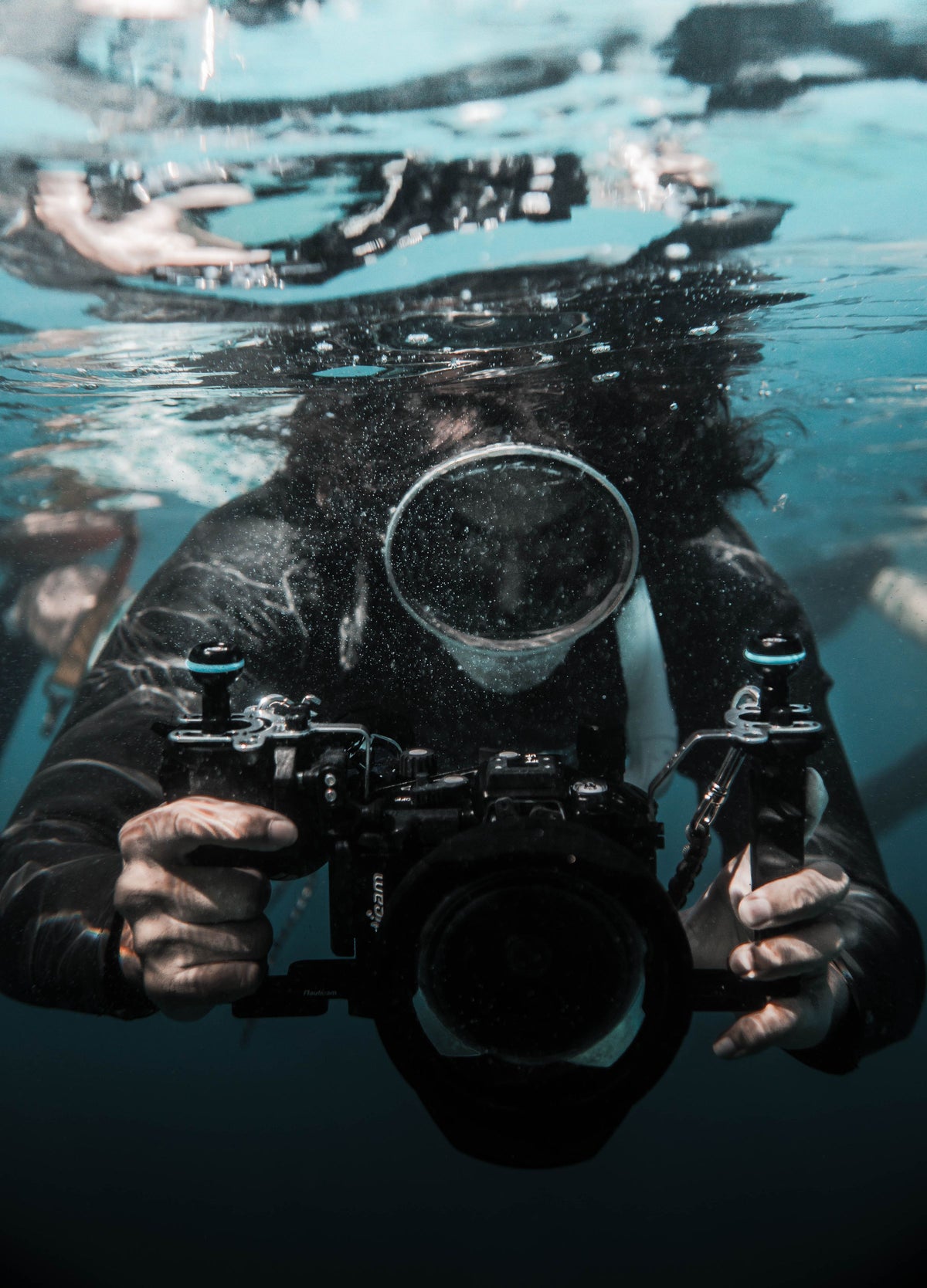
Compact camera in a housing. PADI calls a compact "a great starting point" because it is easy to travel with, and suggests choosing one with an underwater mode, which helps correct colour loss. The housing is a separate purchase, so the cost is camera plus housing.
Waterproof camera. Some cameras are rated waterproof without a housing (our explanation). Read the maker's stated depth rating and compare it with your dive depth.
Browse the cameras, housings and camera combos to compare current prices in rand.
Snorkelling: stay near the light
PADI notes that a photo looks good without artificial light only within about 8 feet (roughly 2.4 metres) of the surface. That suits snorkelling. Keep the sun behind you so more light falls on the subject, get close to cut down the particles between lens and subject, and angle the camera upward for a clean blue background.
Depth ratings against the depth you will dive
A depth rating is the limit for the housing or camera, so compare it with your own limit. As our depth article explains, Open Water divers go to 18 metres, Advanced Open Water training goes to 30 metres, and 40 metres is the recreational limit.
PADI says housings for popular compacts are generally rated to 30 metres. Check the maker's stated rating for the housing and the camera, and choose one deeper than the deepest dive you plan.
Housings
A housing is a separate purchase from a compact camera. PADI notes that other makers offer housings with higher depth ratings, but they cost more. Match the rating to the depth you will dive.
See the camera housings and camera accessories.
Colour: filter, colour mode or light
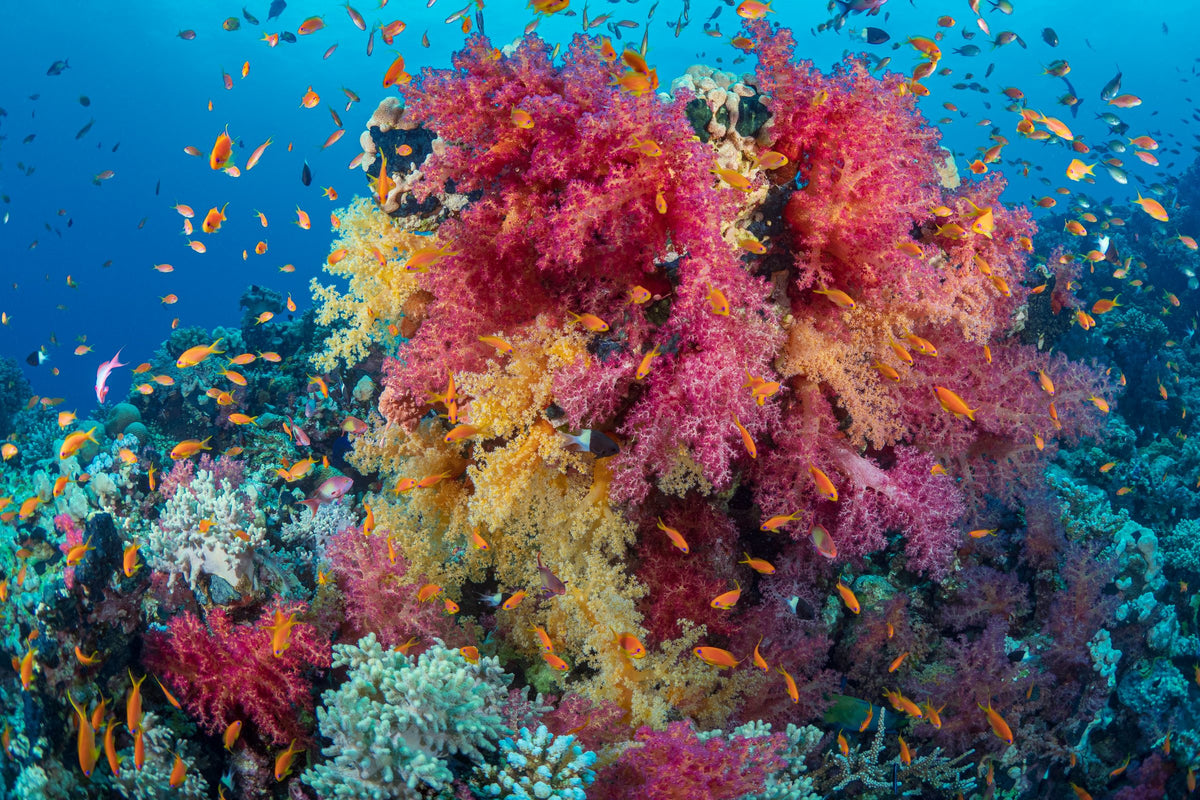
Water removes colour with depth. Our guide to why colours disappear underwater explains why. Here are the fixes.
- Red filter. PADI recommends red filters at shallow depths and removing them when you start to lose light.
- Manual white balance. DAN calls this the ultimate solution for ambient-light photography. Hold the target about 3 feet from the lens and reset after each 10 feet of ascent or descent. Past 60 feet (18 metres), only green and blue remain, so you need artificial light.
- Underwater mode. PADI suggests a compact with one, which helps correct colour loss.
- RAW. DAN says the most important feature is the ability to shoot RAW, and notes that many consumer cameras will not.
- Light. PADI says a dive light brings colour back to the reef, even in daytime. Stay close to the subject, and use more than one light to reduce hot spots.
Shop video lights and underwater photography gear.
Mounts: head, chest, leg or handheld
PADI tells scuba divers to forget head, chest and leg mounts, and to hold the camera by hand so you control the angle and keep it steady. Browse camera accessories once you have chosen how you will hold the camera.
Buoyancy, reef contact and staying safe
PADI says good buoyancy protects the reef, especially with the distraction of a camera, and suggests the Peak Performance Buoyancy course before you pick one up. It also lists "don't kick the reef" among the habits of skilled underwater photographers. Never touch the reef, and let animals come to you.
DAN describes a diver who lost their buddy while filming and ended up at 53 metres on a dive planned to 30. It says adding the camera task seemingly exceeded their capacity to control depth, calls task-loading a known root cause of injuries and fatalities, and advises introducing new tasks gradually. PADI suggests shooting while breathing out, and DAN recommends keeping your buddy in sight.
Your first-month checklist
This is our practical advice, drawing on the PADI and DAN points above.
- Pick your camera type and compare its depth rating with your certification limit.
- Test the seals in a bucket or pool, with no camera inside the housing.
- Practise in a pool: trim, slow kicks, and buoyancy before the camera.
- Start shallow on a sunny day, within about 5 metres if you have no light.
- Photograph slow or stationary subjects, close up.
- Tell your buddy your plan, and check depth and air before each shot.
- Rinse in fresh water, dry, then review and edit.
Frequently asked questions
Which underwater camera suits snorkelling?
PADI suggests beginners start with a compact camera, a smartphone in a waterproof case, or an action camera. It notes a photo looks good without artificial light only within about 8 feet (roughly 2.4 metres) of the surface, which suits snorkelling.
Do I need a housing for scuba diving?
Check the maker's stated depth rating for the camera on its own. If it is shallower than your dive, you need a housing rated deeper than your dive (our explanation). PADI says housings for popular compacts are generally rated to 30 metres.
How deep should my camera housing be rated?
Rated deeper than the deepest dive you will do. The Open Water limit is 18 metres and Advanced Open Water training goes to 30 metres, as our depth article explains. PADI says housings for popular compacts are generally rated to 30 metres, so check the rating on the one you are buying.
Why are my photos blue or green?
Our guide to why colours disappear explains why. To bring colour back, PADI recommends a red filter at shallow depths, DAN recommends a manual white balance, and a dive light restores colour at depth.
Can I wear my camera on my head or chest?
PADI advises against head, chest and leg mounts for scuba and says to hold the camera by hand so you control the angle and keep shots steady.
Will a camera make diving riskier?
It can. DAN says task-loading is a known root cause of diving injuries and fatalities and advises introducing new tasks gradually. Keep your buddy in sight and watch your depth.
Sources
- PADI Blog: Underwater Photography Tips: 8 foot natural light limit, sun behind you, getting close, dive light, buoyancy and Peak Performance Buoyancy.
- PADI Blog, Getting Started in Underwater Photography: compact as a starting point, underwater mode, housings generally rated to 30 metres, other makers rated deeper at higher cost, shooting while breathing out, shallow starts.
- PADI Blog, 7 Ways to Get More Out of Your Action Camera: red filter use and removal, avoiding head, chest and leg mounts, multiple lights, buoyancy.
- PADI Blog, Underwater Photography Etiquette: not kicking the reef, letting animals come to you.
- DAN, Recovering Colour in Underwater Photography: manual white balance, RAW, filter limits, artificial light past 60 feet.
- DAN, Distraction, Unplanned Exposure, and a Lucky Outcome: task-loading, depth control, buddy contact, gradual introduction of new tasks.
- Scuba Evolution, How deep can you scuba dive: Open Water, Advanced and recreational depth limits.
Reviewed November 2026. Devon Ford, PADI IDC Staff Instructor, runs Scuba Evolution, a PADI 5 Star Dive Centre in Glenvista, Johannesburg.
This guide is general information, not training. Take a PADI course and dive within your certification, training and plan.