











Reef in South Africa
Reef is a family-run business based in Cape Town, next to the cold Atlantic, and it has made wetsuits and accessories for more than five decades. The Stringer family took the company over in 1987. Reef's own range covers surfing, bodyboarding, diving and clothing, and it lists the NSRI and the Two Oceans Aquarium among its affiliations. In the shop it's the diving side: wetsuits for every water temperature on the South African coast, the hoods, boots and gloves that finish them, and a set of masks, snorkels, fins and bags.
Choosing a thickness for South African water
The coastline does most of the deciding. Sodwana and the KZN north coast are warm for most of the year, and a 3mm full suit or a 2mm spring tends to cover a typical dive there, with a skin or a hooded vest added on a cooler day. The Eastern Cape and the Garden Route sit in between, where a 5mm suit is the safer choice. Cape Town's Atlantic side runs cold, and divers there tend to wear 6.5mm to 7mm with a hood, boots and gloves. A 5mm or 7mm suit also suits winter training dives inland, in dams and quarries.
Reef's thinner suits are the 2mm short sleeve springs for men, juniors and kids, the 2mm Stretch Farmer John and the 1mm Kinetic top. The 4.3mm Charge for men and Evolve for ladies are entry-level full suits with Superlite neoprene in the arms and a Dura-mesh chest. The 5mm Barrier system comes as a one-piece, a one-piece with the hood attached, or separate pants and jacket that layer. For the coldest water there's the 6.5mm Fahrenheit one-piece in limestone neoprene, and the Diving Farmer John in 3mm, 5mm and 7mm, which pairs with the Diving Jacket with Hood in 5mm or 7mm. Compare them in full wetsuits and shortie wetsuits.
Sizing and fit
A wetsuit only stays warm if it fits close. Water that flushes through gaps at the neck, wrists and lower back carries heat away on every kick, and a suit one size too big tends to be colder than a thinner suit that fits. Reef cuts its adult suits from S to 3XL with in-between sizes such as MS, MT and ML, and the junior and kids suits run on their own sizes. The size options on each product page follow Reef's own. The surest test is trying a suit on in the Glenvista shop: it should feel snug when dry, with no folds under the arms or behind the knees, and you should be able to reach overhead and squat without the neck pressing on your throat. Children lose heat faster than adults, so fit the Triton 3.2mm and Ultra 4.3mm junior suits close as well, rather than a size up to grow into.
Hoods, boots, gloves and dive accessories
In colder water a lot of heat leaves through the head, hands and feet, so the accessories carry as much of the load as the suit. Reef's Dive Hood and Cold Water Dive Hood are 5mm with a 3mm smooth-skin face seal, and the Cold Water Dive Hood adds a bib that closes the gap at the neck and chest. The 5mm Standard and Deluxe boots both zip, with the Deluxe adding a V-cuff, and the 3mm dive gloves and 2mm leather palm gloves cover diving and crayfish handling. See hoods, boots and gloves.
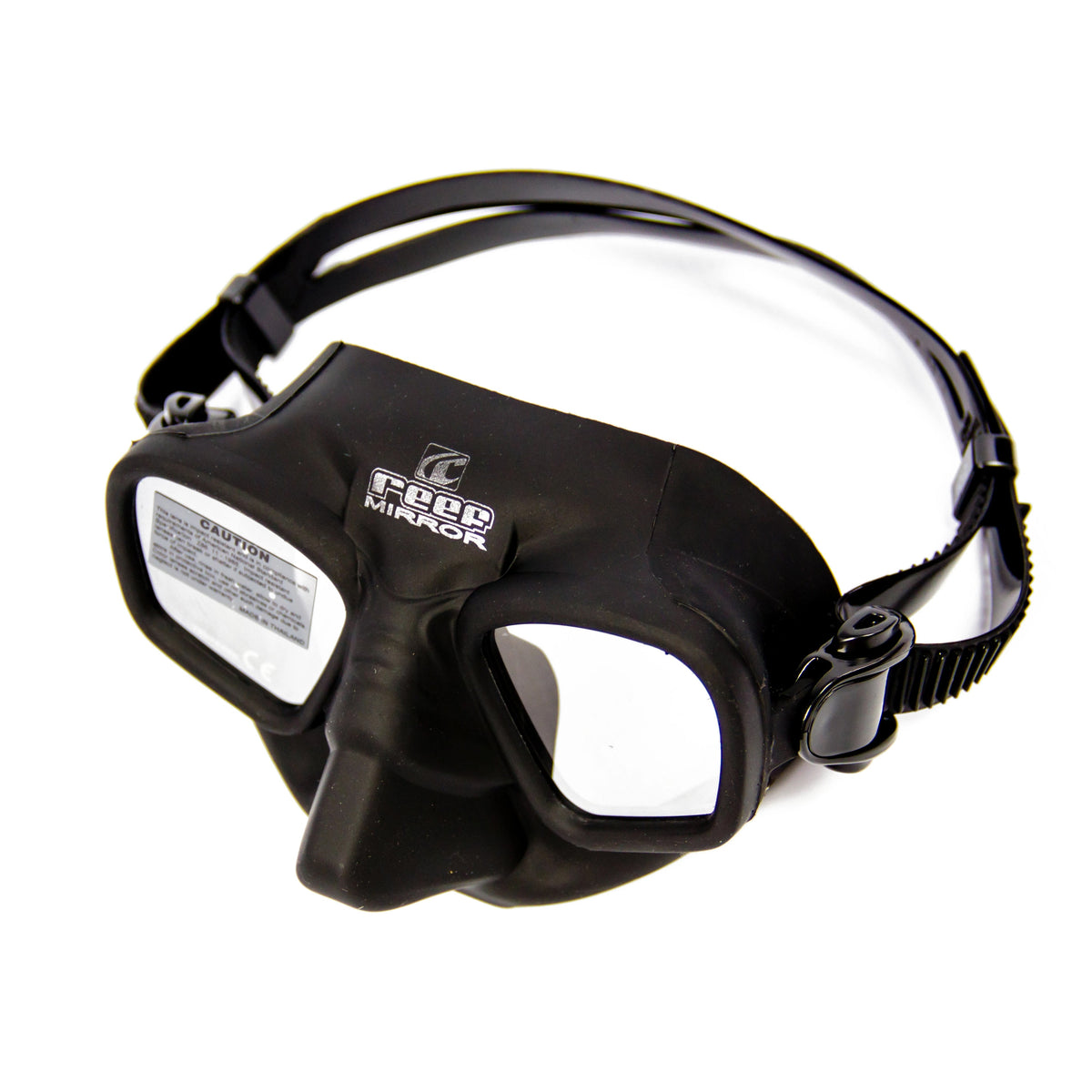
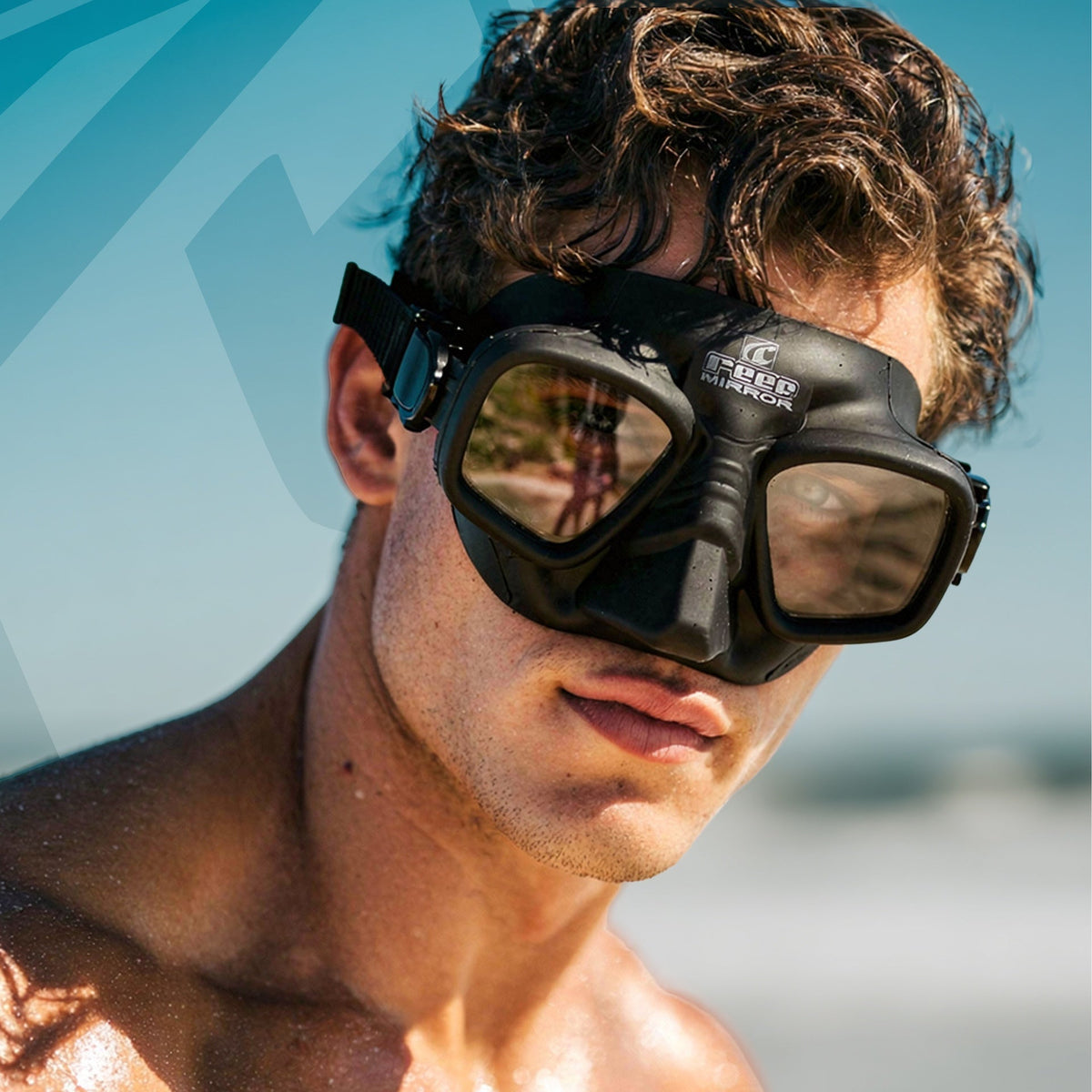
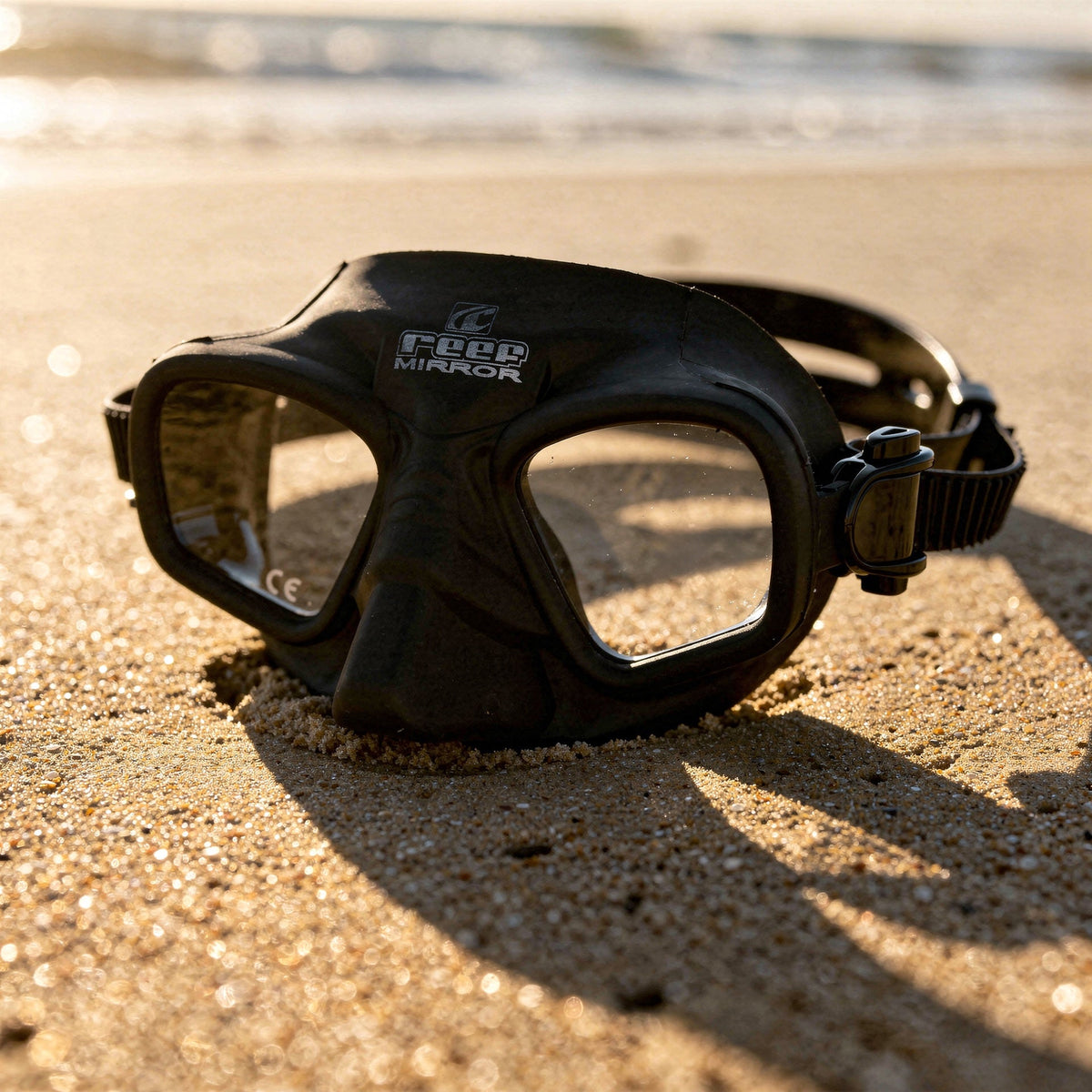
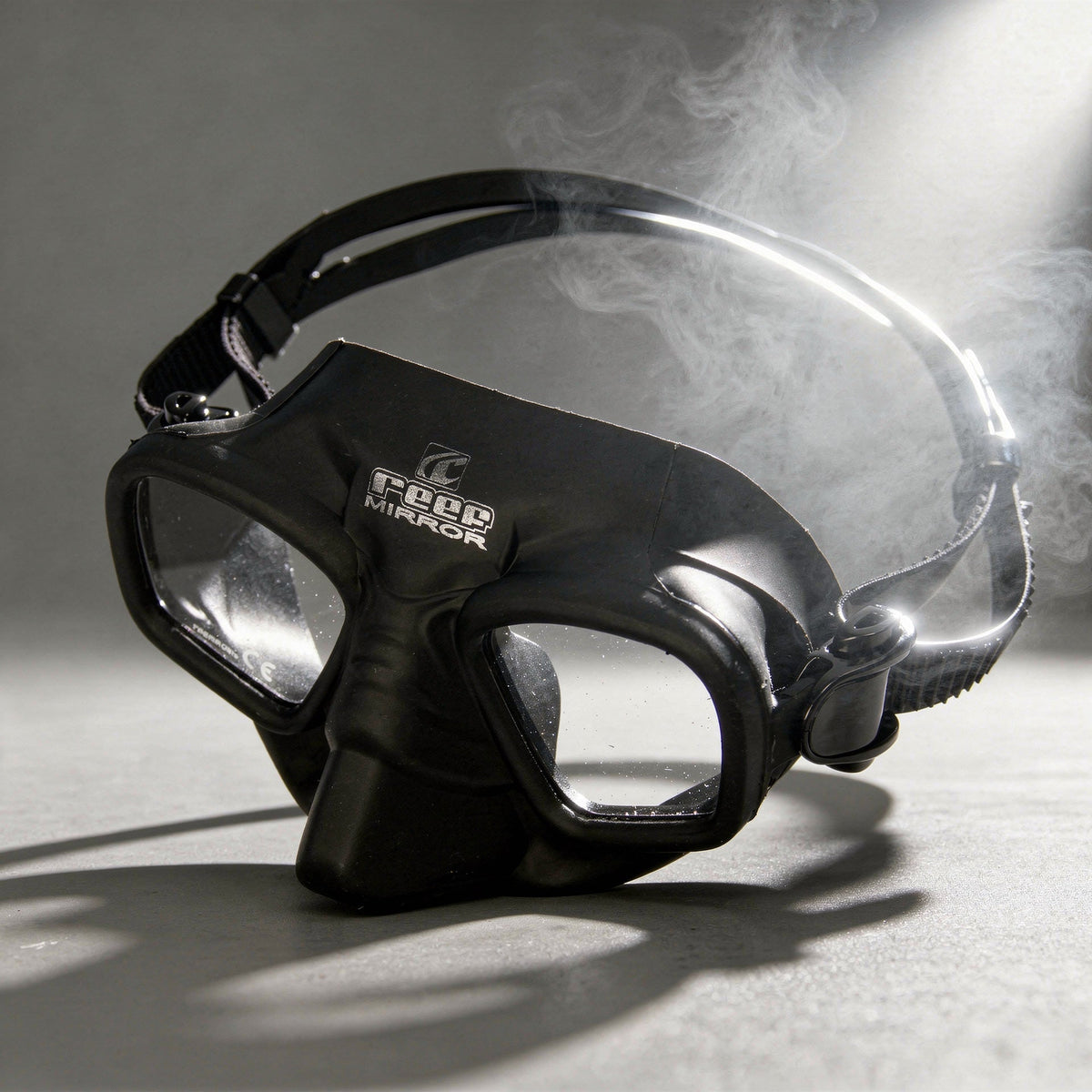
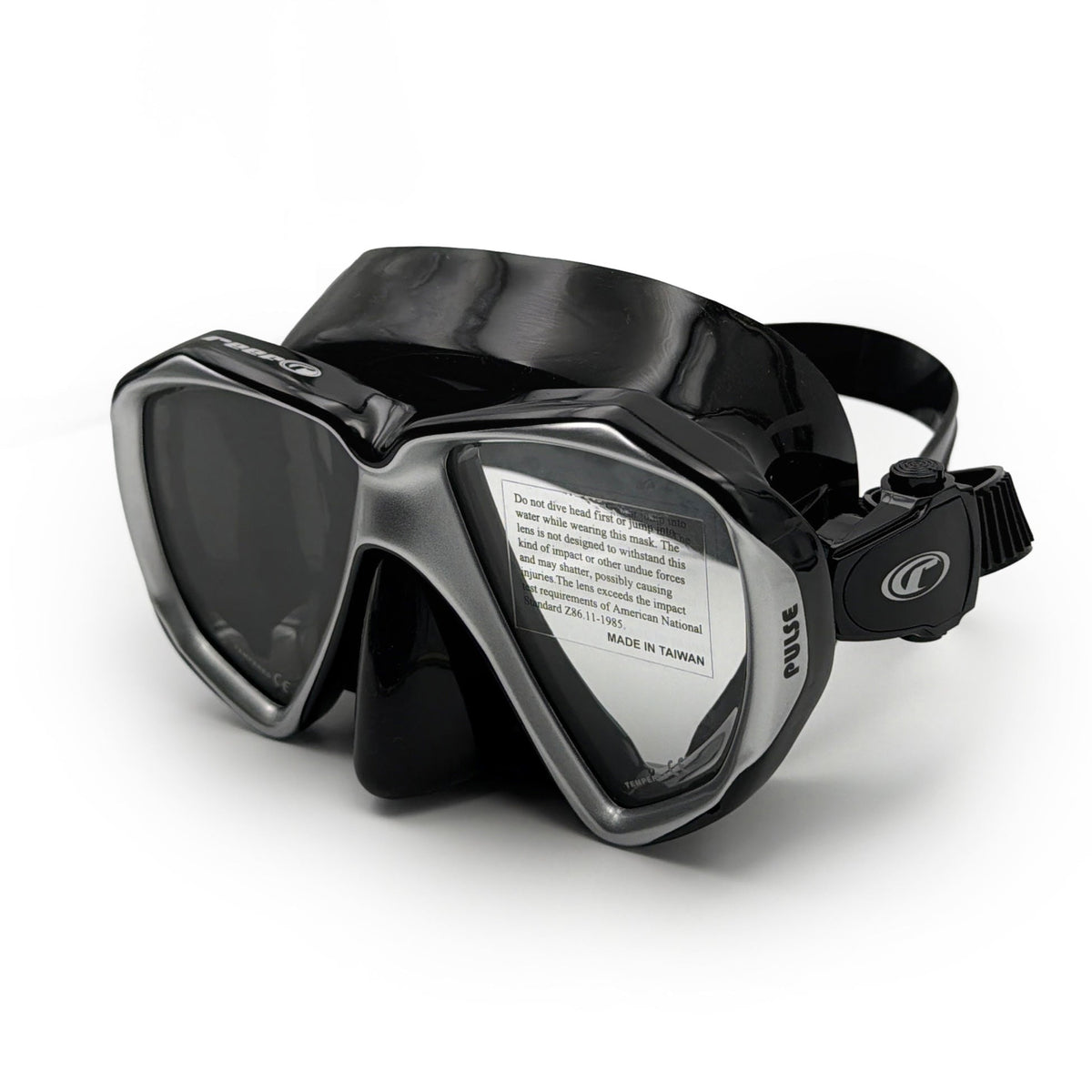
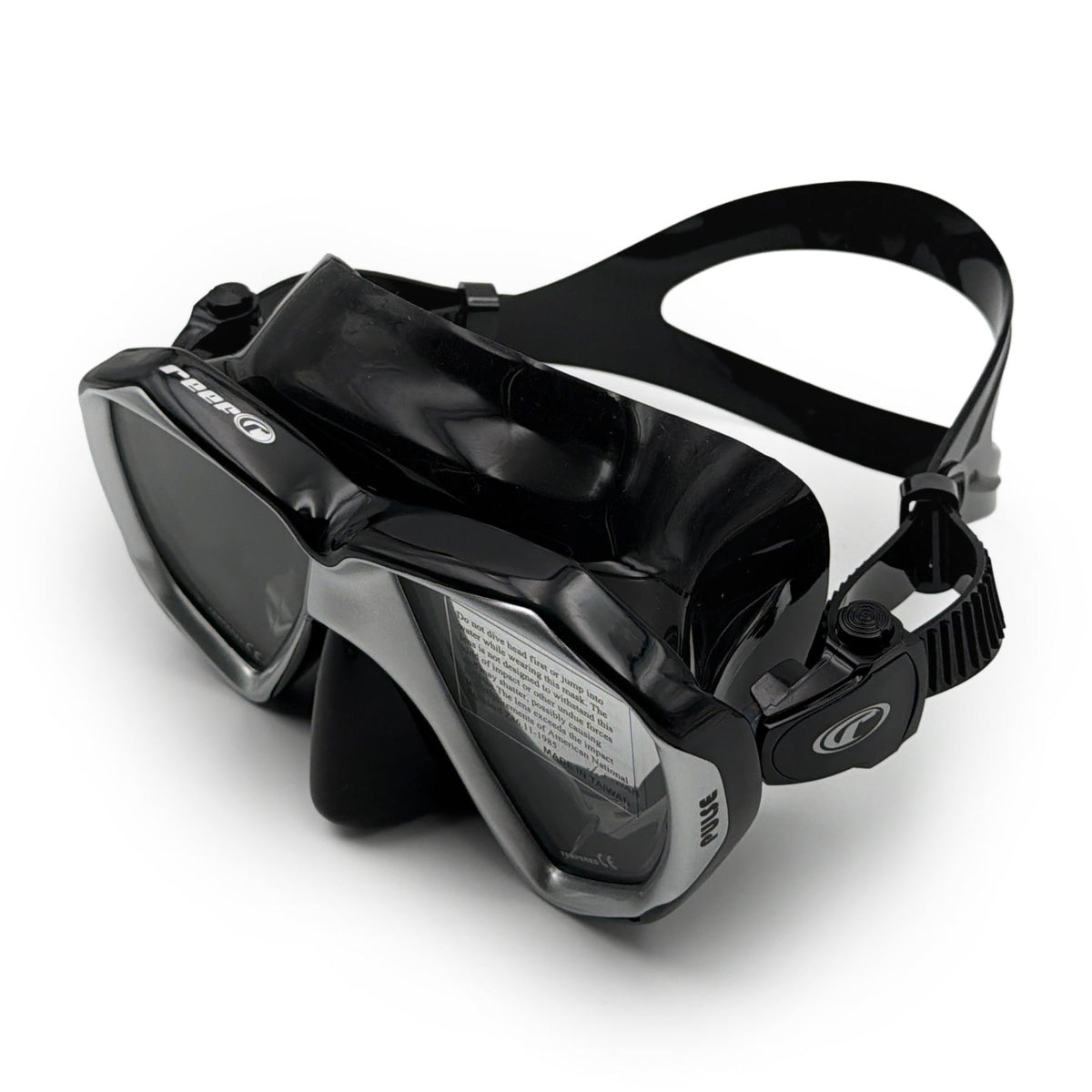
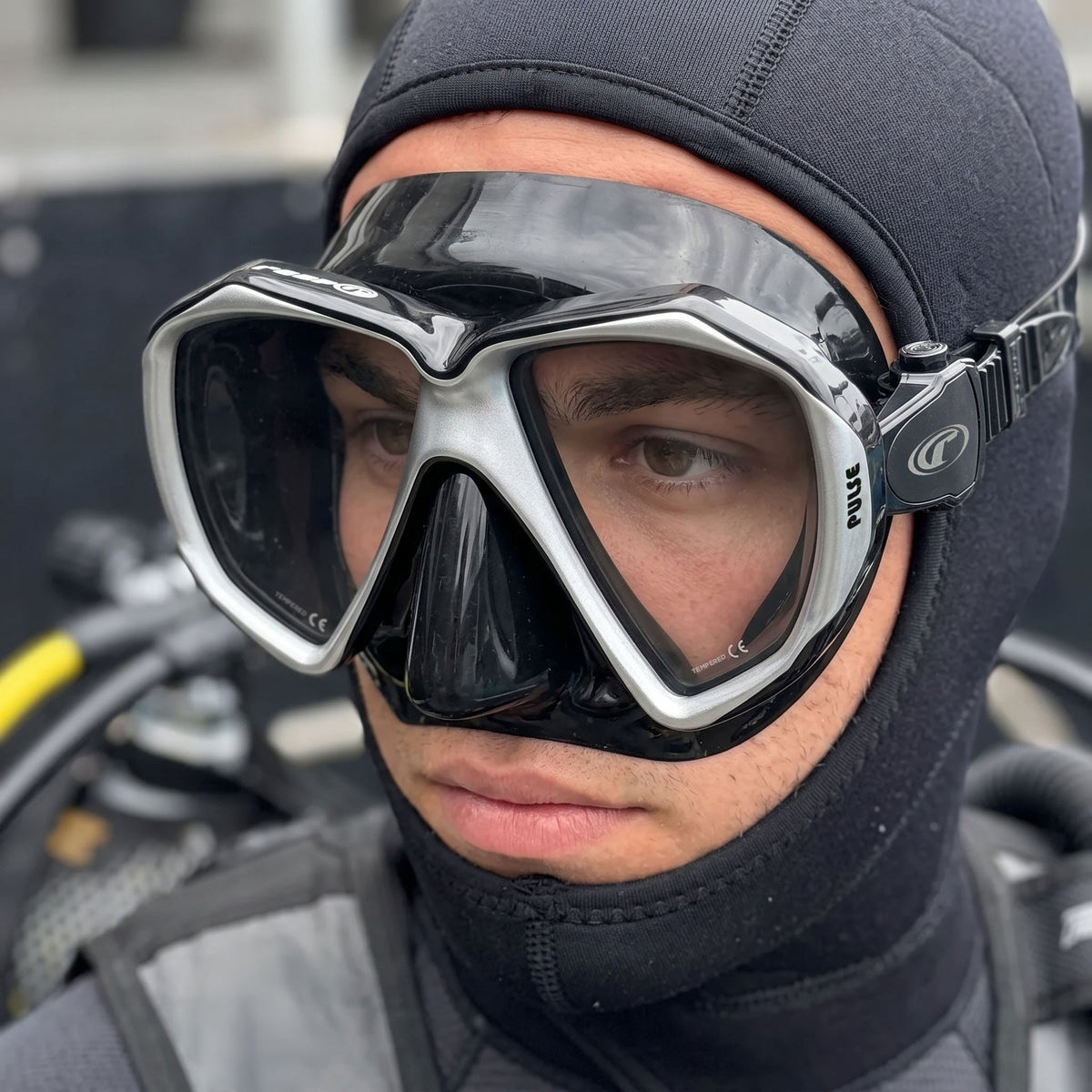
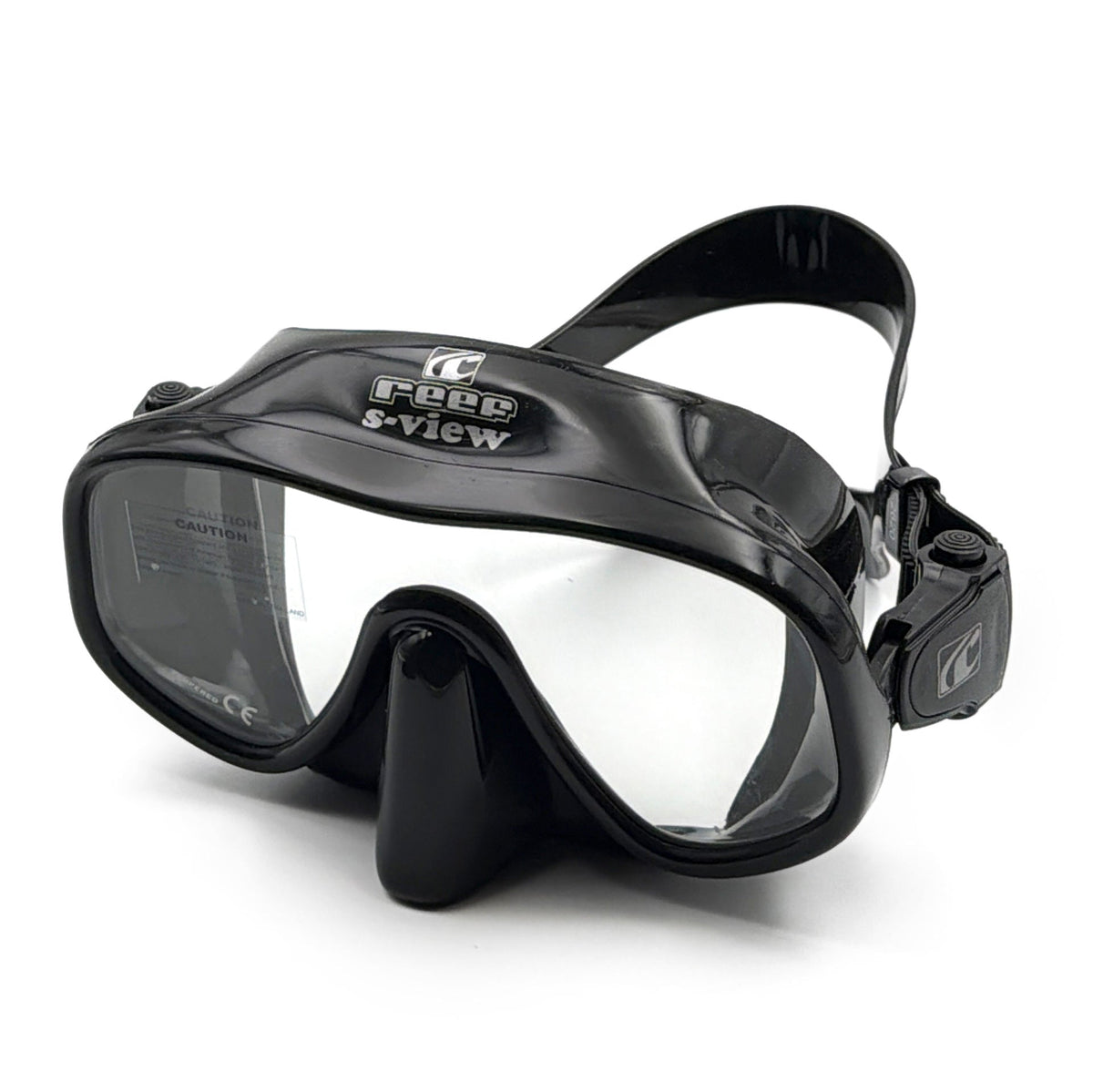
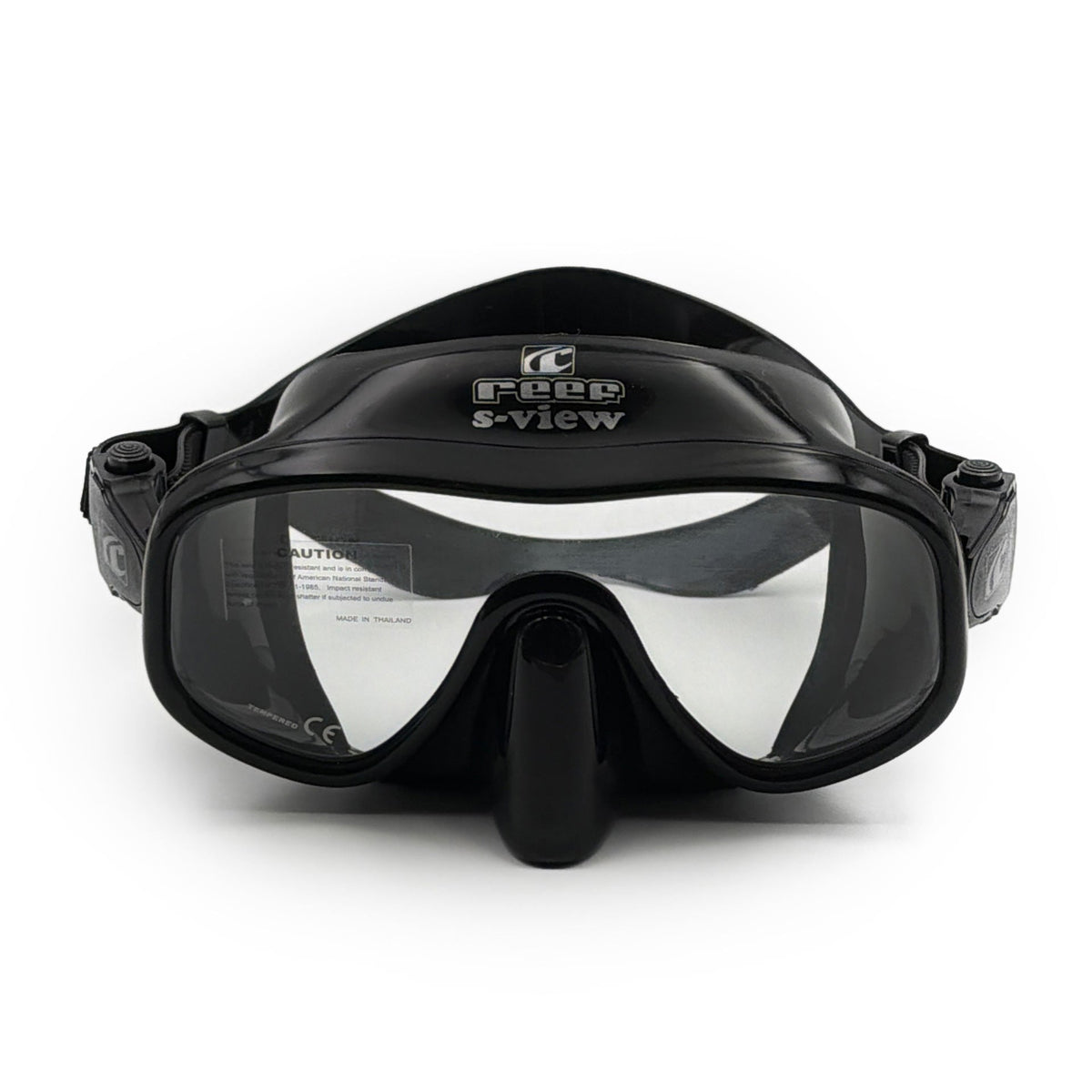
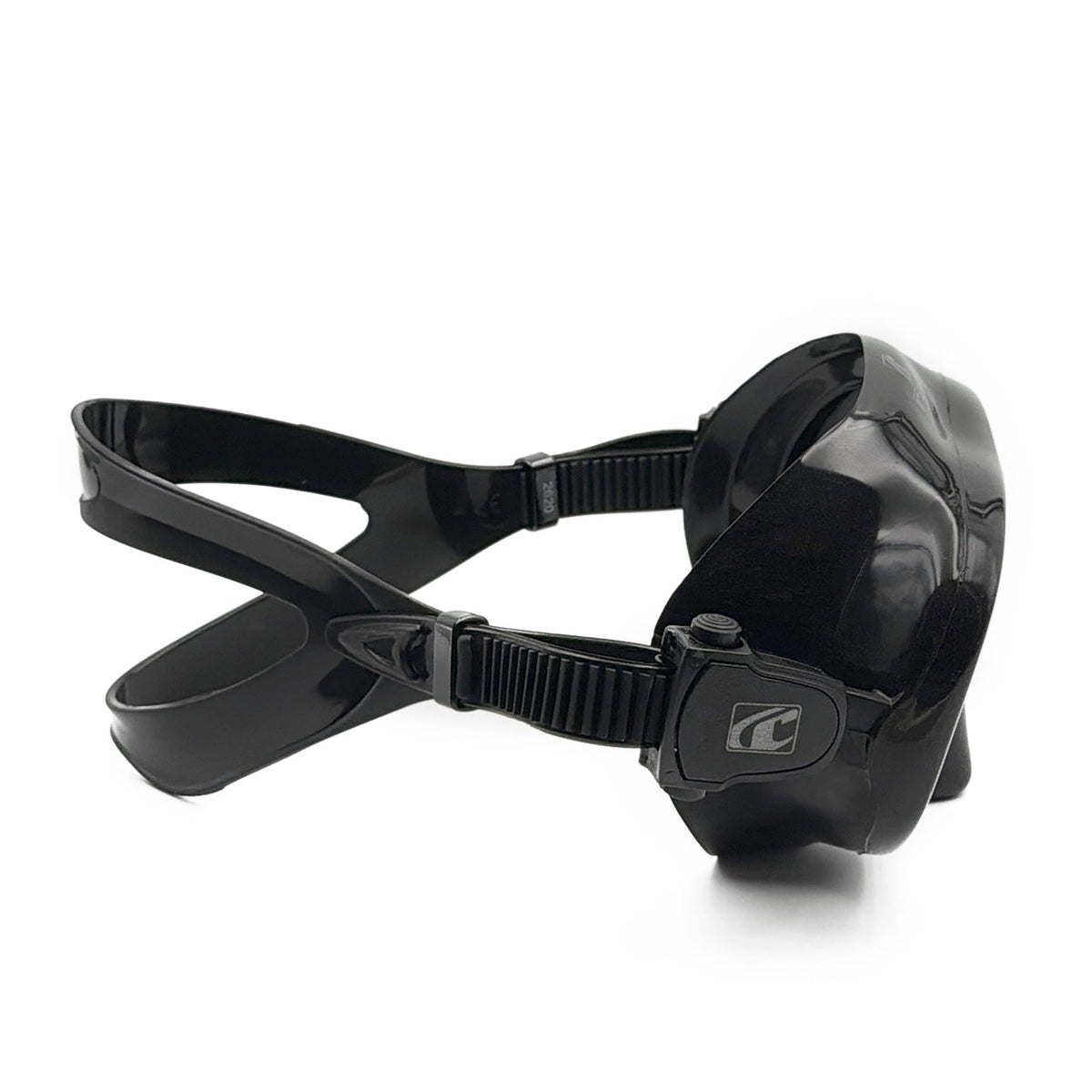
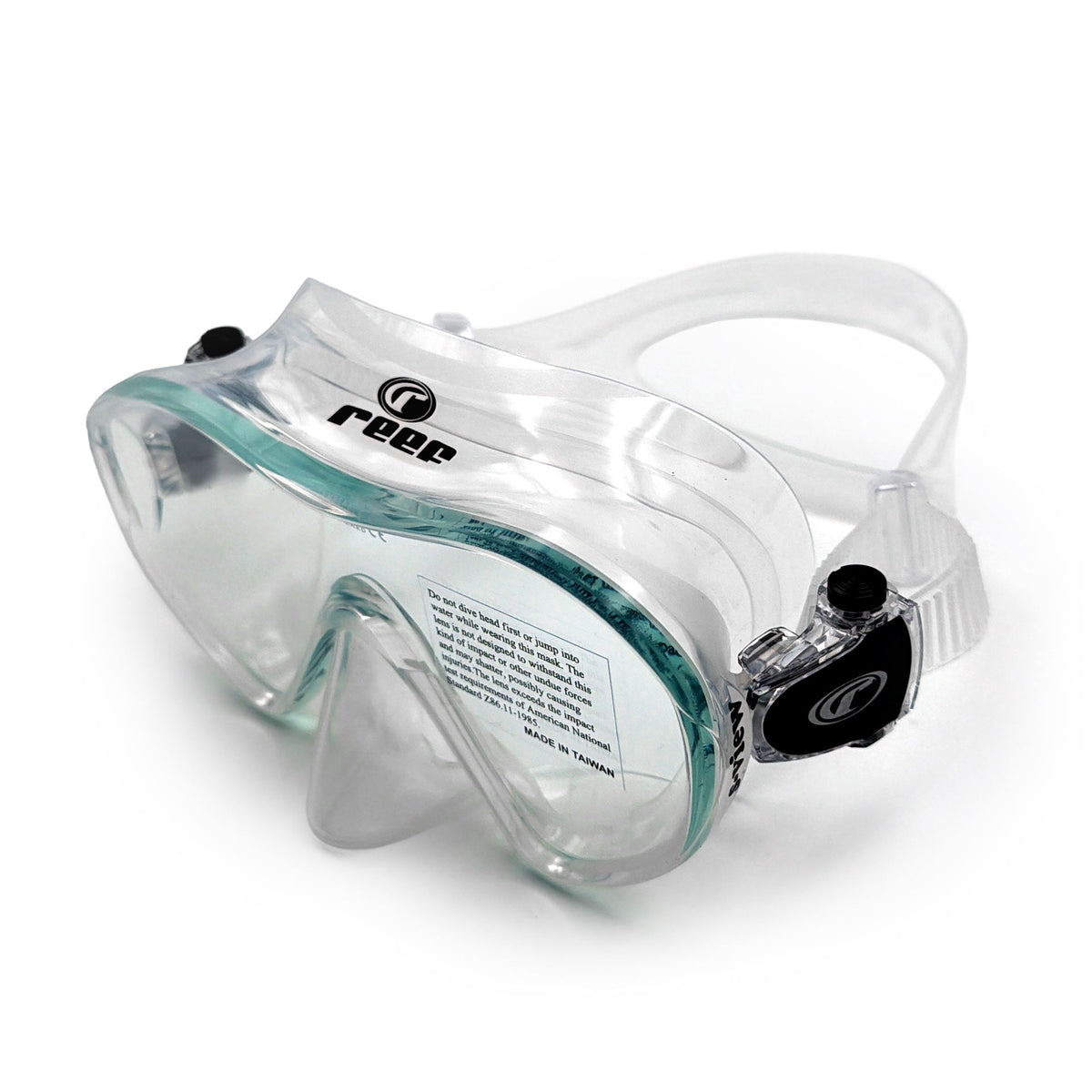
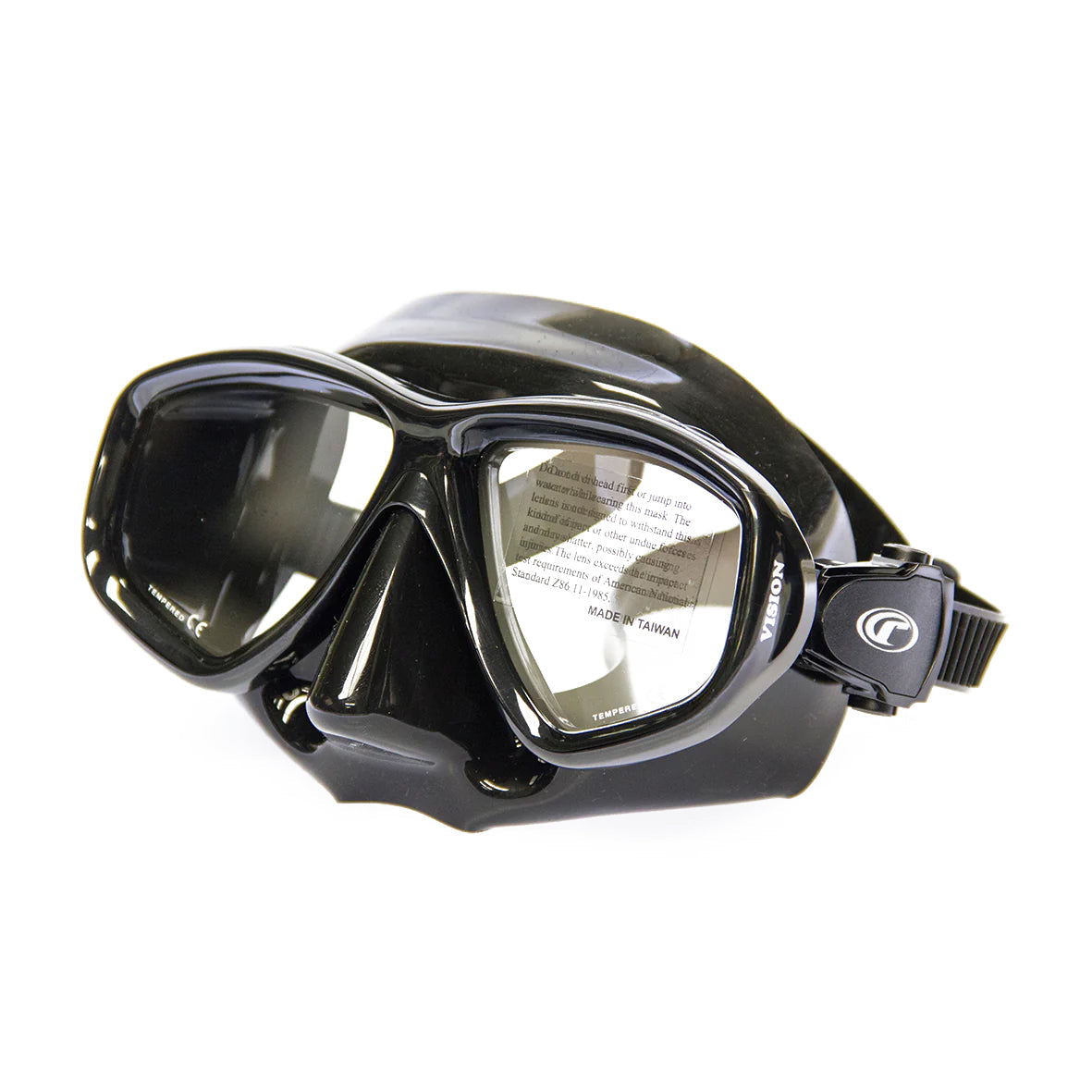
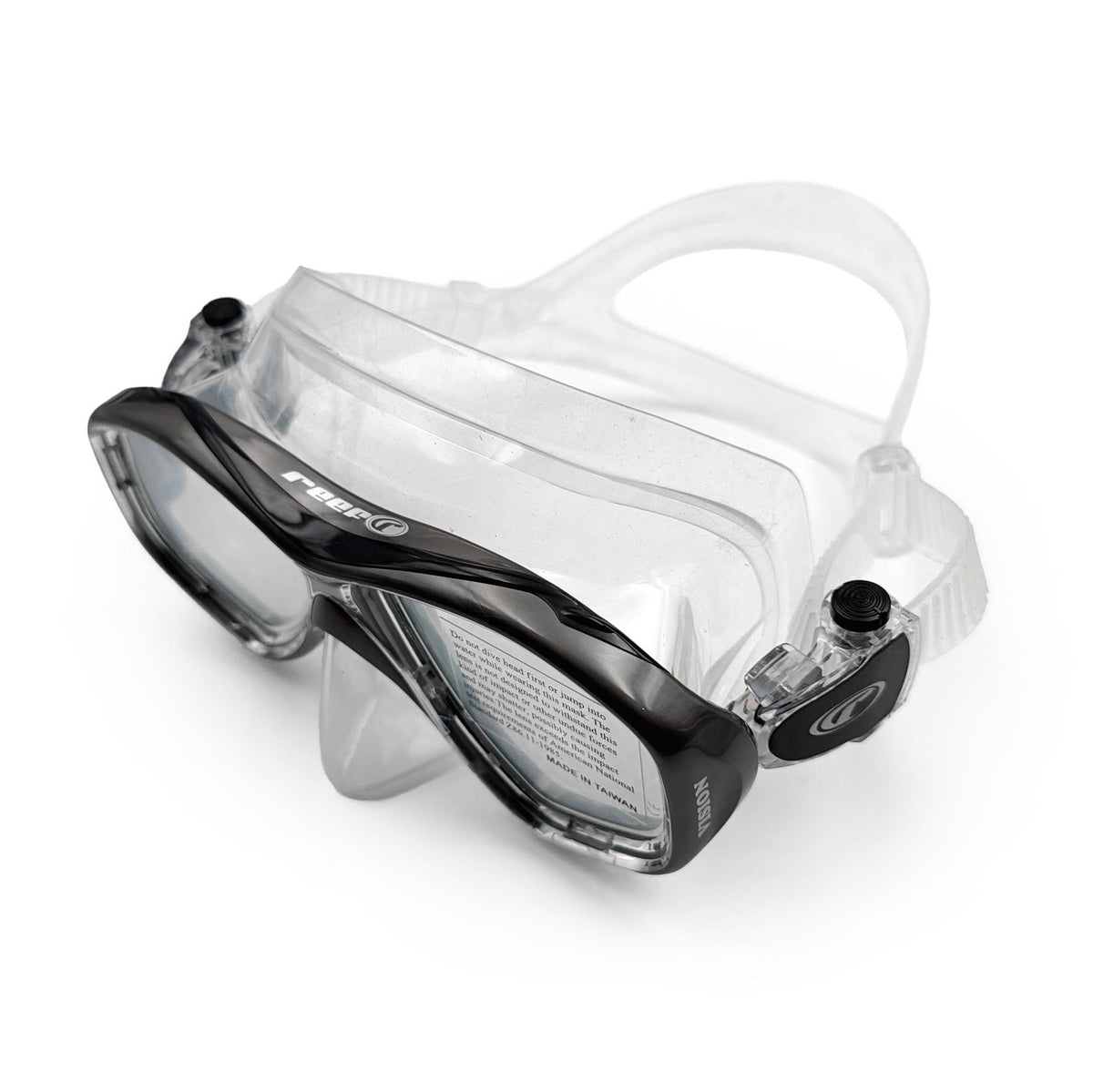
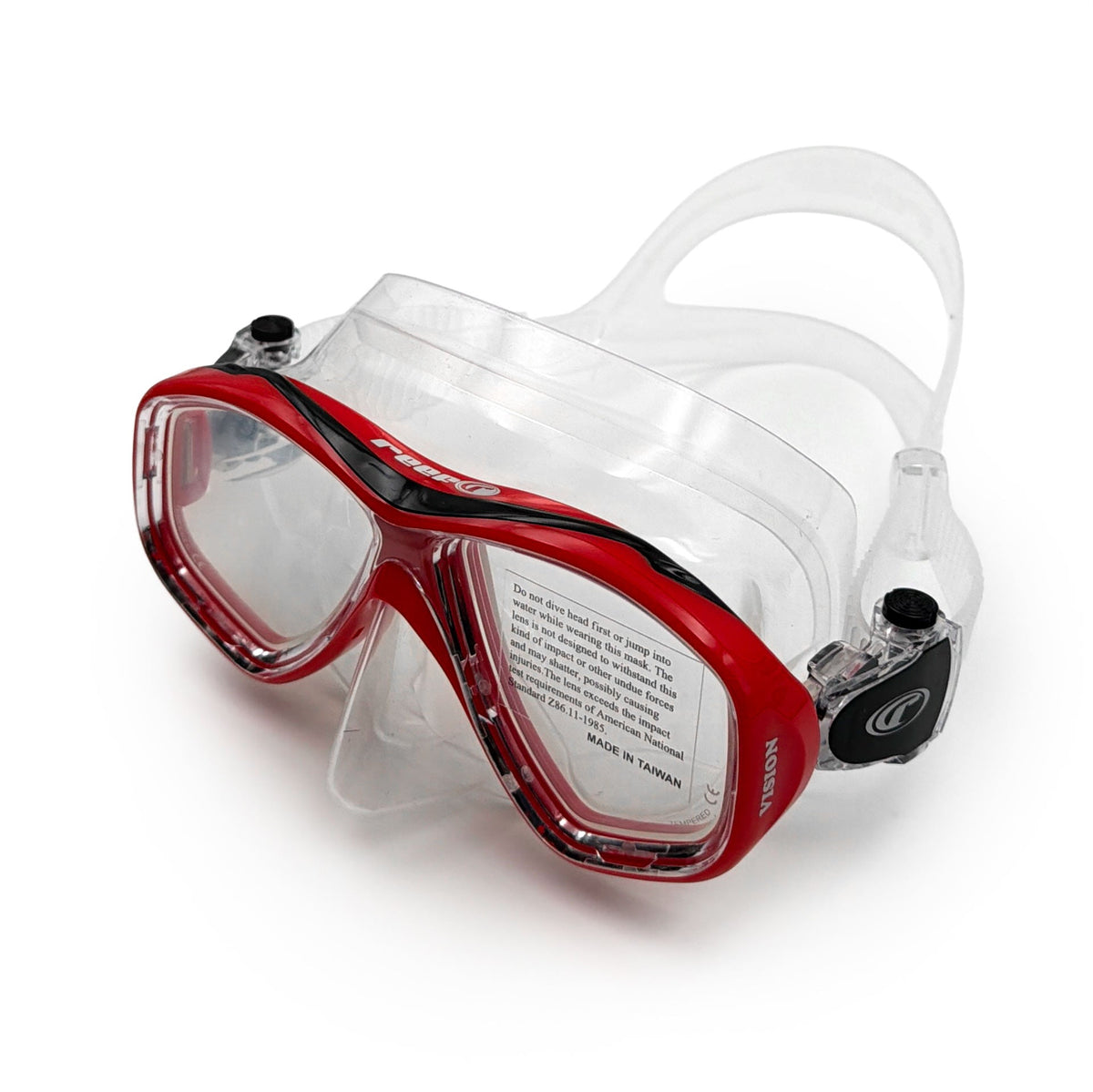
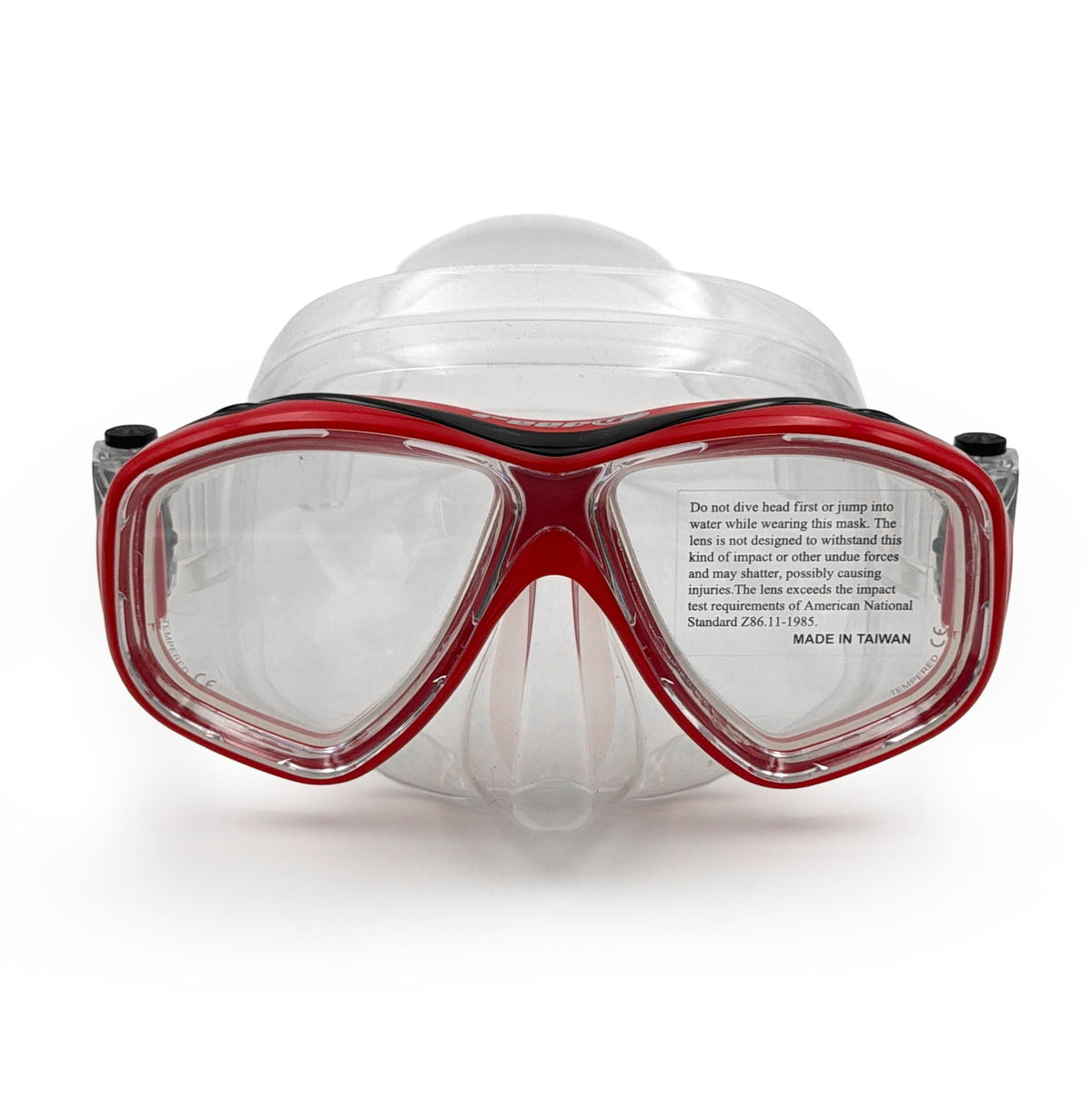
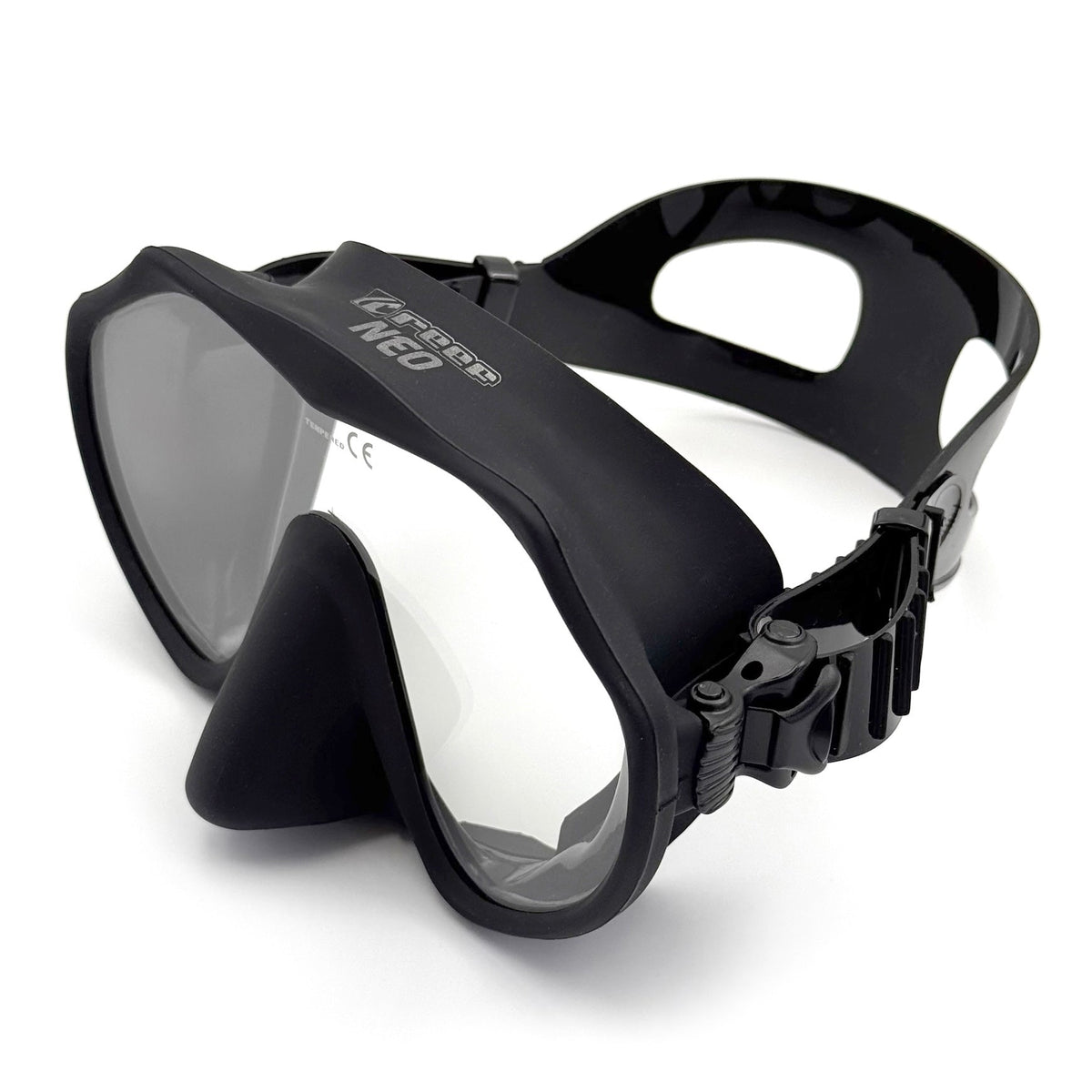
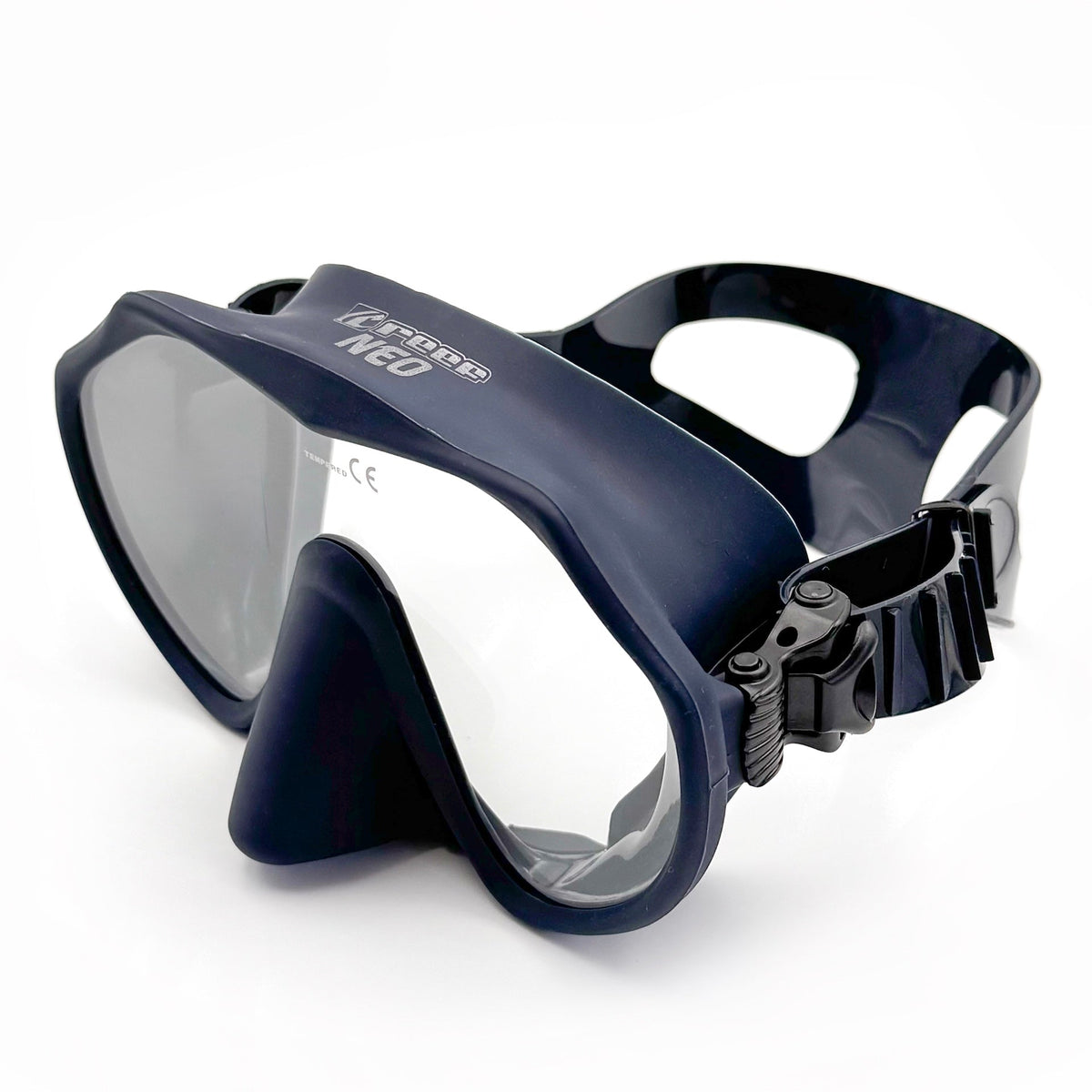
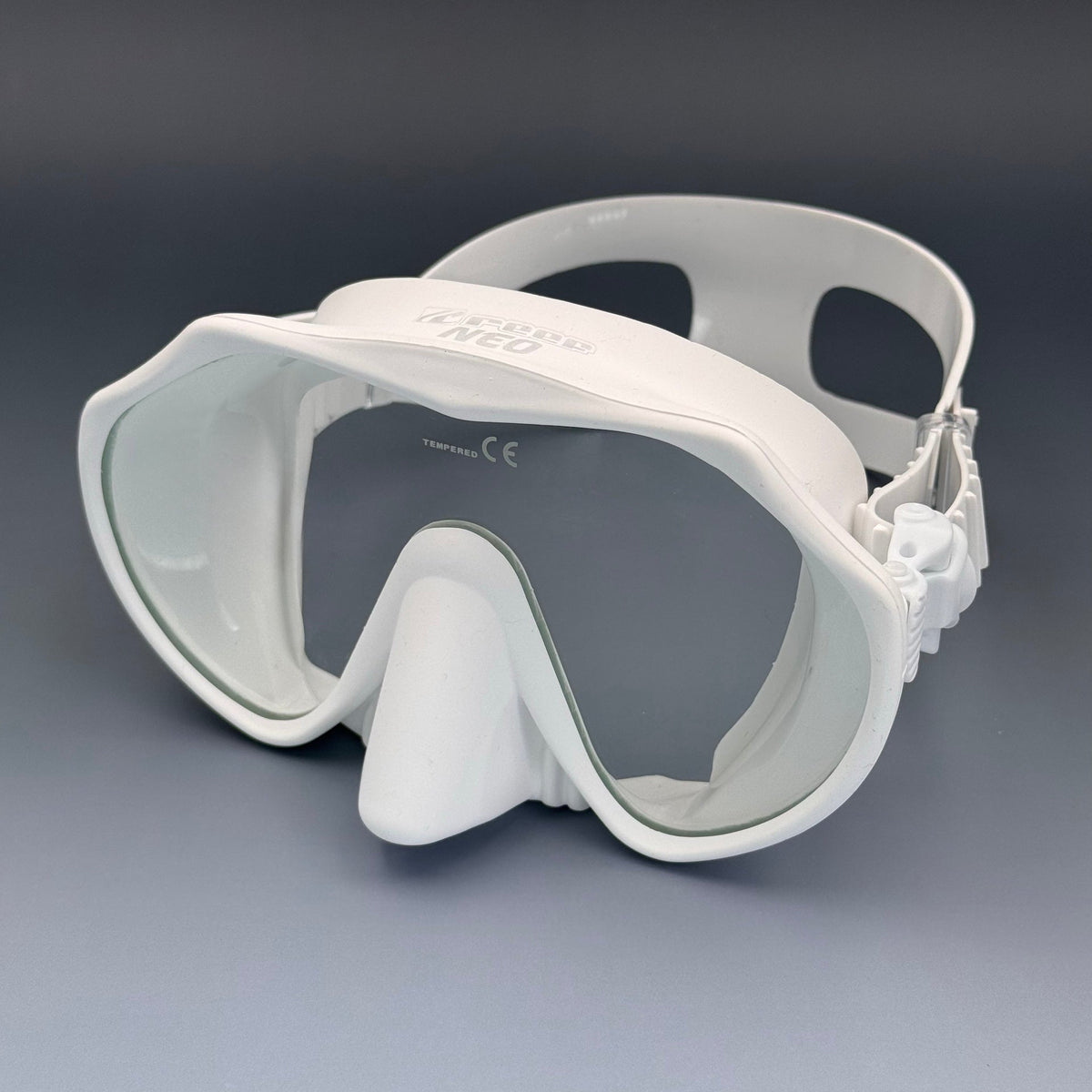
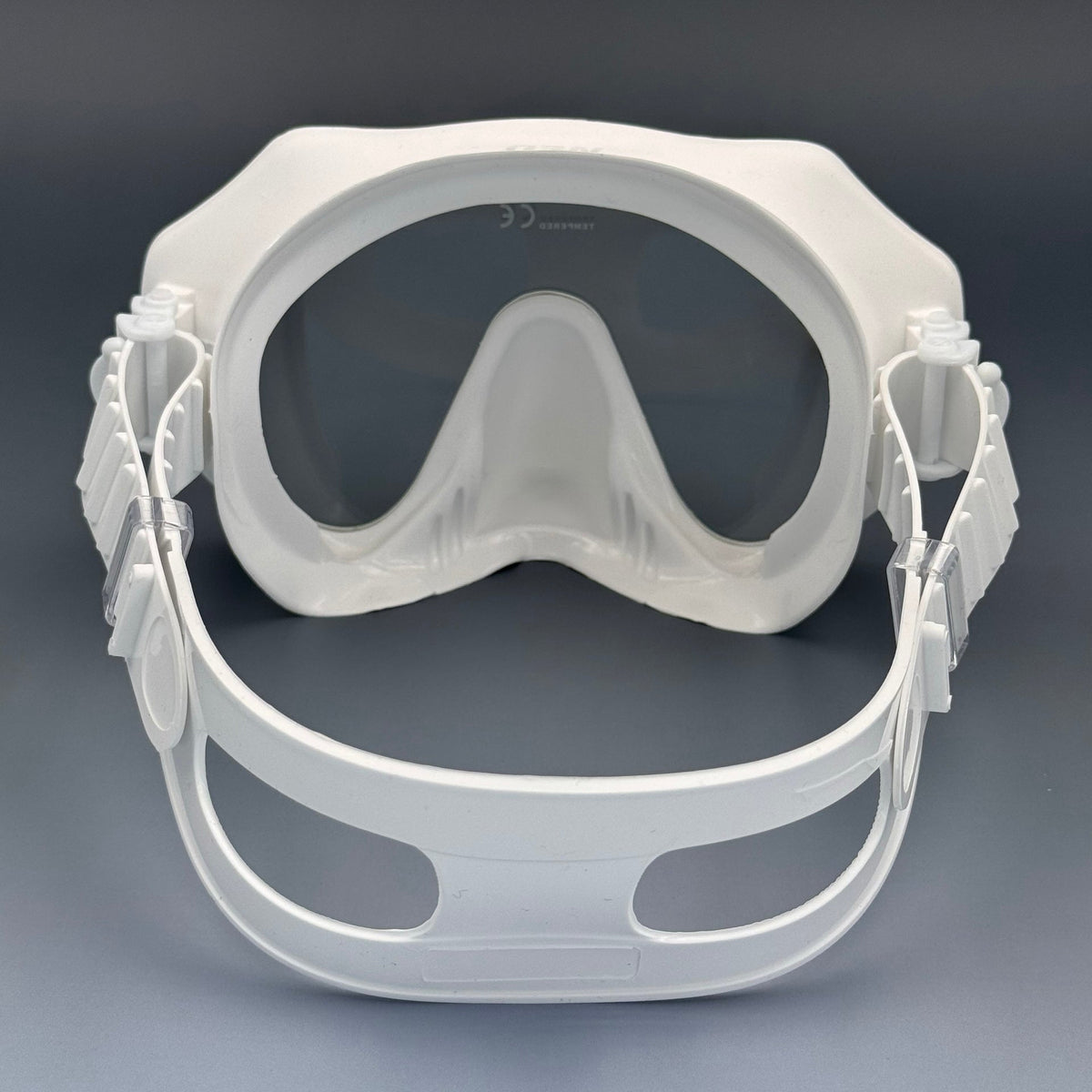
Reef's masks run from the ultra-low volume Mirror for freediving to single-lens masks such as the Neo II and S-View and the twin-lens Vision, Depth and Charge, in dive masks. The Diving Snorkel and the soft Inferno sit in snorkels, the Exceed in open heel fins and the long-blade H2O Freediving Fins in freediving fins. Bags round it out: duffels sized for long-blade fins, a 30 litre dry backpack and a crayfish bag, in dive travel bags and dry bags.
Layering under a suit
A second layer is often the cheaper way to stretch a suit into colder water. The 3.5mm Dive Vest with Hood has a 3mm Nylon II vest and a 5mm attached hood with a 3mm face piece, and Reef makes it to wear under a wetsuit for extra warmth. The Fire Skin Long Sleeve Top and the Fire Skin Vest with Hood are fleece-lined nylon and Spanflex, rated UV 50, and work as a thermal layer under a suit or as wind protection on their own between dives. For a boat day in the sun, the UV Rash Vest comes in long and short sleeves from XS to 4XL. Find the layers in thermal vests and rash vests.
Boots, fins and getting the pairing right
Open heel fins are sized around a boot, so choose the boot first and take it along when trying fins. Reef's Exceed open heel fin comes in S/M (UK 7 to 9), M/L (UK 8 to 11) and L/XL (UK 11 to 12), with adjustable quick release straps. The Hydro-Channel is a closed heel fin worn on a bare foot or a thin sock, running from 2XS (UK 4.5 to 5.5) to XL (UK 12 to 14). If a fin slides on the boot, Reef's rubber Fin Grips sit around the ankle and heel to add friction between boot and foot pocket. The 2mm Flipper Socks, sized UK 3 to 13, take the rub out of a closed heel fin. See fins, socks and fin accessories.
Torches and snorkelling sets
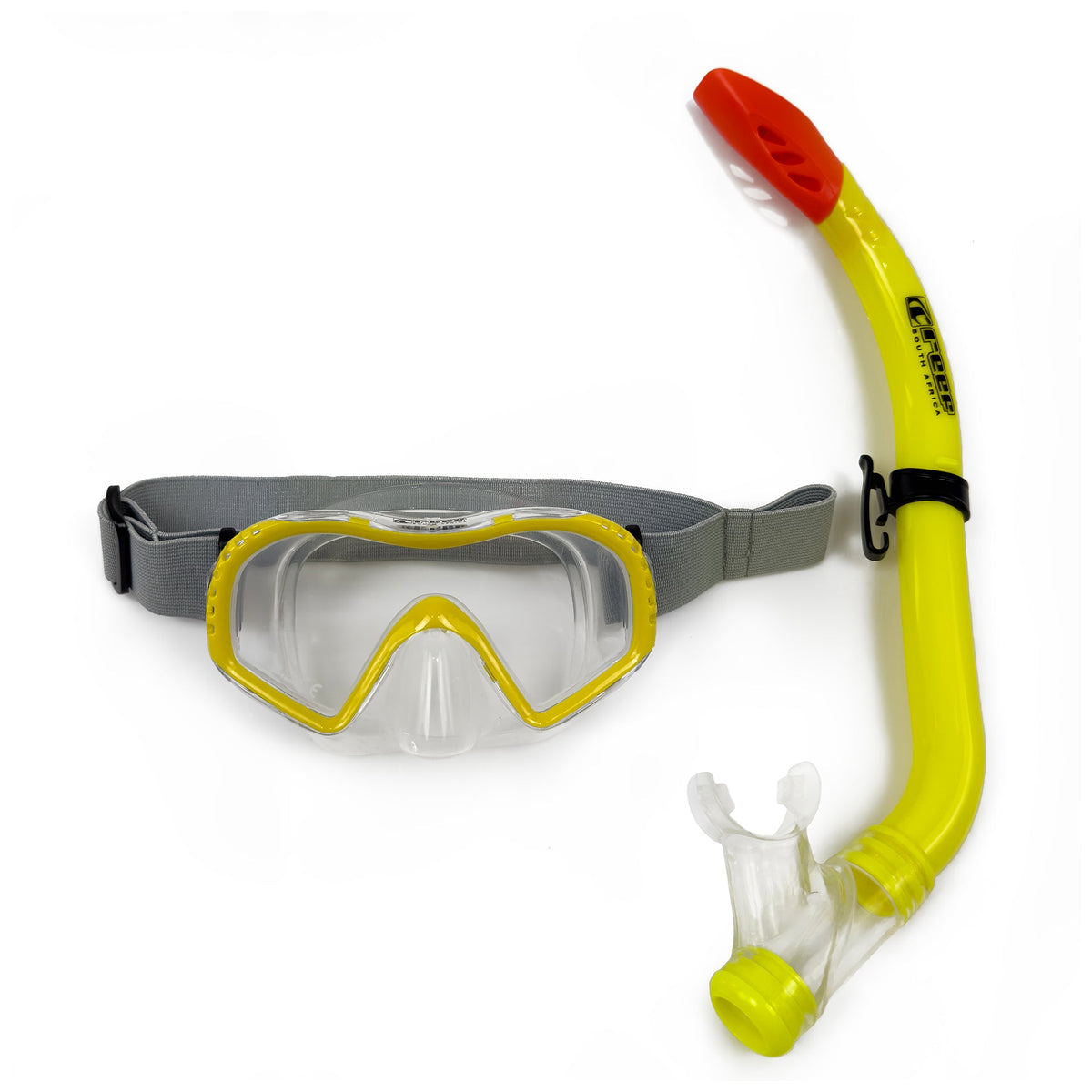
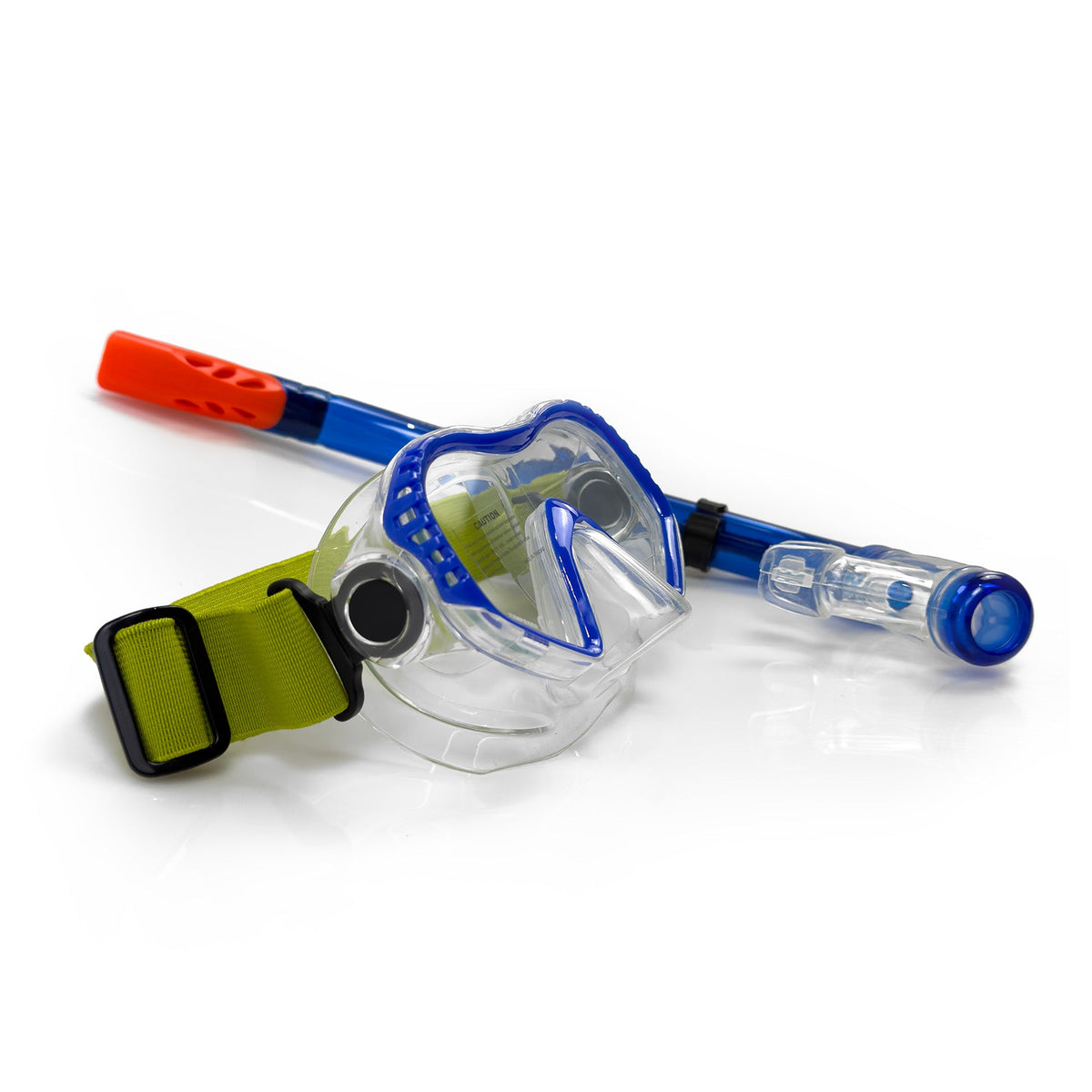
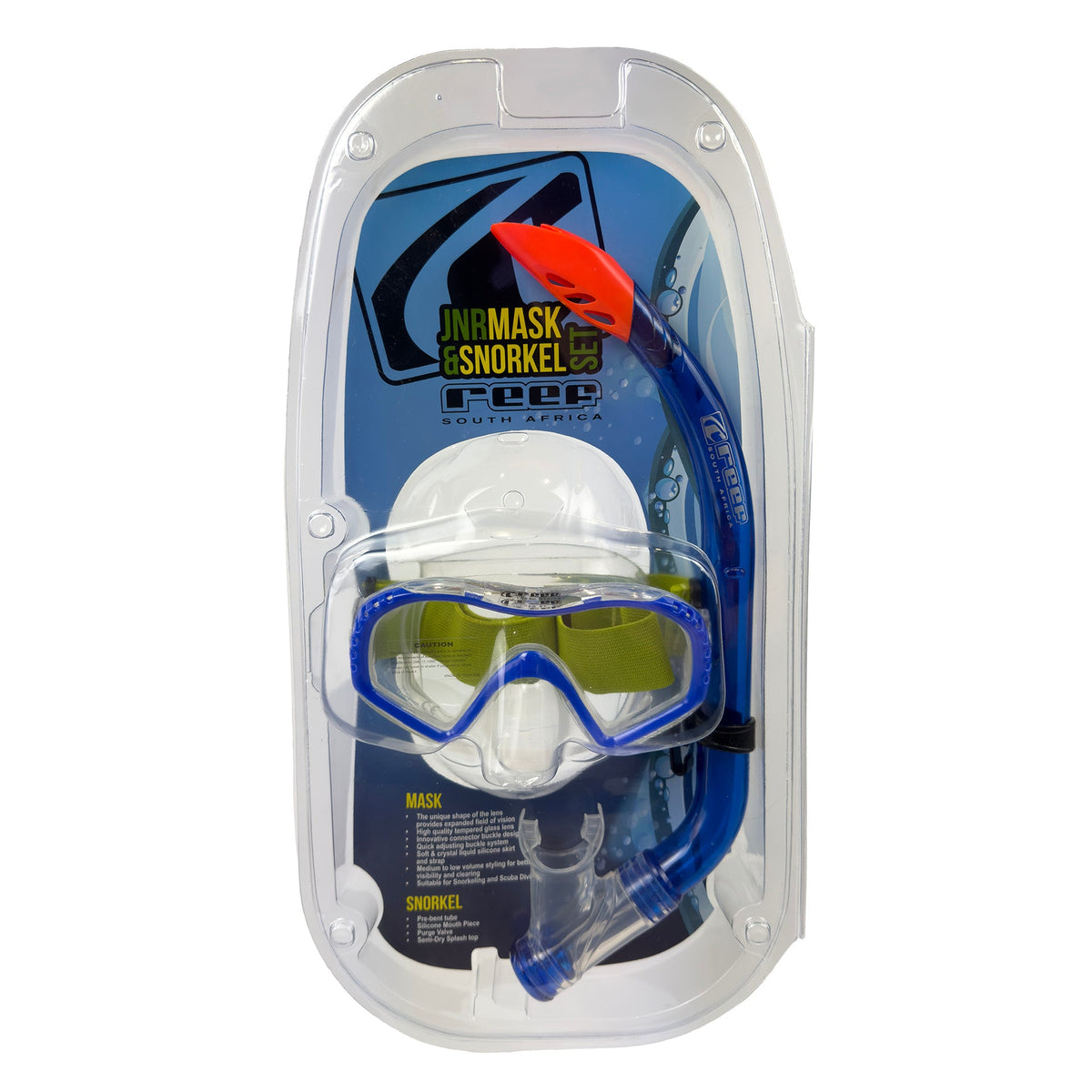
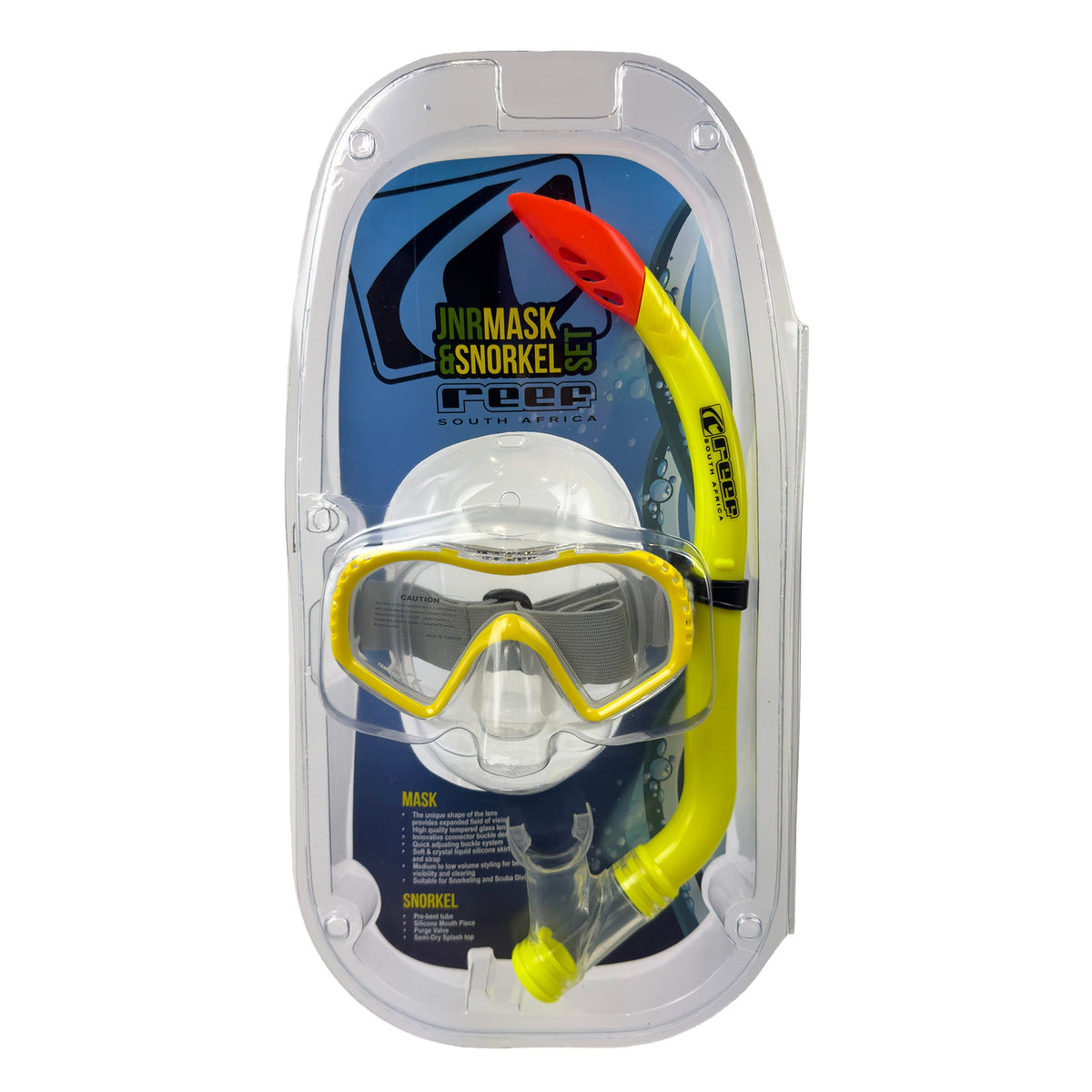
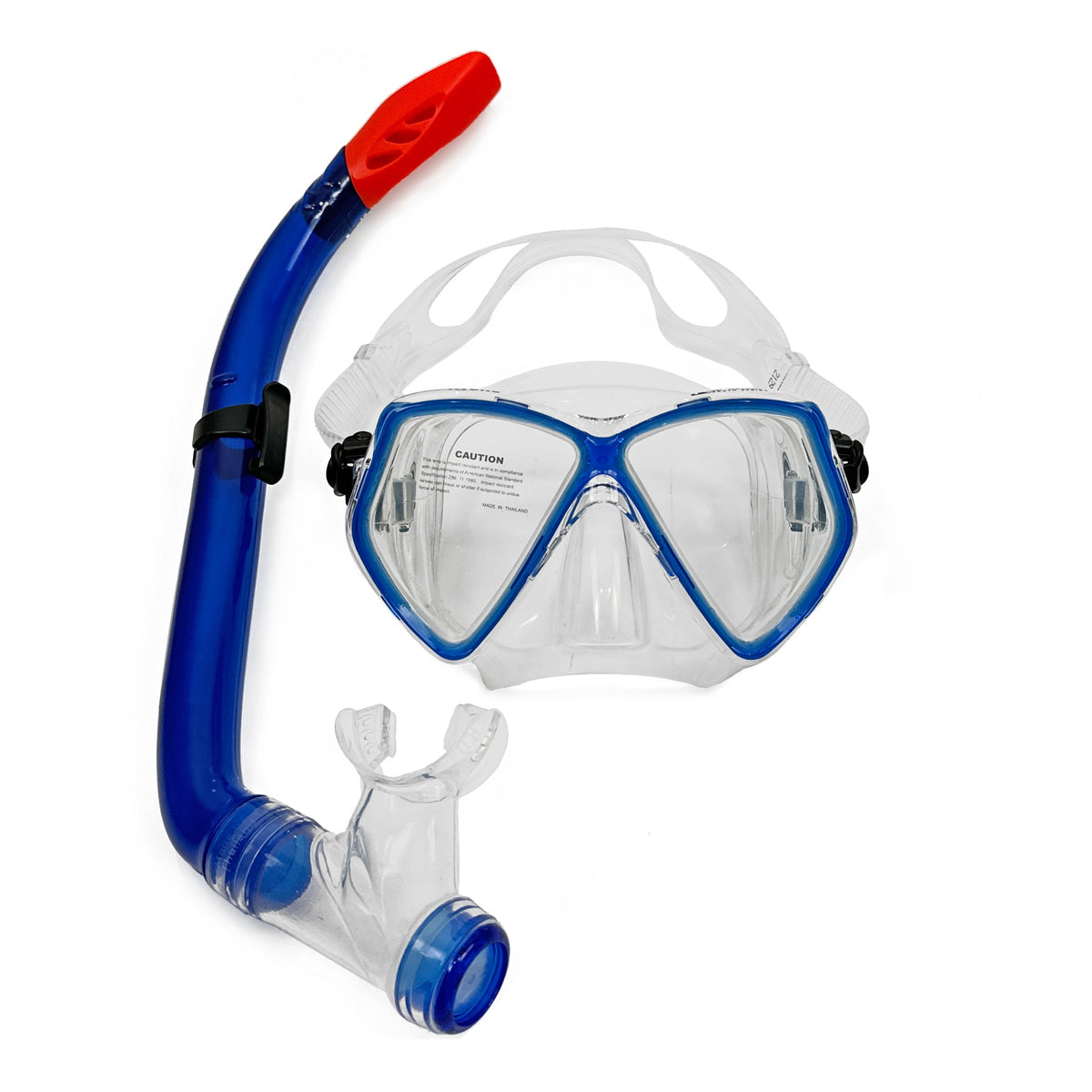
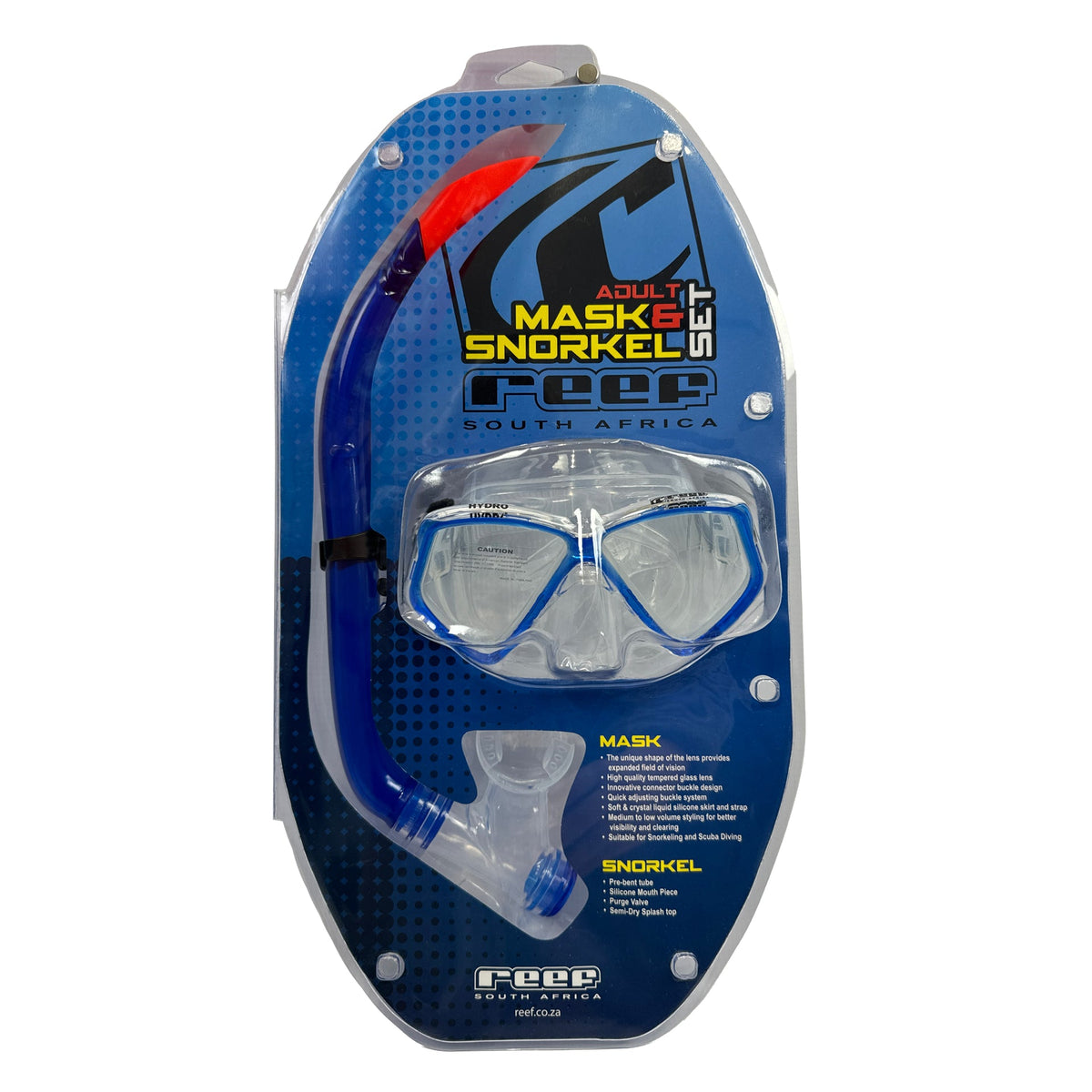
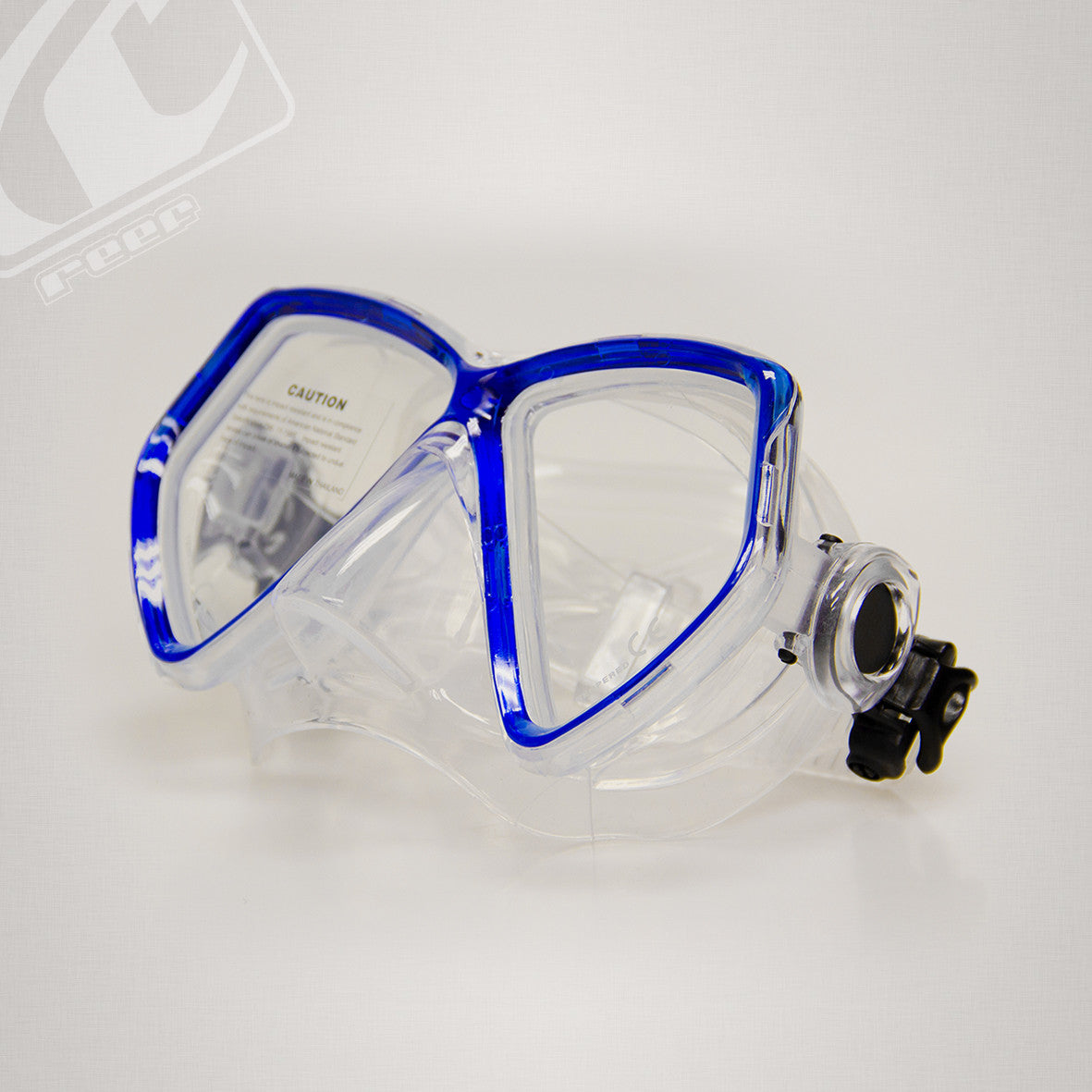
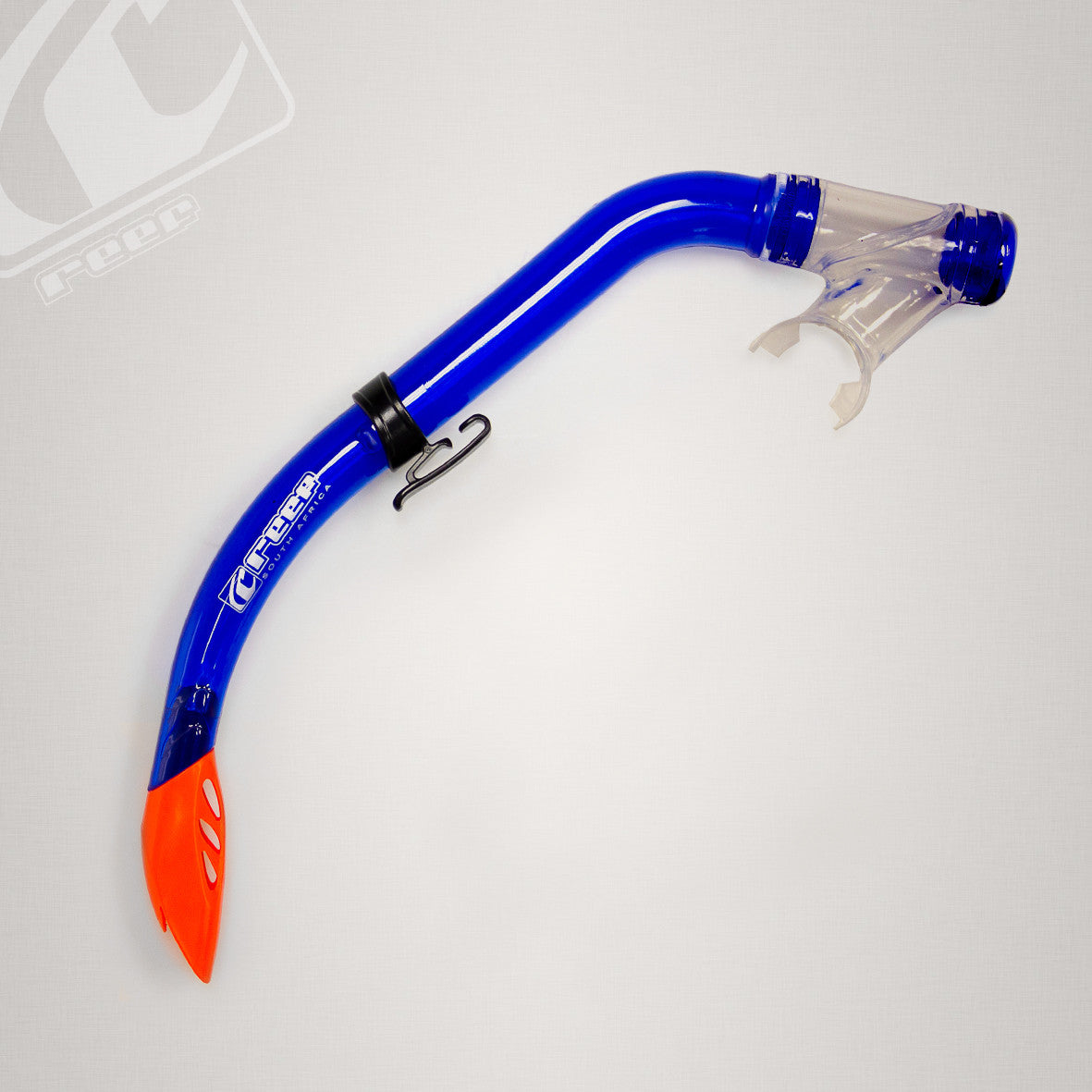
Reef's Deluxe Dive Torch puts out 1000 lumens from a metal body, runs on a rechargeable lithium battery and has high, medium, low and strobe modes. The Basic Dive Torch is an AA-powered LED rated IP68, a sensible back-up for the BCD pocket. Reef lists both as waterproof to 100 m. Find them in torches and dive lights. For snorkellers, the Hydro Adult and Junior mask and snorkel combos pair a tempered glass mask with a pre-bent snorkel that has a semi-dry splash top and purge valve, in mask and snorkel combos.
Caring for neoprene
Neoprene loses its warmth with age, and salt, sun and folding speed that up. Rinse the suit, hood, boots and gloves in fresh water after every dive, inside and out, and dry them in the shade on a broad hanger rather than folded over a rail. Rinse sand out of the zips before it grinds the teeth. Store the suit hanging or loosely rolled, out of direct sun and away from petrol and solvents in the car boot. A small nick grows every time the suit goes on, so repair it early; neoprene cement and repair kits are in maintenance and cleaning.
Masks and snorkels need less attention but still benefit from a fresh water rinse and a dry case. The Inferno snorkel rolls up for a BC pocket, but Reef advises against leaving it rolled for long periods, so straighten it out once you're home. Spare silicone mask straps and snorkel holders fit most masks and snorkels, and they're cheap to keep in the kit bag.
Servicing at the Glenvista shop
Our servicing desk takes in regulators, BCDs, cylinders and dive computers from any brand, and each job goes to the manufacturer's appointed agent. It doesn't take wetsuits, but a new cold-water suit is a good reminder to check the rest of the kit: a regulator that sat through winter still needs its service on time. Bring it in during trading hours with no appointment needed, and see gear servicing for what's included.
Questions we get asked
Where can I buy Reef in South Africa?
Scuba Evolution stocks Reef wetsuits, hoods, boots, gloves, masks, snorkels, fins and dive bags online and at Shop U44, Glenvista Shopping Centre, Johannesburg. Delivery is fast and tracked anywhere in South Africa, next business day in Gauteng.
Is Reef a South African brand?
Yes. Reef is run by the Stringer family from Cape Town, who took the business over in 1987, and it has been making wetsuits and accessories for over fifty years.
What thickness Reef wetsuit do I need?
It depends on where you dive. A 2mm to 3mm suit tends to cover warm water such as Sodwana, 5mm suits the Eastern Cape, the Garden Route and winter dives inland, and the 6.5mm Fahrenheit or a 7mm Farmer John with the hooded jacket suits Cape Town's colder Atlantic water. Add a hood, boots and gloves as the water cools.
How do I choose my Reef wetsuit size?
Start with Reef's size chart, which is followed on each product page, then try the suit on. Adult suits include in-between fits such as MS, MT and ML, and juniors and kids have their own sizing. A good fit is close all over, with no loose neoprene at the armpits or knees and free movement overhead. The Glenvista shop has suits to try.
Does Reef make freediving and crayfish gear?
Yes, in part. The Mirror Free Dive Mask is ultra-low volume, and Reef describes its long-blade H2O Freediving Fins as suited to spearfishing and freediving. The Crayfish Bag and the 2mm Leather Palm Gloves are made for crayfish diving.
Can I wear a Reef vest under my wetsuit?
Yes. The 3.5mm Dive Vest with Hood is made to be worn under a wetsuit, and the hood is 5mm with a 3mm face piece. The fleece-lined Fire Skin tops also work as a thermal layer under a suit.