
Shop by Category

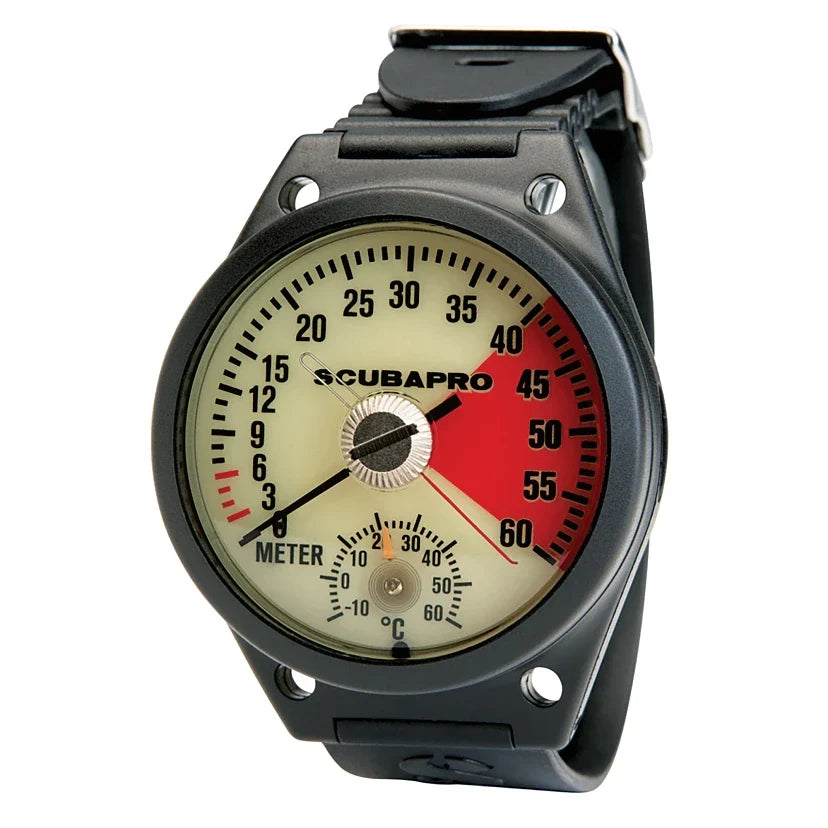
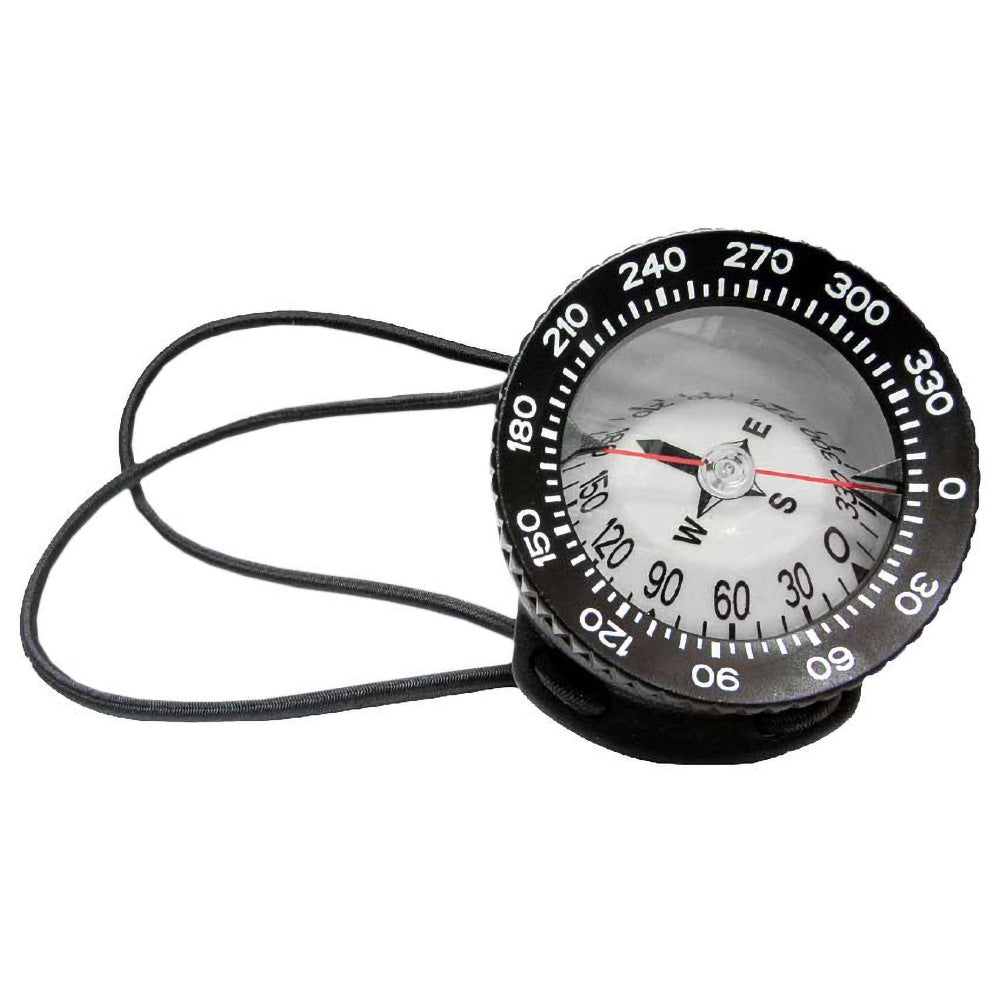


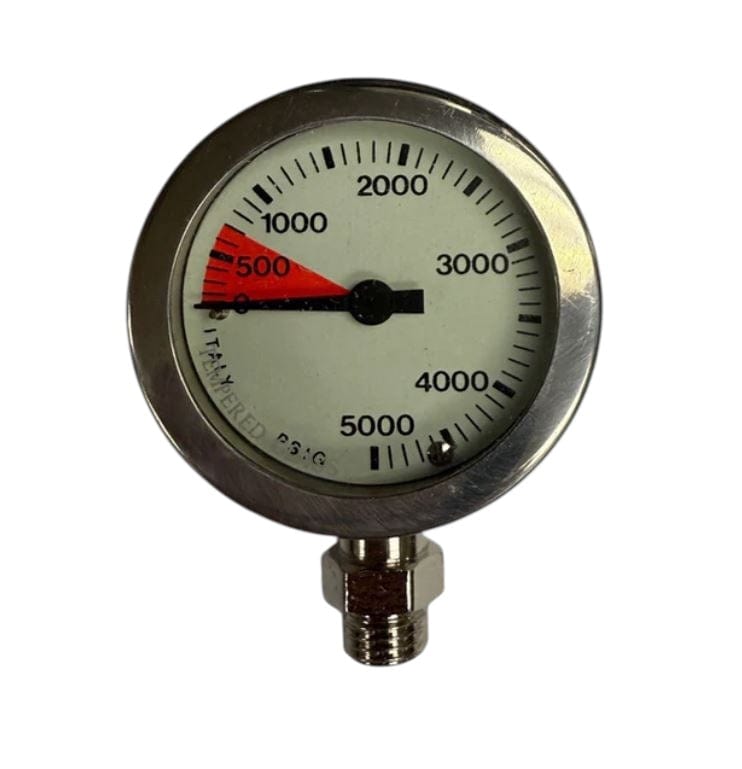
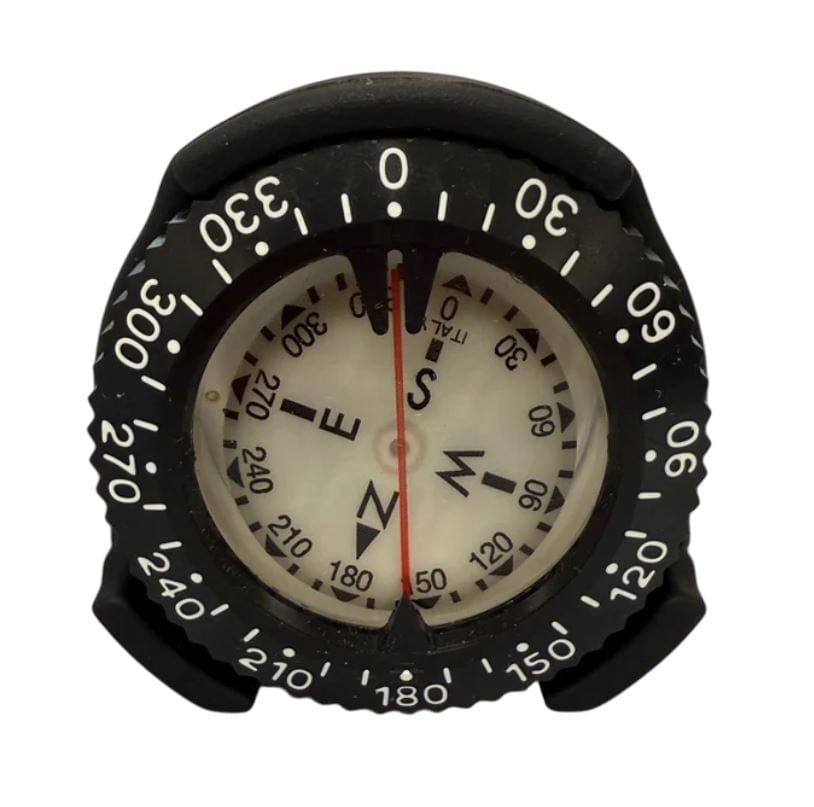
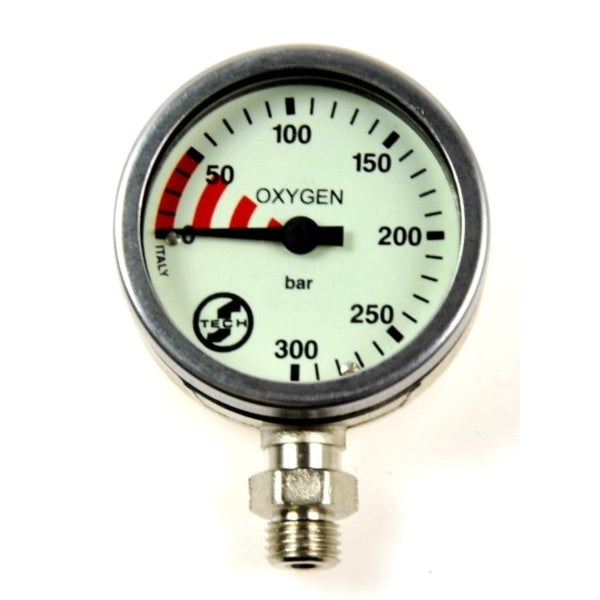






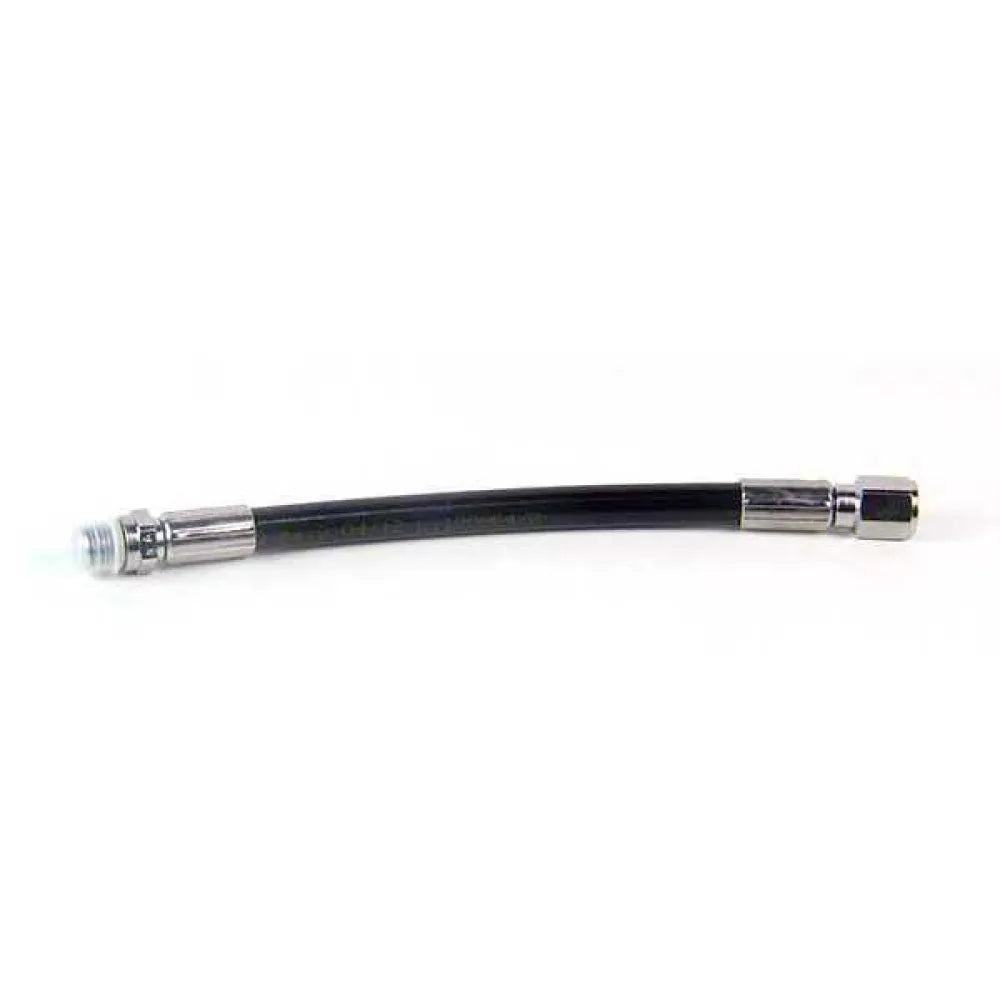

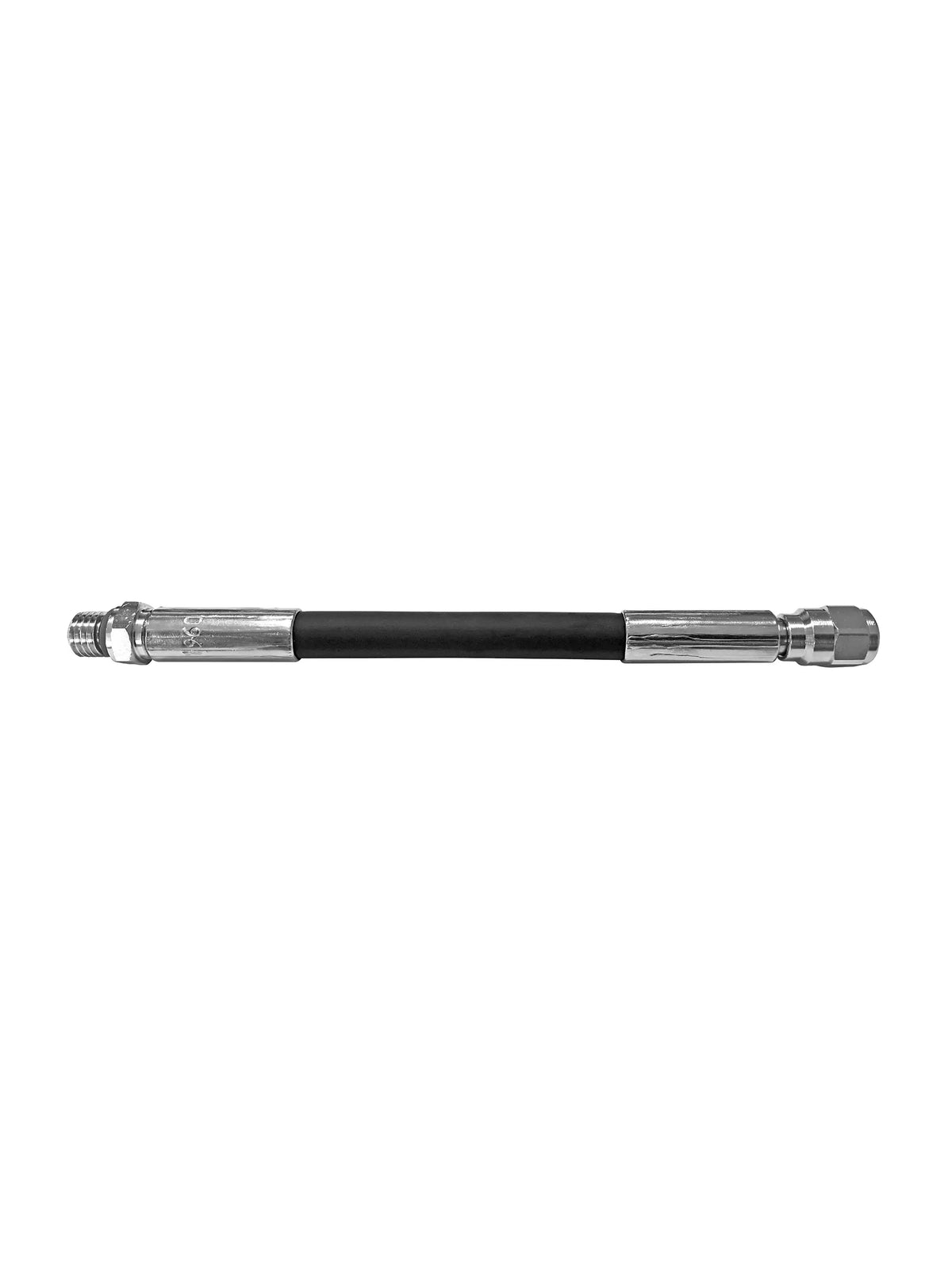


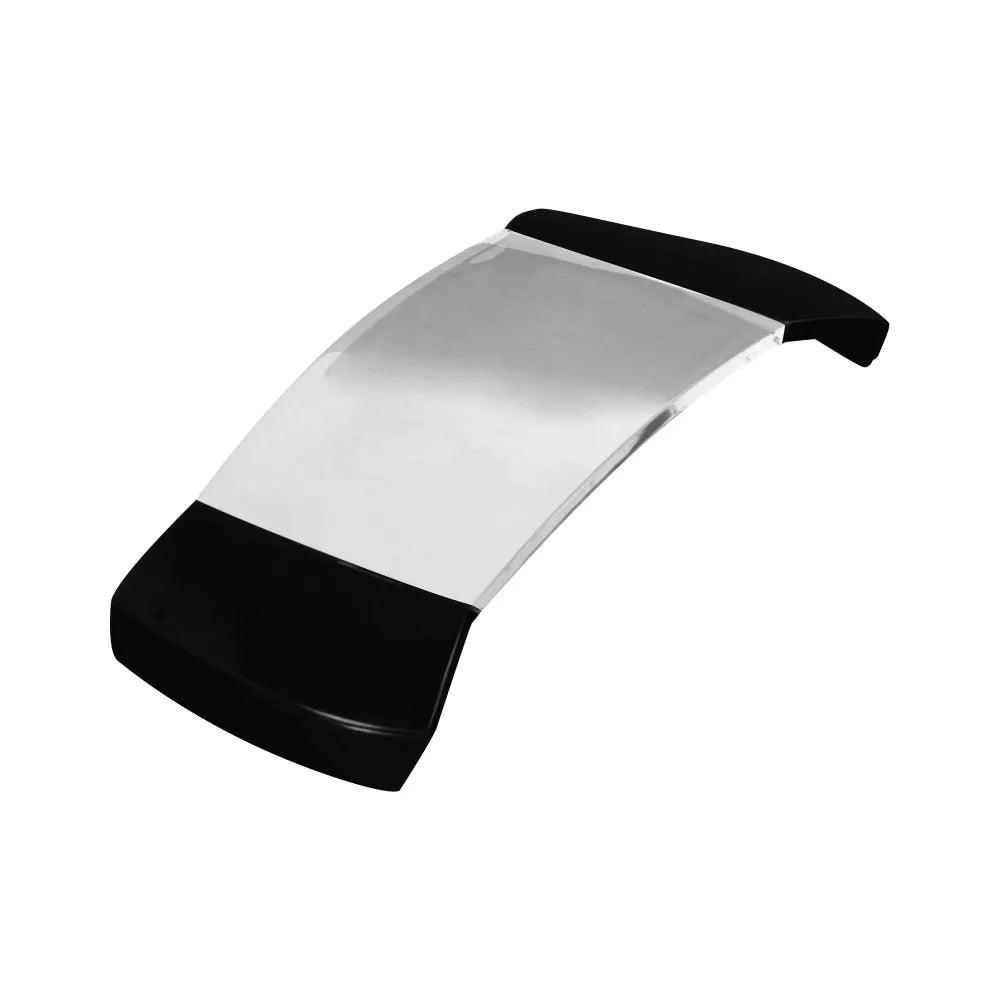
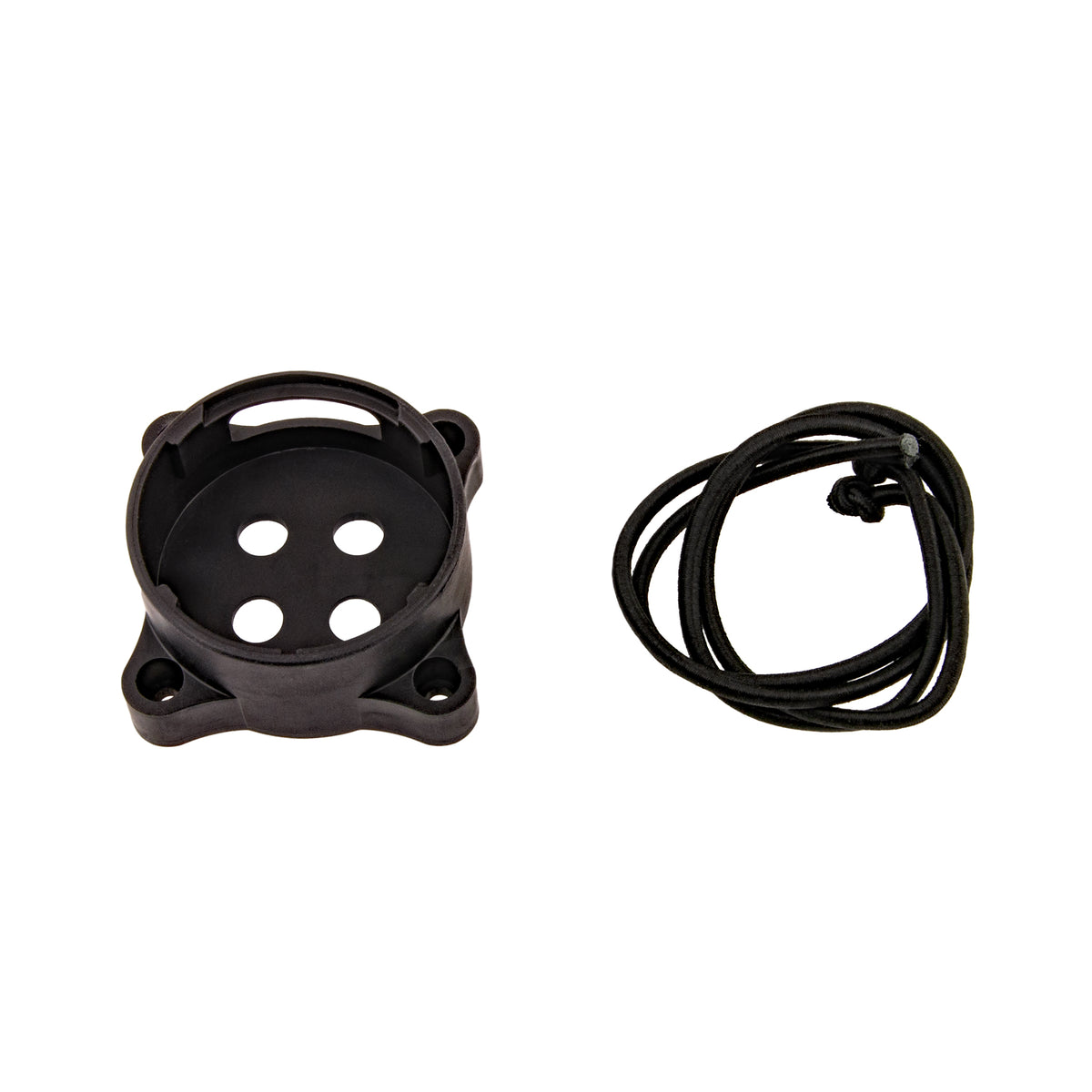
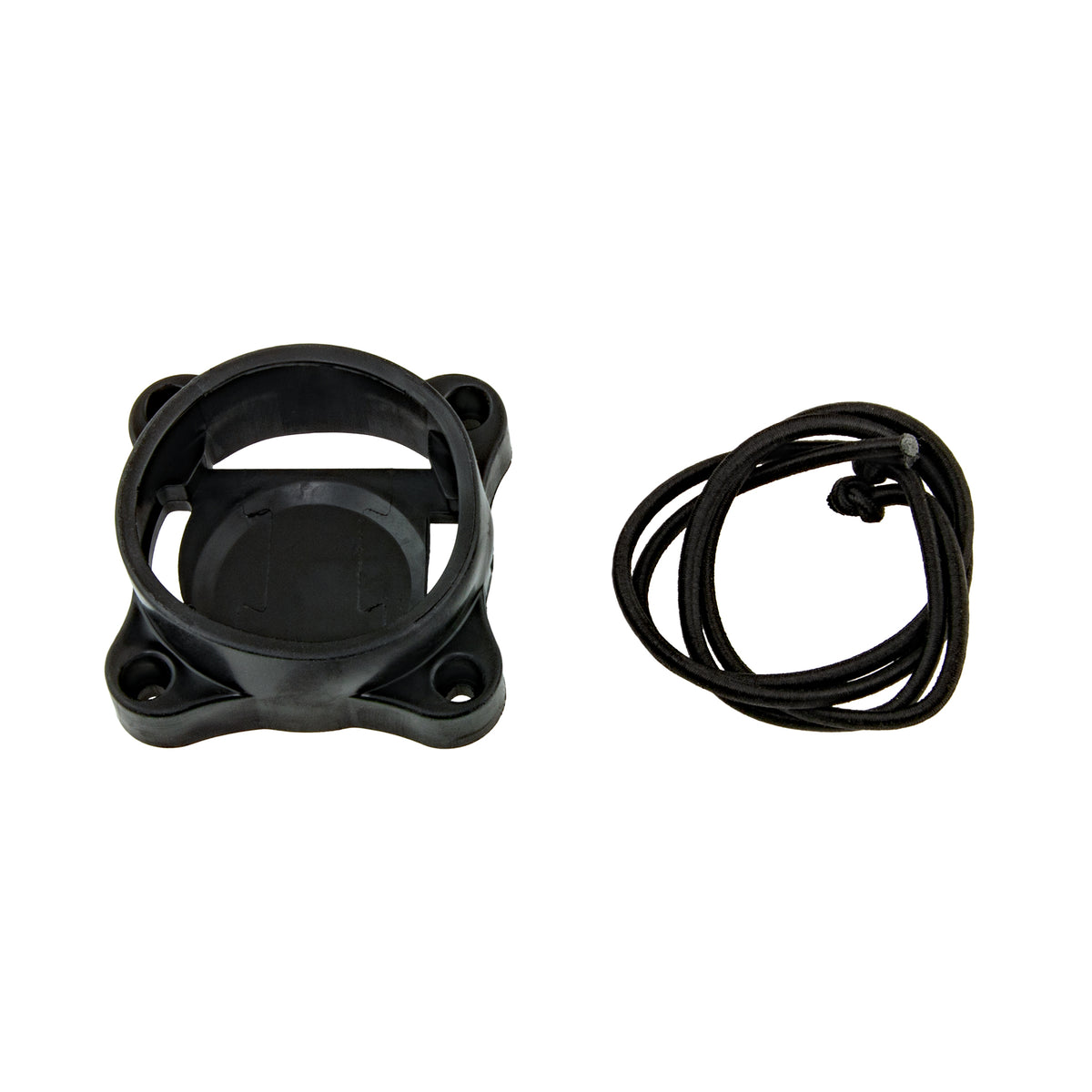
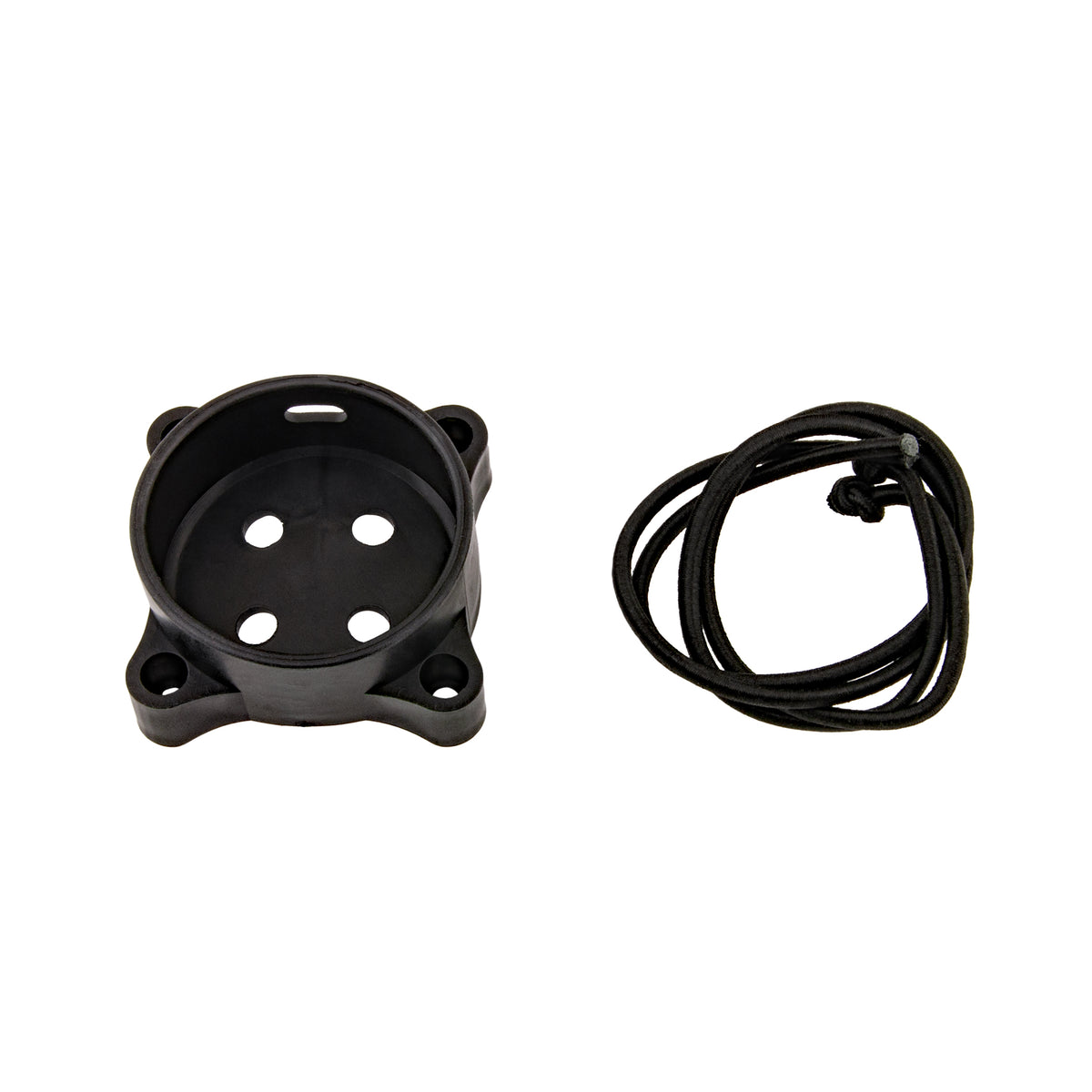
Bungee Mount for Computer and Compass


How to choose a dive computer
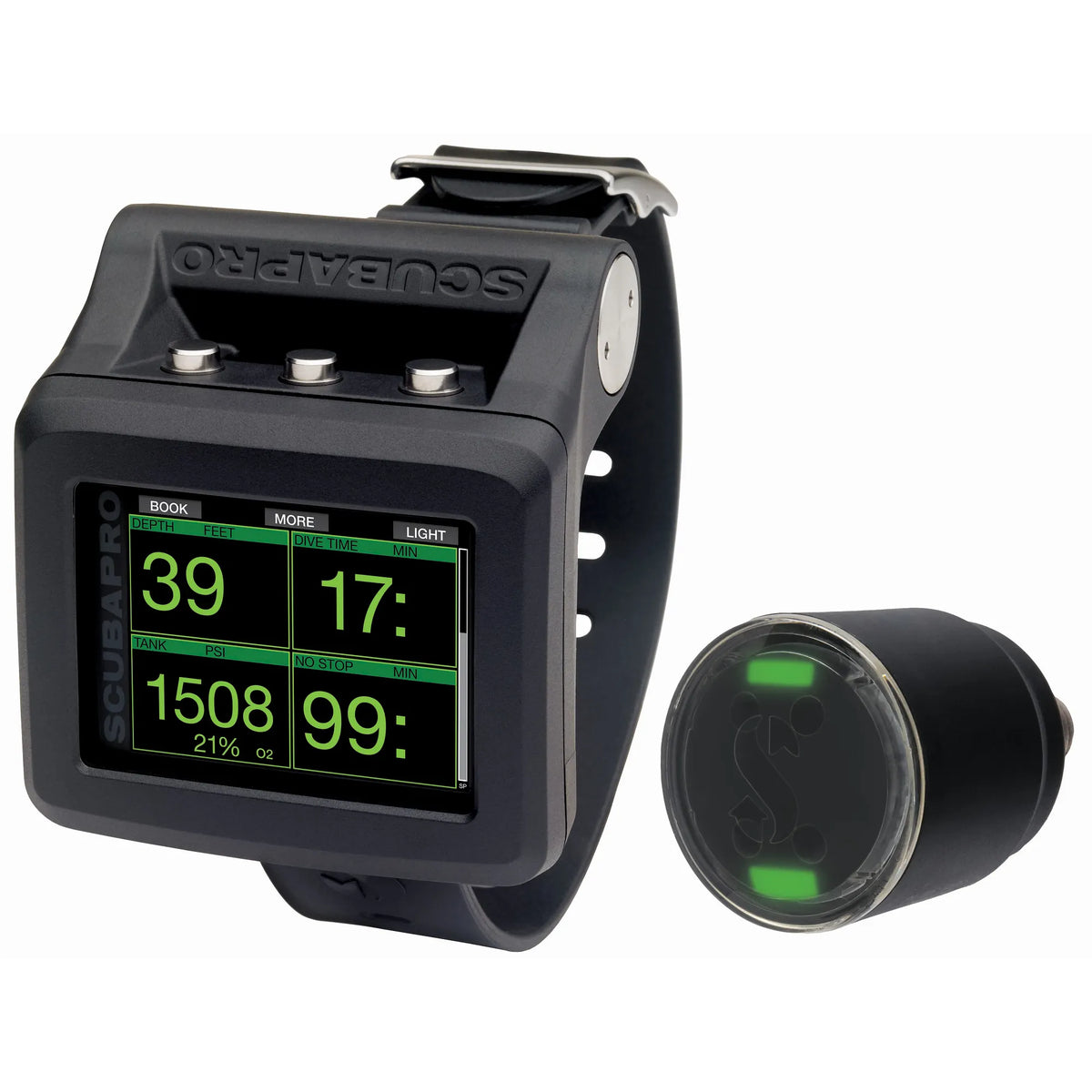
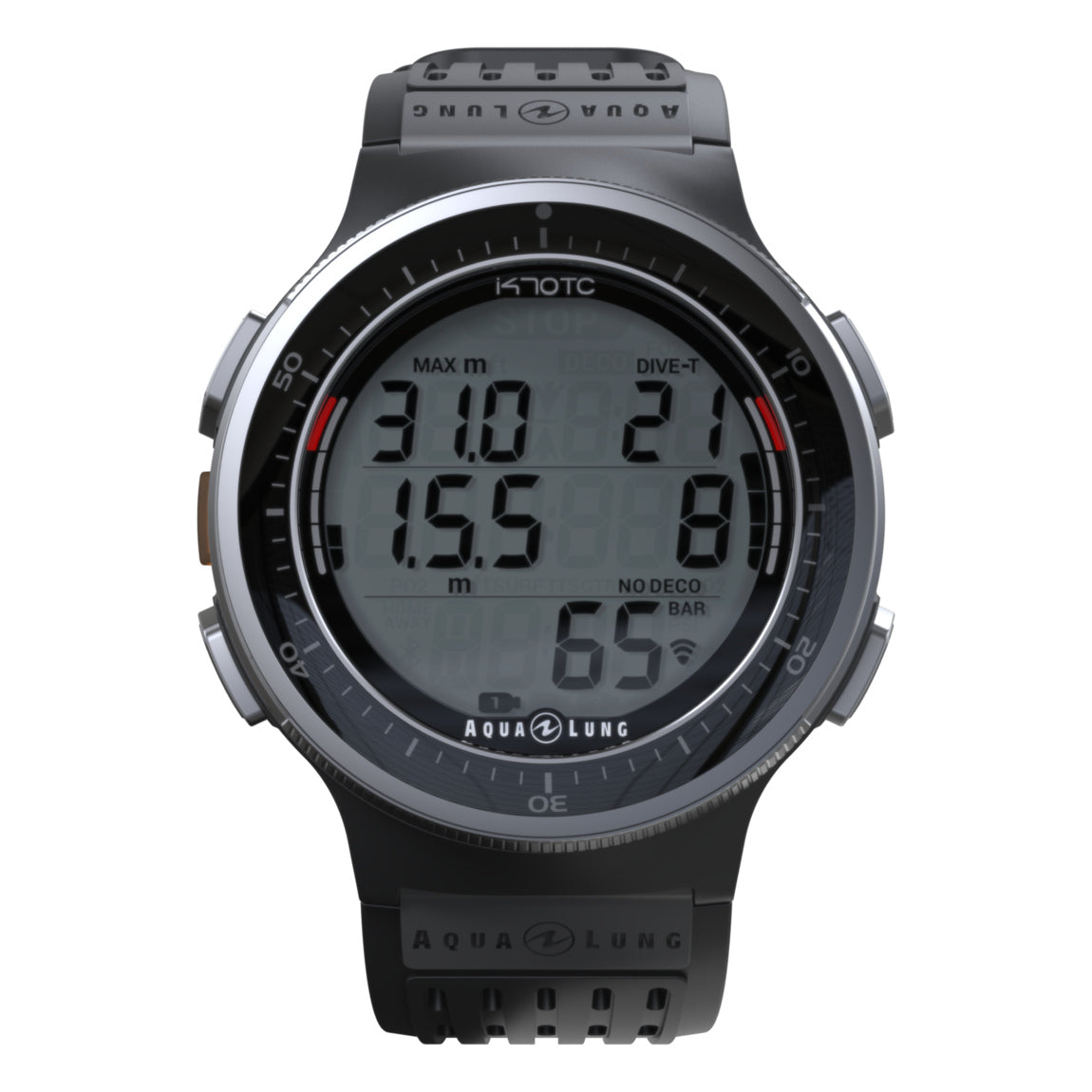
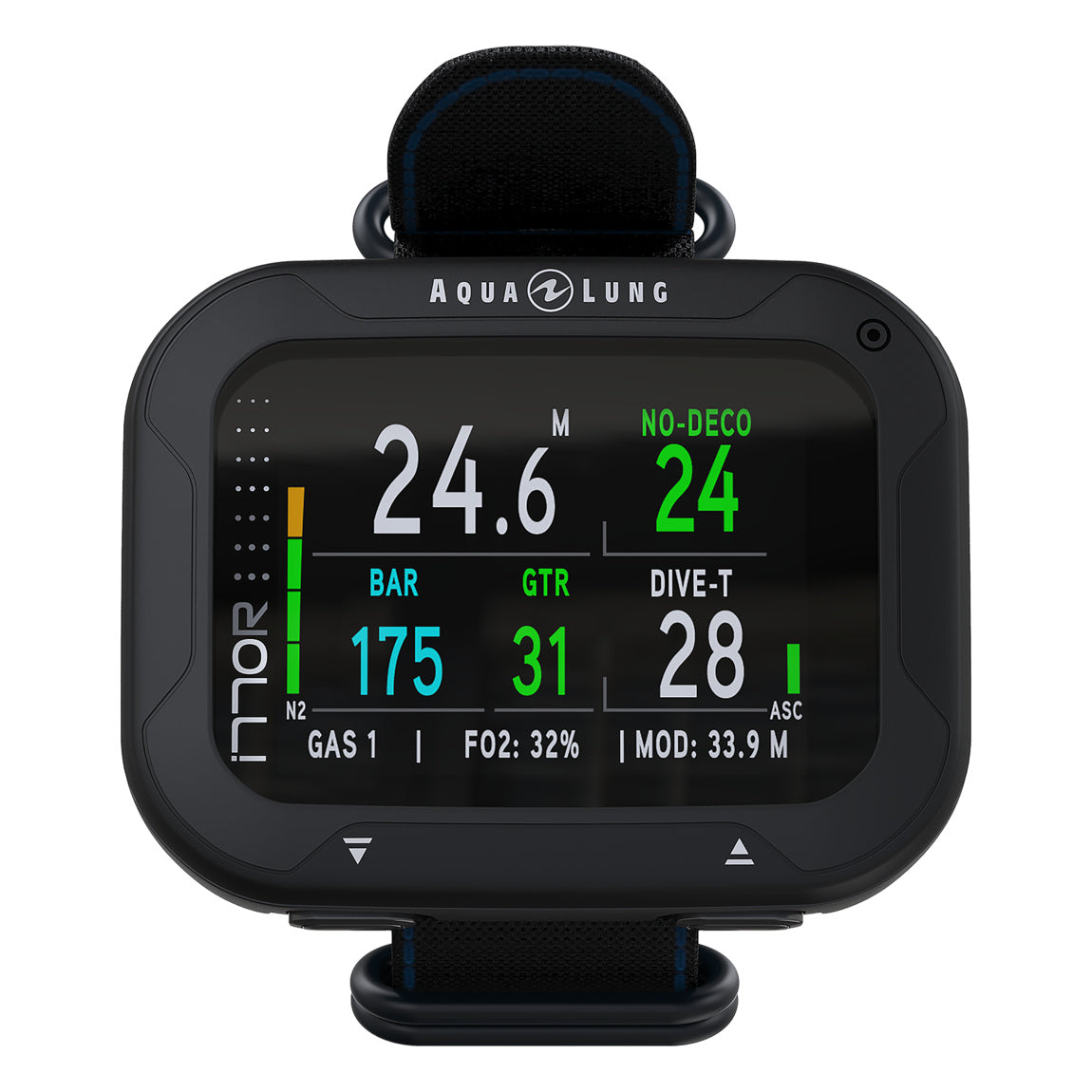
For a first dive computer, buy a wrist unit with a screen you can read at a glance, controls you can work in gloves and a nitrox setting. Those start from about R4,600. Spending more gets you a larger colour screen, a rechargeable battery, air integration or technical gas support. It doesn't get you safer maths, because budget and premium computers largely run the same families of decompression algorithm.
What to check for South African diving
- Altitude. Miracle Waters and Bass Lake sit at roughly 1,100 to 1,500 m, and altitude procedures start at 300 m. Some computers read surface pressure for themselves; others need a manual setting that has to go back to sea level before a coast trip.
- Fresh water. Quarry dives are in fresh water, so check the salinity setting on any computer that has one.
- Nitrox. Most computers here take enriched air, and the Nitrox Course covers setting one for the blend in your cylinder.
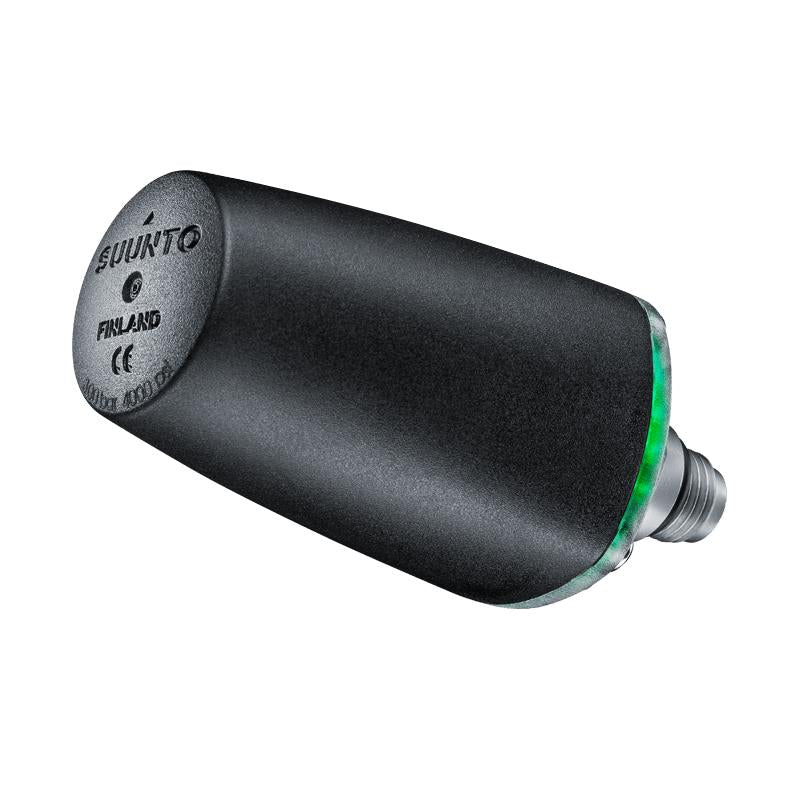
- Air integration. Air-integrated computers read cylinder pressure from a transmitter on the first stage. Useful, not essential, and some models can't take one at all, so decide before you buy.
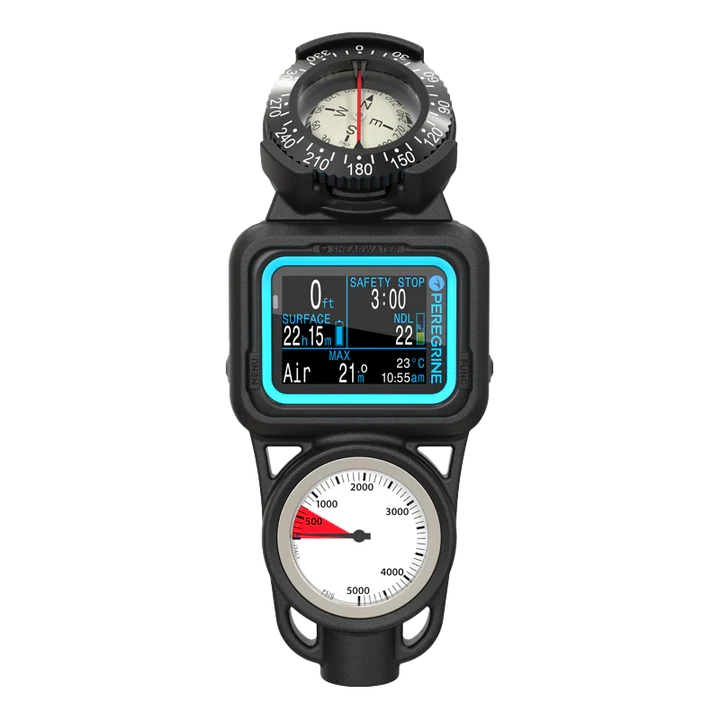
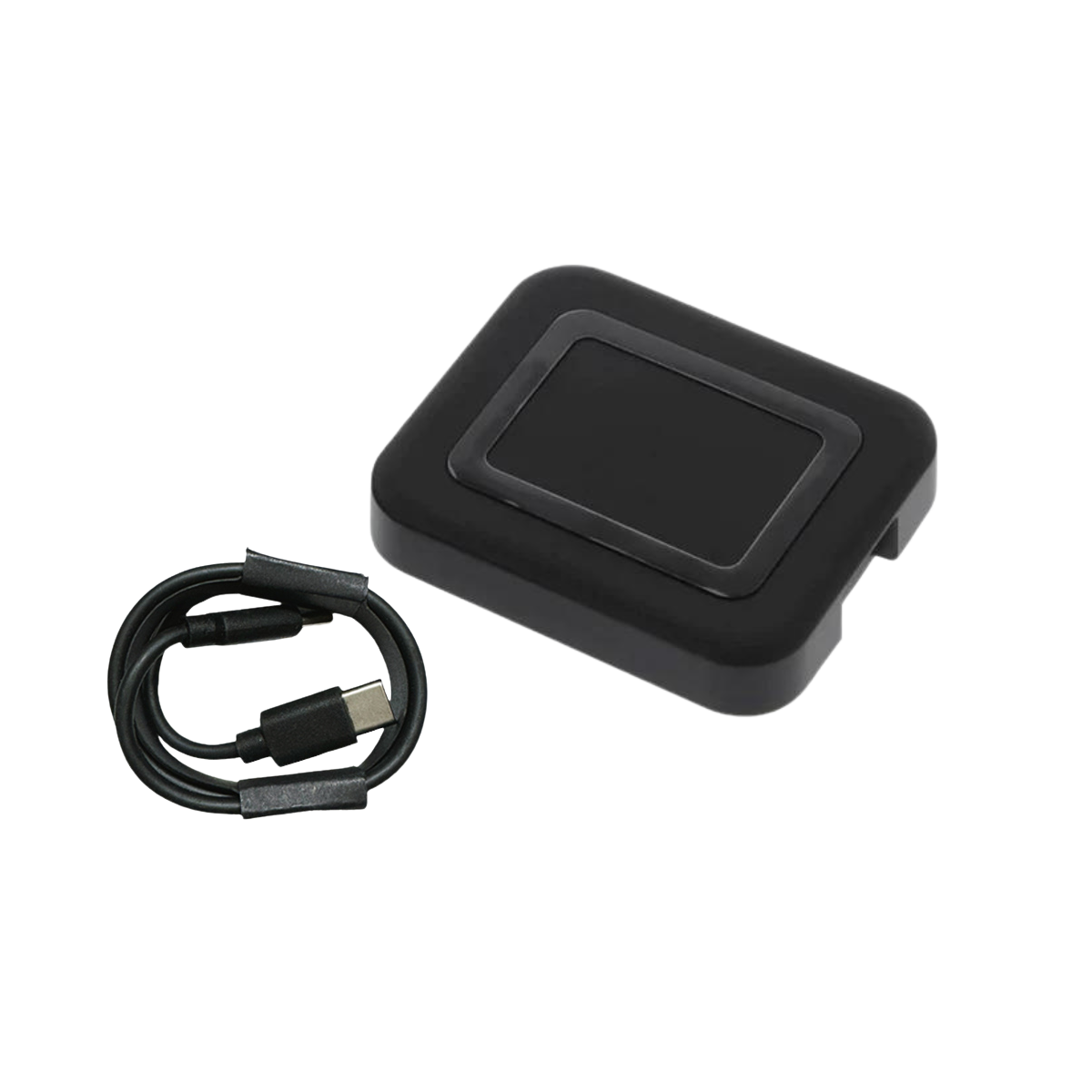
- Battery. The Mares Puck 4, Suunto Zoop Novo and Aqualung i300C run on a coin cell that swaps in minutes. The Shearwater Peregrine and the Garmin Descent range recharge, so the charger travels too.
Wrist, watch or technical
Puck-style wrist computers from Cressi, Mares, Suunto, Aqualung and Scubapro suit most recreational divers. Watch-sized models such as the Garmin Descent G1 and Suunto Ocean double as everyday watches, from about R11,500. Decompression and trimix diving need several gases and adjustable gradient factors, and our technical computers, such as the Shearwater Perdix 3 and Petrel 3, cover both. Battery changes are booked through the shop in Glenvista.
Questions we get asked
Which dive computer is best for a beginner?
One with a clear screen, simple buttons and a nitrox mode, such as the Mares Puck 4, Suunto Zoop Novo or Cressi Leonardo 2.0, from about R4,600. A dearer computer adds screen, battery and connectivity features rather than a safer algorithm.
Do I need an air-integrated dive computer?
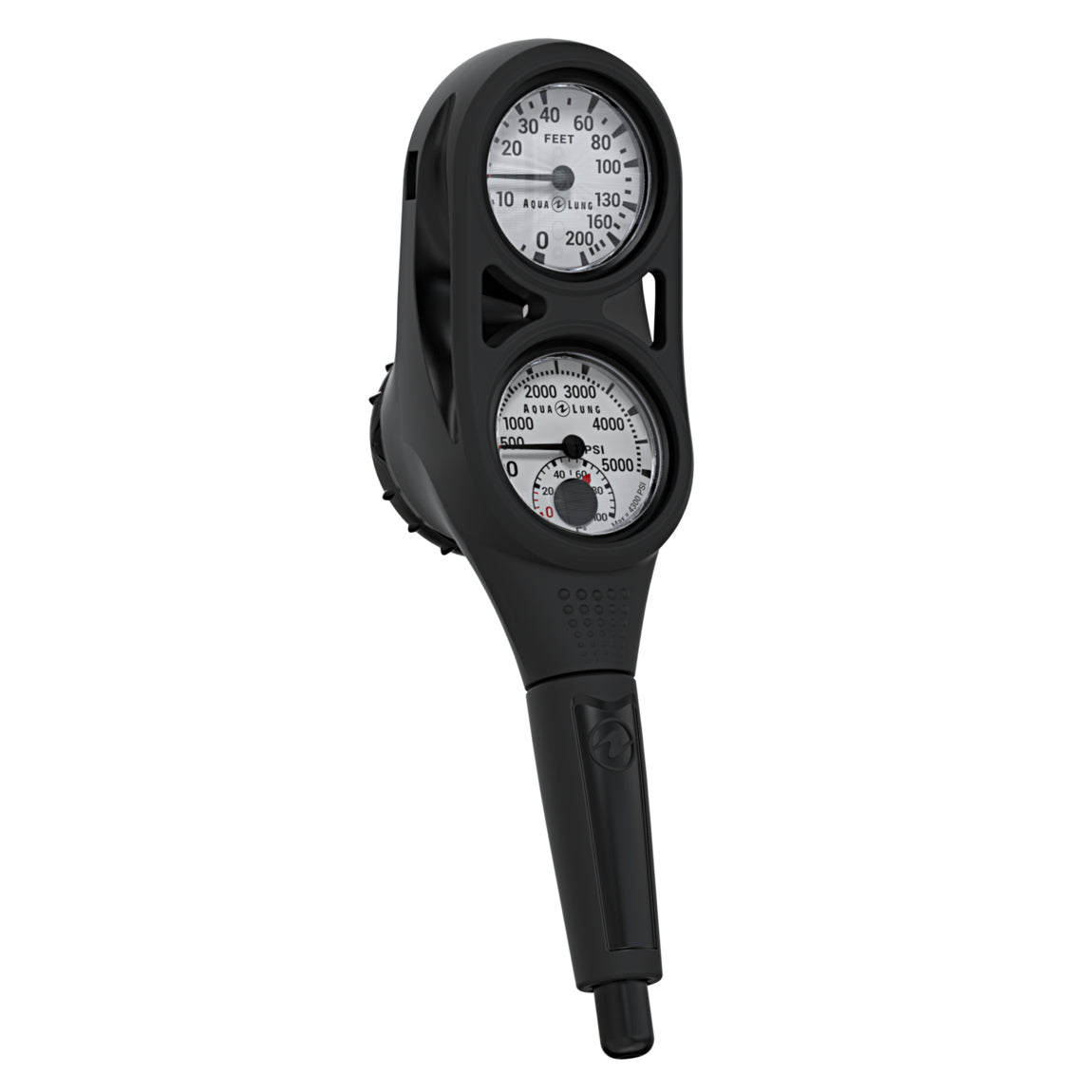
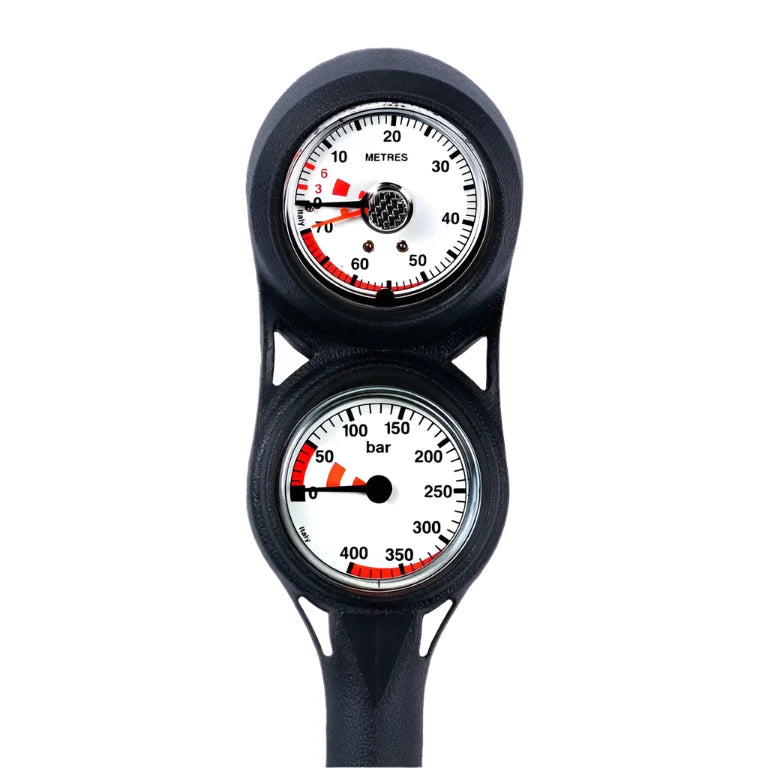
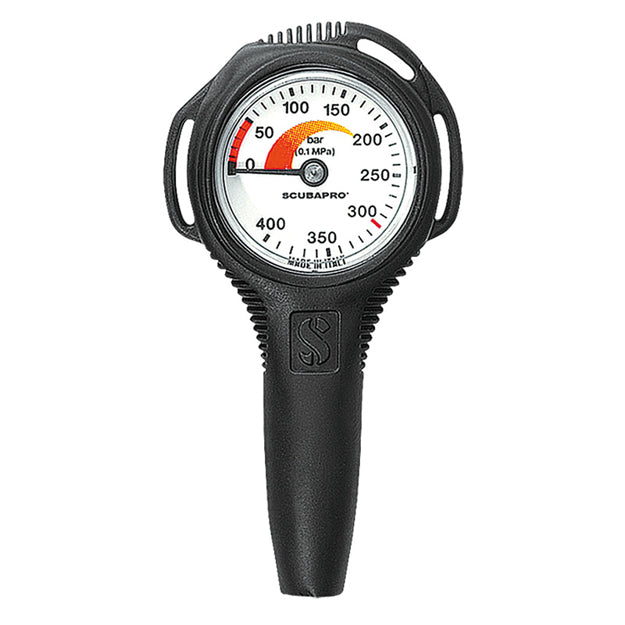
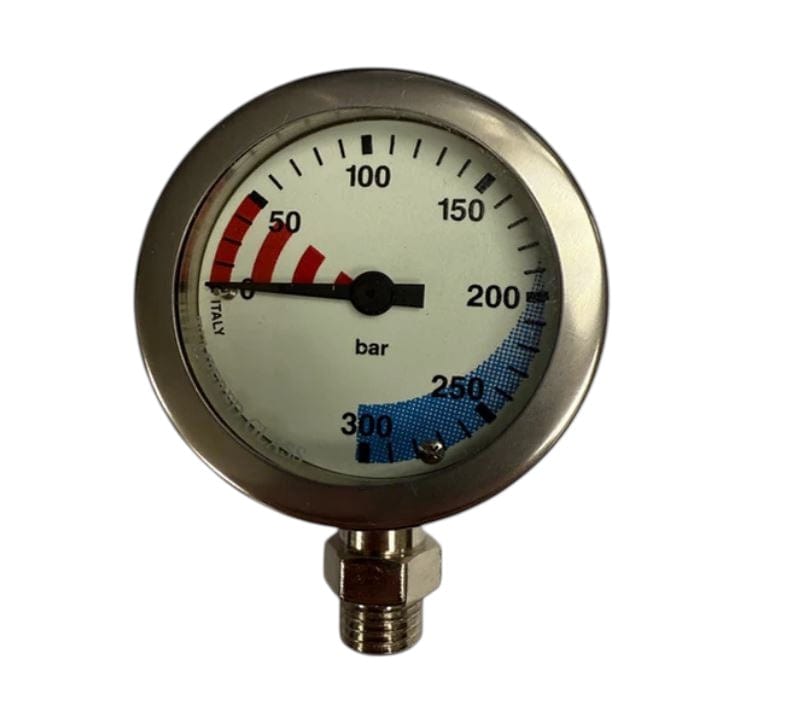
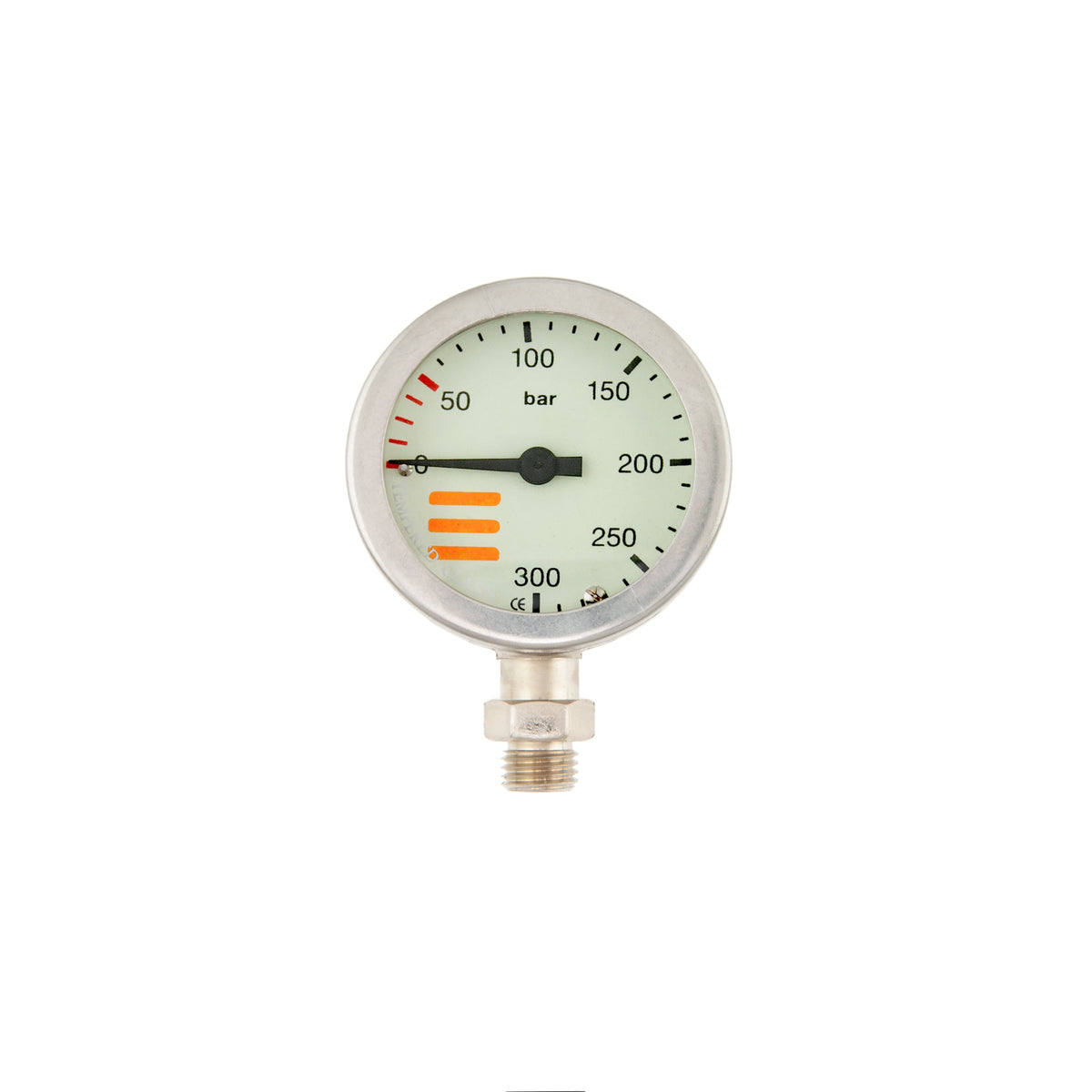
No. Air integration shows cylinder pressure on your wrist through a transmitter on the regulator's first stage, which is handy but not required. A standard pressure gauge does the same job, and many divers keep one as a backup even with a transmitter.
Does a dive computer work at altitude near Johannesburg?
Yes, once it's set up for it. Inland sites such as Miracle Waters and Bass Lake sit roughly 1,100 to 1,500 m above sea level, where no-stop times are shorter than at the coast. Some computers adjust for altitude automatically and others need a manual setting, so check the manual before the first quarry dive.
What is the difference between a dive watch and a dive computer?
A dive watch tells the time and tracks elapsed time with its bezel. A dive computer reads depth and time to work out your no-stop limit and ascent rate. Watch-style computers such as the Garmin Descent range do both.
Should a dive computer be my first gear purchase?
Usually second. Buy a mask, snorkel, fins and boots first, because fit is personal, then a dive computer so every logged dive is on a screen you already know.