


















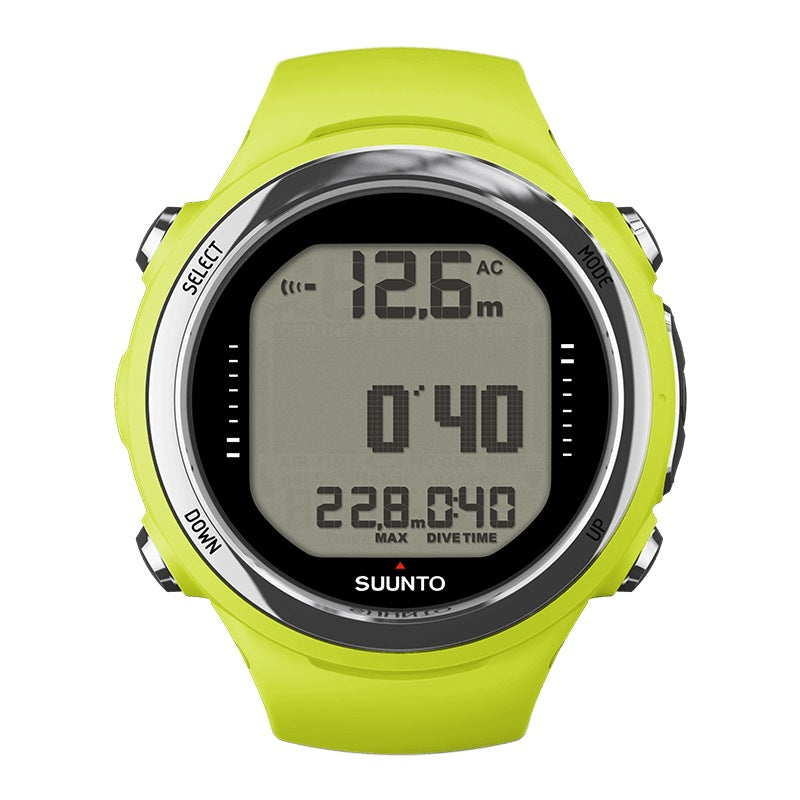
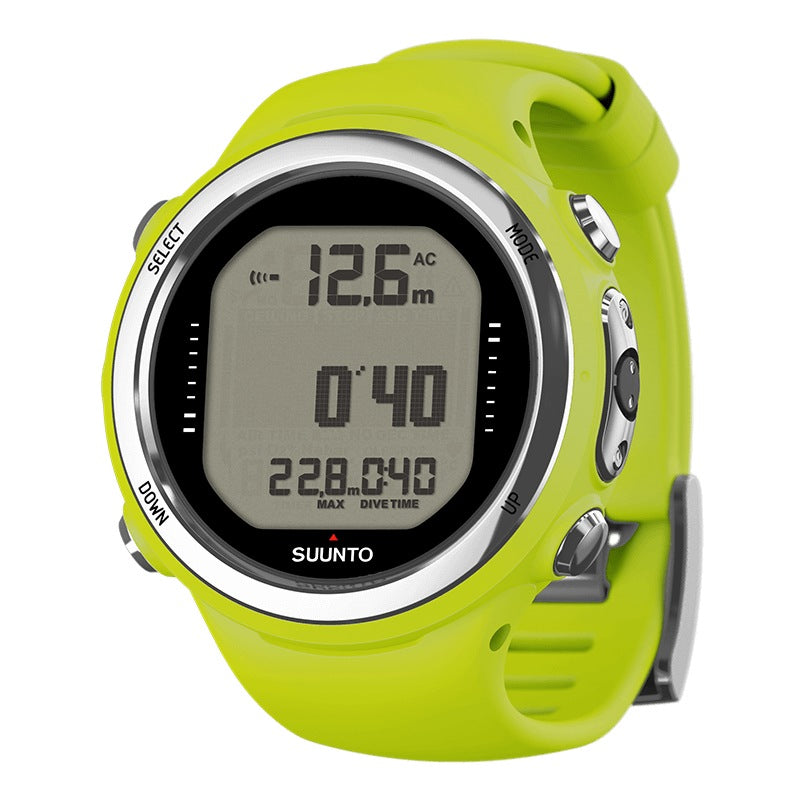
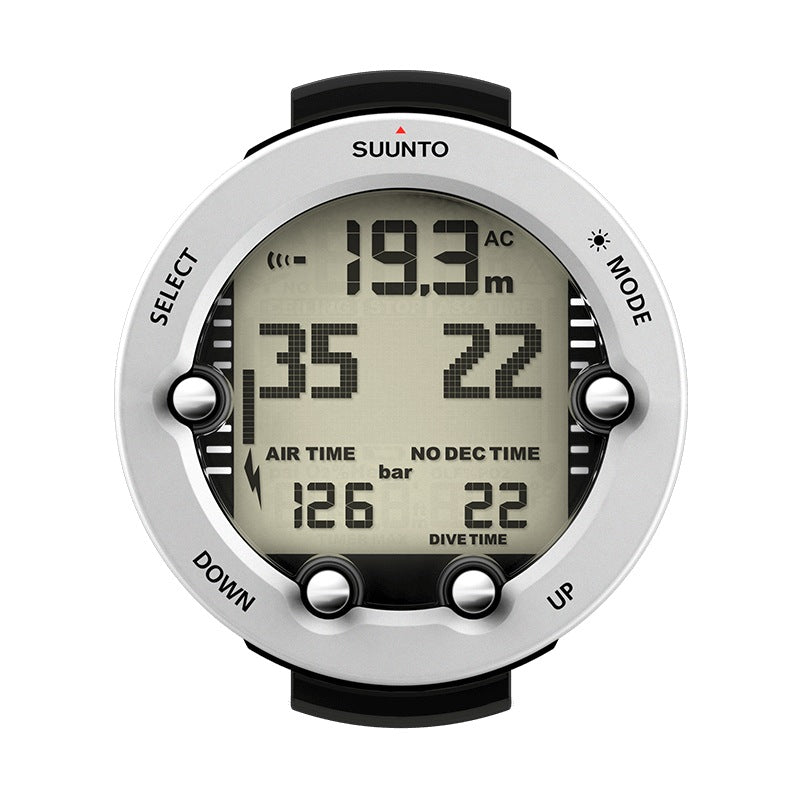
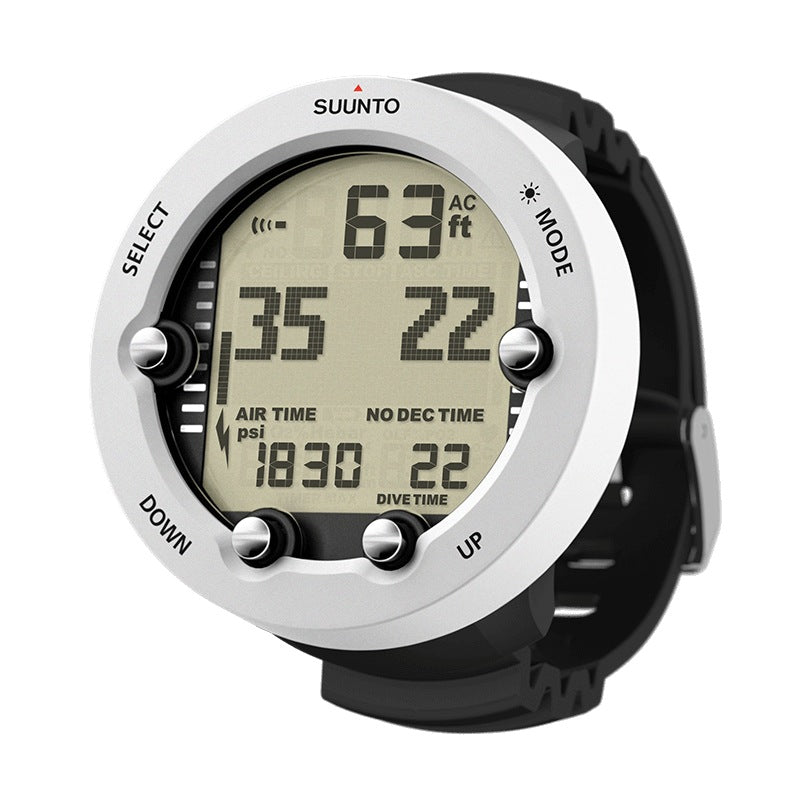
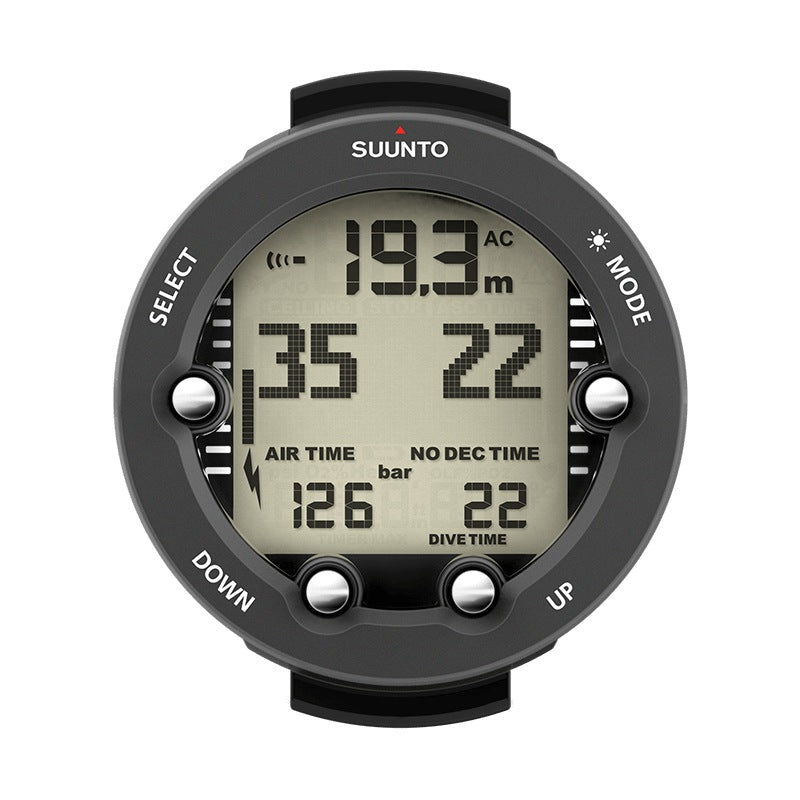
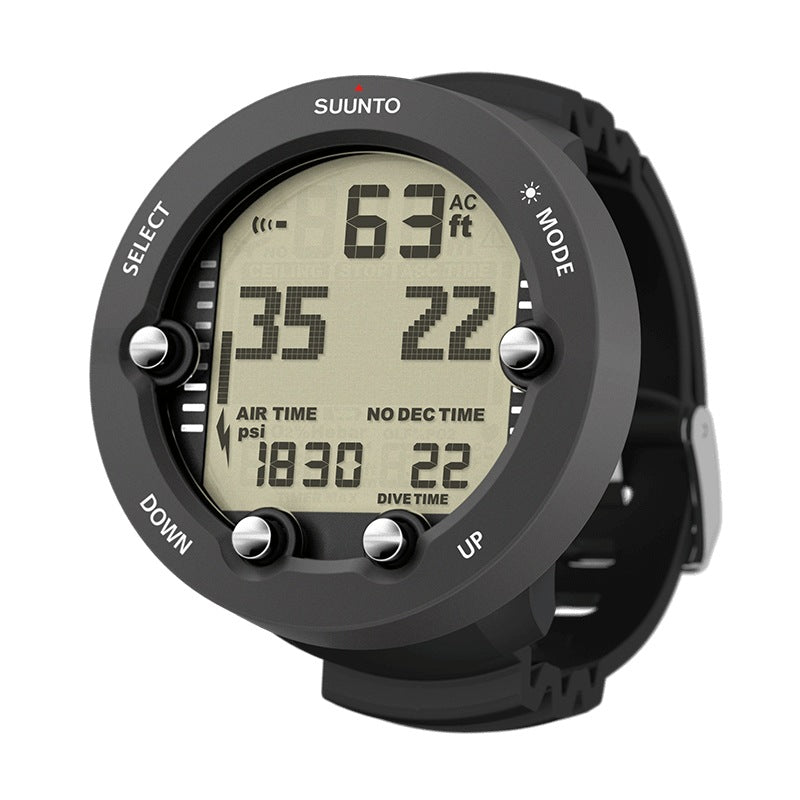


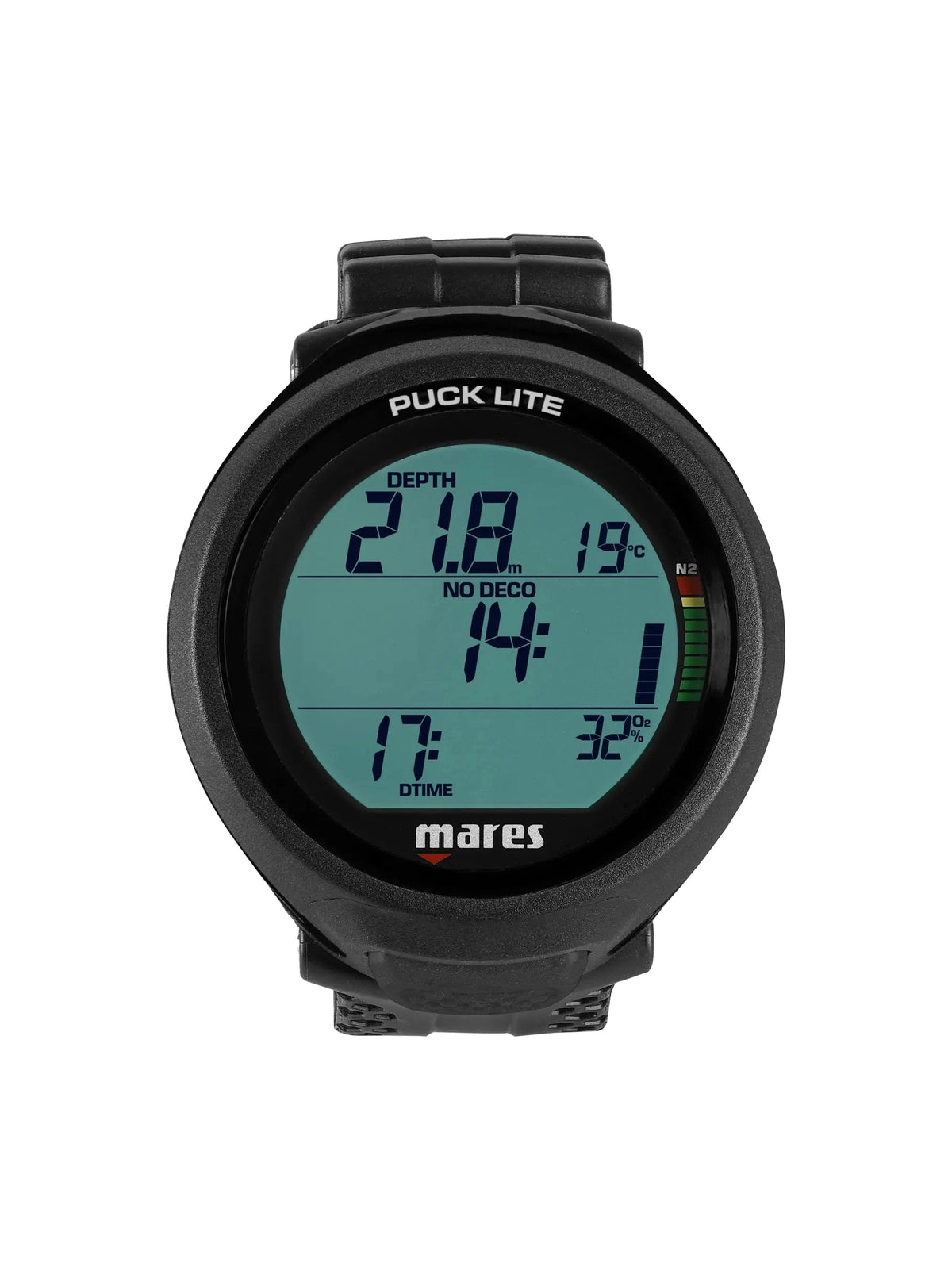
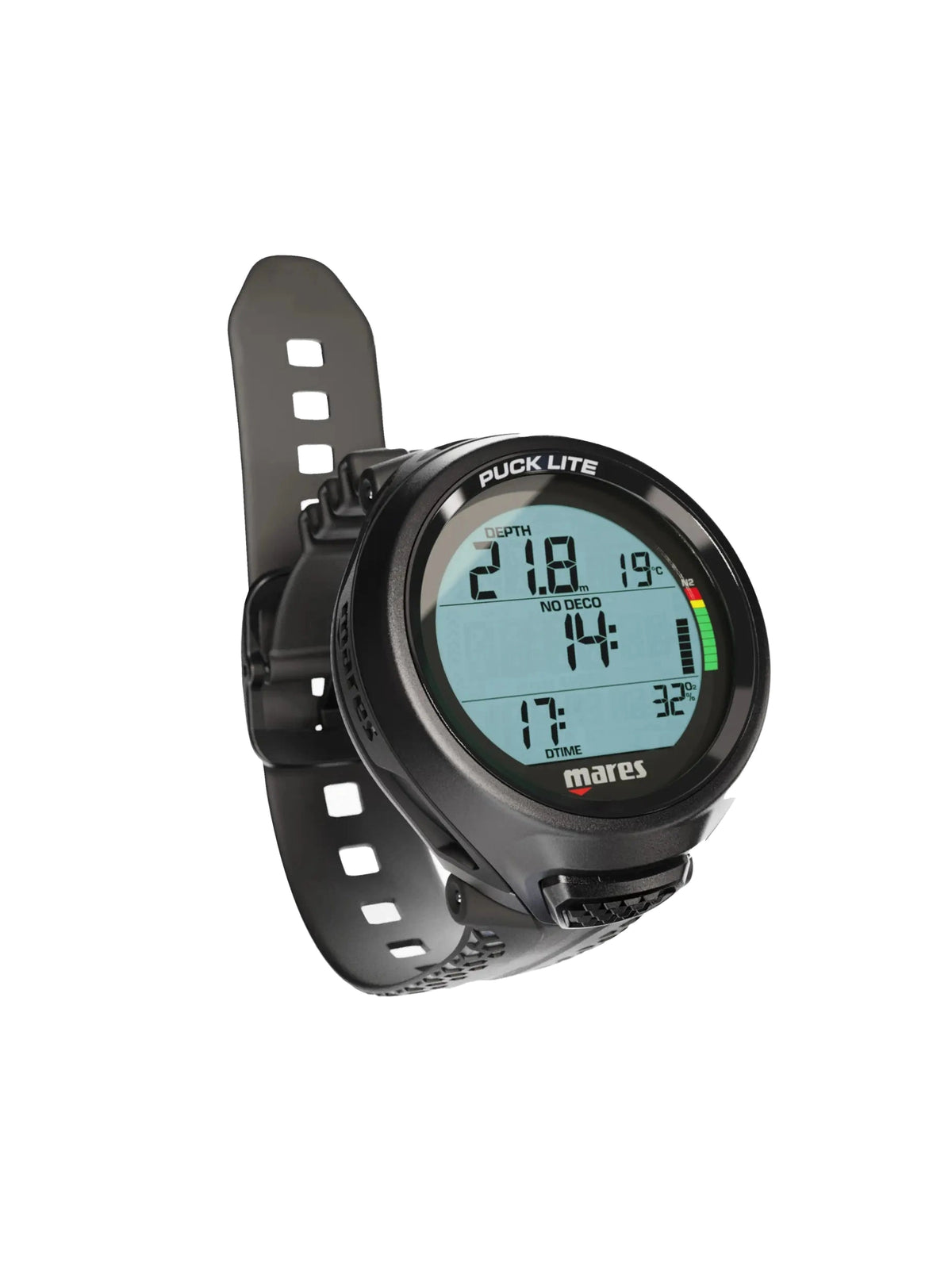
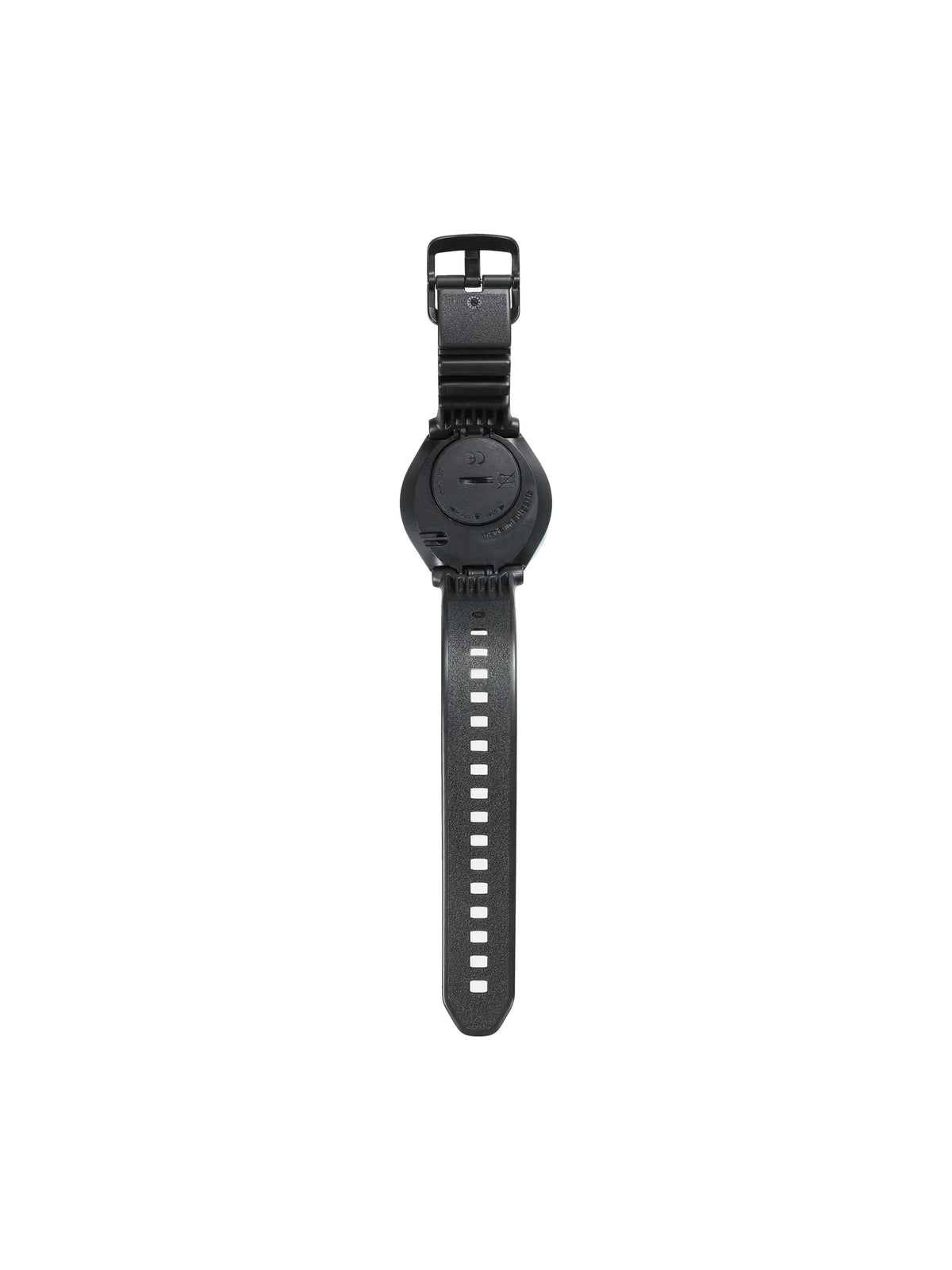
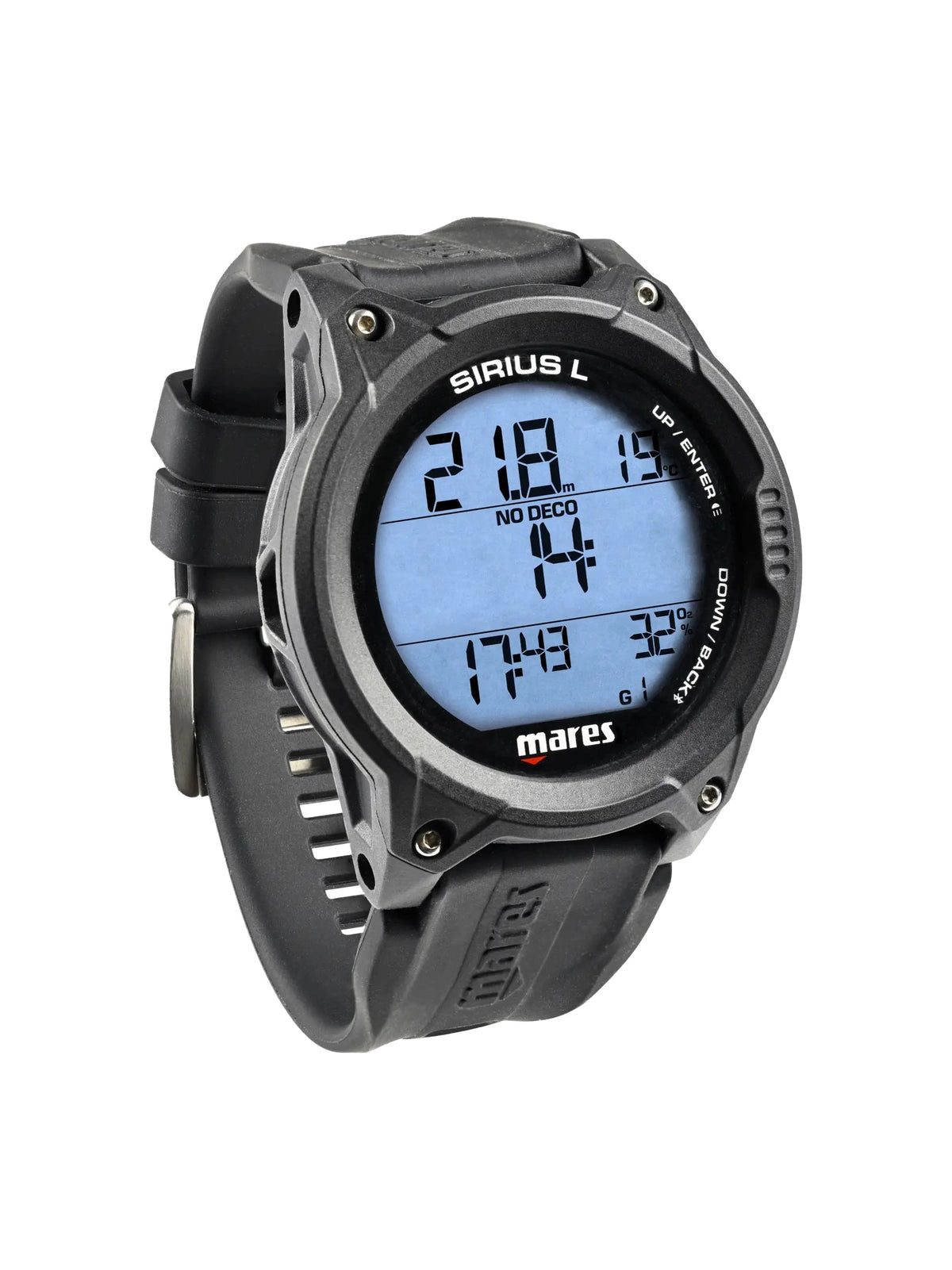
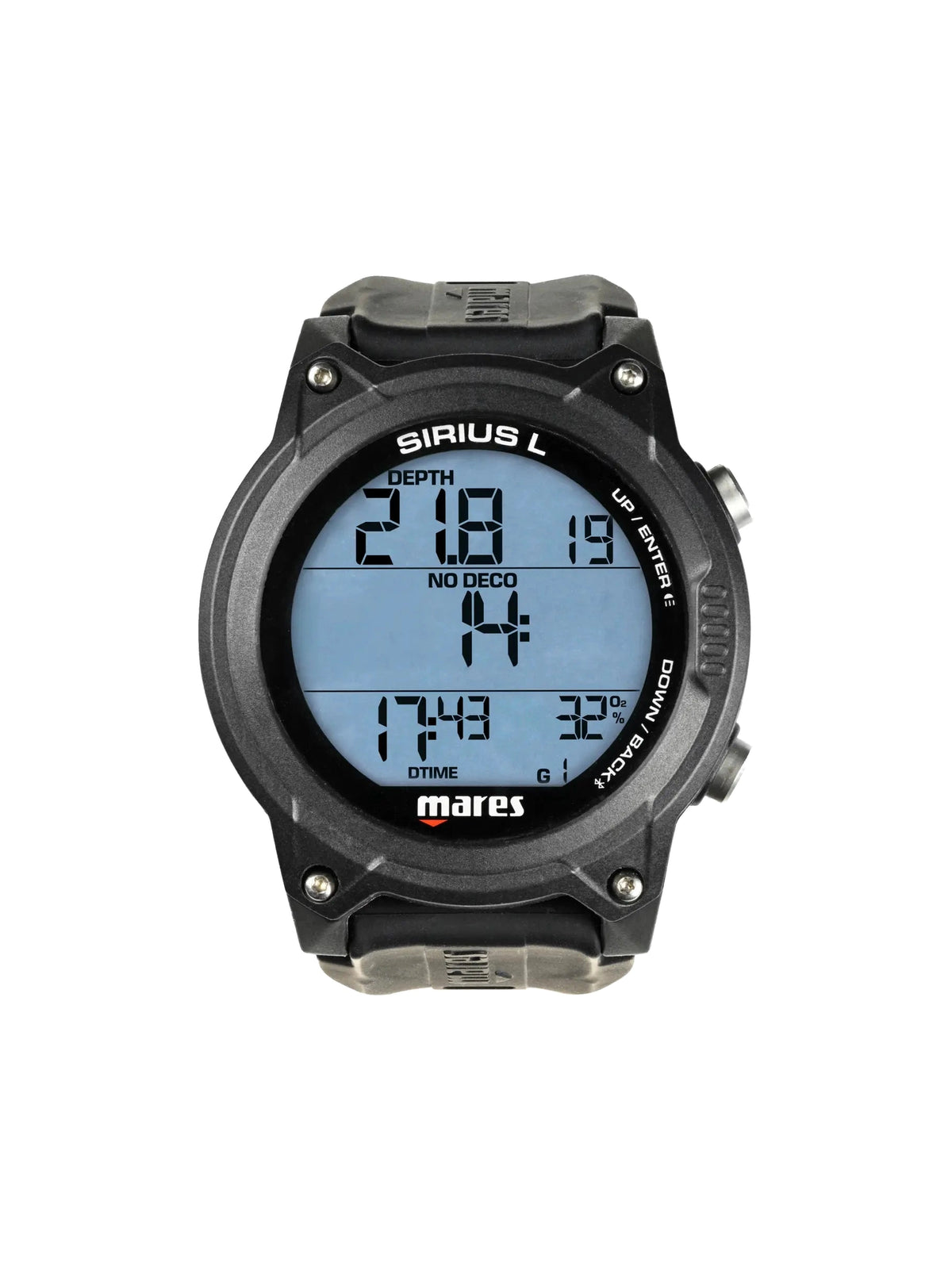
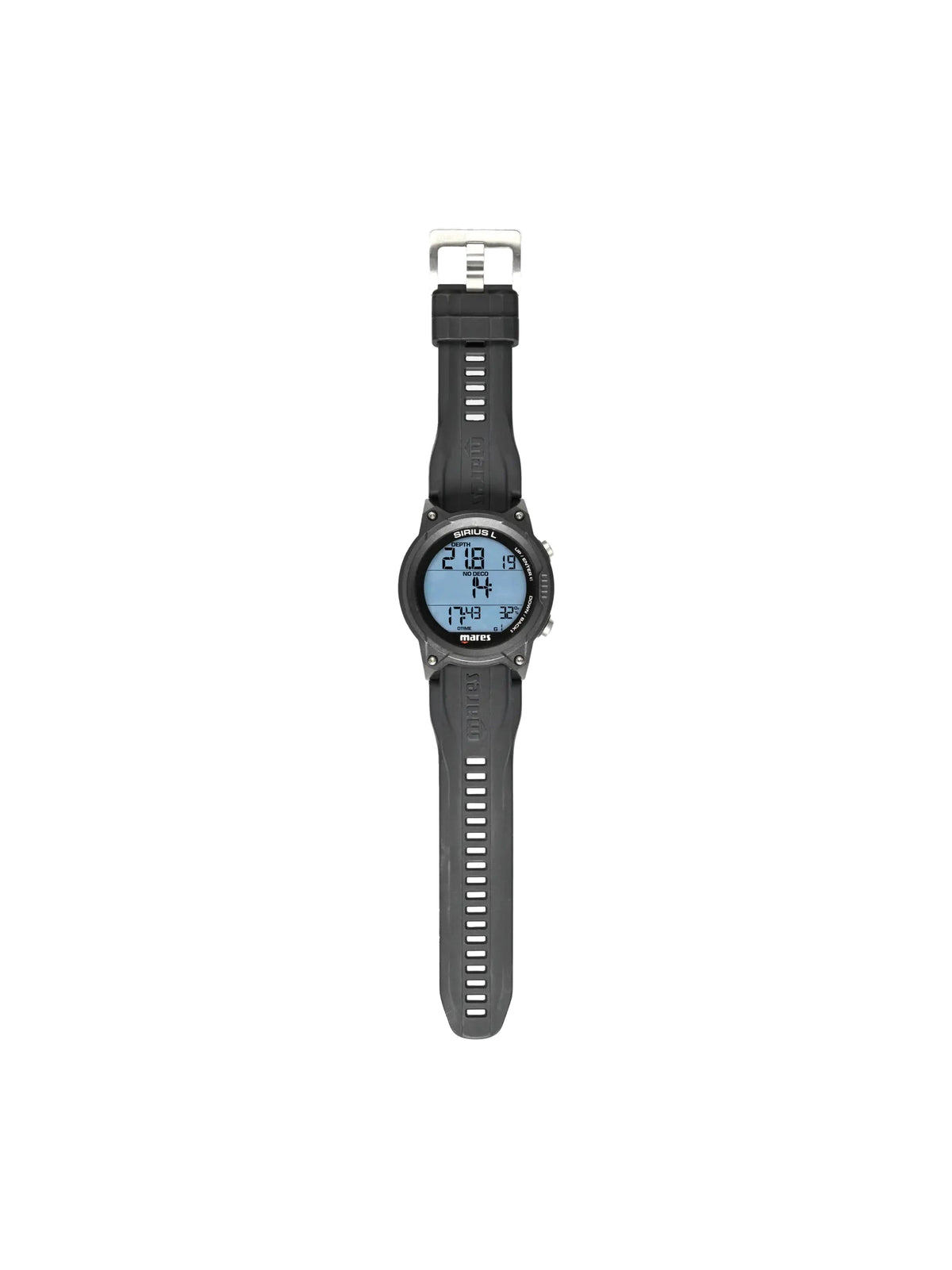


About Scuba Wrist Computers
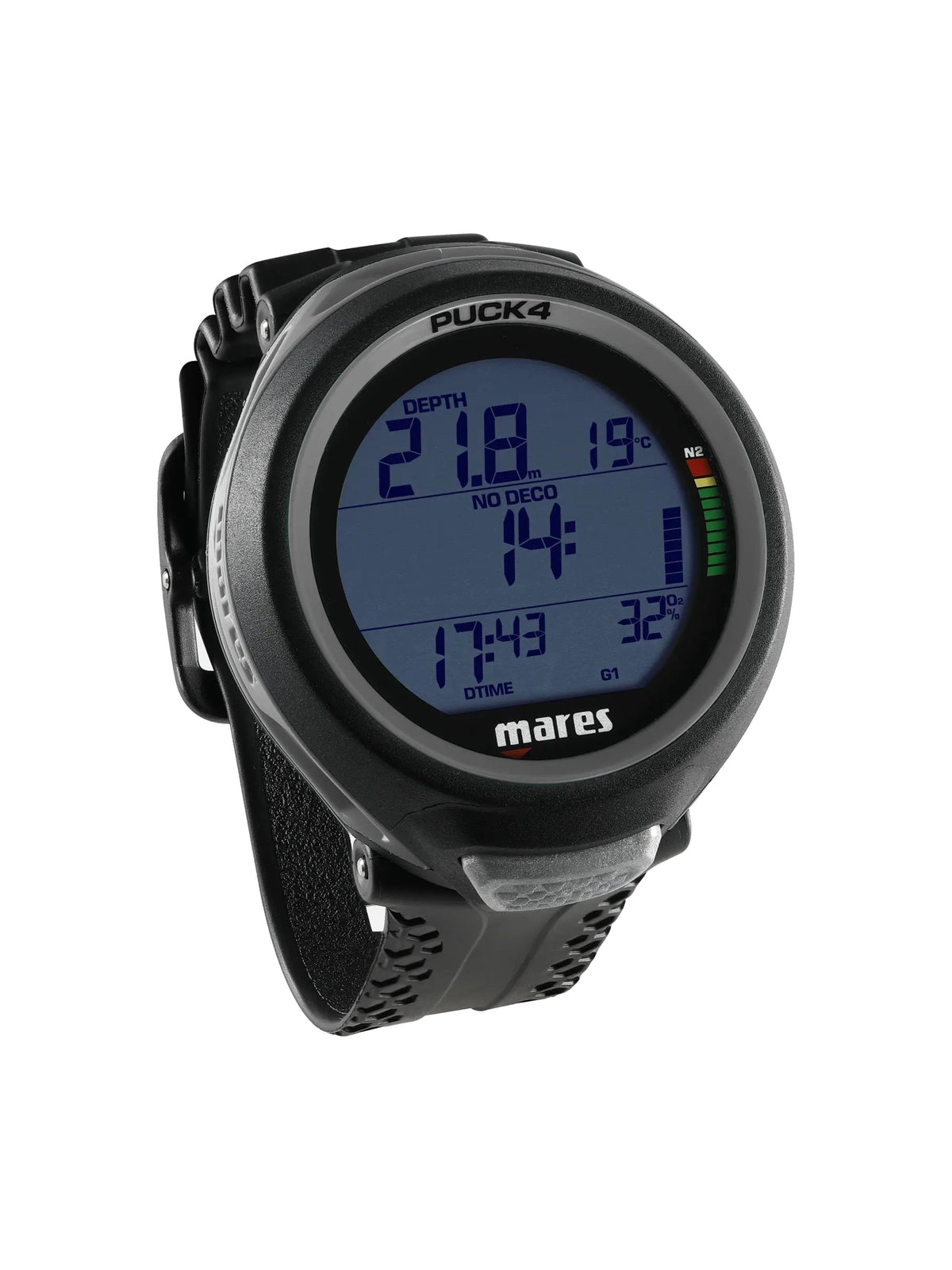
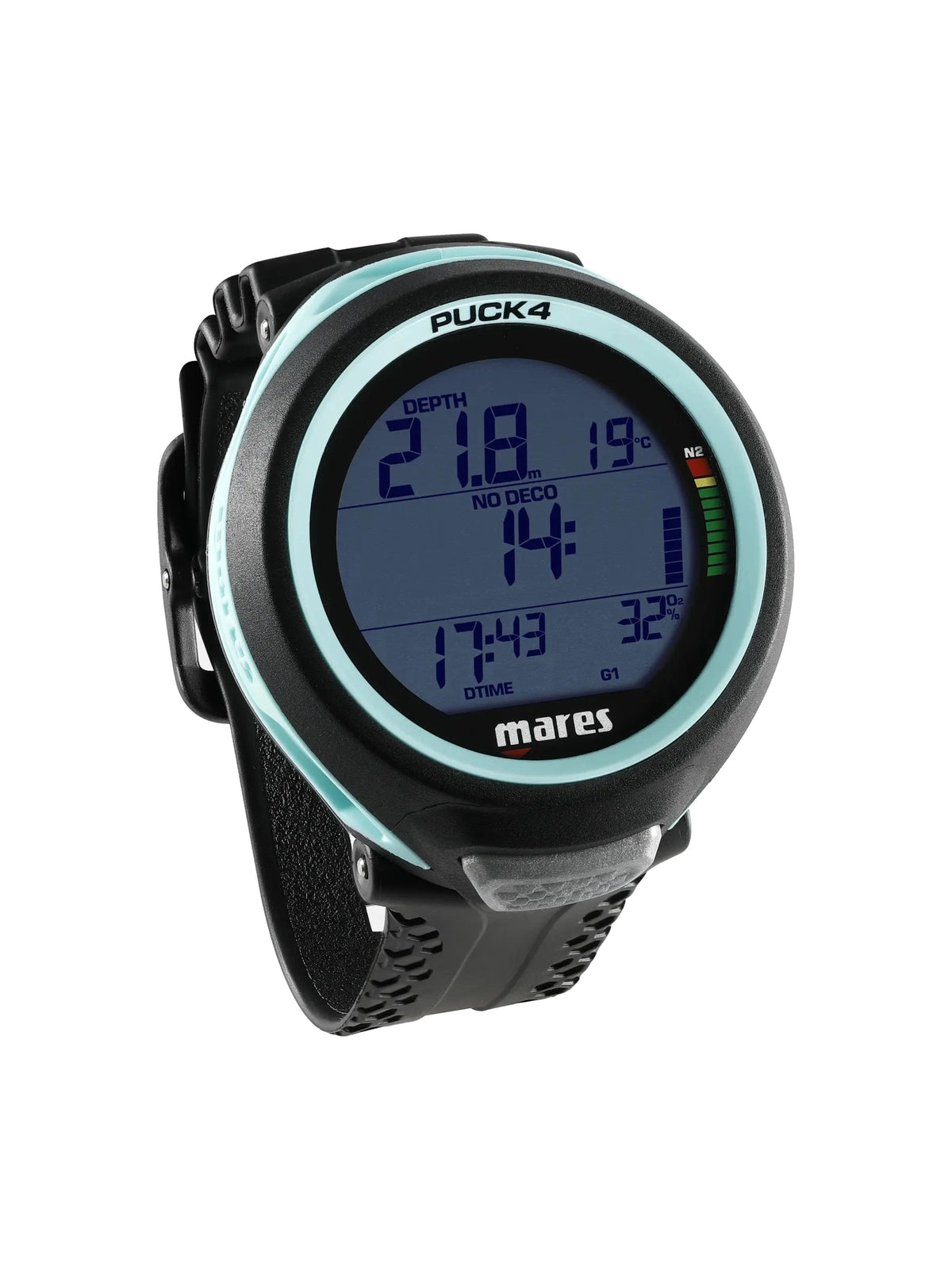
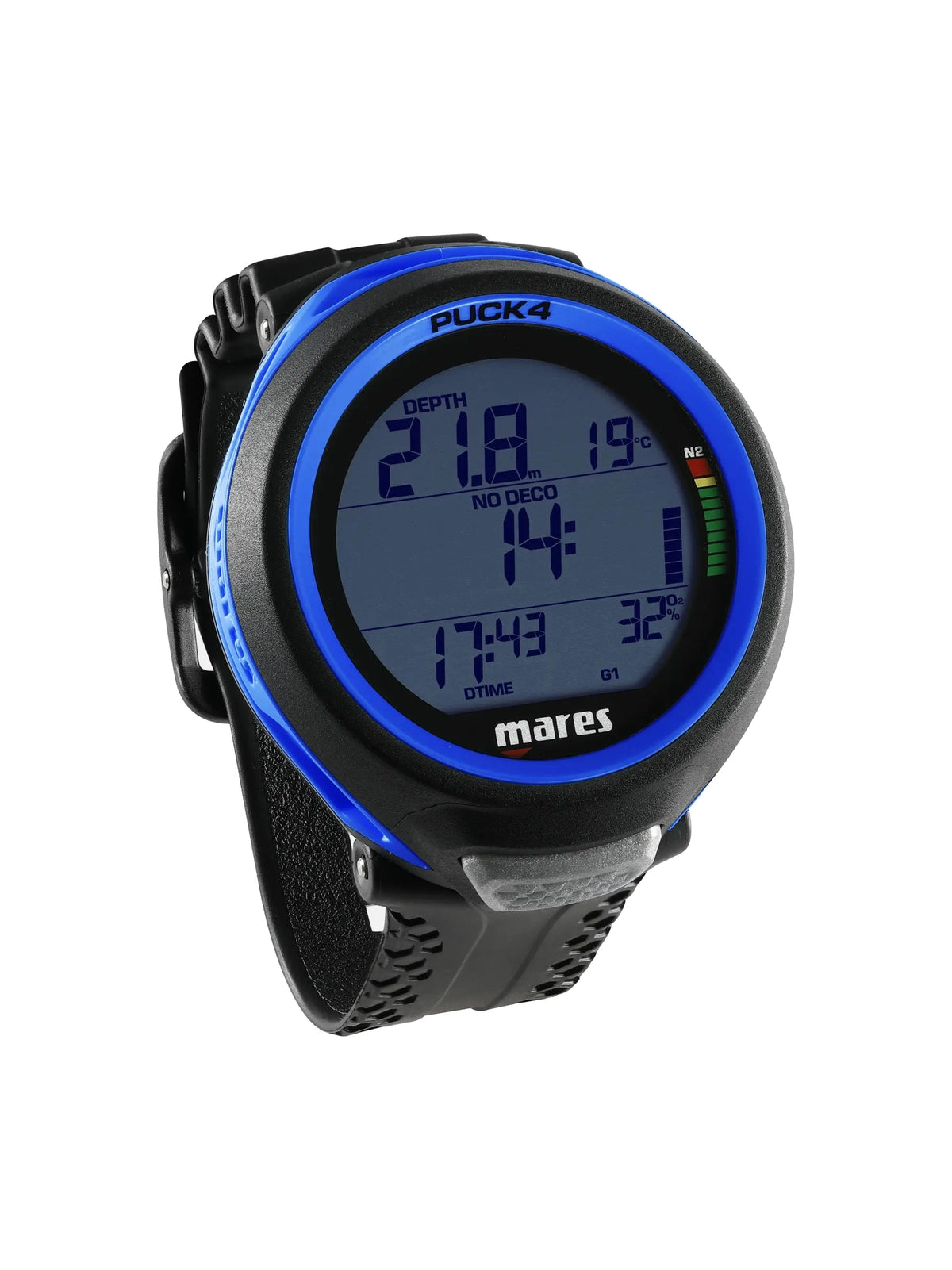
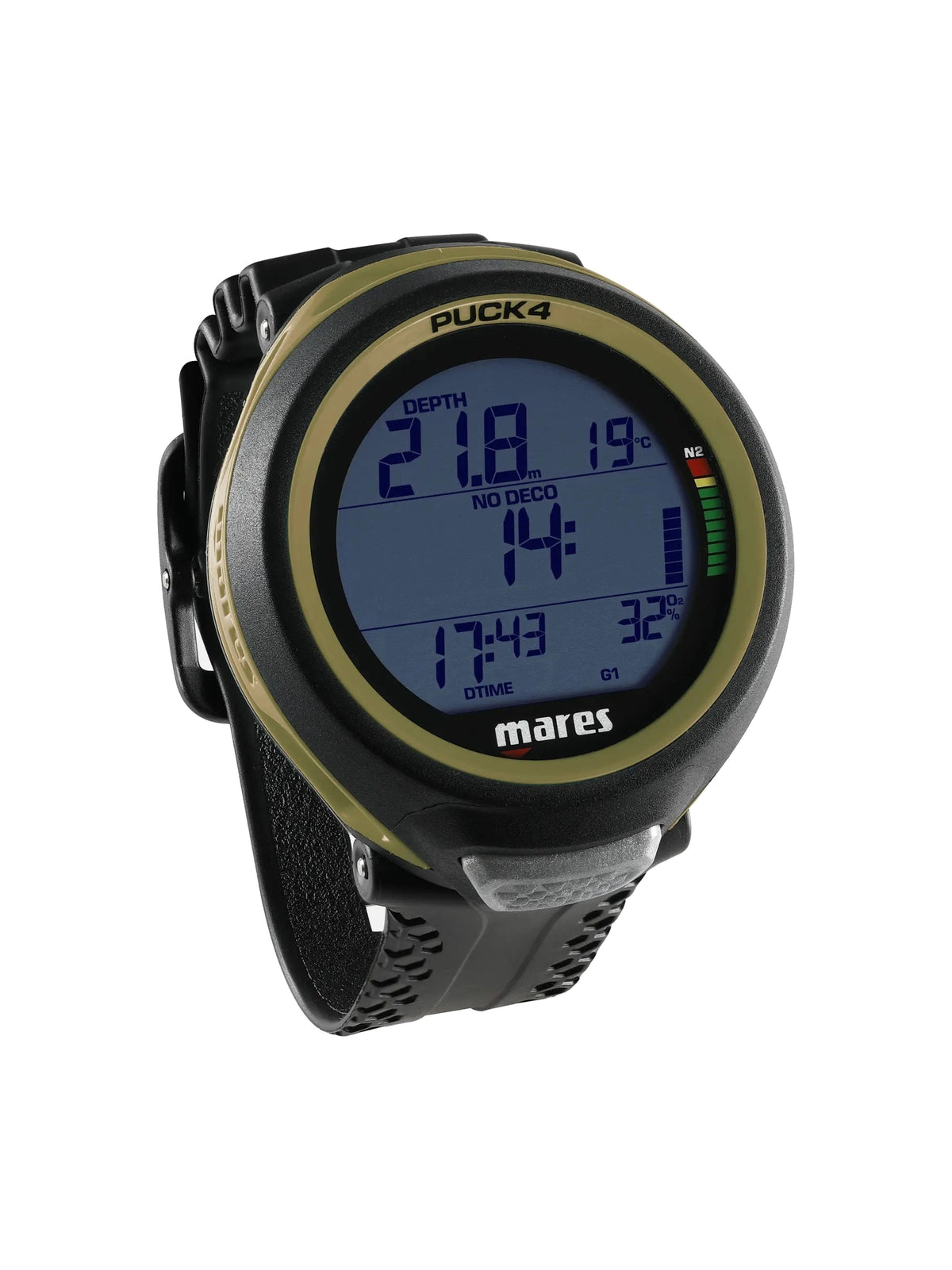
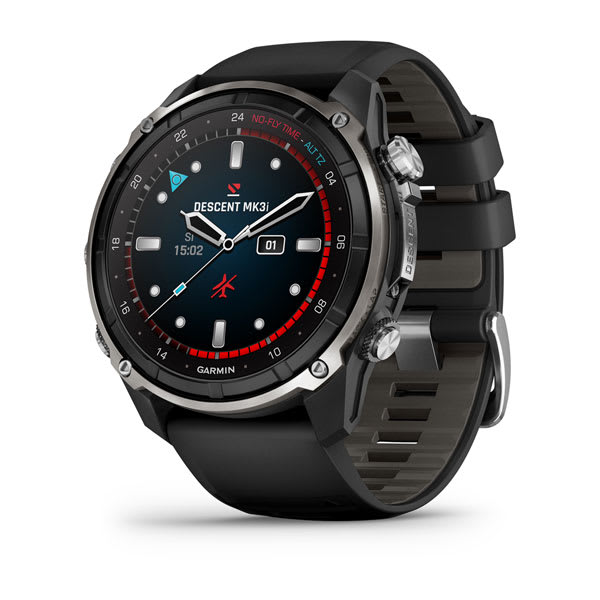
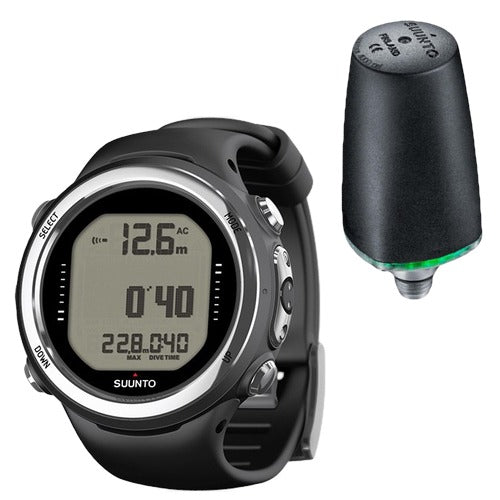
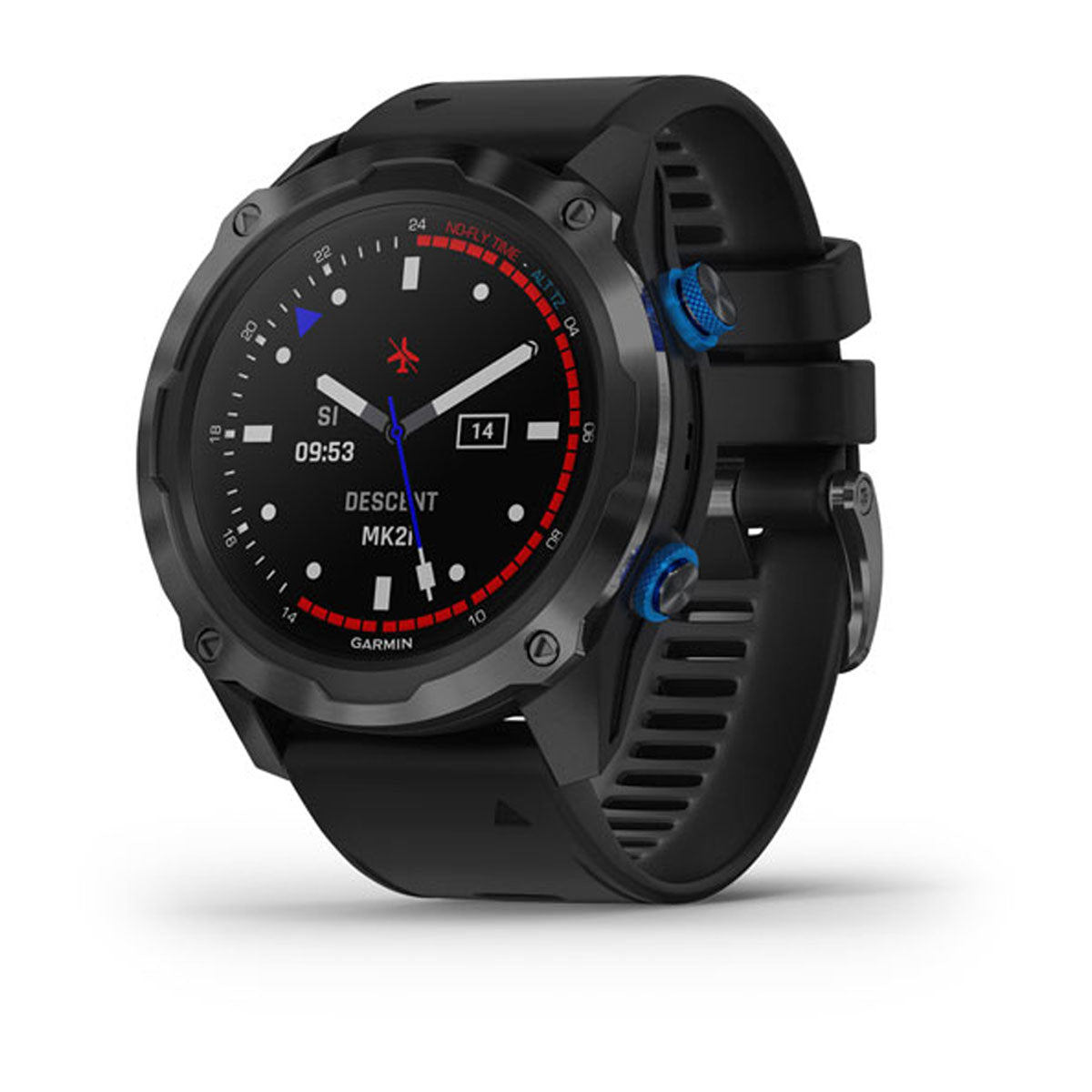
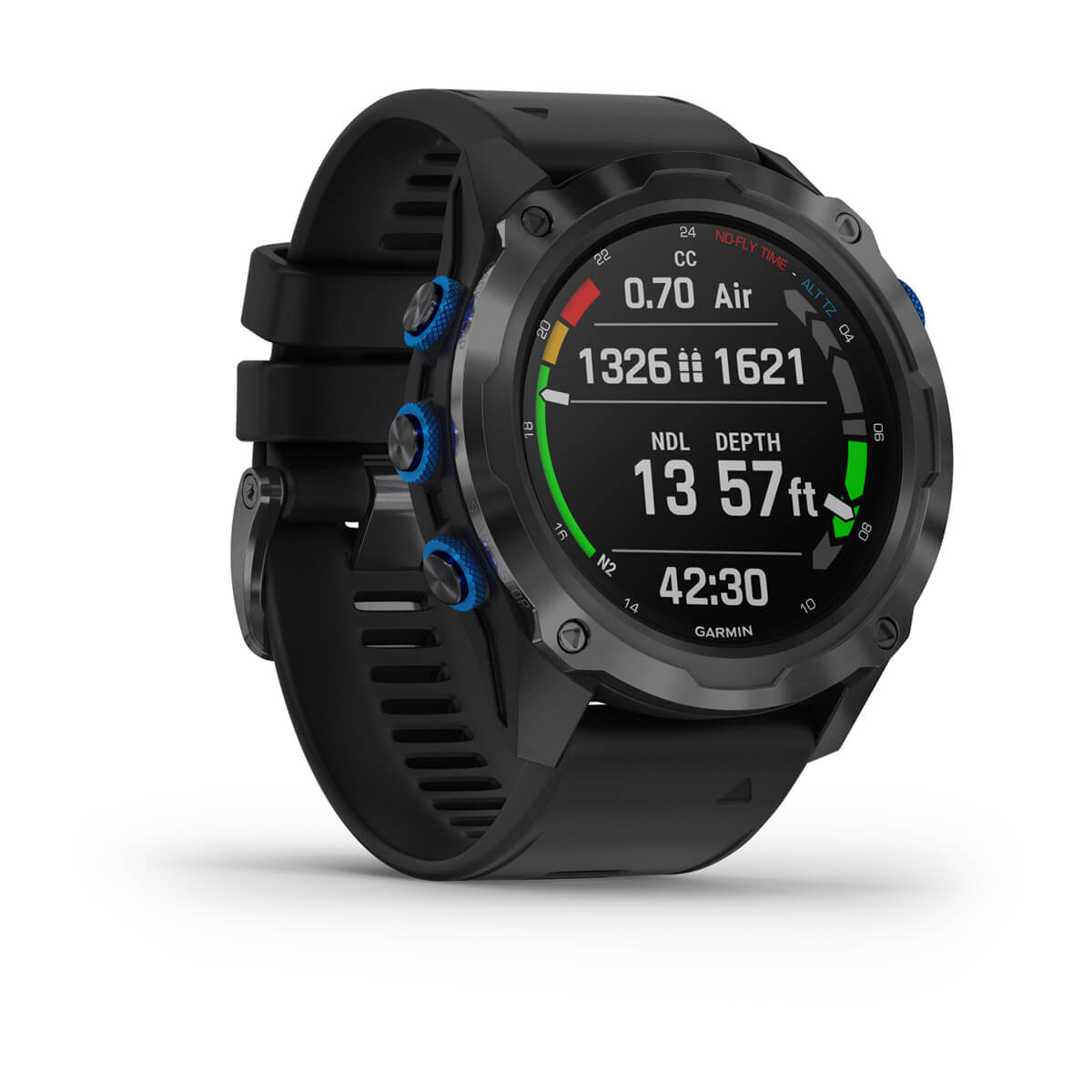
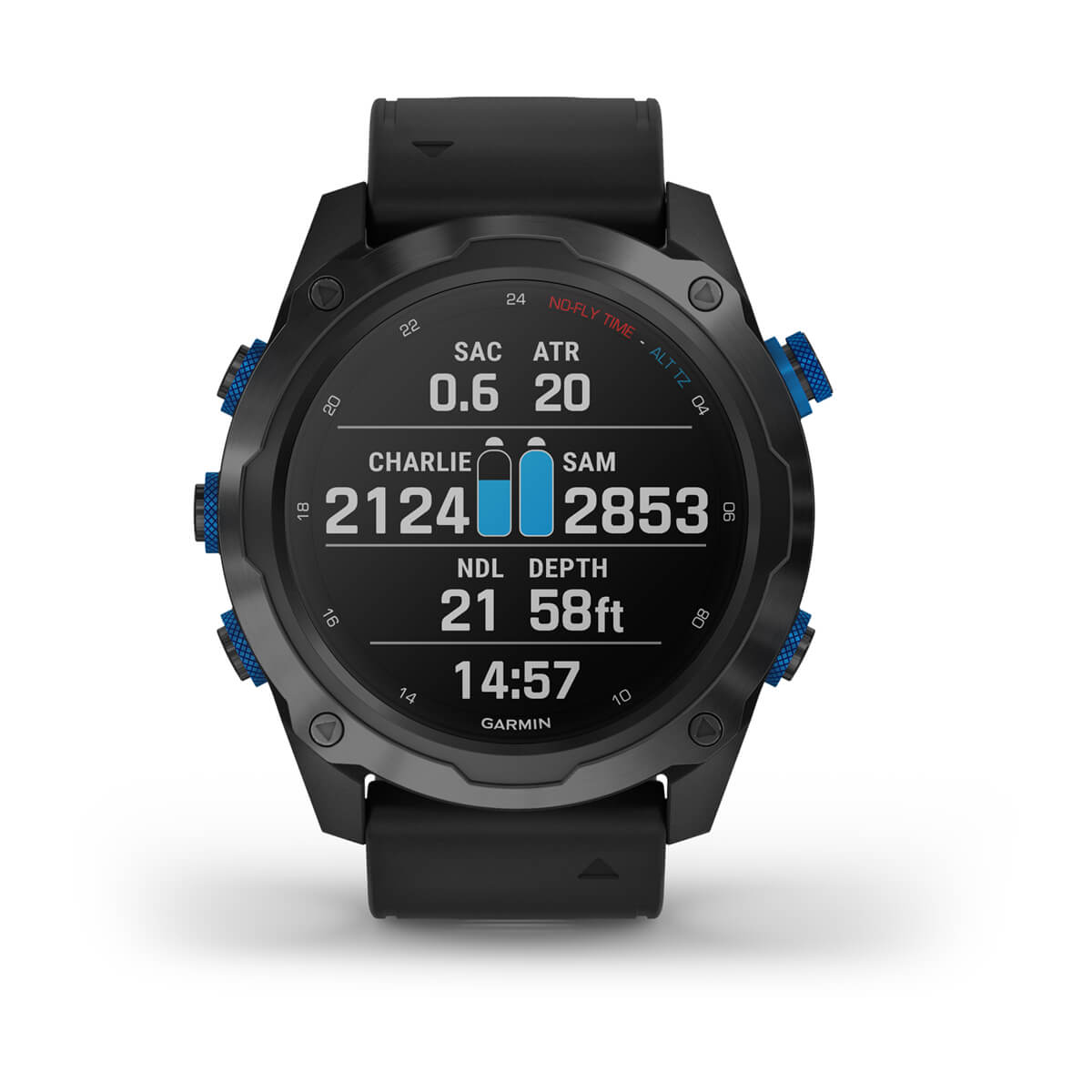
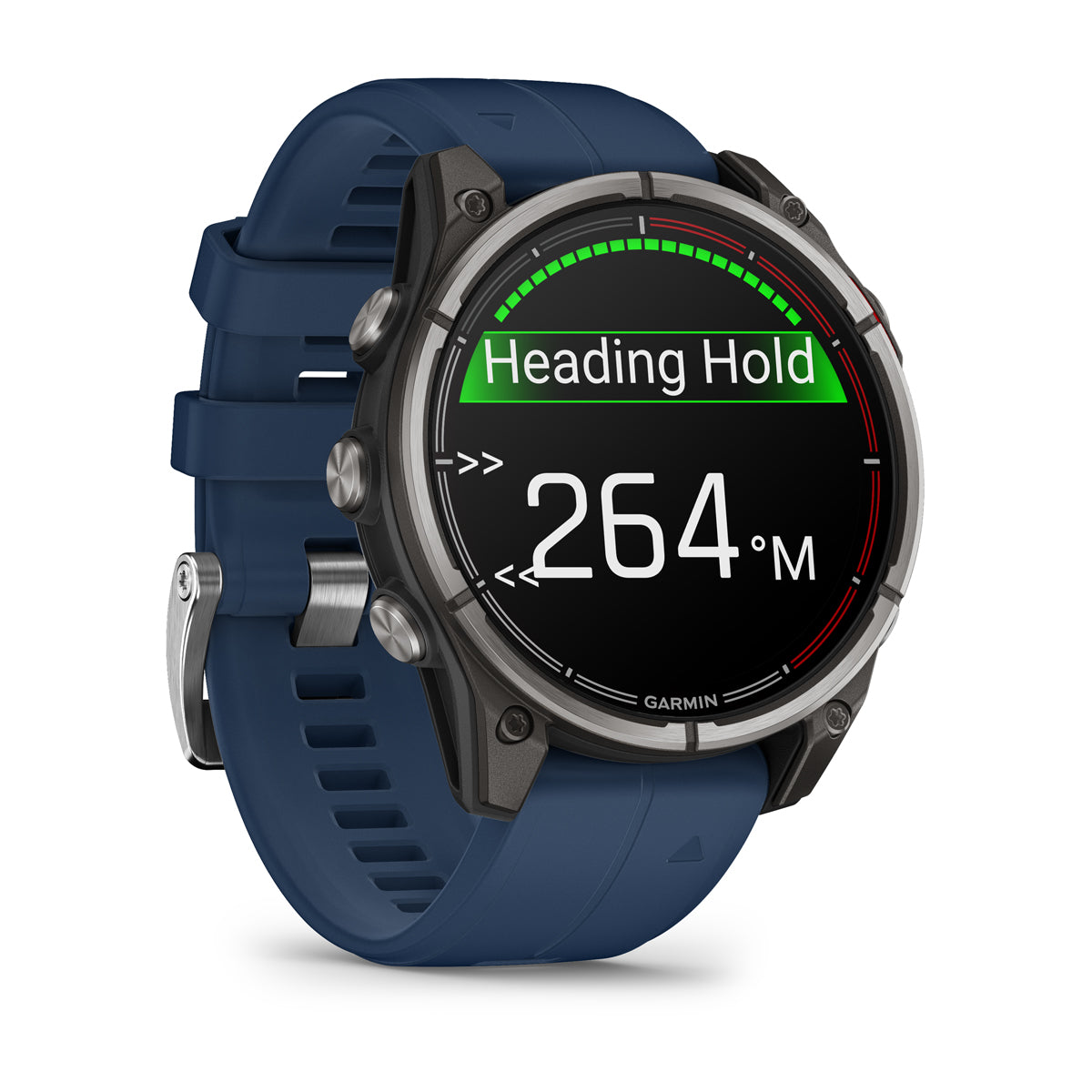
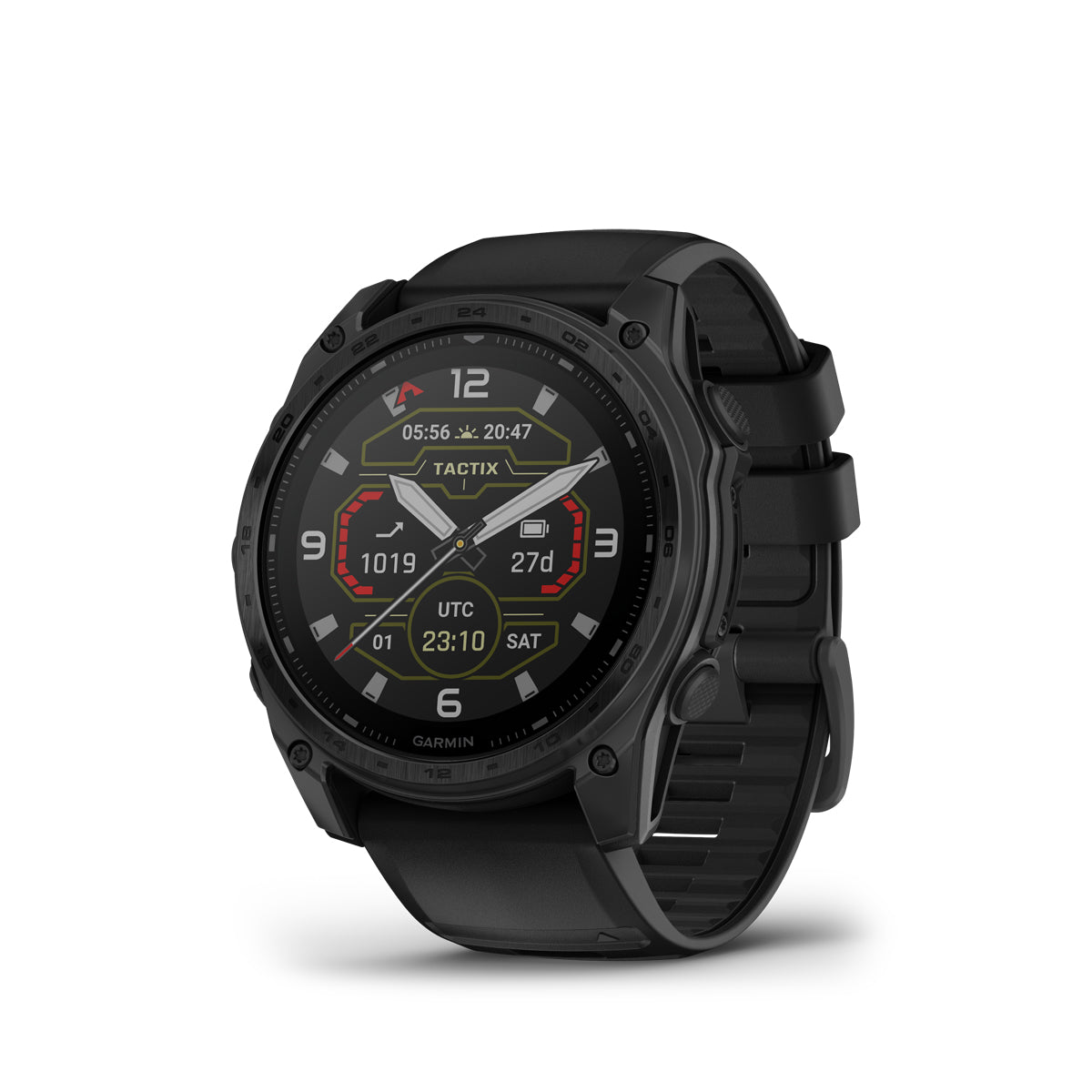
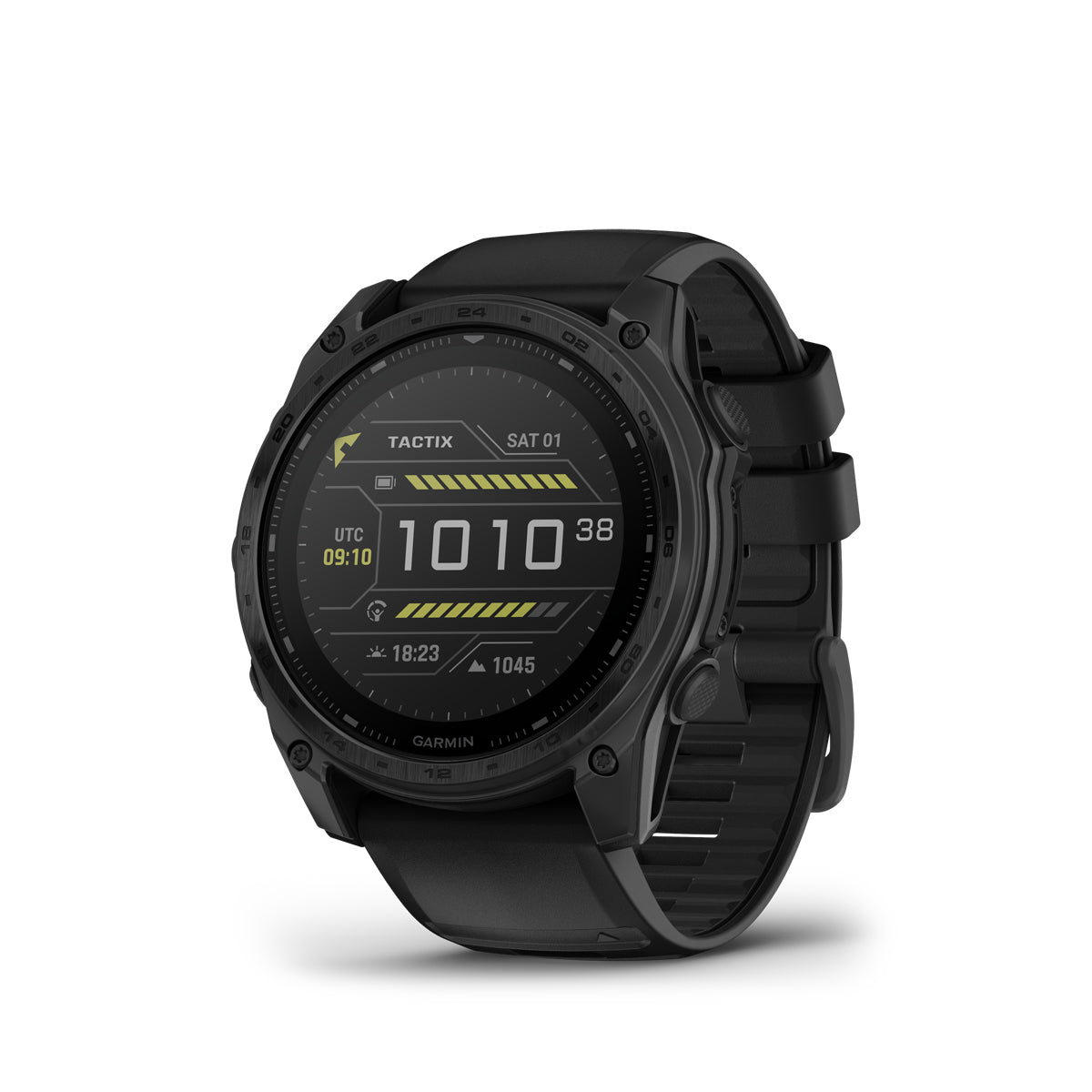
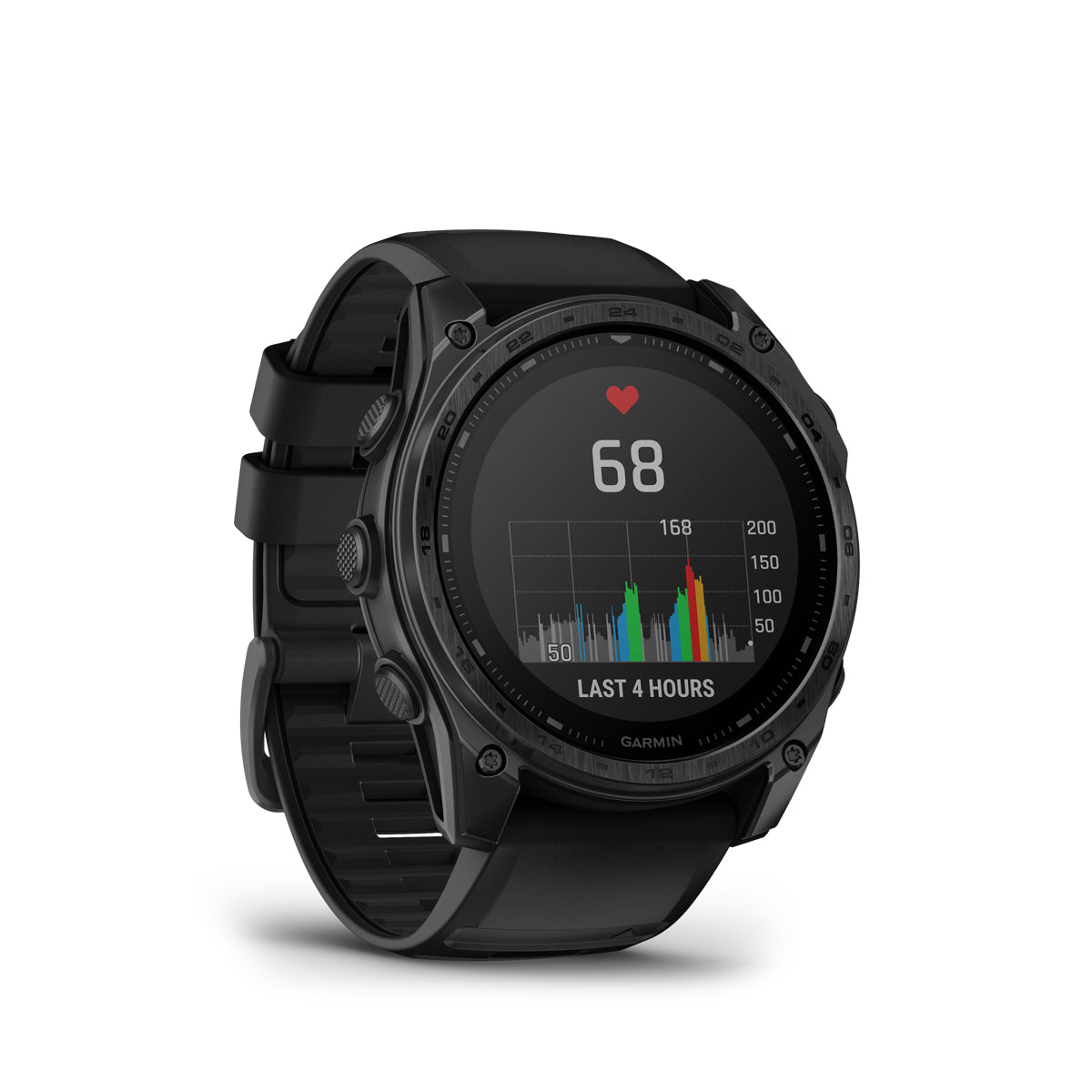
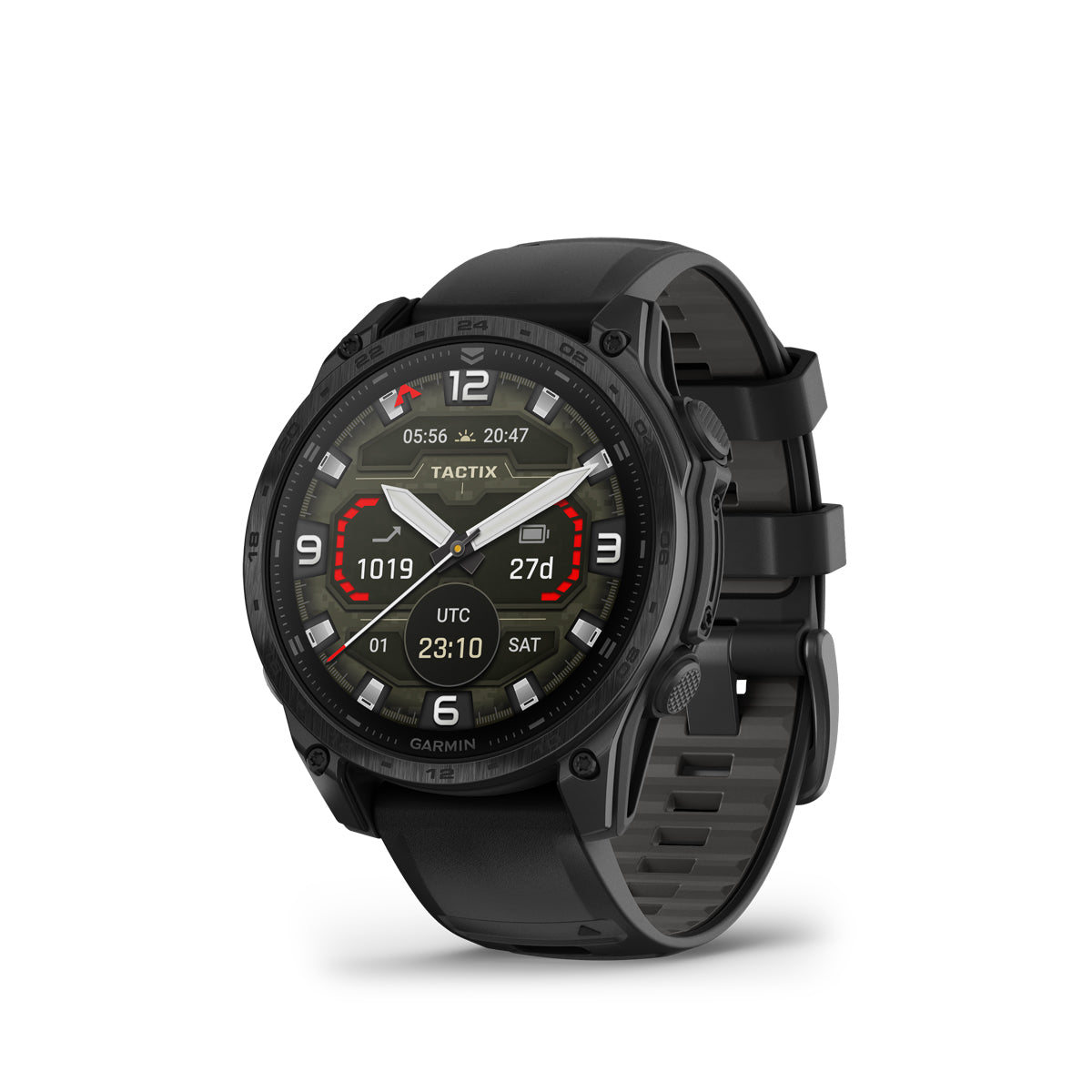
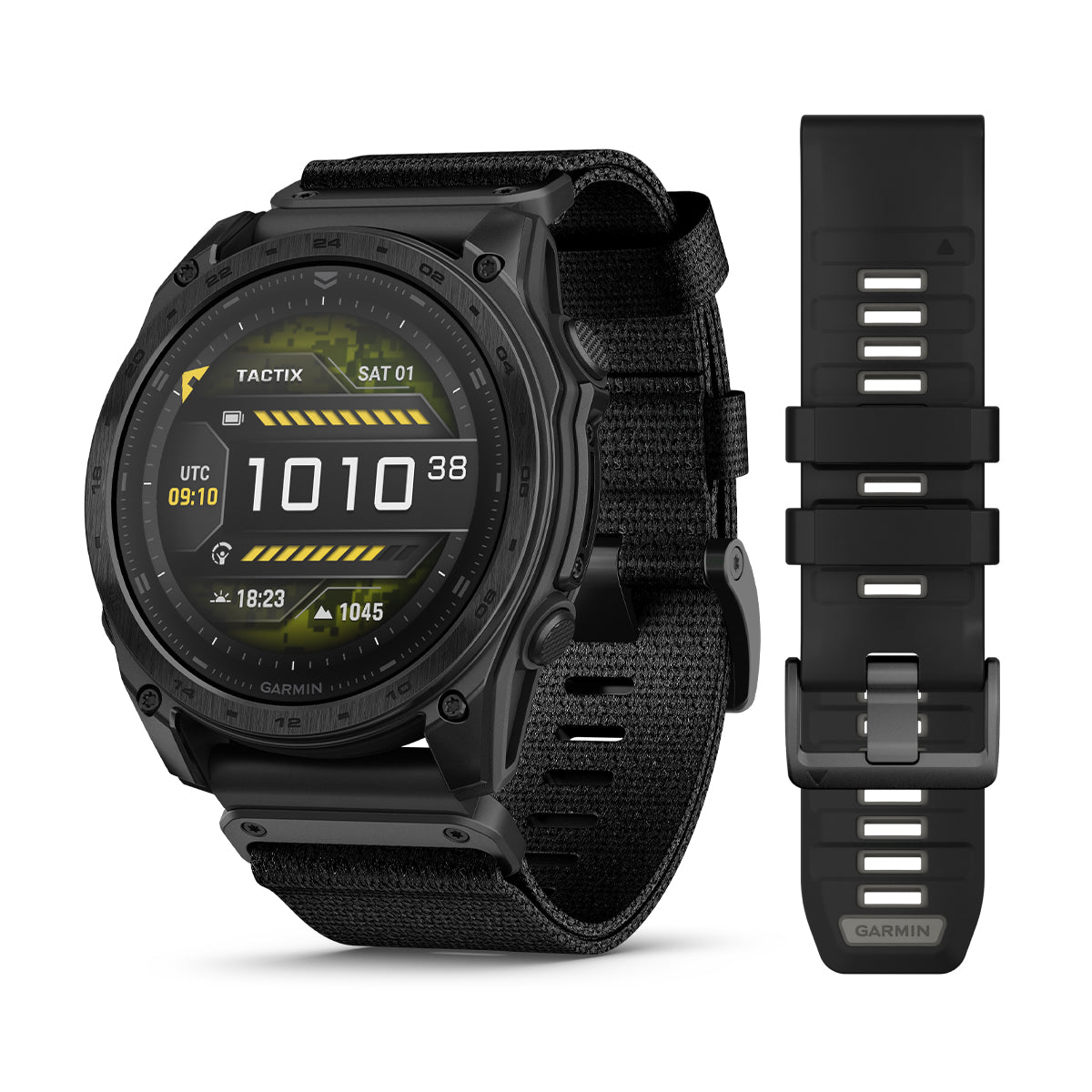
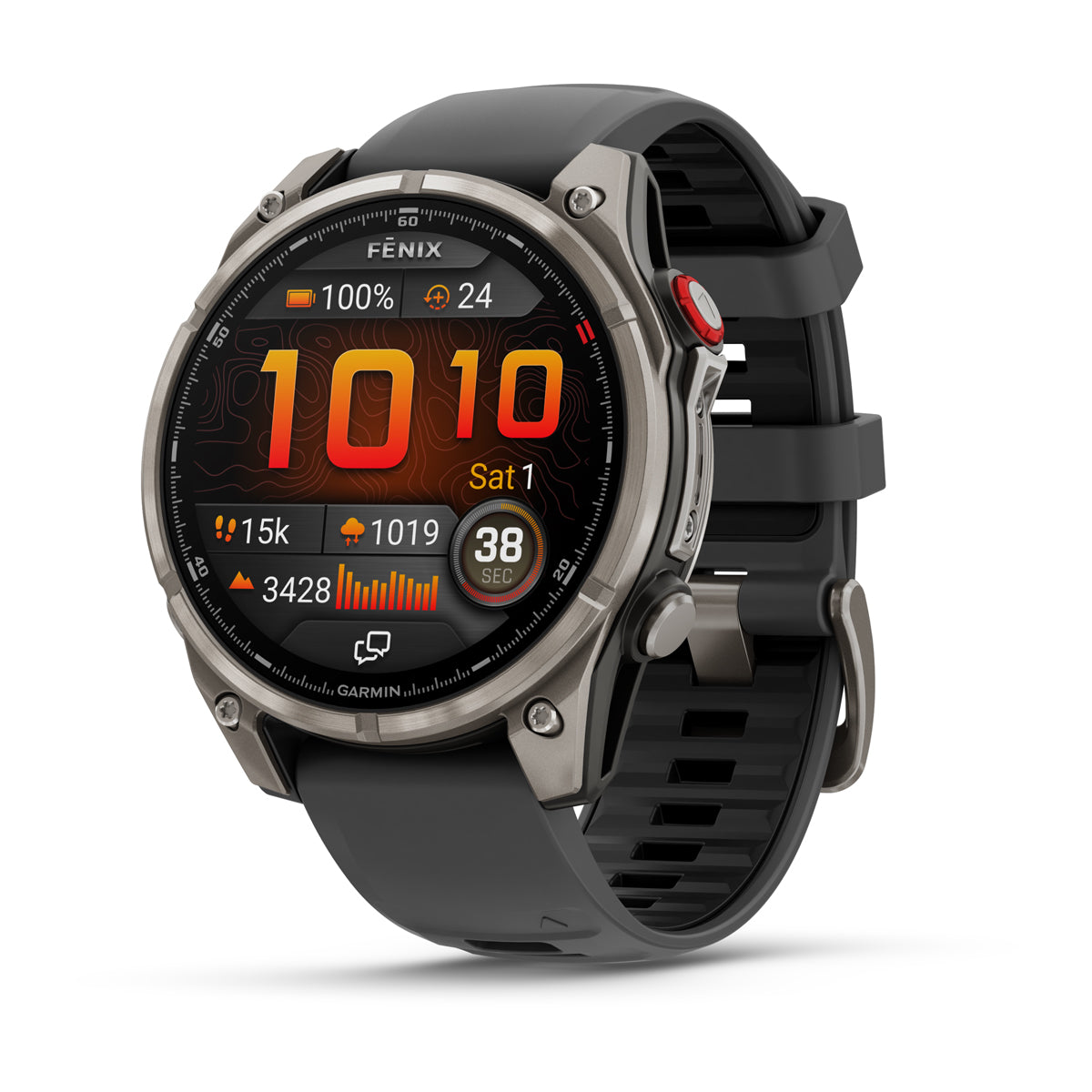
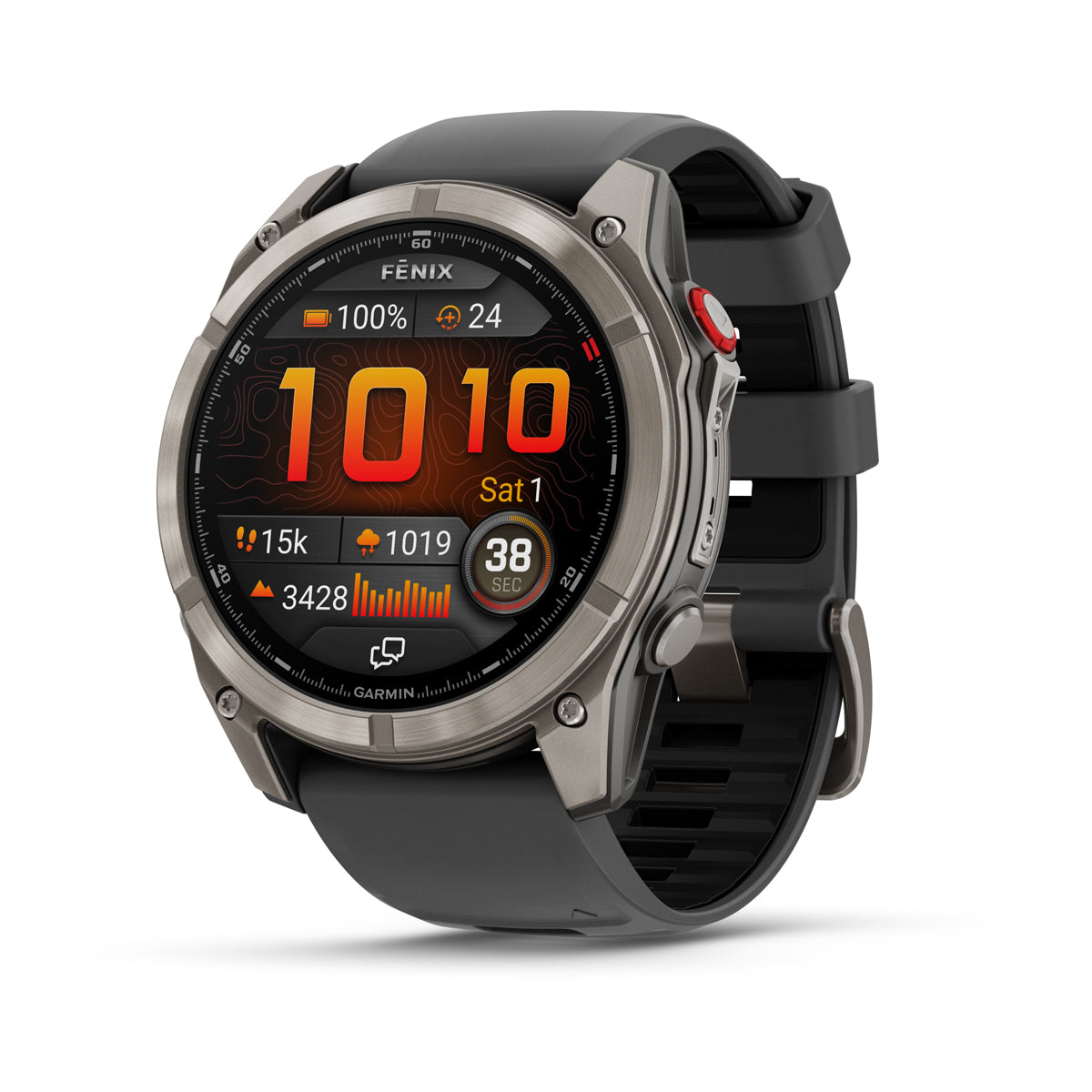
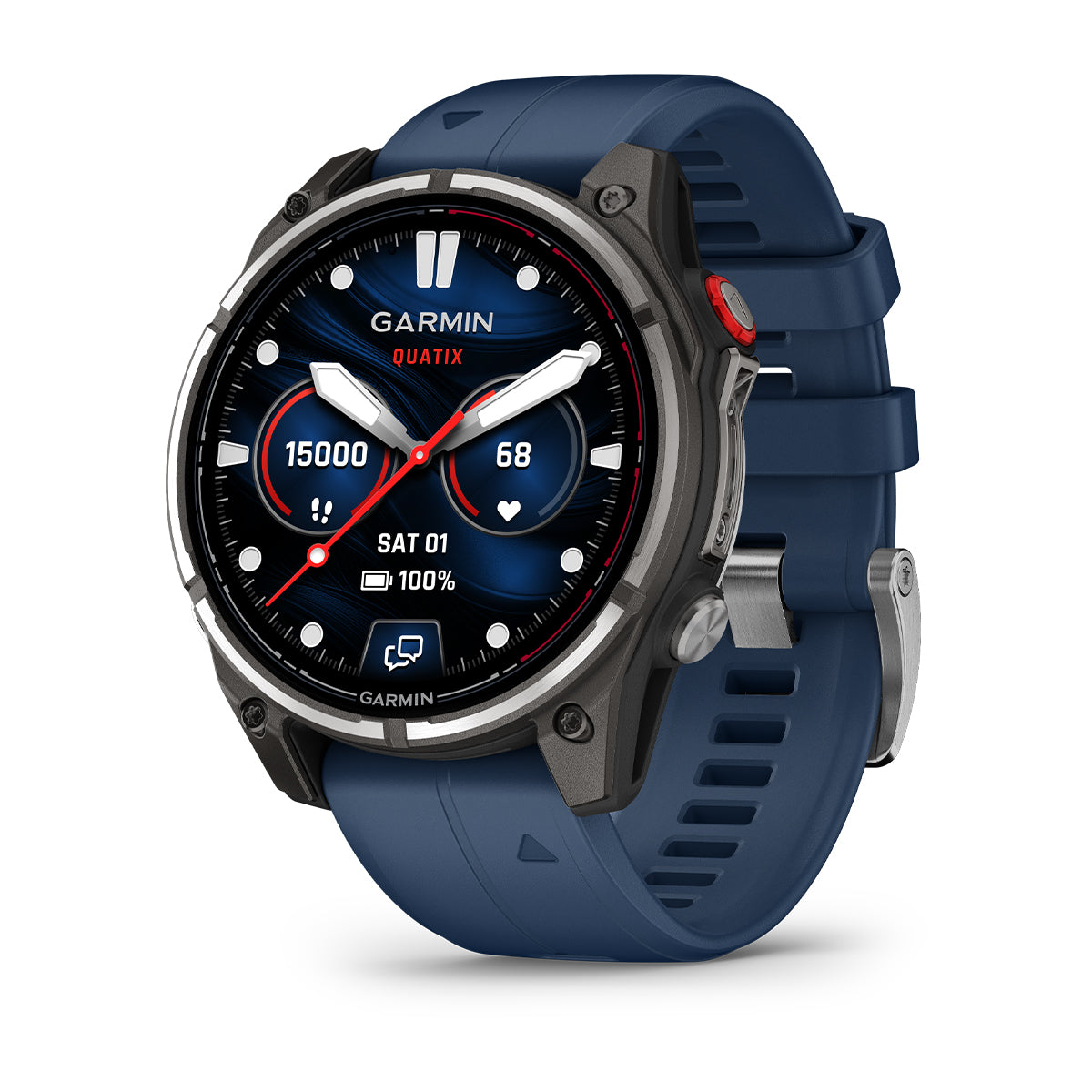
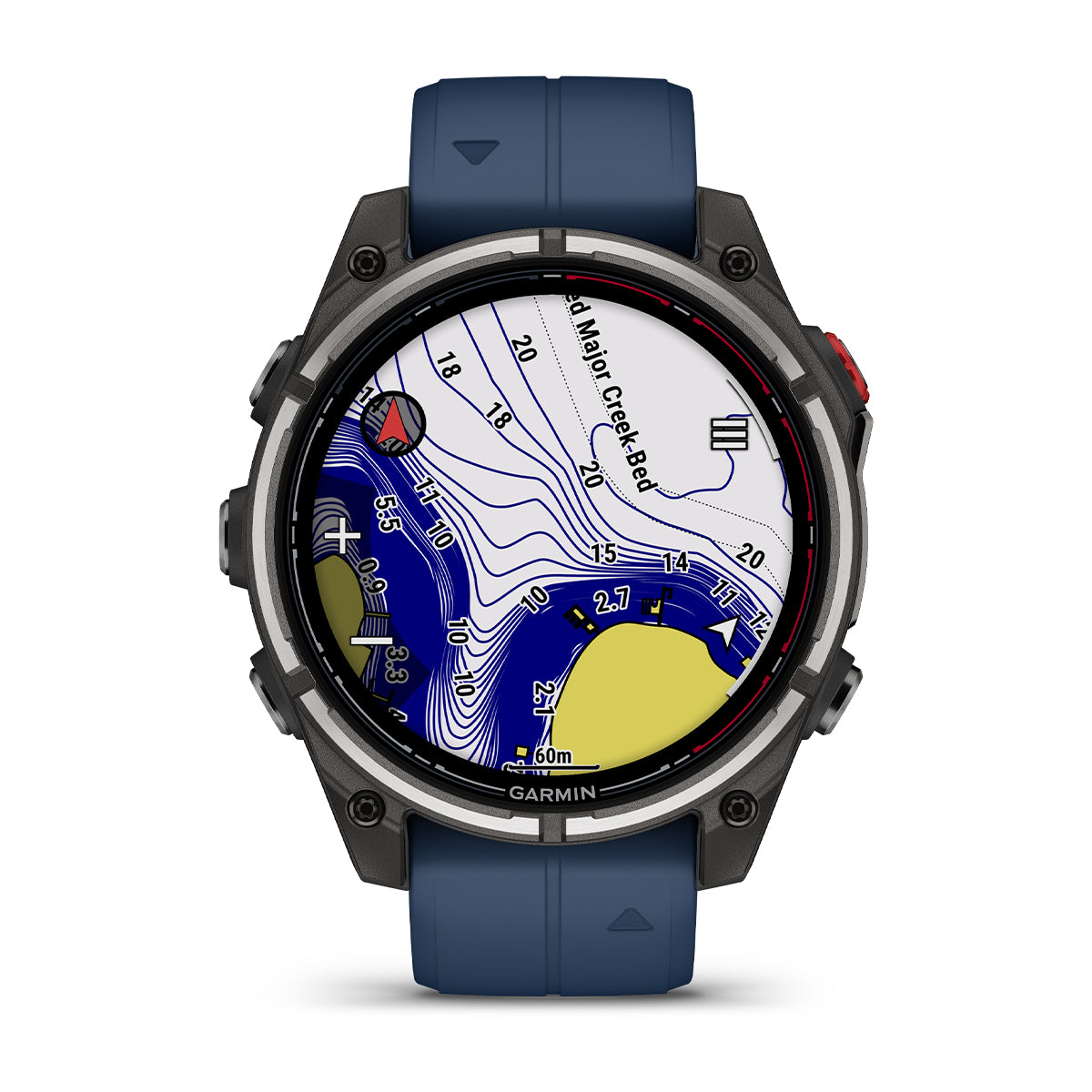
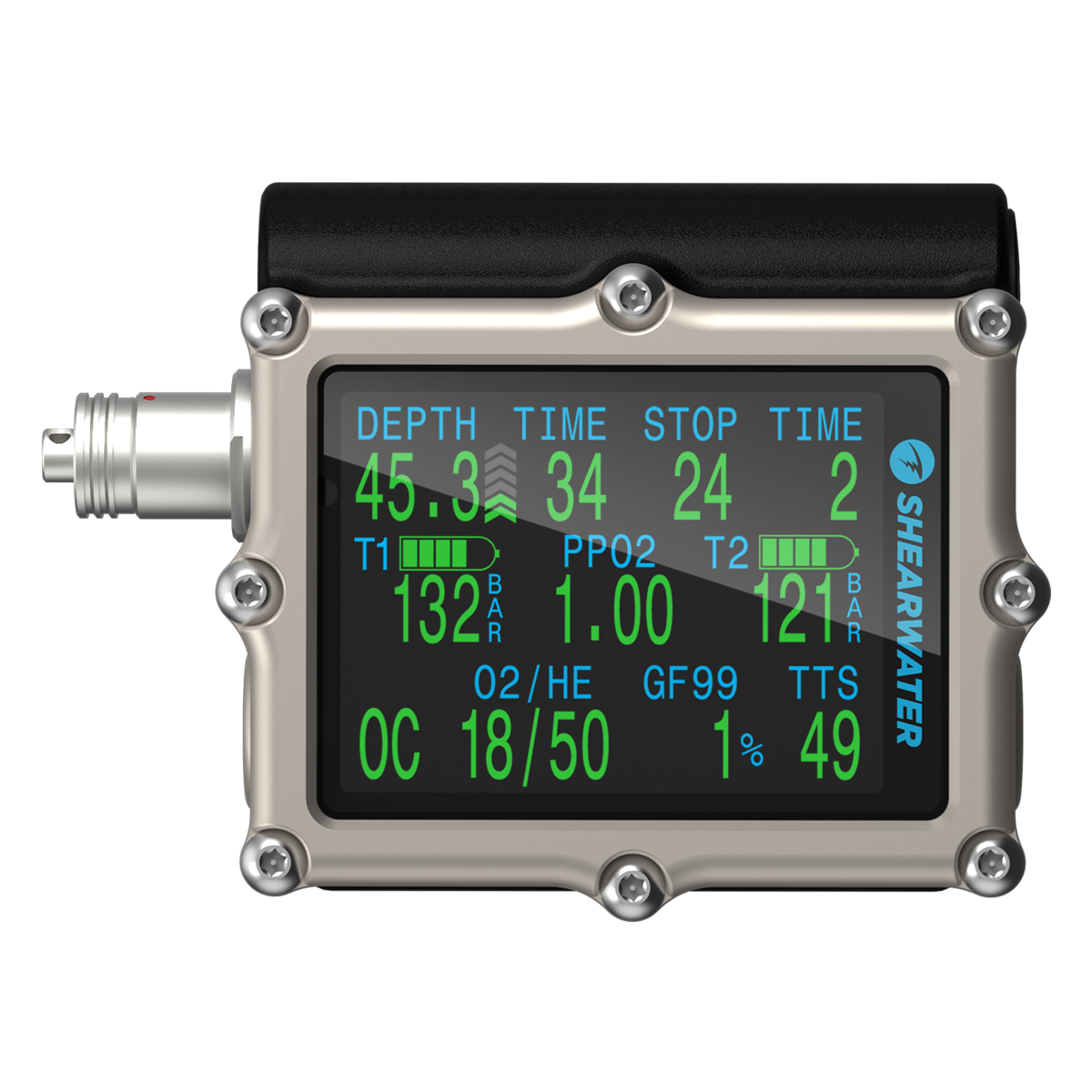
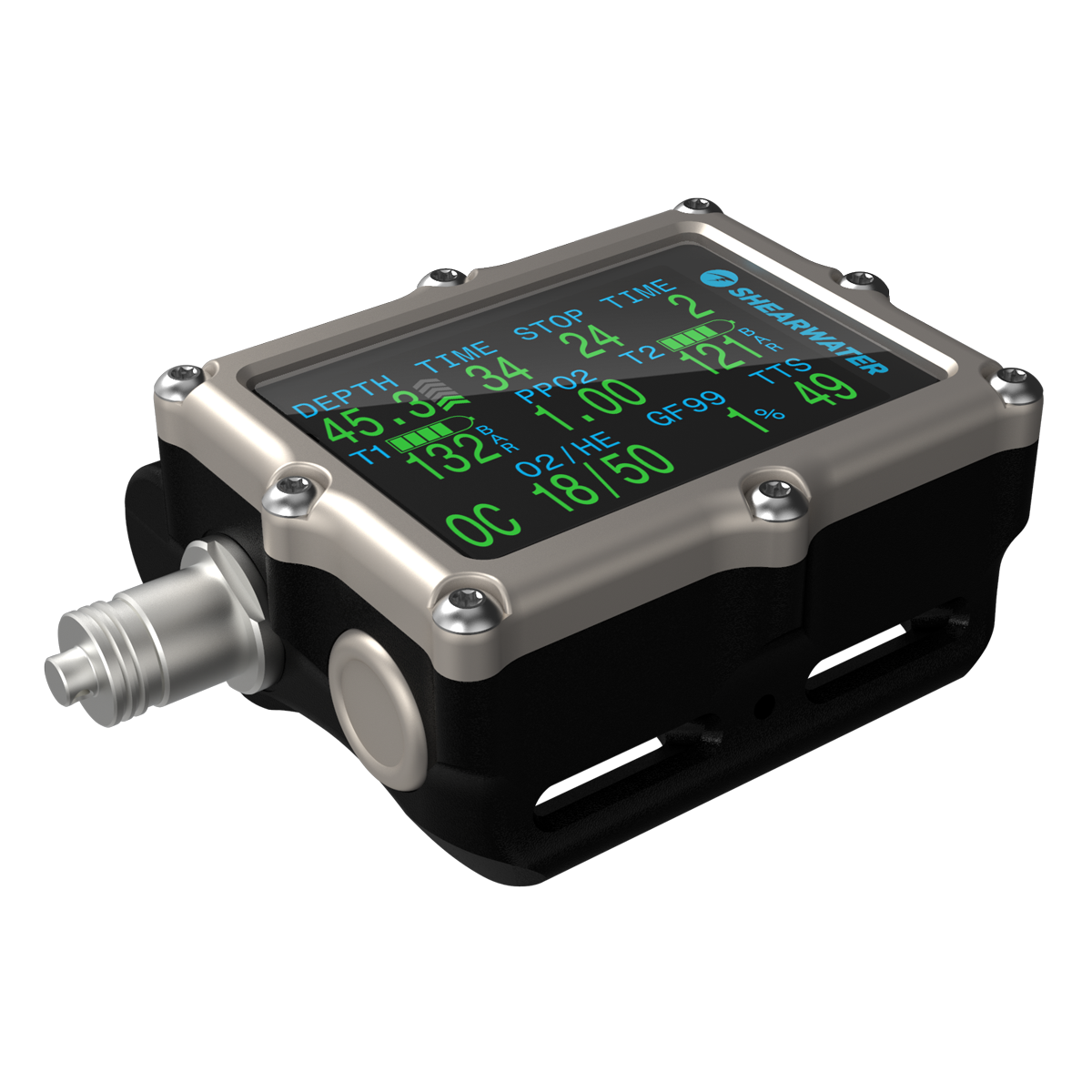
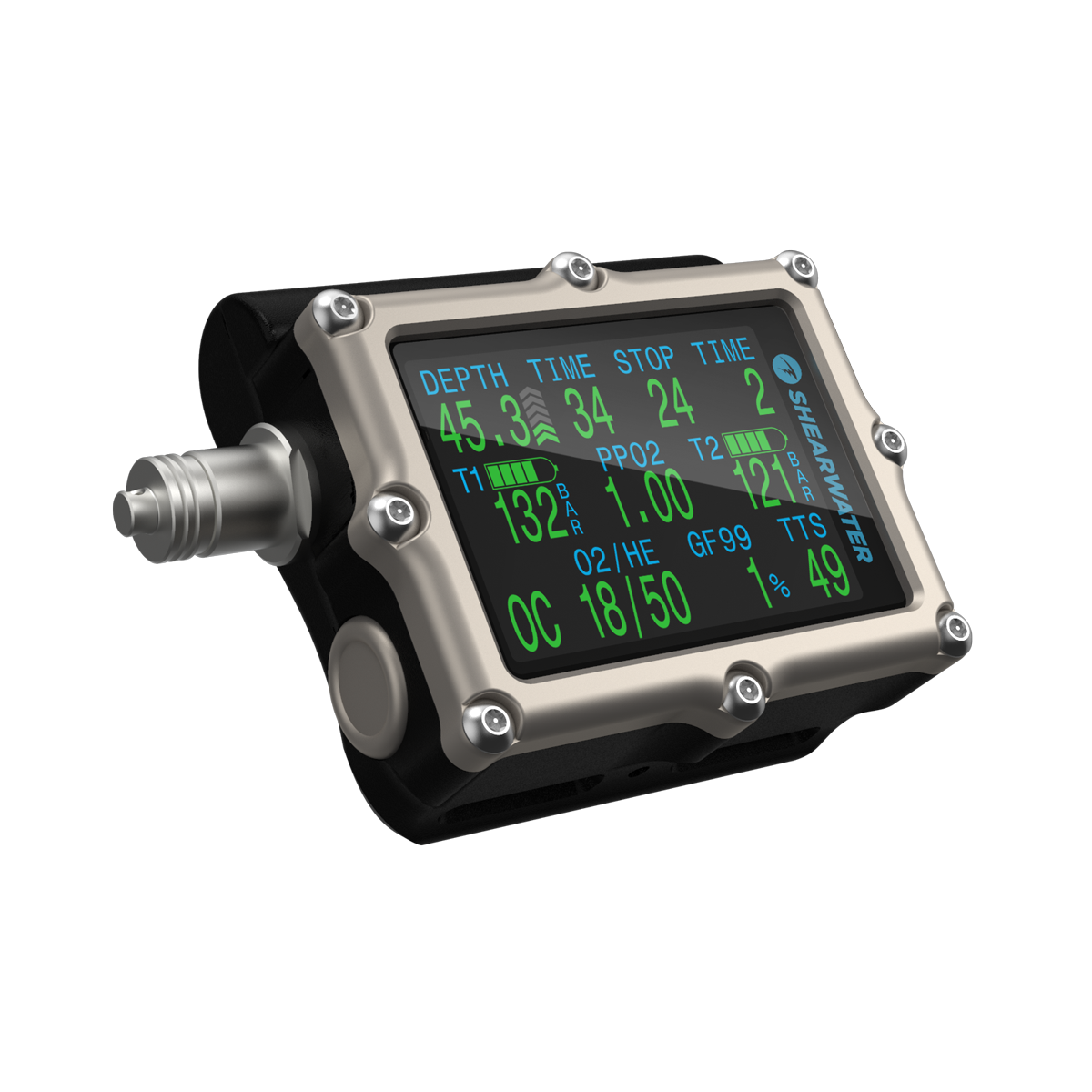
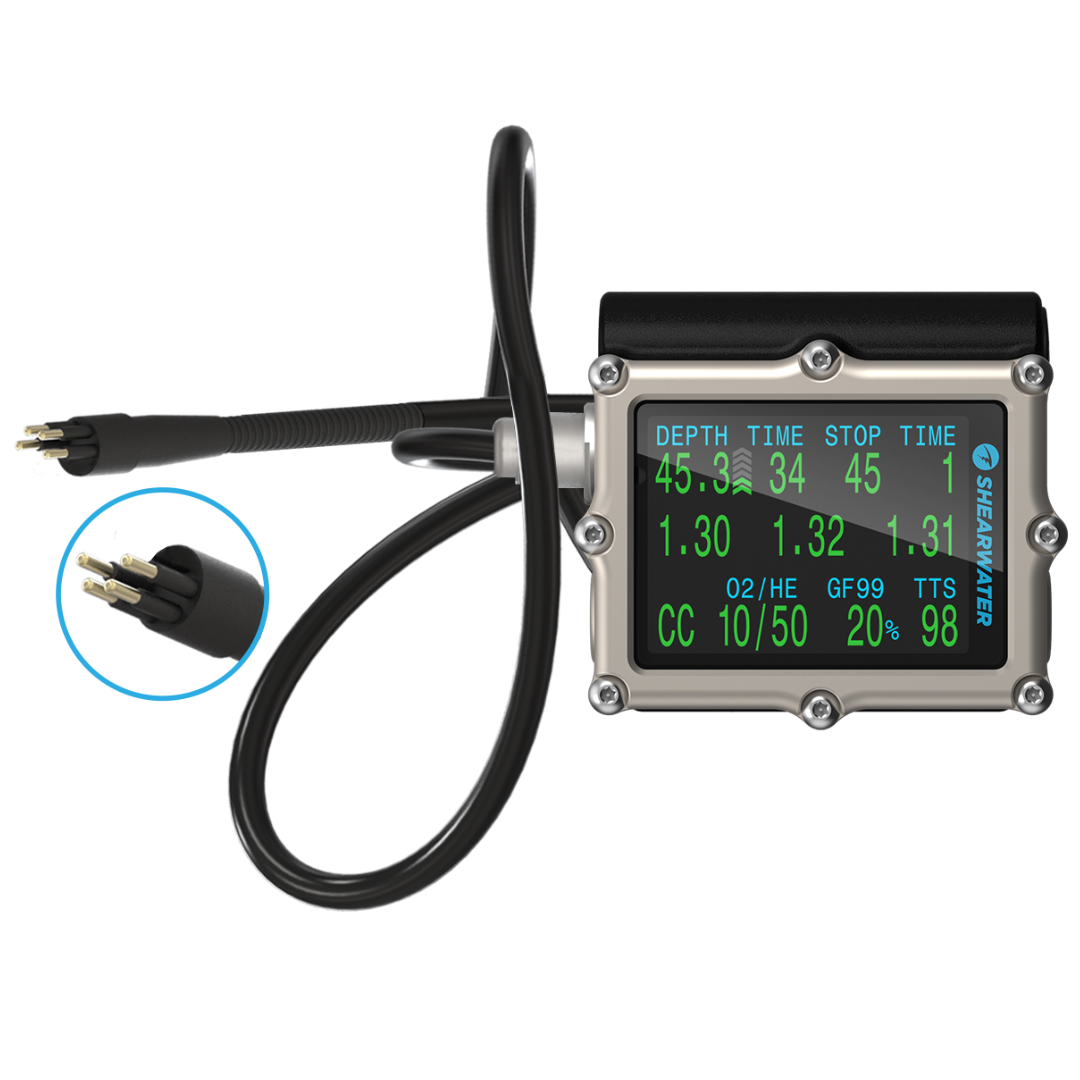
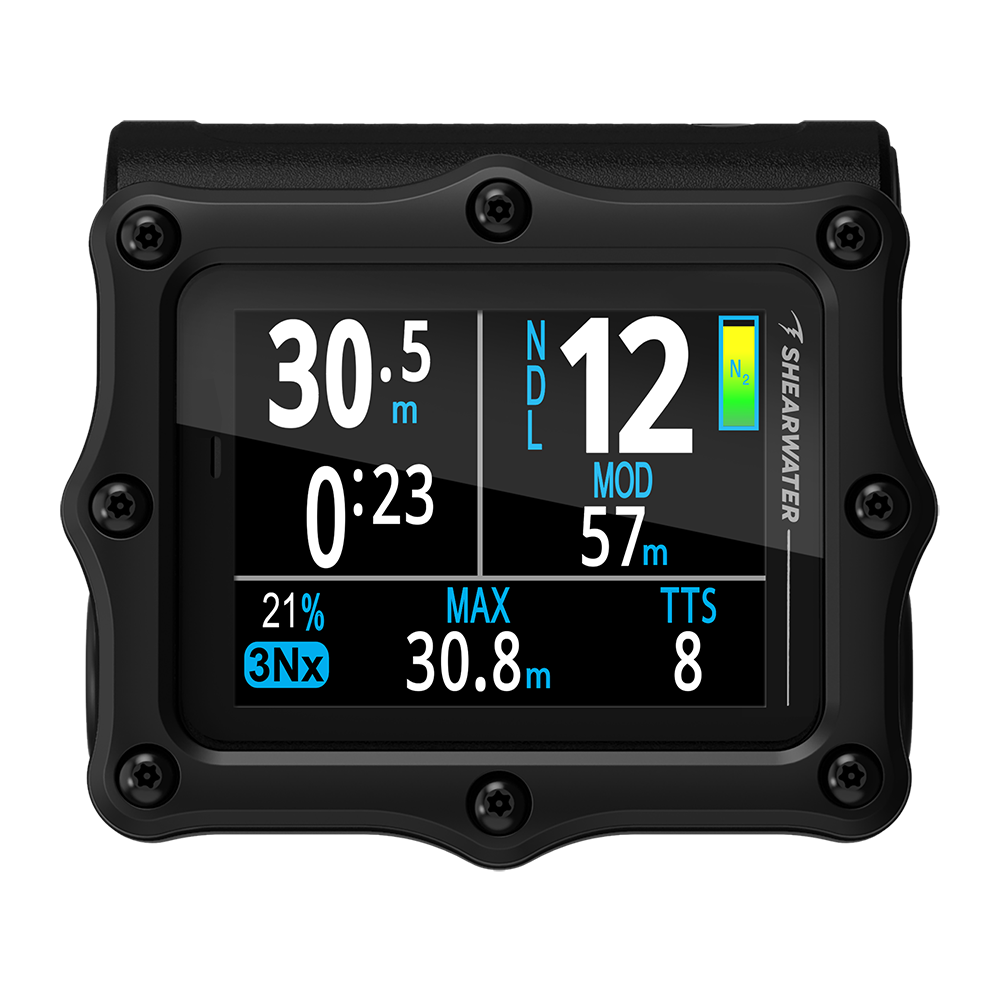
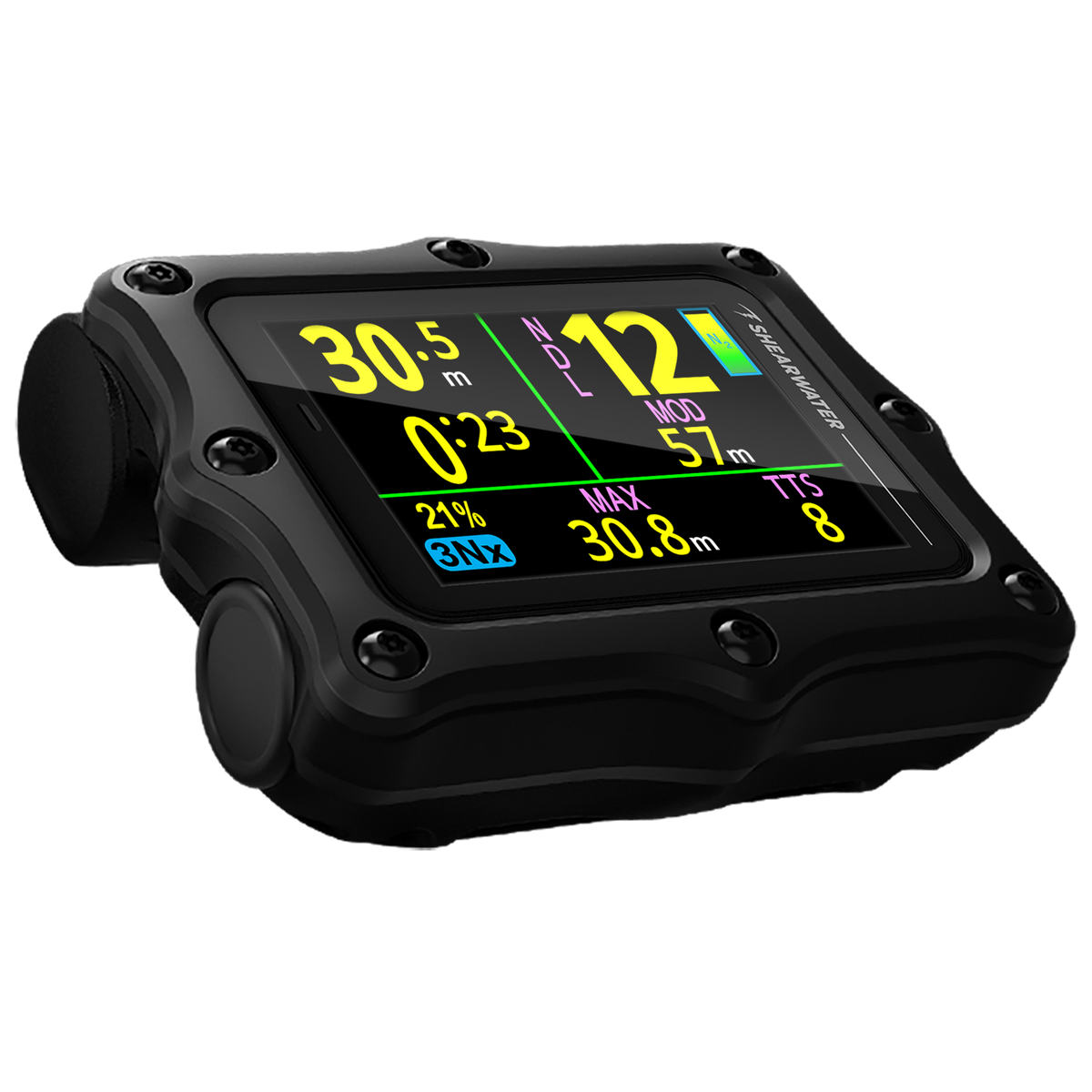
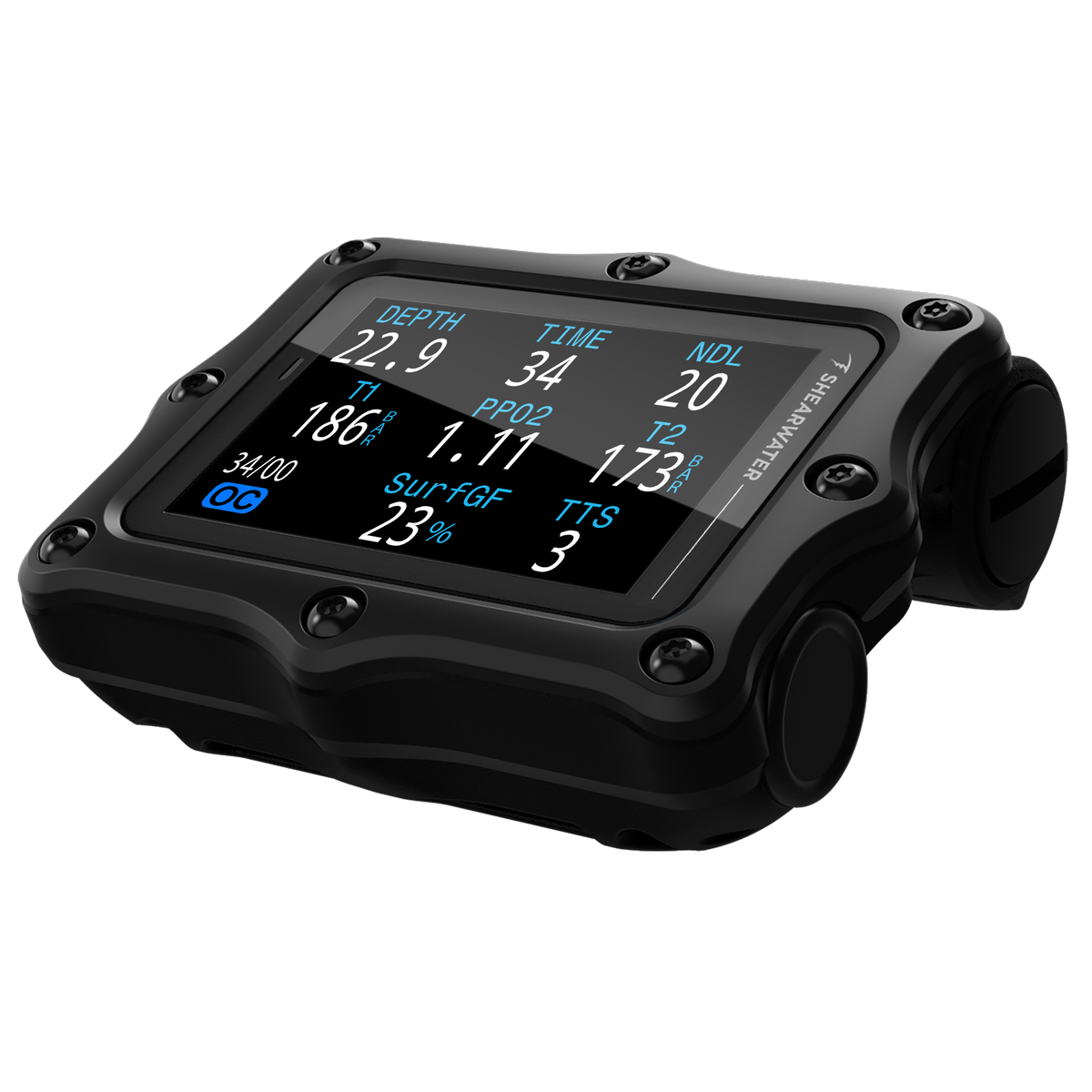
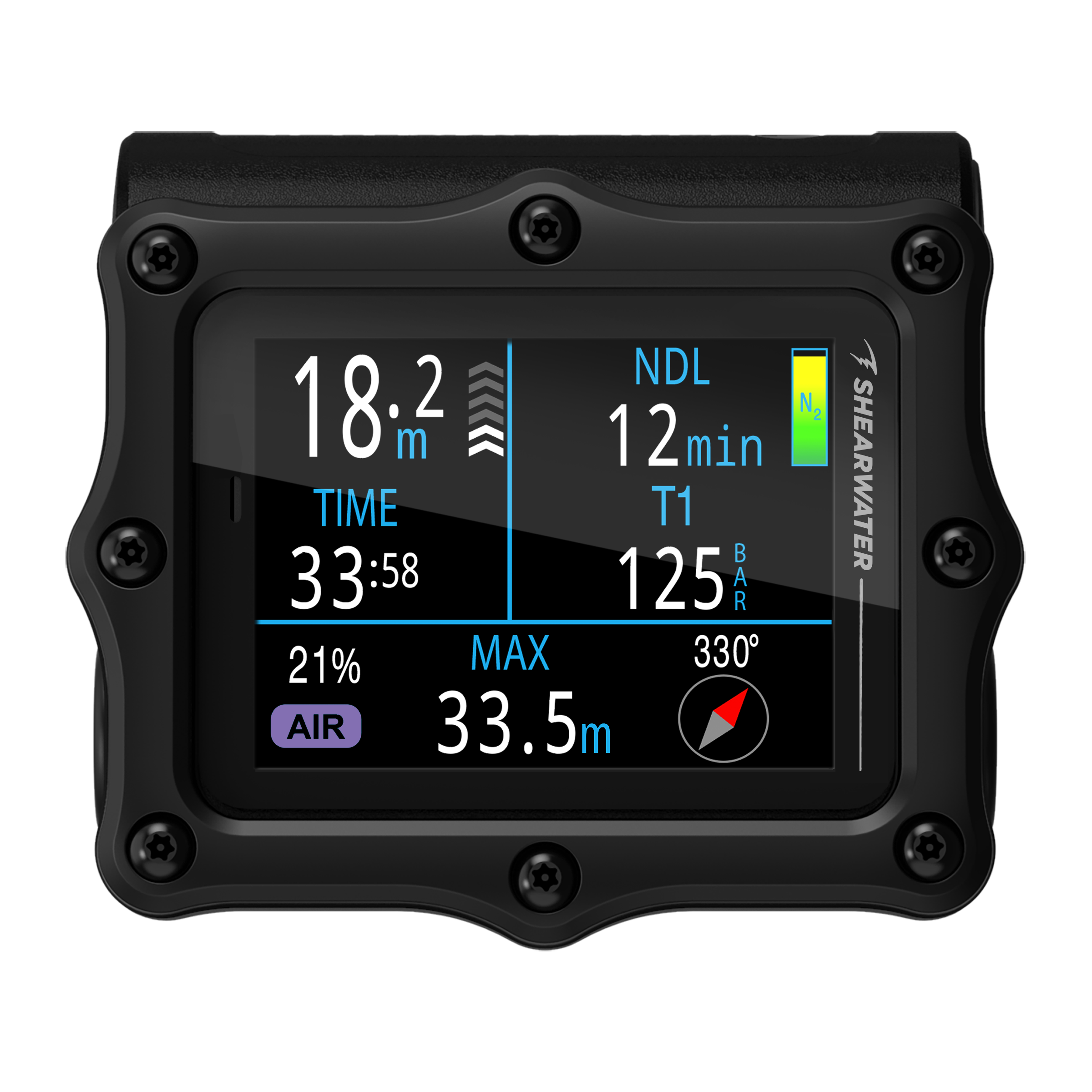
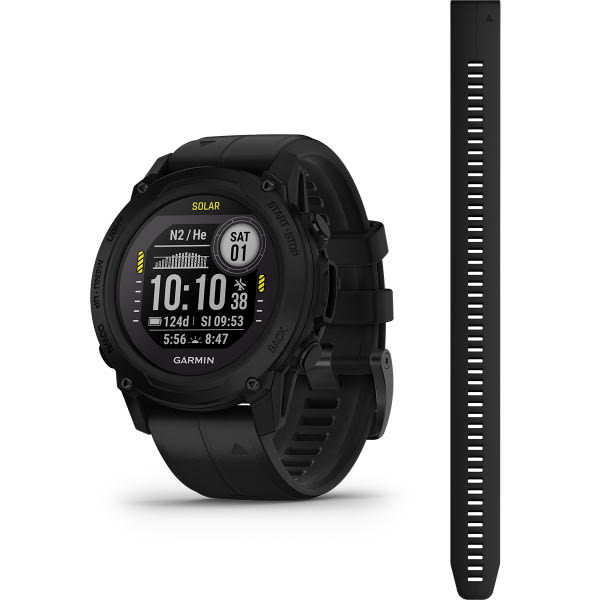
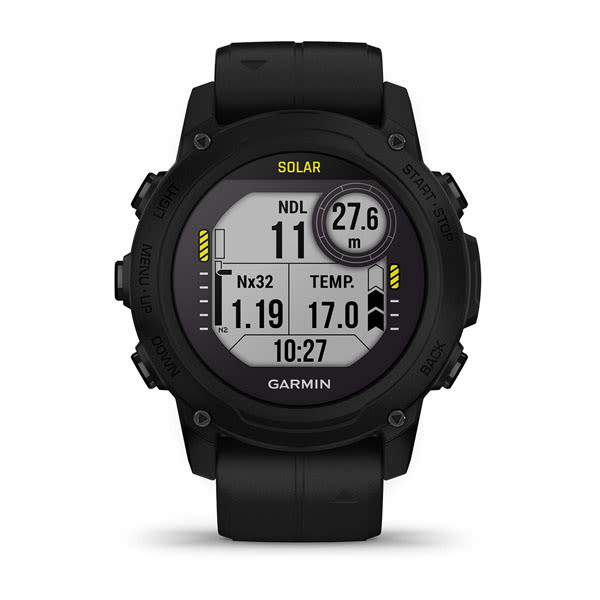
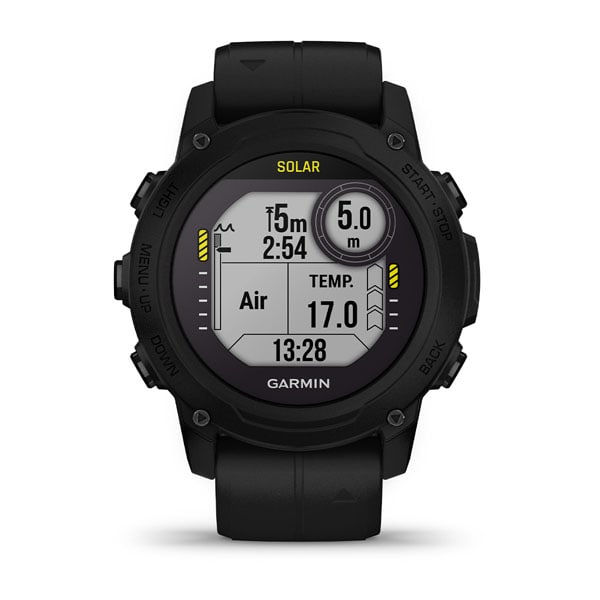
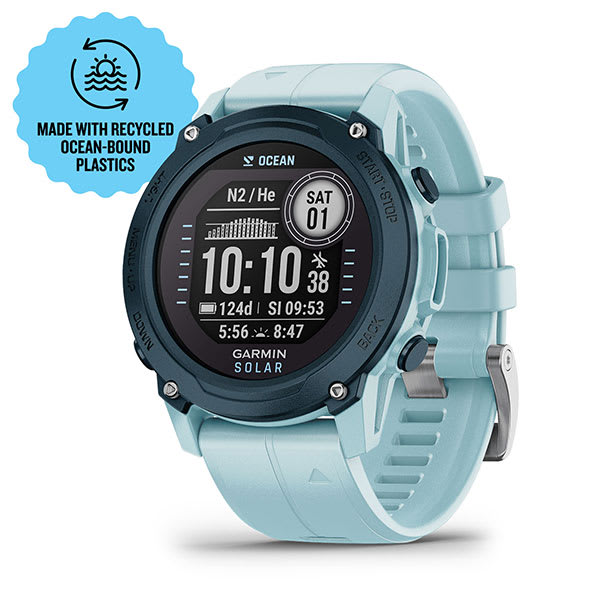
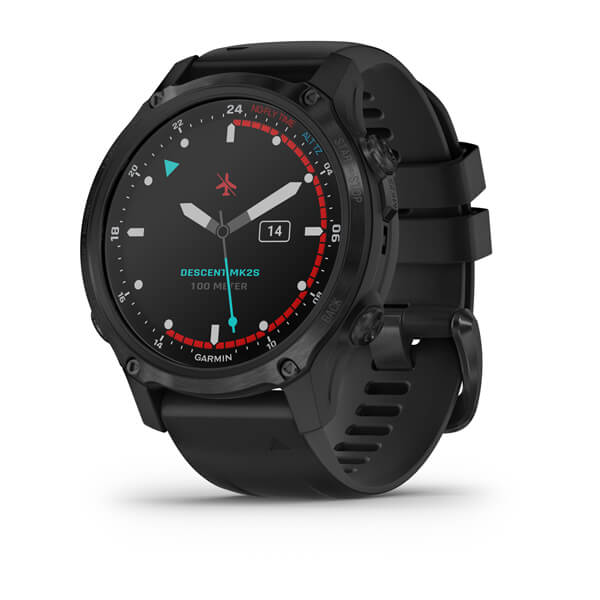
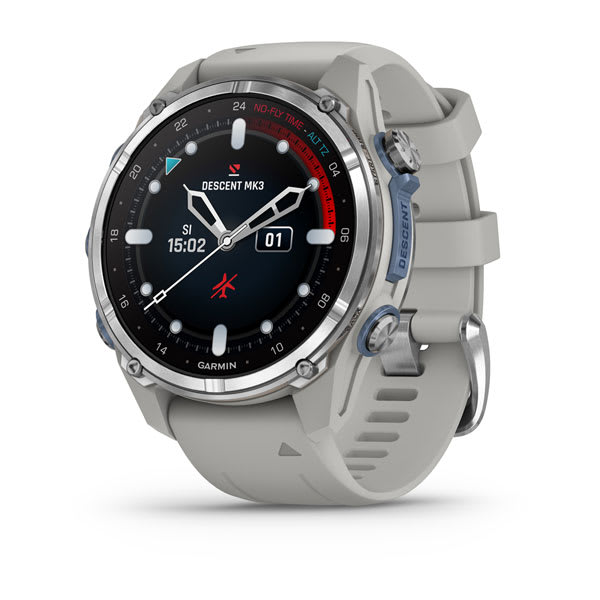
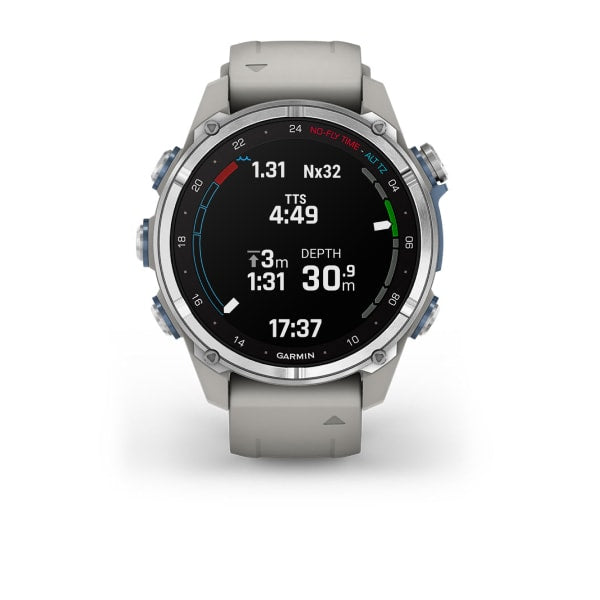
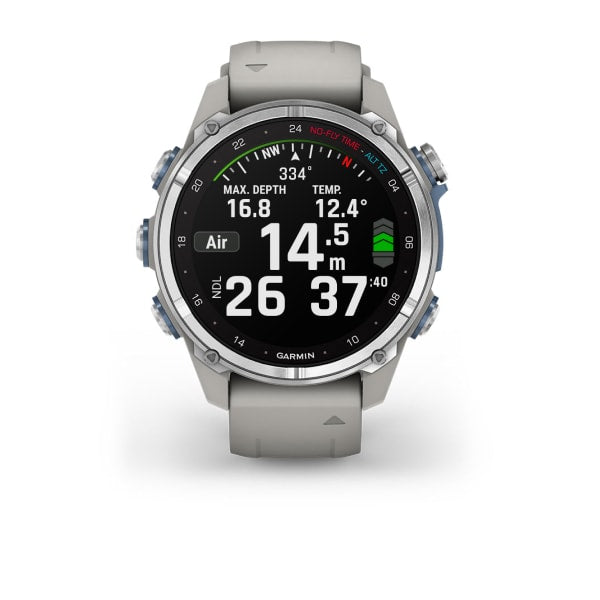
Wrist computers from Shearwater, Garmin, Suunto, Mares and Scubapro, from the Mares Puck 4 and Suunto D5 to the Shearwater Perdix 3 and Petrel 3 and the Garmin Descent Mk3. Pick a screen you can read without glasses in low light and buttons you can work in gloves. The computer builder lines models up side by side.
How to choose a wrist dive computer
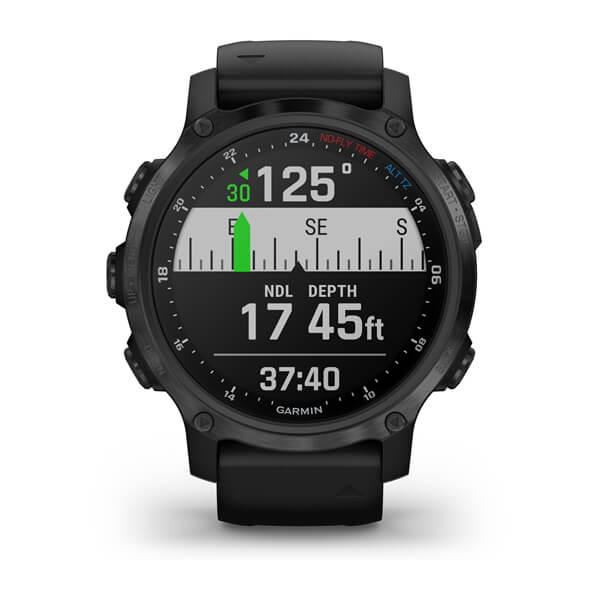
A wrist computer replaces dive tables and a depth gauge, and it tracks your depth, time and decompression limits. Wrist models start from about R4,600, and watch-style computers with colour screens and extras range up to R20,000 and beyond. Buy for the diving you do, not the longest feature list.
What to compare
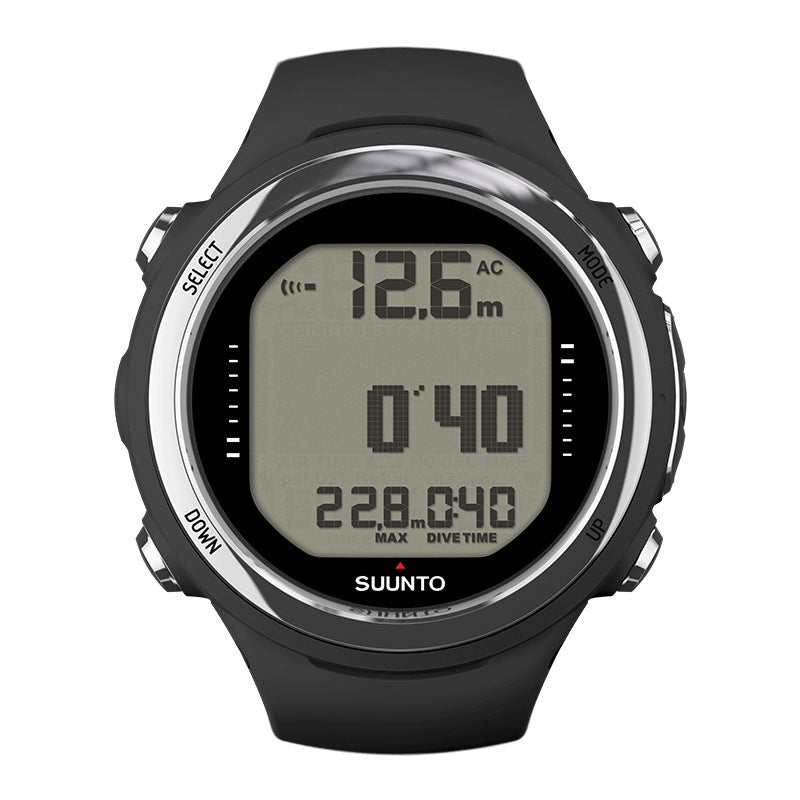
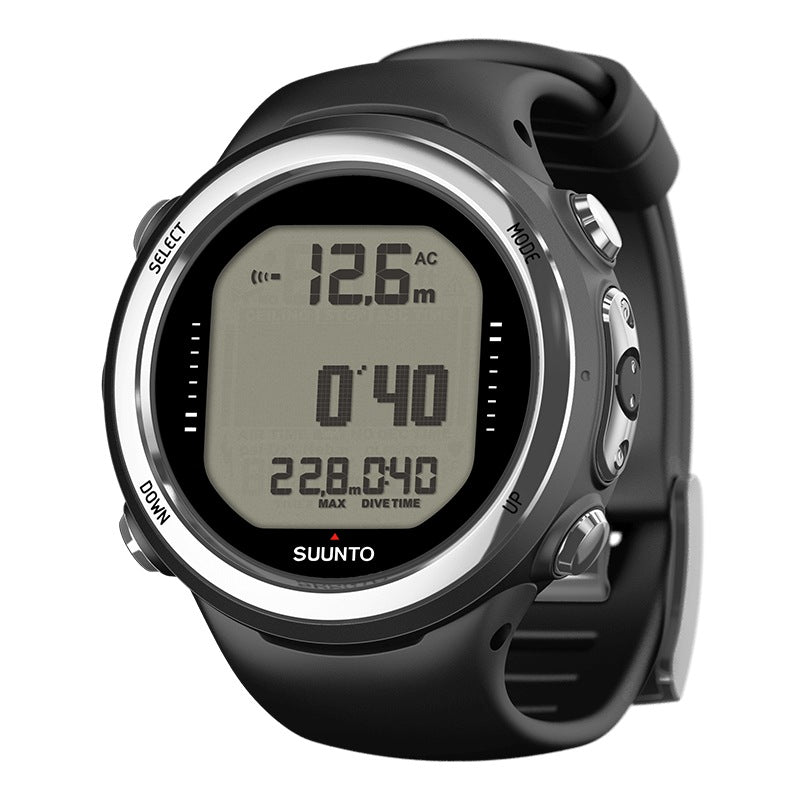
- Screen and buttons. A screen you can read in murky water and buttons you can work in gloves matter on every dive.
- Battery. A coin cell swaps in minutes, while a rechargeable battery needs charging before a trip.
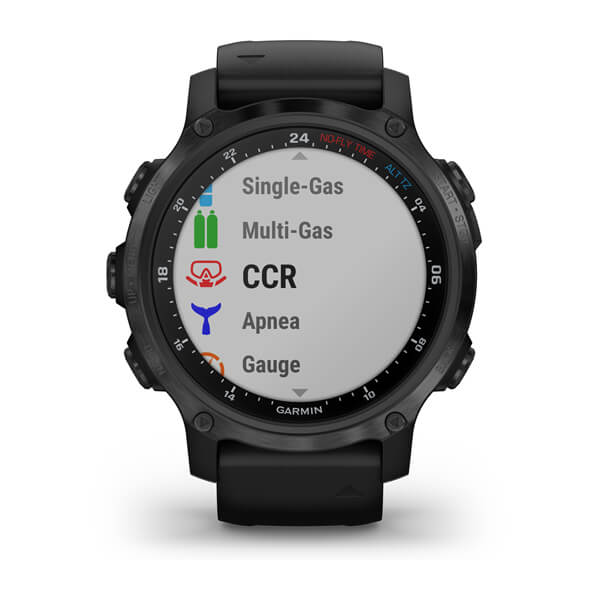
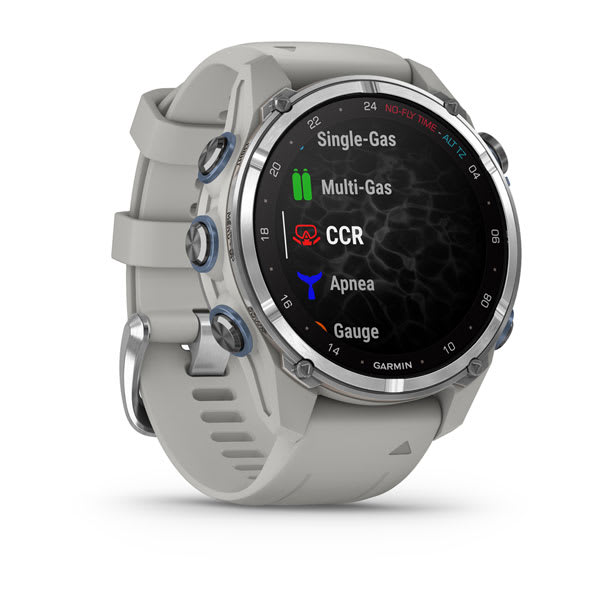
- Gas. Most computers take nitrox, and technical models allow multiple gases, closed circuit and trimix.
- Air integration. Air-integrated computers read cylinder pressure from a transmitter on the first stage.
Watch or dive-first
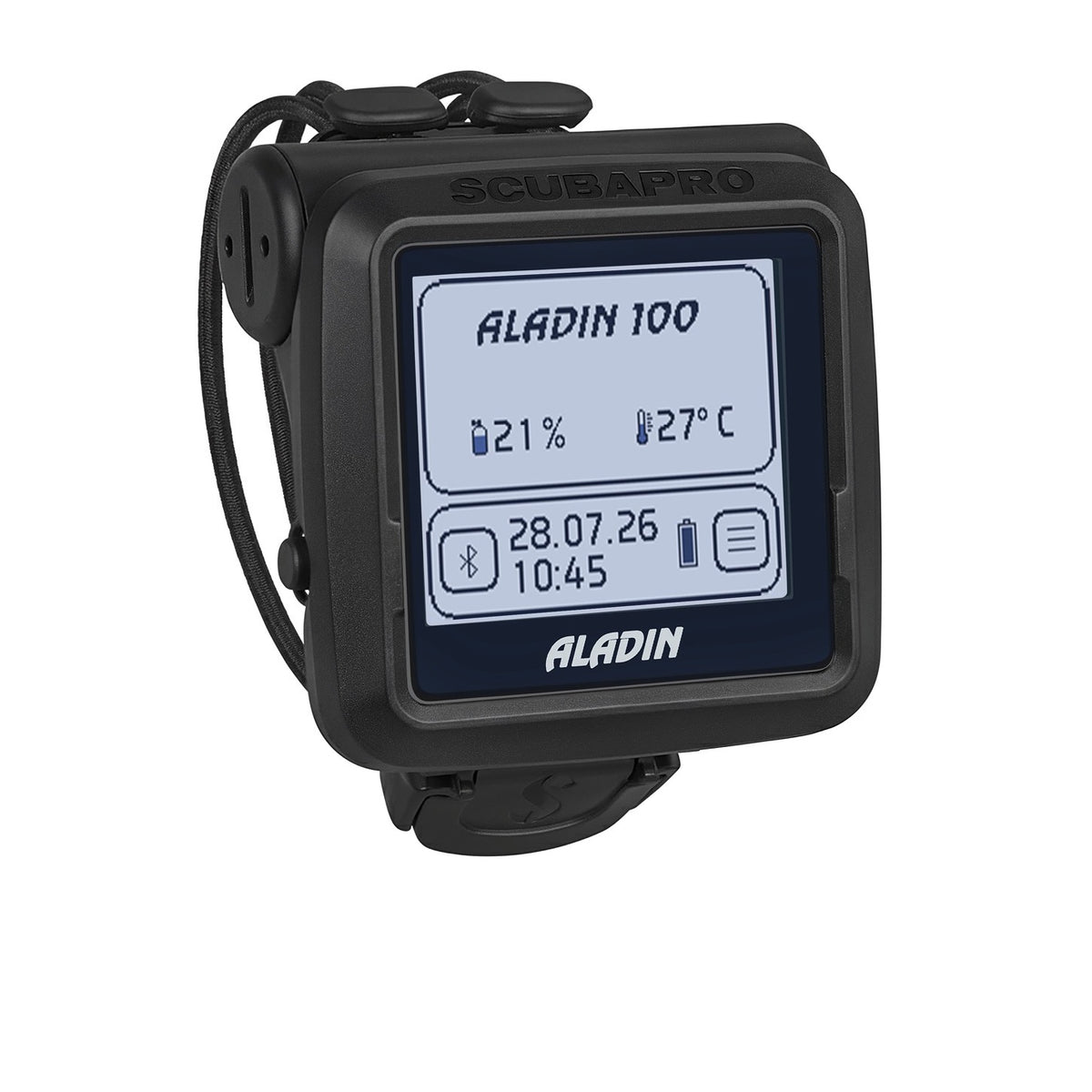
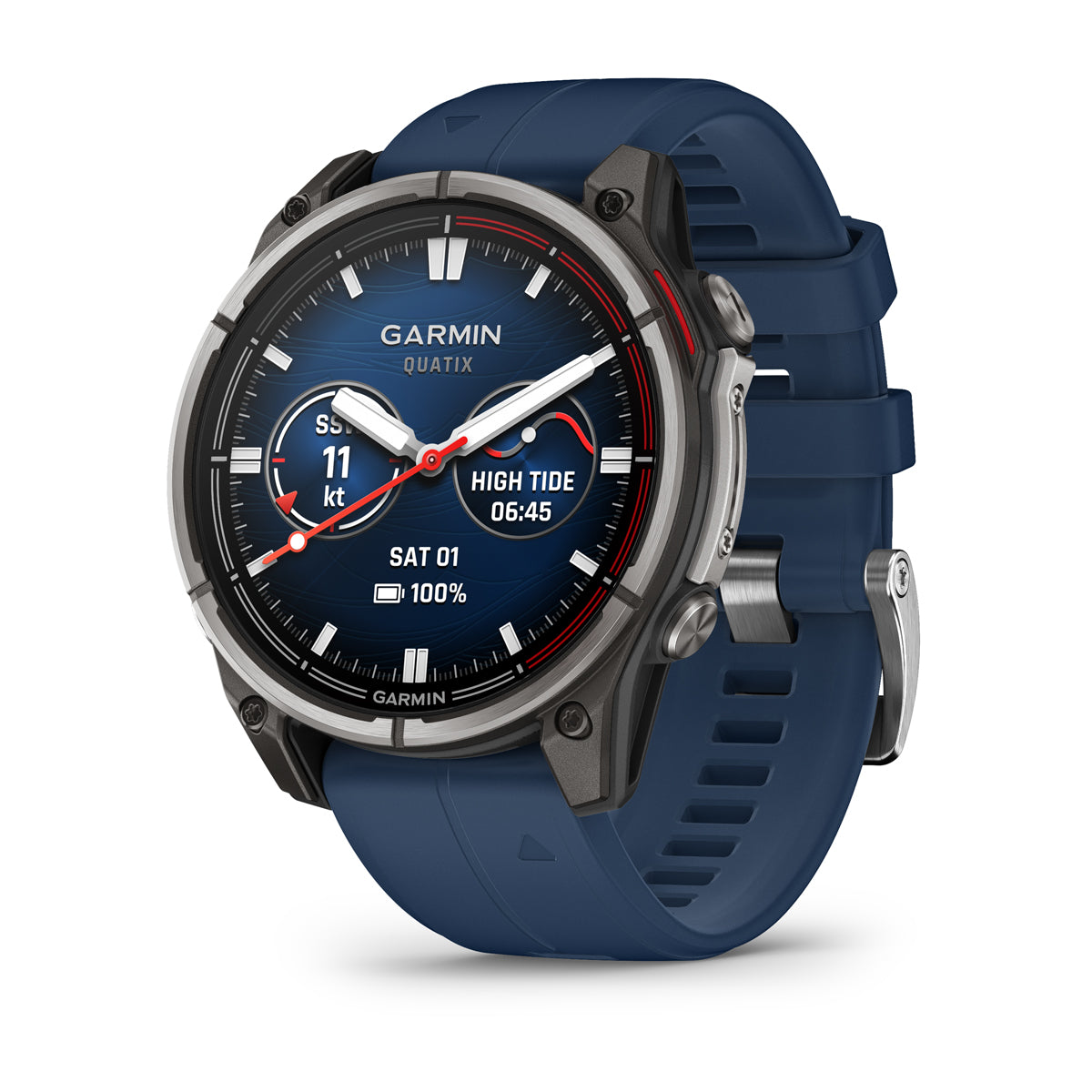
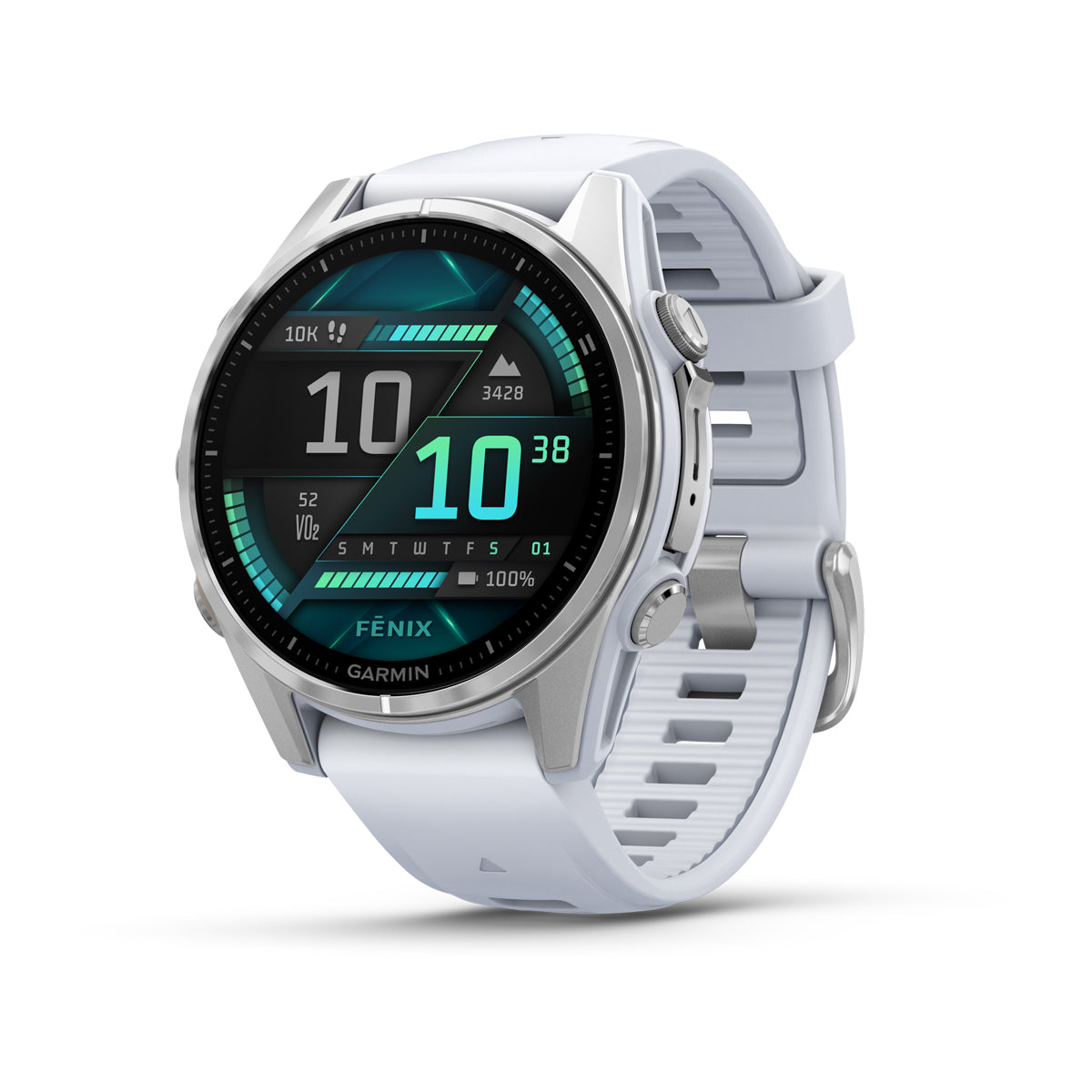
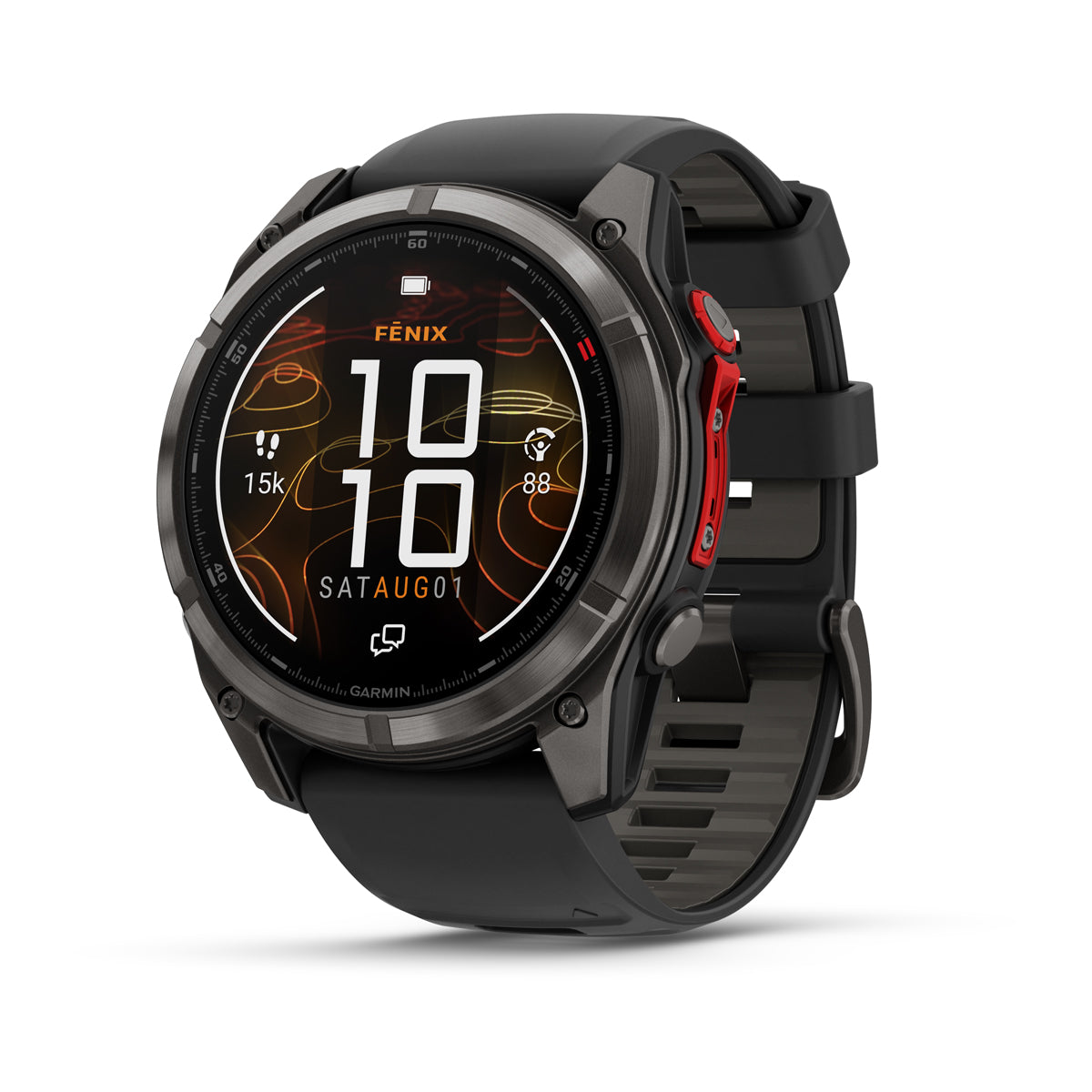
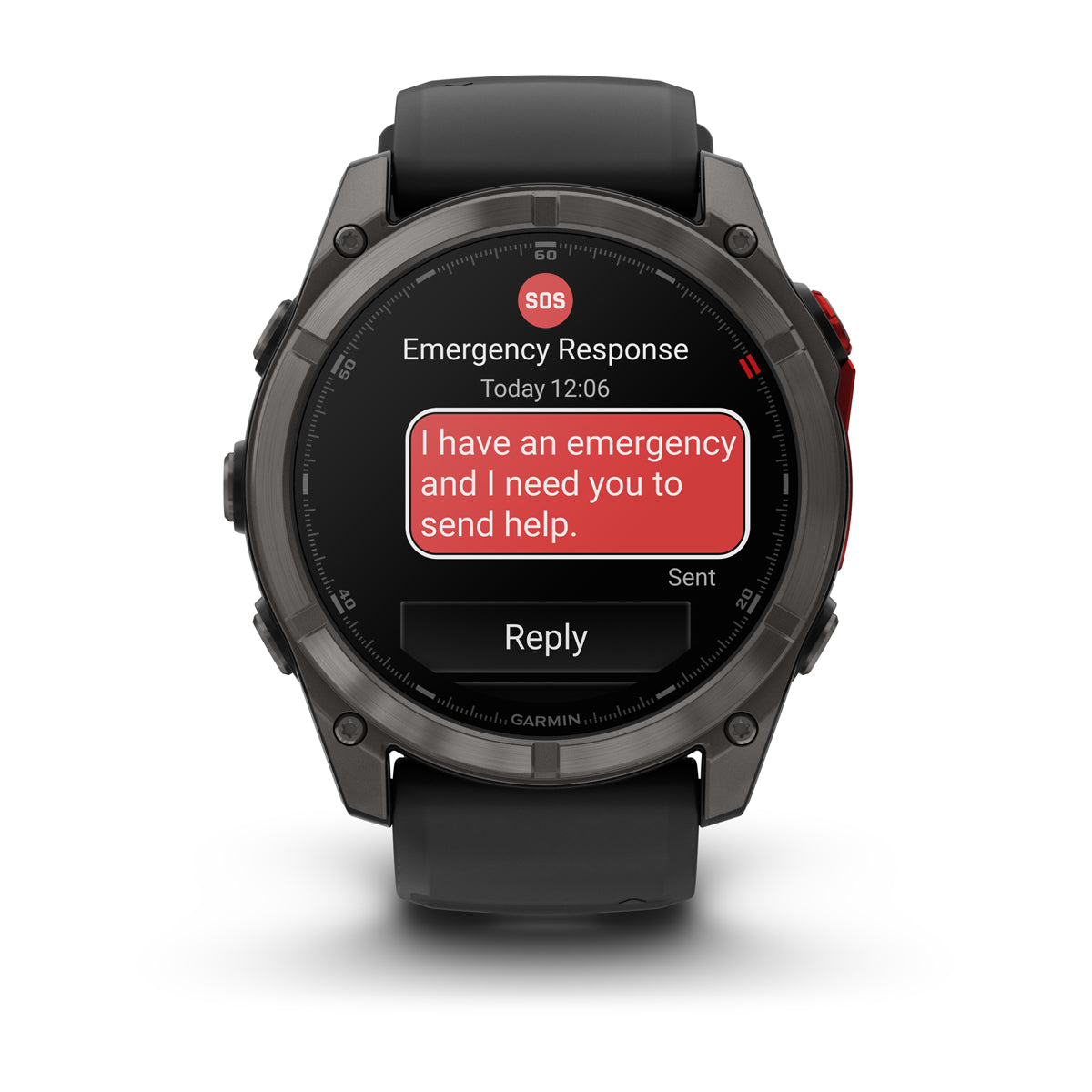
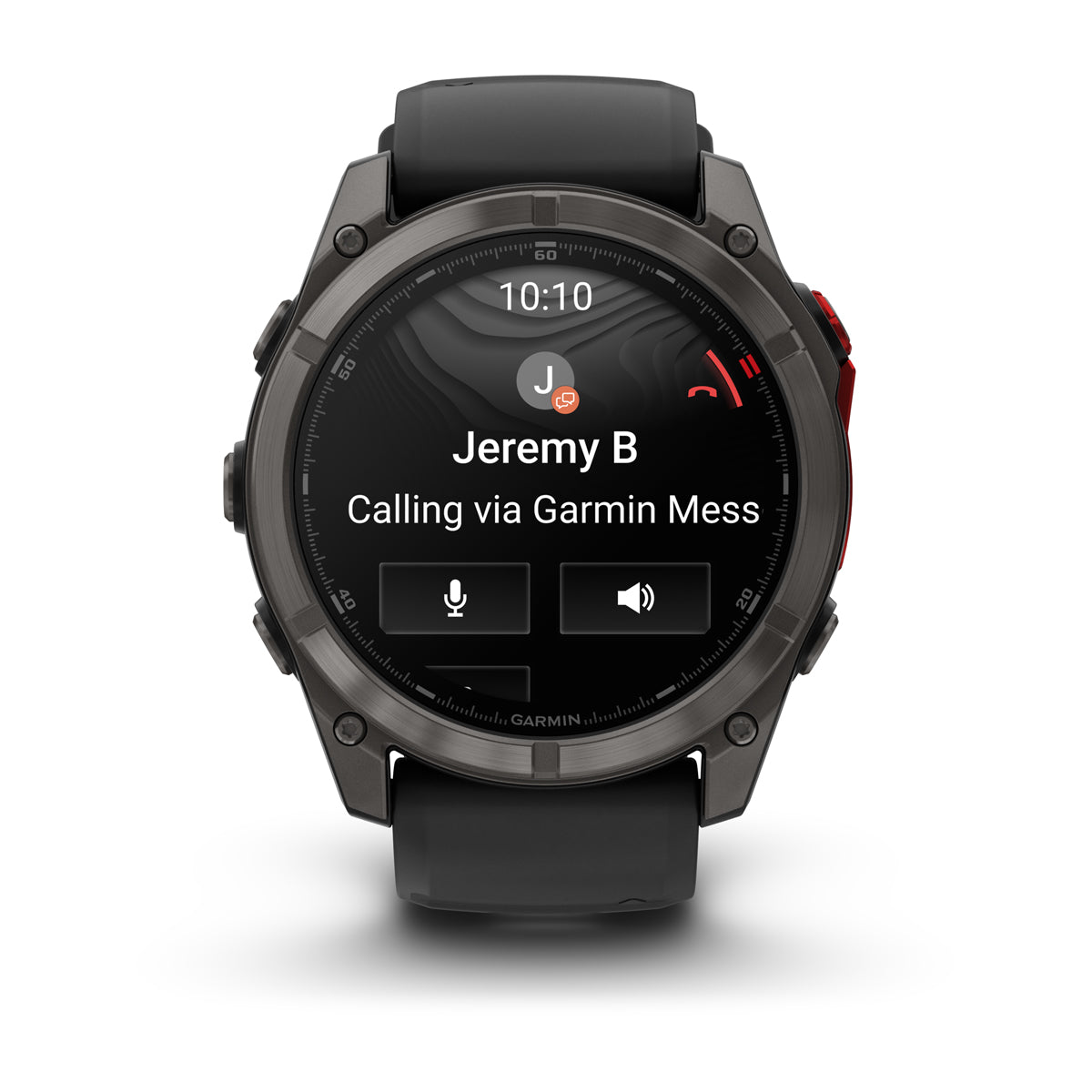
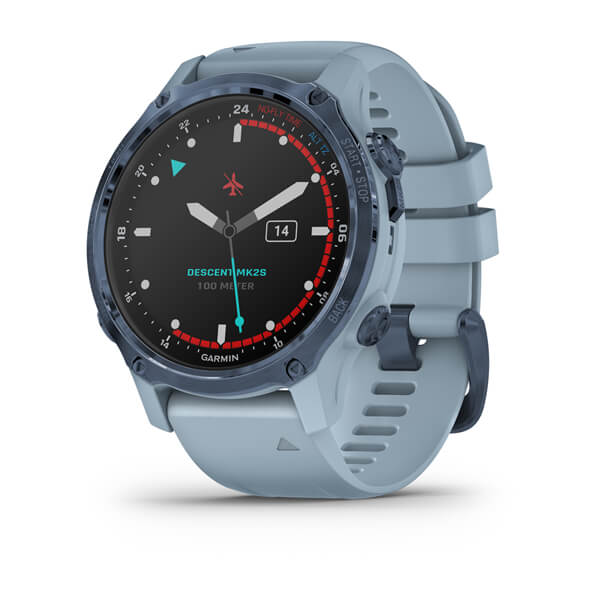
Dive watches such as the Garmin Descent and Suunto range work as everyday watches and as computers, with GPS, heart rate and phone alerts. Dedicated wrist computers such as the Shearwater Peregrine, Mares Puck 4 and Scubapro Aladin are built for diving first. Straps and chargers are with computer straps and chargers. For a wider guide, see dive computers.
Questions we get asked
Do I need a dive computer to dive?
Most dive centres expect one, and it is the safest way to track your limits through a multi-level dive. A computer does the decompression maths for you.
Should I buy a Garmin or a dedicated dive computer?
A Garmin suits divers who want a daily watch with dive features. A dedicated computer such as a Shearwater or Mares puts the dive first, with a larger dive screen and deeper gas and decompression settings.
Can I use a computer with nitrox?
Yes, on most. Set the oxygen percentage to match your cylinder after analysing it, and take the Nitrox course before you dive enriched air.